Tag: interest

  • Billion-Dollar Bubble Tea: Gong Chas Anticipated $2.5B Sale Stirs Interest Among Top Private Equity Firms

    Billion-Dollar Bubble Tea: Gong Chas Anticipated $2.5B Sale Stirs Interest Among Top Private Equity Firms

    Gong Cha, the renowned bubble tea chain, has reportedly piqued the interest of potential buyers, including private equity companies Bain Capital and General Atlantic. The anticipated deal, initiated by the current owner and Boston-based private equity firm TA Associates, is projected to be worth up to $2 billion.

    Unlocking the Full Potential of Gong Cha

    JPMorgan handles the sale proceedings on behalf of TA Associates, with final bids expected by mid-June, according to an insider. Gong Cha’s annual earnings, before considering factors such as interest, tax, depreciation and amortisation, exceeds $70 million. Given the company’s valuation of $2 billion, the core earnings multiple is nearly 30 times. However, potential buyers may be more inclined to propose a lower multiple.

    Despite requests for comments, all parties involved – TA Associates, Gong Cha, Bain Capital, General Atlantic, and JPMorgan – have chosen to remain silent on the matter.

    Gong Cha, established in Taiwan in 2006, has evolved into one of the largest tea brands across the globe. It has a vast chain of nearly 2,200 stores spread across 32 markets, both company-owned and franchisee-operated.

    The Impressive Footprint of Gong Cha

    The bubble tea chain offers a variety of cold beverages, including milk tea and fruit tea, through its outlets located in Asia, North America, Europe, and the Middle East. Last year, Gong Cha reported a 14% increase in group revenue, hitting $217 million, primarily driven by growth in Japan and South Korea.

    In addition, Gong Cha made its presence known in five new markets last year, entering Thailand, Colombia, and Ecuador, and making strategic acquisitions of master franchisees on the east and west coasts of the United States. TA Associates, a company known for investing in growth opportunities, became a stakeholder in Gong Cha in 2019.

    Questions & Answers

    How much does TA Associates expect to earn from the sale of Gong Cha?
    Answer: The sale of Gong Cha is projected to fetch up to $2 billion.

    How many locations does Gong Cha have worldwide?
    Answer: Gong Cha has nearly 2,200 locations spread across 32 markets worldwide.

    When did TA Associates invest in Gong Cha?
    Answer: TA Associates invested in Gong Cha in 2019.
  • OCBC Overcomes Interest Income Dip with Diversified Revenue: Unveils ‘The Next Frontier’ Strategy

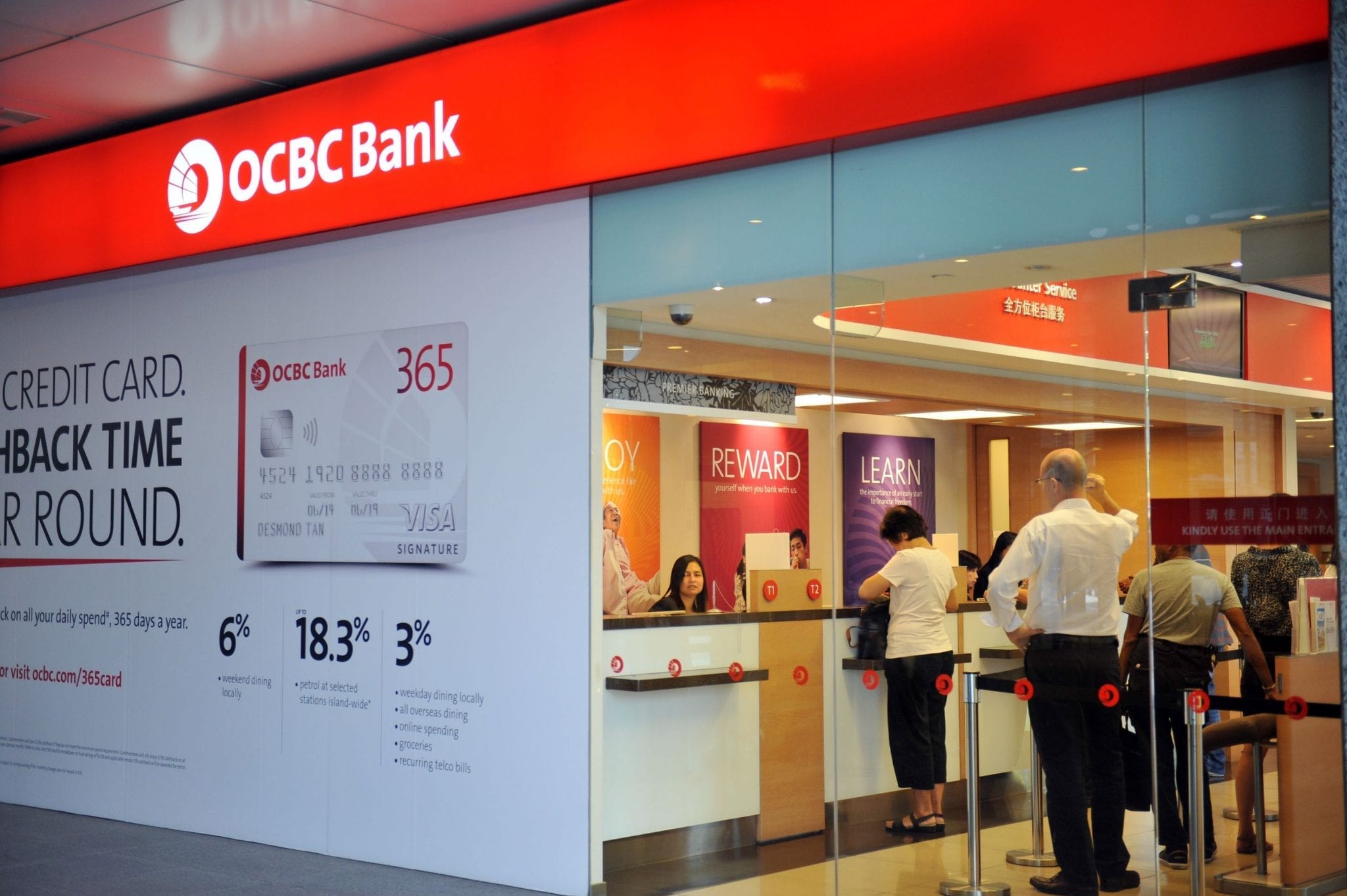
    OCBC Overcomes Interest Income Dip with Diversified Revenue: Unveils ‘The Next Frontier’ Strategy

    Despite experiencing a slight dip in interest income, Singapore’s OCBC managed to maintain a relatively static profit, thanks to diverse revenue sources.

    Financial Performance

    OCBC recorded a net profit of S$7.4 billion ($5.9 billion) in 2025, marking a 2 percent decrease compared to the previous year’s record of S$7.6 billion. The bank’s income, however, reached an unprecedented level of S$14.6 billion. This rise can be attributed to a 16 percent increase in non-interest income, which was seen across all sectors including fees, commissions, trades, and insurance (both life and general). Operating expenses saw a slight increase of 2 percent, rising to S$5.9 billion, primarily due to increases in staff and IT-related costs.

    The Next Frontier

    OCBC CEO Tan Teck Long, who took over from Helen Wong on January 1, acknowledged the bank’s completion of its previous three-year plan, which brought about “commendable progress.” Under this plan, the bank managed to unify its brand across its core markets, leading to enhanced synergies through a unified-group approach.

    OCBC has now initiated its new strategy, aptly named “The Next Frontier.” The bank aims to improve return on equity through a stronger focus on high-returning businesses, while maintaining cost discipline. The goal is to achieve a cost-income ratio in the low to mid 40 percent range.

    This strategy, according to CEO Tan, equips the bank with the necessary tools to compete and succeed in the next growth phase. This includes tapping into rising Asian markets, enhancing core market franchise, advancing technology-led and customer-centric capabilities through AI, Digital, and Data, and continuing to support green transitions.

    Despite geopolitical tensions, evolving trade dynamics, and interest rate uncertainties, Tan remains “cautiously optimistic” about the future. He believes that the bank’s robust balance sheet, prudent risk management, and diversified growth engines will allow it to successfully navigate these challenging conditions and deliver sustainable, long-term value.

    Questions & Answers

    What was OCBC’s net profit for 2025?
    OCBC recorded a net profit of S$7.4 billion ($5.9 billion) in 2025.

    What is OCBC’s new strategy and what does it aim to achieve?
    OCBC’s new strategy is titled “The Next Frontier.” It aims to improve return on equity through a stronger focus on high-returning businesses and maintaining cost discipline with a goal to attain a cost-income ratio in the low to mid 40 percent range.

    What are the bank’s views on the upcoming market conditions?
    CEO Tan Teck Long remains cautiously optimistic about the future. He believes that despite geopolitical tensions, evolving trade dynamics, and interest rate uncertainties, the bank, with its robust balance sheet, prudent risk management, and diversified growth engines, is well positioned to navigate these challenges and deliver sustainable, long-term value.

  • US Fed Makes Historic Third Consecutive Rate Cut, Slashes Interest Rates by 0.25%

    US Fed Makes Historic Third Consecutive Rate Cut, Slashes Interest Rates by 0.25%

    The US Federal Reserve has announced a reduction in interest rates by 0.25 percentage points, marking the third consecutive cut this year. However, further reductions in the near future seem unlikely.

    Federal Reserve’s Position

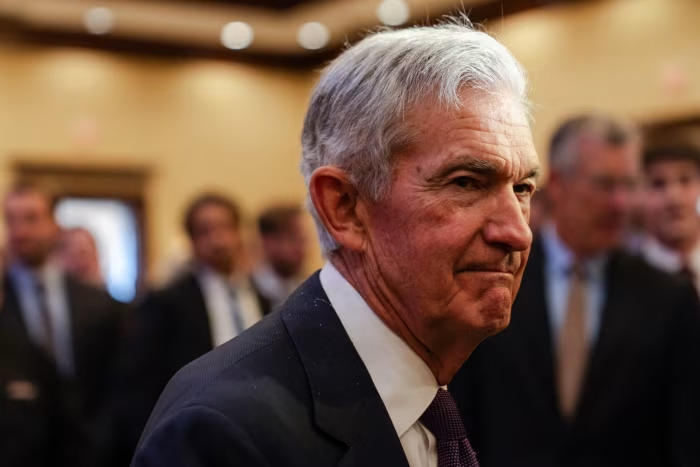
    According to Jerome Powell, the Chair of the Federal Reserve, the central bank is poised to observe the economic evolution before taking any further action. The statement also reiterated language previously used in late 2024, indicating a pause in any additional rate cuts. Powell emphasized that the bank is well-equipped to determine the “extent and timing of additional adjustments” based on incoming data, the evolving outlook, and balance of risks.

    Impact of Reduction

    The latest reduction of a quarter percentage point sets the rates to a range between 3.50-3.75%, the lowest in around three years, aligning with market expectations. The Federal Reserve has also projected one more rate cut for the next year, while acknowledging increased employment risks.

    Internal Rifts

    The recent decision has led to deeper divisions within the central bank, with three officials voting against the reduction. Austan Goolsbee, president of the Chicago Federal Reserve, and Jeffrey Schmid, president of the Kansas City Federal Reserve, both advocated for maintaining unchanged rates. Fed Governor Stephen Miran continued to support a larger half-percentage-point cut.

    Balancing Act

    Acknowledging some level of disagreement, Powell highlighted the challenge of balancing concerns of inflation risks and a potentially weakening jobs market. He stated that the Federal Reserve currently operates at the higher end of the “neutral” rates range, a level that neither stimulates nor restricts economic activity. This “neutral” designation could imply less urgency to lower rates quickly.

    Future Outlook

    Powell emphasized the need for several years of wages surpassing inflation for economic stability and improved affordability for the public. The Federal Reserve also raised its 2026 growth forecast, while moderating inflation expectations and maintaining unemployment rate projections. However, these forecasts could be altered as the bank navigates the delay in federal economic data releases due to the prolonged government shutdown.

    Challenges Ahead

    As the Federal Reserve heads into 2026, it faces a period of significant change. A new chief is set to take over after Powell’s term ends in May, amidst mounting political pressures. In particular, President Trump has expressed his desire for more aggressive rate cuts. Trump’s chief economic adviser, Kevin Hassett, is considered a strong contender for the role. Furthermore, the impending expiry of Miran’s term in January will create a vacancy within the Federal Reserve’s top leadership.

    Questions & Answers

    What was the extent of the recent rate cut by the US Federal Reserve?
    The US Federal Reserve cut interest rates by 0.25 percentage points.

    What challenges did the Federal Reserve face in making this decision?
    The decision led to a rift within the central bank, with three officials voting against the reduction, reflecting differing views on the balance between inflation risks and the softening job market.

    What changes are expected within the Federal Reserve in 2026?
    Significant changes are expected in 2026, including the appointment of a new chief following the end of Powell’s term in May. Additionally, the expiry of Fed Governor Stephen Miran’s term in January will result in a vacancy within the top leadership.

  • Vietnam Gold Price Soars Amid Anticipated Federal Reserve Interest Rate Cut: An 89.9% Increase Since Start of Year

    Vietnam Gold Price Soars Amid Anticipated Federal Reserve Interest Rate Cut: An 89.9% Increase Since Start of Year

    On Tuesday morning, Vietnam saw a rise in the price of gold, in line with global rates which experienced an upward trend. This increase is attributed to market anticipation of a Federal Reserve interest rate cut.

    The Saigon Jewelry Company reported a 1.66% increase in the price of their gold bars, with the cost reaching VND152.9 million, equivalent to US$5,777.32 per tael. In addition, the price of their gold rings also experienced a rise of 1.68%, costing VND151 million per tael. To clarify, one tael is approximately 37.5 grams, or 1.2 ounces.

    Gold Price Surge

    There has been a marked increase in Vietnam’s gold price since the start of the year, with an overall surge of 89.9%.

    International spot gold also saw an increase, adding 0.27% to its value and reaching $4,144 per ounce. This rise is supported by growing hopes for a Federal Reserve interest rate cut in the coming month and the anticipation of fresh U.S. economic data offering further insights into monetary policy.

    Anticipation for Interest Rate Cut

    The head of commodity strategies at TD Securities, Bart Melek, stated, “The market is increasingly convinced that the U.S. Federal Reserve is set to cut interest rates in December.”

    Gold, a non-yielding asset, typically performs positively in situations where interest rates are low. This is particularly true during times of geopolitical and economic instability.

    Melek added, “We’re awaiting data, and the expectation is that it may display weakness. Inflation is likely not very high, and this all suggests that gold will perform well.”

    Questions & Answers

    Why has there been a surge in gold prices in Vietnam?
    The uptick in gold prices in Vietnam can be attributed to the anticipation of a Federal Reserve interest rate cut, along with global gold prices demonstrating a similar upward trend.

    How does the potential cut in interest rates affect gold prices?
    Gold, being a non-yielding asset, tends to perform well in low-interest-rate environments. The anticipation of a cut in interest rates therefore often leads to an increase in gold prices as investors seek stable investments.

    What does the future hold for gold prices?
    While it’s challenging to predict with certainty, current market expectations are that gold will continue to perform well, particularly if inflation remains low and economic data indicates weakness.

  • OCBC Maintains Steady Q3 Profit Amid Lower Interest Income: A Balance Sheet Analysis

    OCBC Maintains Steady Q3 Profit Amid Lower Interest Income: A Balance Sheet Analysis

    OCBC, the Singapore-based banking corporation, has reported that its profits remained stable in the third quarter of 2025. The bank’s net earnings for the period matched the previous year’s figures, standing at approximately S$2 billion ($1.5 billion).

    Income and Expenditure Details

    The results showed that the bank’s non-interest income experienced a growth of 15 percent. It rose to S$1.6 billion, an increase driven by diversified earnings from fees, trading, and insurance. However, this upturn was balanced out by a drop in net interest income. Lowered by 9 percent due to contracting margins in a weakening interest rate environment, the net interest income fell to S$2.2 billion.

    The report also indicated a rise in operating costs, with an increase of 4 percent taking total expenses to S$1.5 billion.

    Year-To-Date Profits

    Considering the performance over the year to date, the bank’s net profit is reported to be S$5.7 billion. This signifies a decrease of 4 percent, indicating a drop in earnings from previous periods.

    Future Outlook

    Looking forward, the prospects appear challenging due to the dynamic policy environment and geopolitical tensions. Despite these complexities, OCBC’s strong balance sheet and robust capital position provide the flexibility to navigate these uncertain times. In the words of OCBC group CEO Helen Wong, their solid financial standing allows them to manage risks while continuing to serve their customers and invest in future growth.

    Questions & Answers

    What is the reported net profit of OCBC for the third quarter of 2025?
    The bank reported a net profit of S$2 billion, which is equivalent to $1.5 billion.

    How do changing dynamics in the policy environment and geopolitical tensions affect OCBC’s future prospects?
    These factors complicate the external environment, creating potential risks. However, OCBC’s robust capital position and strong balance sheet provide the flexibility to manage these uncertainties.

    What factors contributed to the 15 percent growth in OCBC’s non-interest income?
    The growth is attributed to diversified earnings from fees, trading, and insurance income.

  • Dollar eases as focus shifts to Fed meeting

    Dollar eases as focus shifts to Fed meeting

    The dollar eased versus most of its peers on Monday as investors turned their attention to this week’s Federal Reserve policy meeting, with traders wagering policymakers will signal a pause in their tightening cycle. The Federal Open Market Committee meets between Jan 29-30, and Chairman Jerome Powell is widely expected to acknowledge growing risks to the US economy as global momentum weakens.

    The dollar fell 0.2% versus the offshore yuan to 6.7406. The rally in the yuan also fuelled a bounce in the Australian dollar, which gained 0.18% versus the dollar to $0.7195. Kiwi dollar strengthened by 0.3% to $0.6859.

    “The general direction for the dollar is still down and markets will be taking cues from the FOMC this week,” said Sim Moh Siong, currency strategist at Bank of Singapore.

    “The Fed will most likely keep rates steady this year given the state of economic growth outside the US”

    The dollar index, a gauge of its value versus six major peers was marginally lower at 95.74, after falling 0.8% on Friday.

    A deal to reopen the US government for now after a prolonged shutdown also reduced investor demand for the safety of the greenback.

    ‘The re-opening of Federal government after one-month shutdown fuelled ‘risk on’ rally in the US equities and slashed demand for safe-haven currency like USD, leading to sharp decline of the dollar index last Friday,” said Margaret Yang, markets analyst at CMC Markets.

    Over the past two months or so, Powell and several other Fed policymakers have taken a more cautious approach on further monetary tightening, leaving the dollar underpowered after it enjoyed a boost from the Fed’s four rate increases last year.

    Traders are bearish on the dollar for 2019.

    Amid a weakening global economy and US-Sino trade tensions, the US central bank is widely expected to hold rates steady this year to avoid hurting growth at home. Interest rate futures markets are pricing in no rate hikes for 2019.

    Investors are also anxiously waiting news from high-level US-China trade talks on Tuesday and Wednesday to see if the world’s largest economies can reach a compromise that will end their trade war. President Donald Trump has threatened to hike tariffs on Chinese goods if there is no significant progress in the negotiations.

    The yen added 0.2% in early Asian trade at 109.34.

    The dollar has gained around 1.2% on the yen over the last two weeks. Not helping the yen was the Bank of Japan’s downgrade of its inflation forecasts last week when it also maintained its accommodative monetary policy, as widely expected.

    Moreover, Japanese investors have been net buyers of foreign bonds over the last few weeks, stoking demand for dollars. This likely explains why the safe-haven yen has not appreciated during this period even though risks of a global economic slowdown have rattled investor sentiment.

    The euro was marginally higher at $1.1411.

    The single currency managed to cling on to a 0.4 percent gain made last week despite the European Central Bank downgrading its growth forecasts for the near term.

    Growth data out of Europe’s economic powerhouses such as Germany and France has been weaker-than-expected and analysts expect the ECB to remain dovish for an extended period.

    Traders believe Europe’s slowdown and a dovish ECB are priced into the euro, which has traded in a $1.12-$1.16 range over the last three months.

    Sterling was marginally lower, fetching $1.3193.

    Cable gained 2.5% last week after a report in the Sun newspaper that Northern Ireland’s Democratic Unionist Party had privately decided to offer conditional backing for British Prime Minister Theresa May’s Brexit deal this week.

    However, Ireland’s Deputy Prime Minister Simon Coveney said on Sunday the backstop was already a compromise drawn up to meet May’s negotiating red lines, and the EU and Ireland were united in the view it “was not going to change”.

    Analyst expect sterling to remain volatile. Britain is set to leave the European Union on March 29, but the country’s members of parliament remain far from agreeing a divorce deal.

  • Vietnamese banks deposit rates rise as usual at year end

    Vietnamese banks deposit rates rise as usual at year end

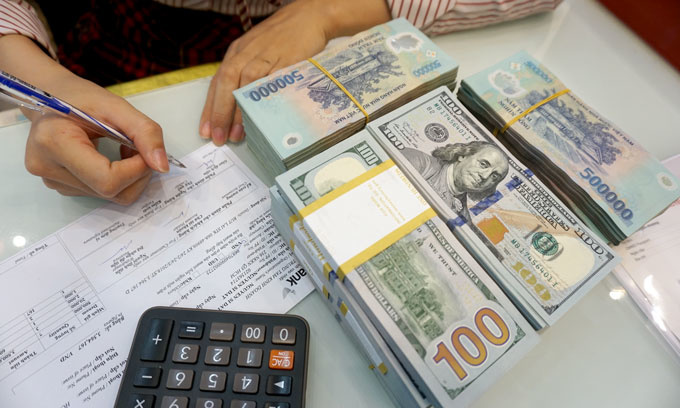
    Banks usually hike deposit interest rates and even offer promotions at the year end, and this year has been no different. On December 19 Sacombank announced a rise in interest rates on deposits of three months from 5.2-5.3 percent to 5.5 percent, and on deposits of 12 months from 6.9 percent to 7.7 percent. VPBank has increased its rates by 0.1-0.7 percentage points, with deposits of 18 months and more carrying the highest rate of 7.8 percent.

    State-owned banks such as BIDV and Vietinbank have hiked rates by 0.1 to 0.5 percentage points.

    The management of a joint-stock bank headquartered in the south said lending usually rises in the last quarter of the year to meet the rising demand for short-term credit to serve the working capital needs of companies.

    As a result, many banks increase their deposit rates, especially for short terms, it said.

    Besides, experts said lenders are running out of time to use 45 percent of short-term capital for medium- and long-term loans, with the ratio to be reduced to 40 percent on January 1.

    The National Financial Supervisory Commission has recently estimated that credit growth to have slowed significantly to 15 percent this year from 18 percent in 2017.

  • Vietnam’s gaming firm profits fall 52 pct in 9 months

    Vietnam’s gaming firm profits fall 52 pct in 9 months

    Vietnamese online gaming giant VNG has reported Jan-Sept 2018 profits of VND152 billion ($6.5 million), a 52 percent year-on-year slump. The company has said in its third-quarter financial statement that higher expenditures have eaten into its profits.

    Selling and administrative expenses of VND853 billion ($36.7 million) and VND382 billion ($16.44 million) respectively in the nine-month period marked a 72 percent and 27 percent year-on-year surge.

    At its recent annual meeting, the company’s management board had predicted a sharp drop in profits compared to previous year as the company wanted to focus resources on investment in strategic products and diversify operations.

    The company focuses in four main areas: e-wallet, mobile product development, ecosystem building, and e-commerce.

    VNG has set a revenue target of over VND5 trillion (more than $215 million) for this year, 17 percent higher than in 2017.

    However, after-tax profit is expected to only reach VND549 billion ($23.62 million) compared to VND938 billion ($40.36 million) in 2017.

    VNG, which used to be known as VinaGame, also owns major news site Zing, popular music site Zing MP3, instant messaging app Zalo, and e-commerce site Tiki.

    Tiki, VNG’s largest investment in e-commerce, continues to suffer increasing losses. In the first half of this year, Tiki’s losses of VND102 billion (nearly $4.39 million) were more than double the same period last year.

    The cumulative loss of this e-commerce site has reached nearly VND600 billion (about $25.82 million) after seven years of operation, beginning in 2010.

  • Vietinbank successfully issues bonds at low interest rate

    Vietinbank successfully issues bonds at low interest rate

    Vietnam Joint Stock Commercial Bank for Industry and Trade (Vietinbank) announced it successfully issued non-convertible five-year bonds worth VNĐ2 trillion (US$88.1 million) at annual interest rate of 5.8 per cent.

    Compared with the interest rates of other bond issued recently, the 5.8 per cent rate is considered the lowest rate. It is even lower than the interest rate of 7 per cent per year applicable for deposits of over three years in Vietinbank.

    Previously, in December 2016, Vietinbank also issued 10-year bonds worth VNĐ2.9 trillion at interest rate of 7.5 per cent in the first five years.

    Vietinbank reported a high profit of VNĐ8.25 trillion in 2016, 4 per cent higher than the target set at the bank’s general meeting of shareholders.

    As of December 31, 2016, the bank’s total merged assets were estimated at VNĐ947 trillion, up 22 per cent from the previous year.

    Also in 2016, the bank’s total outstanding loans were VNĐ720 trillion, a year-on-year rise of 18 per cent, while total mobilised capital reached VNĐ862 trillion, up 21 per cent. By the end of 2016, the bank continued to effectively manage the quality of assets with bad debt ratio of less than 1 per cent.

    The bank in 2017 has set a target of a 15-17 per cent rise in total assets and an 18 per cent increase in outstanding credit.

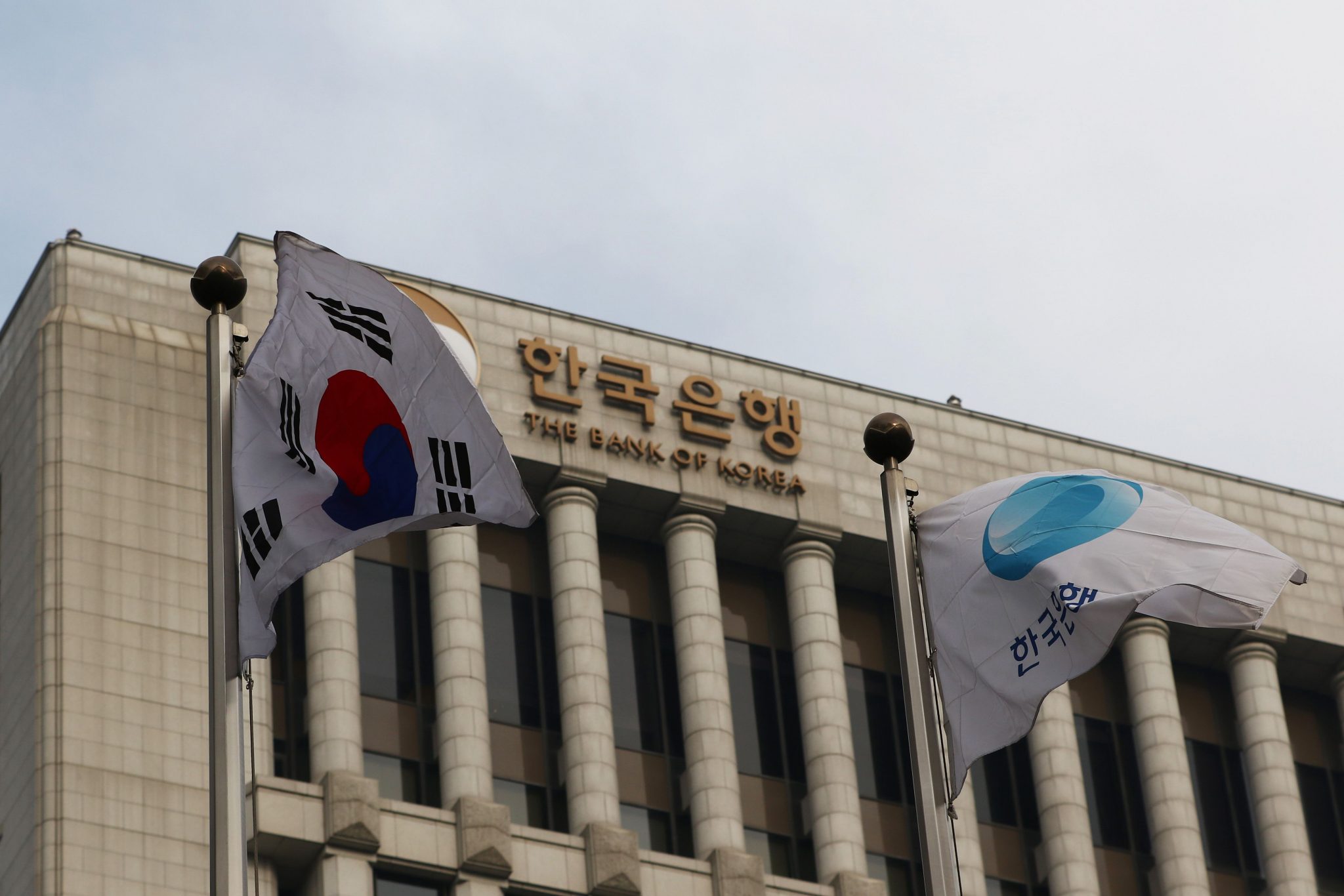
  • The Bank of Korea Just Delivered a Surprise

    The Bank of Korea Just Delivered a Surprise

    South Korea’s iShares MSCI South Korea Capped ETF (EWY) slid on June 9 after the Bank of Korea cut interest rates by 25 basis points to 1.25%. This is a record low for the Korean policy rate, which is aiming to support the government’s plan for massive debt restructuring for highly indebted firms.

    Growing risks to the economy due to slow trade recovery worldwide also drove the dovish move. EWY had risen by more than 6.5% since the beginning of the month, leading to some profit booking by traders.

    The Bank of Korea Just Delivered a Surprise

    Chinese inflation falls

    Meanwhile, consumer price inflation across China rose by 2.0% in May on an annual basis against expectations of a 2.3% rise. Prices contracted by 0.5% in May, as compared to expectations of a 0.2% decline. Chinese ETFs (FXI) (MCHI) and (ASHR) were declining on June 9, prior to closing on account of the local holiday.

    Japanese indexes continue to correct

    The Japanese Nikkei 225 corrected by nearly 1% on June 9, 2016, after machinery orders added further disappointment to the Japanese economy. Machinery orders fell by 8.2% on a year-over-year basis in April, as compared to forecasts a 2% decline.

    Relatedly, the unemployment rate in the Philippines rose in the second quarter to 6.1%, despite the 5.8% rate last quarter. Thai (THD) consumer confidence in May came in marginally lower at 72.6, while retail sales in Indonesia came in slightly below estimates of 11.1% at 10.4%.

  • Bank Indonesia Reduces RTGS to Rp100 mn

    Bank Indonesia Reduces RTGS to Rp100 mn

    Bank Indonesia will reduce the minimum limit of fund transfer through the instrument of “Real Time Gross Settlement” (RTGS) to Rp100 million from Rp500 million at present. The new limit would be effective as from July 1, a Central Banks Executive Director Bramudija Hadinoto said on Monday, June 7, 2016.

    The reason for the cut is that the Central Bank wants transfer of fund larger than Rp100 million is allowed for certain appropriation as fund larger than Rp100 million is already put in the category of non retail fund. RTGS is an electronic transfer system at real time. The central bank has two systems of fund transfer — RTGS and clearing systems. RTGS transfer is done at once and clearing take a process of two hours .

    The cut in the minimum limit of fund transfer through RTGS, is expected to result in an increase in frequency of transfers to 55,000 times from normally 39,000 times a day from and clearing transactions are expected to decline in frequency from 470,000 times to 450,000 times day.

  • Thai Kasikornbank to cut retail and overdraft lending rates

    Thai Kasikornbank to cut retail and overdraft lending rates

    Kasikornbank Pcl, Thailand’s fourth-largest lender, will cut its minimum retail and minimum overdraft rates by 25 basis points (bps) on April 25, it said in a statement.

    The cut, which follows similar move by Bangkok Bank on Thursday, is aimed at helping the bank’s small and medium-sized (SME) business and retail customers who have been hit by the slowing economy, the bank said.

    Kasikornbank is among the top four lenders that cut their minimum lending rate (MLR) by 25 bps on April 5.