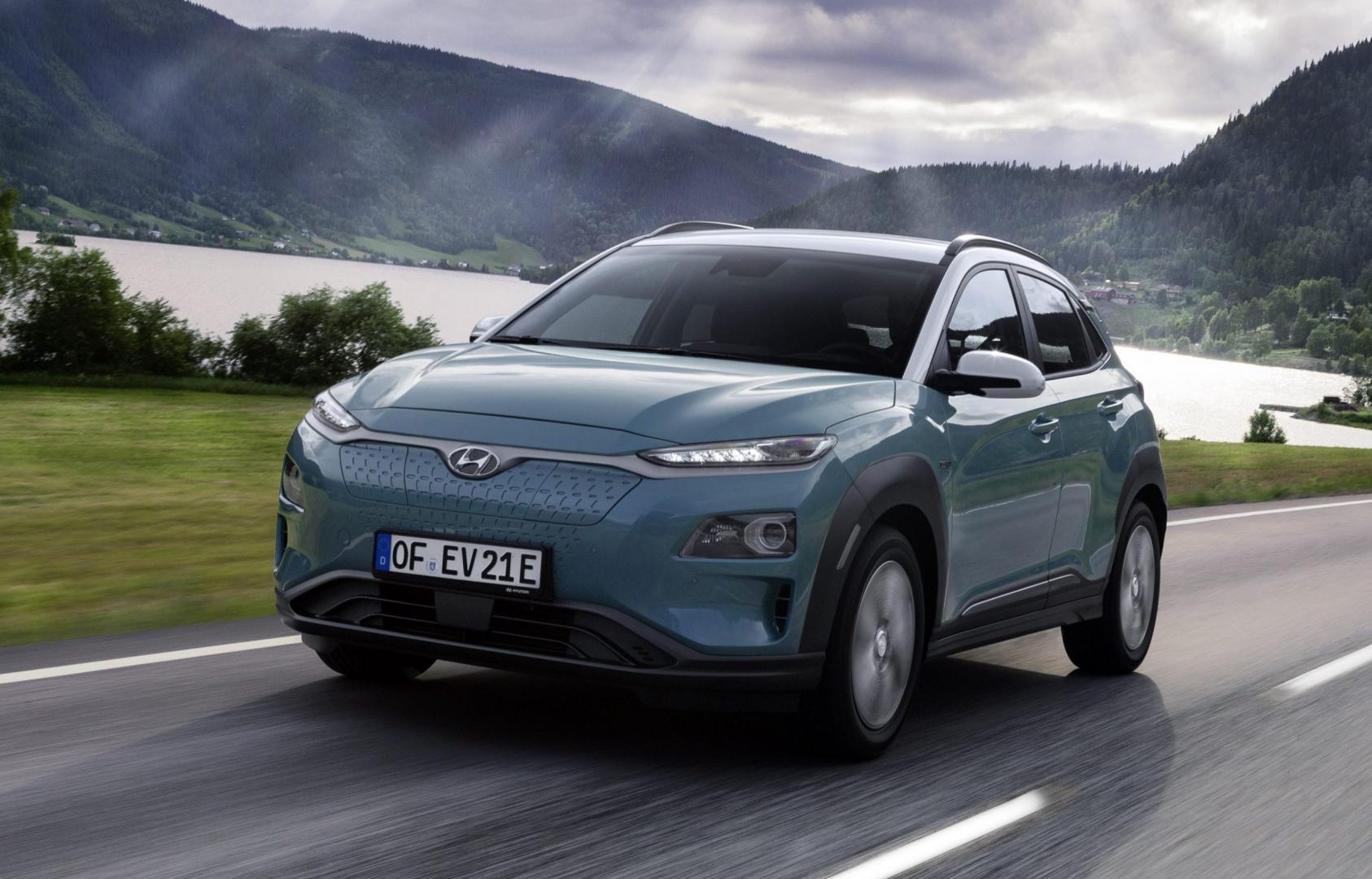
Beijing Hyundai launches its Ioniq V electric sedan in China on September 29. Pricing starts at 119,900 yuan ($17,770) to compete with domestic battery-electric rivals.
Buyers can choose from three variants topping out at 139,900 yuan. That entry price targets China’s most price-sensitive automotive segment as the carmaker fights to recover lost market share.
Local Design and Hardware Specifications
Engineers at Hyundai’s China design center led development of the vehicle. It is the brand’s first mass-produced Ioniq model built specifically for the mainland ahead of planned exports overseas. The production car derives from the Venus Concept shown at the Beijing Auto Show in April. Built on Hyundai’s E-GMP platform, the fastback body measures 4,900 mm long, 1,890 mm wide, and 1,470 mm tall on a 2,900 mm wheelbase. It features frameless doors and eight exterior paint options.
Power comes from single-motor rear-wheel drive systems rated at 140 kW or 168 kW. Contemporary Amperex Technology Co. Ltd supplies the lithium iron phosphate battery packs in 53.5 kWh and 66.8 kWh capacities. These packs deliver a CLTC driving range between 520 km and 650 km. An 800-volt electrical architecture enables high-voltage fast charging.
Chinese Tech Integration in the Cabin
Beijing Hyundai replaced its global software stack with local digital suppliers to match domestic expectations. Inside, the cockpit runs on Qualcomm’s Snapdragon 8295 processor. It mounts a 27-inch 4K ultra-slim display alongside a projection heads-up system. Infotainment voice processing integrates artificial intelligence large language models from Baidu’s Ernie Bot and ByteDance’s Doubao.
Highway driver-assist software comes through a partnership with Chinese autonomous driving startup Momenta. The system supports Level 2-plus automated driving functions on highways. That setup addresses mainland buyers who abandoned foreign joint venture brands over laggy cockpits and basic navigation software.
The Stakes for Hyundai in China
Foreign automakers in China face shrinking volume as domestic rivals like BYD capture market share through vertical integration and rapid software development. Hyundai chose to outsource critical infotainment and assisted-driving components to Chinese vendors. That decision moves away from proprietary global tech stacks that failed to attract younger local buyers.
Pricing pressure sits squarely in the 120,000 to 140,000 yuan bracket. That space is crowded with established Chinese pure-electric and plug-in sedans operating on razor-thin gross margins. An 800-volt architecture at 119,900 yuan provides a strong headline specification. Even so, retail execution depends on whether consumer perception of the joint venture brand can recover in Tier 1 and Tier 2 cities.
The Path to 2030 Volume Targets
The rollout follows a restructuring of Hyundai’s Chinese manufacturing footprint, which shed excess capacity when Changan took over an assembly plant in late 2025. Hyundai formally restarted its local product strategy in April with the launch of the Ioniq sub-brand. Pre-sales for the Ioniq V began at the Chengdu Auto Show in August.
Deliveries after the September 29 launch will test the first phase of Beijing Hyundai’s five-year turnaround roadmap. The joint venture plans to roll out 20 battery-electric and extended-range models over the next five years, targeting annual China sales of 500,000 vehicles by 2030.