Retail News CRM

Tag: iphone 11

  • Apple’s iPhone 11 Pro is unlikely to catch up to the best Androids

    Apple’s iPhone 11 Pro is unlikely to catch up to the best Androids

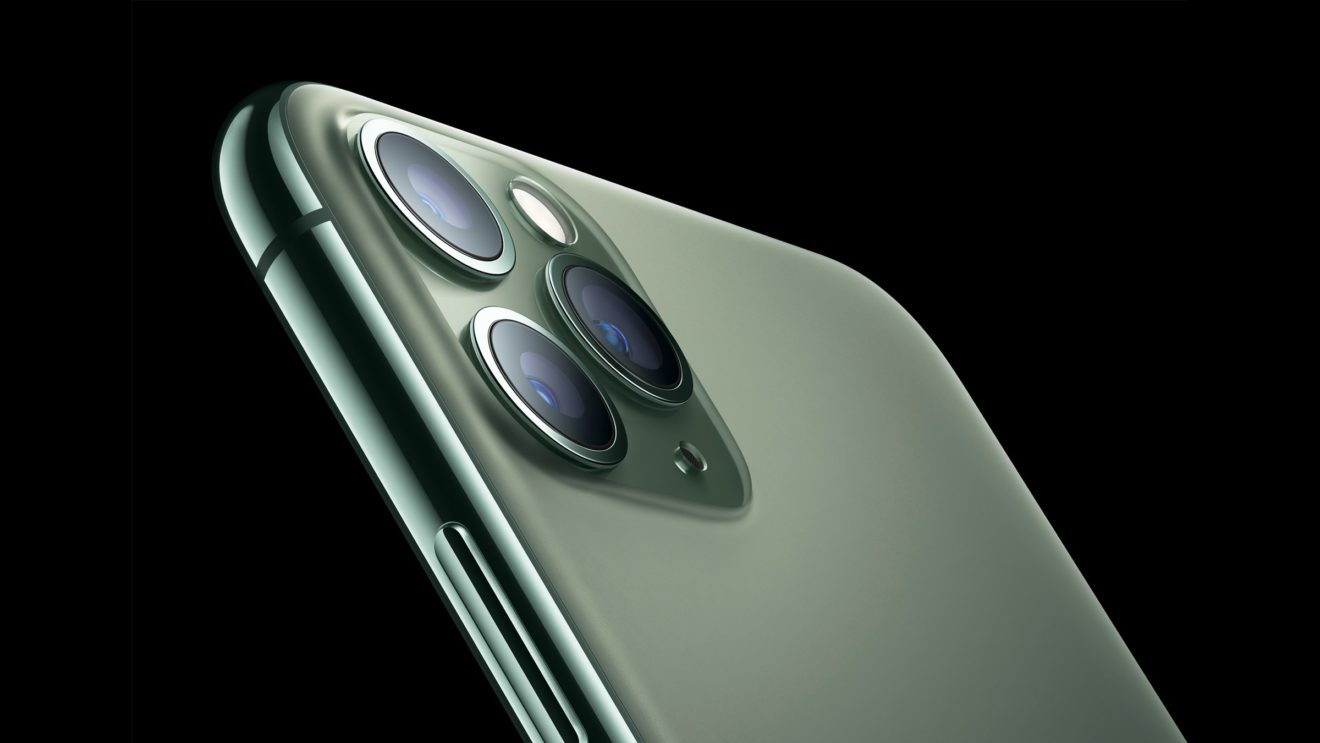
    Apple doesn’t like to hype the specifications of its new devices much, focusing more on the real-life capabilities and features enabled by various display, camera, processor, or battery upgrades than things like resolution, clock speed, cell size, or memory count. But theoretical numbers often correlate with the concrete user experience, which is why it’s definitely important to know what the hot new iPhone 11 Pro and 11 Pro Max can do in terms of 4G LTE speeds, for instance.

    Unsurprisingly, no cellular speed tests were performed on stage at the September 10 launch event in Cupertino, while the official iPhone 11 Pro spec sheet keeps things as vague as always, listing Gigabit-class LTE support with 4×4 MIMO and LAA for “all models.” That’s all iPhone 11 Pro and Pro Max models, mind you, with the “regular” iPhone 11 listed as including slightly humbler Gigabit-class LTE technology with 2×2 MIMO.

    In case you’re wondering, the iPhone XS and XS Max also came with “Gigabit-class” LTE modems and 4×4 MIMO, while the iPhone XR featured a similarly downgraded 2×2 MIMO (multiple input, multiple output) antenna design in combination with a generic Gigabit-class LTE chipset. That seems to suggest nothing has changed, but according to one company specialized in independent evaluations of download and upload speeds, that might not be the case after all.

    Based on nationwide data collected from August 9 to September 9, the LTE modems inside Apple’s latest high-end handsets make the iPhone 11 Pro and iPhone 11 Pro Max faster than last year’s XS and XS Max by an average of around 13 percent. To reach that conclusion, SpeedSmart examined all big four carriers, also declaring T-Mobile the best of the bunch for both downloads and uploads, closely followed by Verizon. AT&T ranked third at a substantial distance, with Sprint dead last (as usual) and pretty much impossible to include in the same league as T-Mobile, especially in terms of upload speed.

    Talking numbers, it looks like you can expect the iPhone 11 Pro to reach anywhere between 37 and 49 Mbps in downloads, up from 32 to 42 Mbps for the XS and XS Max. Of course, these are theoretical nationwide averages, so depending on where you live… and about a dozen other factors, your real-world figures will often be significantly lower.

    Another thing we need to highlight is that it’s not entirely clear where SpeedSmart got its iPhone 11 Pro and 11 Pro Max units from to be able to perform these tests starting August 9. After all, the handsets are only scheduled to go up for pre-order on September 13, with deliveries kicking off 7 days later. Now, we’re not saying these tests didn’t happen, but it might be wise to wait and see if other sources confirm the data and apparent LTE improvement.

    It’s obviously hard to answer that question without relevant data provided by the same company, but it just so happens that OpenSignal released a very comprehensive report on this topic earlier this week. In it, the iPhone XS and XS Max were ranked a shameful 47 and 43 respectively for US download speeds, with averages of between 25 and 26 Mbps. That’s lower than what SpeedSmart got in the last month, but even assuming the latter’s 13 percent upgrade would translate into a 13 percent iPhone 11 speed bump in the former’s rankings, that’s not enough to challenge the OnePlus 7 Pro, LG V35 ThinQ, Samsung Galaxy S10+, and the rest of the Android heavyweights.

    In other words, Apple still has plenty of catching up to do as far as LTE capabilities are concerned. Then again, the next iPhone generation could make the 5G jump en masse, possibly leveling the field all of a sudden if Apple and Qualcomm can bury the hatchet. Until then, it will be interesting to see if the cheaper iPhone 11 is moderately upgraded too. While insiders pointed in that direction several times over the last few months, we’ll have to wait for a different set of tests to confirm or refute that particular rumor.

    For what it’s worth, the iPhone XS and XS Max can typically upload stuff on 4G at a pretty decent pace, and according to SpeedSmart, the mysterious new LTE modems on board of the iPhone 11 Pro and Pro Max deliver a solid improvement in that area as well, which might be enough to close the gap to Huawei, OnePlus, and Google reported by OpenSignal.
  • Apple seems to have revealed the date of its iPhone 11 event

    Apple seems to have revealed the date of its iPhone 11 event

    Less than two weeks after the iPhone 11’s release date was seemingly revealed, an iOS 13 screenshot found within the latest beta version appears to confirm when Apple will be announcing its next-gen devices.

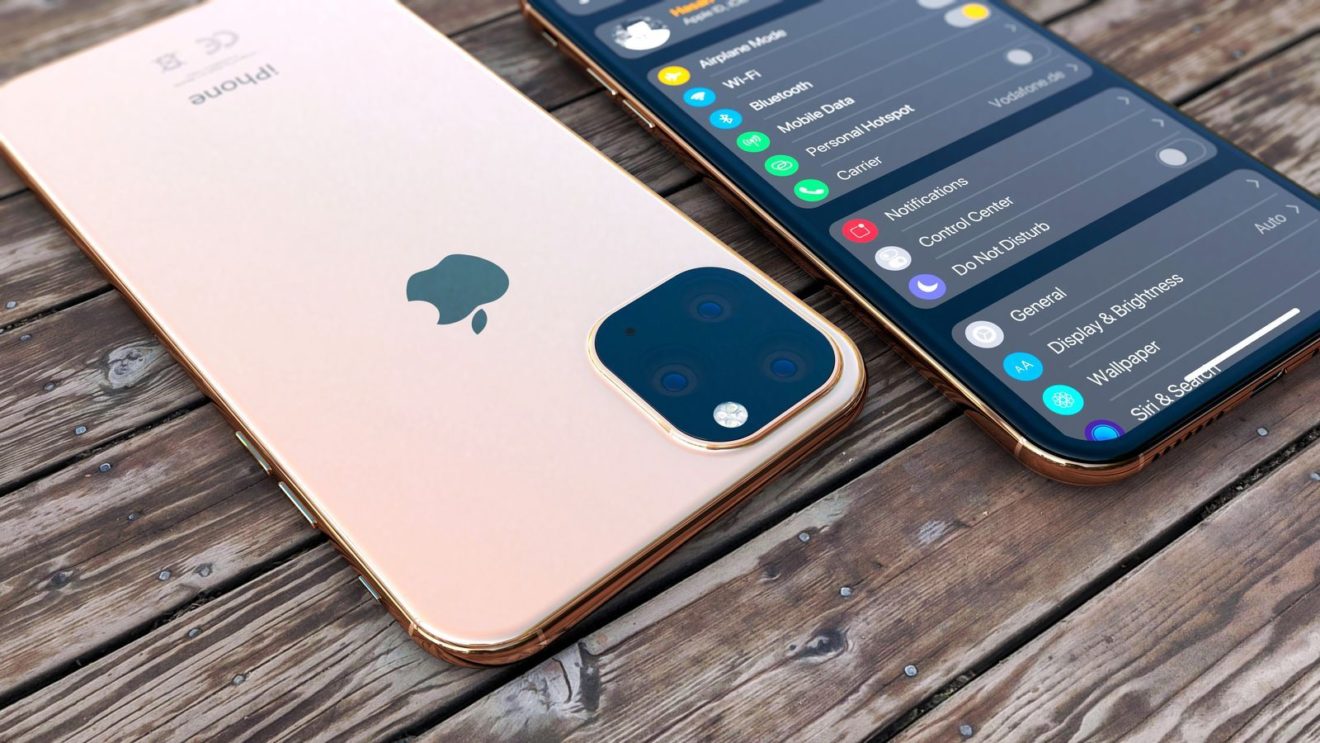
    The screenshot is named “HoldForRelease” and features the Calendar app with the date clearly set to Tuesday the 10th. The month isn’t displayed but the day lines up perfectly with September, which itself coincides with Apple’s usual announcement schedule. Lending further credence is the fact a similar screenshot was found in one of Apple’s iOS 12 beta releases last year which showed September 12th, the date that was subsequently confirmed for the iPhone XS and iPhone XR introductions.

    Considering the iPhone 11 series is now expected to debut on Tuesday, September 10, pre-orders for Apple’s upcoming trio of devices will likely commence on Friday, September 13. The actual launch, on the other hand, should happen on Friday, September 20. This coincides perfectly with the previously reported release date.

    On an unrelated note, an iPadOS 13 screenshot showing the same date was also spotted. Apple has been rumored to be planning the debut of a new 10.2-inch iPad alongside its next-generation iPhones and this image suggests this will indeed be the case.

    If Apple sticks to its typical iOS launch schedule, the upcoming iOS 13 and iPadOS 13 releases will be made available to download for devices such as the iPhone 8, iPhone XS, iPad Pro (2018), and iPad Air (2019) on Monday, September 16. However, today’s findings suggest this may not be the case.

    Another pair of iOS 13 and iPadOS 13 screenshots which are destined to be used on older devices show the Calendar display Monday the 23rd. This is one week later than expected and ultimate suggests Apple may be giving its developers an extra week to ensure everything’s in working order on previous-gen products. After all, unlike iOS 12 which was largely bug free, iOS 13 and iPadOS 13 beta releases have been plagued with issues since the beginning, many of which are still unresolved.

    The downside to this move is that iOS 13 and iPadOS 13 will be exclusive to the iPhone 11 series and 10.2-inch iPad (2019) for roughly three days because these are all set for release on Friday, September 20, as mentioned above.

    The upcoming iPhones have been consistently referred to as either the iPhone XI or iPhone 11 lineup over the course of the past year but a reliable tipster recently suggested Apple’s final names may be slightly different. Specifically, they mentioned the ‘Pro’ moniker but left quite a bit of room for speculation because they didn’t elaborate on the matter.

    The most logical strategy would be the creation of two very separate lineups. The successor to the iPhone XR could be marketed simply as the iPhone (2019) while the iPhone XS and XS Max replacements could be called the iPhone Pro (5.8-inch) and iPhone Pro (6.5-inch).

    An alternative strategy which was recently mentioned by a case maker would also make sense, although the names would ultimately be more clunky. In this case, the 2019 iPhone XR would be branded as the iPhone 11 and the iPhone XS’s successor would be called the iPhone 11 Pro. Meanwhile, the 6.5-inch model could land as the iPhone 11 Pro Max.The final possibility is perhaps the most straightforward one of all. It’d involve the iPhone XR, iPhone XS, and iPhone XS Max replacements being marketed as the iPhone 11R, iPhone 11, and iPhone 11 Pro respectively.

  • Apple iPhone 11 suppliers are reporting low component orders

    Apple iPhone 11 suppliers are reporting low component orders

    Despite recently setting a revenue record for the April-June quarter, Apple’s iPhone business hasn’t been doing too well lately. The arrival of new iPhones in September will inevitably help improve the situation but suppliers are receiving low orders for the iPhone 11.

    Citing “industry sources,” today’s report says the order momentum for touch panels and other iPhone components has so far “been weak.” Apple is currently gearing up for mass production but the “low order visibility” ultimately suggests the company is forecasting combined iPhone 11 sales that could either be on par or below those of the iPhone XS and XR devices.

    Bloomberg recently reported a similar situation. According to Mark Gurman, Apple has ordered an initial batch of 75 million combined iPhone 11, iPhone 11 Max, and iPhone 11R units. The figure is roughly the same as a year earlier and suggests Apple is preparing for flat year-on-year sales. But if everything goes to plan, overall revenues should be up thanks to better performance by the Wearables, iPad, and Mac businesses.

    Apple often diversifies its supply chain as much as possible but this year it’s expected to take things to the next level in light of the current trade war between the US and China. Because of this, there’s no guarantee these reports about orders paint the entire picture. However, considering the iPhone 11 lineup isn’t expected to bring any groundbreaking changes, there’s also no reason to believe there will be a sudden boost in demand.

    For those of you that aren’t yet aware, all 2019 iPhone models will be virtually indistinguishable from their direct predecessors when it comes to the front panel. Reports suggest Apple has plans to retain the 5.8-inch and 6.5-inch OLED displays used on last year’s iPhone XS series and the 6.1-inch LCD found on the iPhone XR. As a direct result of this, Apple’s controversial notch will remain unchanged for another year.

    Despite the lack of physical changes upfront, reports suggest there will be some important upgrades. Specifically, the 7-megapixel selfie camera will be replaced by an all-new 12-megapixel sensor and Face ID will benefit from updated components that’ll allow it to work at shorter distances and wider angles. It is, however, still unclear if Apple’s new Face ID system will support horizontal or upside-down unlocking like the upcoming Pixel 4.

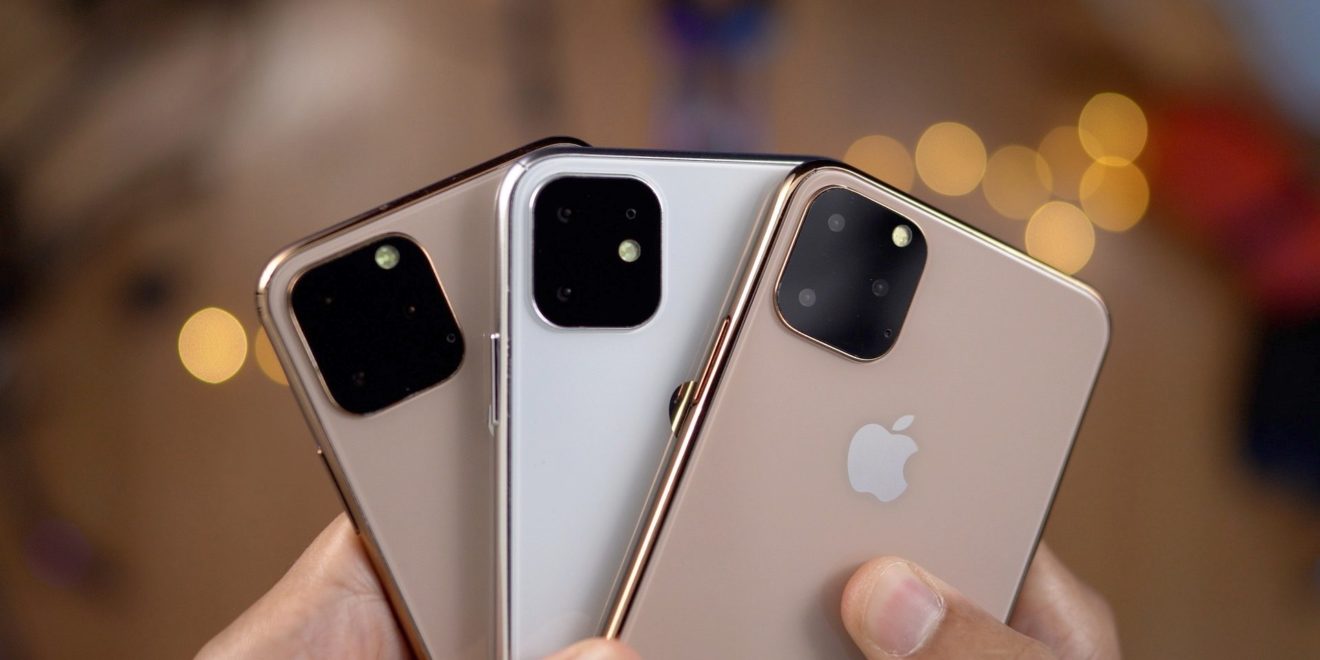
    Moving over to the rear, numerous leaks suggest Apple will be adopting a totally redesigned camera setup. Both the iPhone 11 duo and the iPhone 11R will feature square-shaped modules in the top-left corner which house the new cameras. All three smartphones will feature a main 12-megapixel sensor and a second one of the same resolution that boasts a 2x telephoto zoom lens. These shouldn’t differ too much from the iPhone XS cameras.

    To help make the iPhone 11 and iPhone 11 Max more competitive, Apple is also planning a third camera. This sensor should also offer a 12-megapixel resolution but it’ll reportedly arrive paired with a new super-wide-angle lens that’ll permit a new feature called Smart Frame. This captures the area around the framed area in pictures and videos, therefore giving users the ability to adjust framing or perform crop corrections after a photo has been taken. The extra information will be retained for a short period of time and eventually deleted automatically.

    The iPhone 11 series is expected to go official in early September alongside the Apple Watch Series 5 and 10.2-inch iPad. Pre-orders are expected to kick off Friday, September 13. As for the release date, Apple’s previous launch schedules suggest the new models will be available on Friday, September 20.