Tag: iphone 12

  • iPhone 12 Pro, Pro Max out of stock in Vietnam

    iPhone 12 Pro, Pro Max out of stock in Vietnam

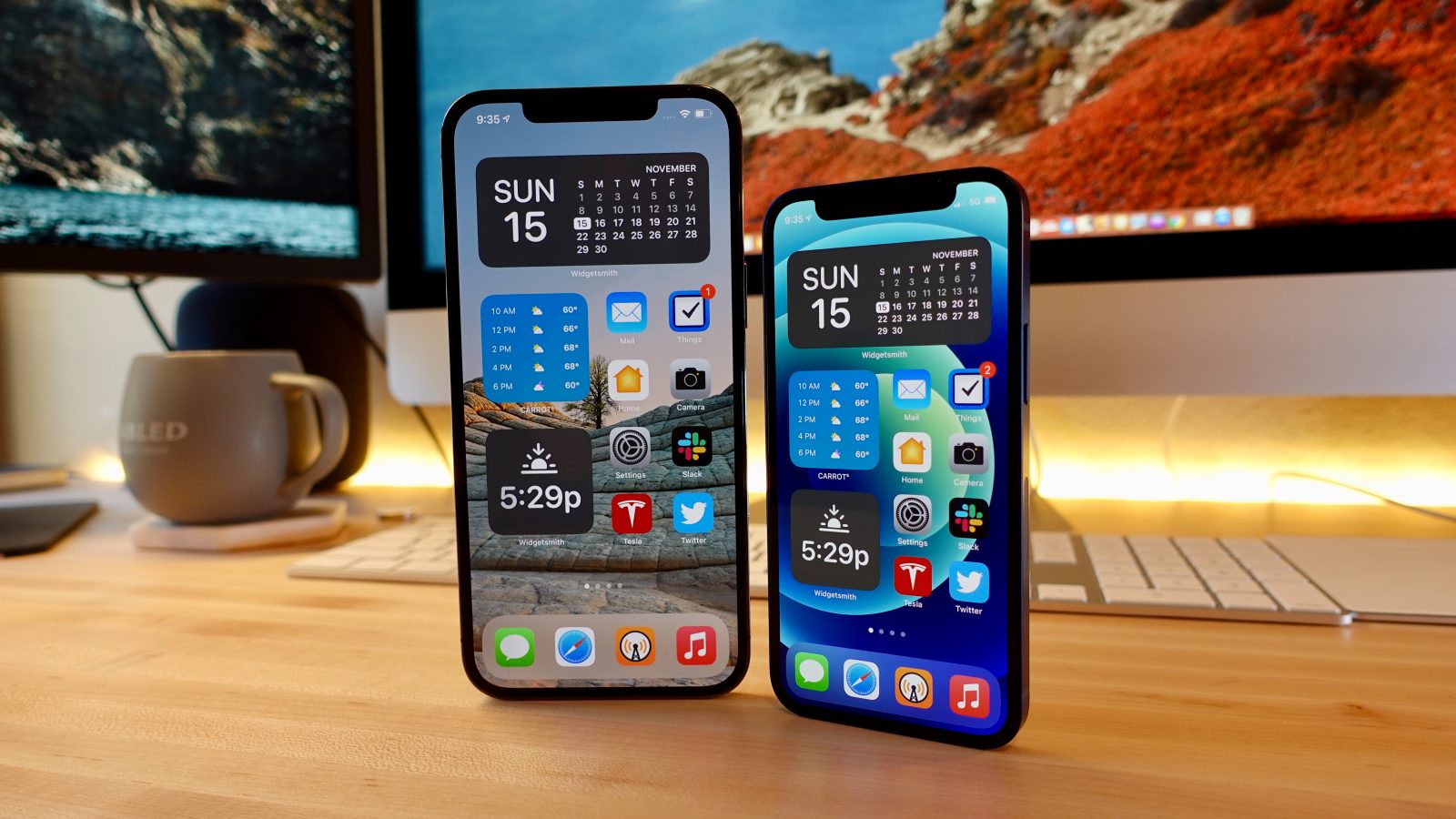
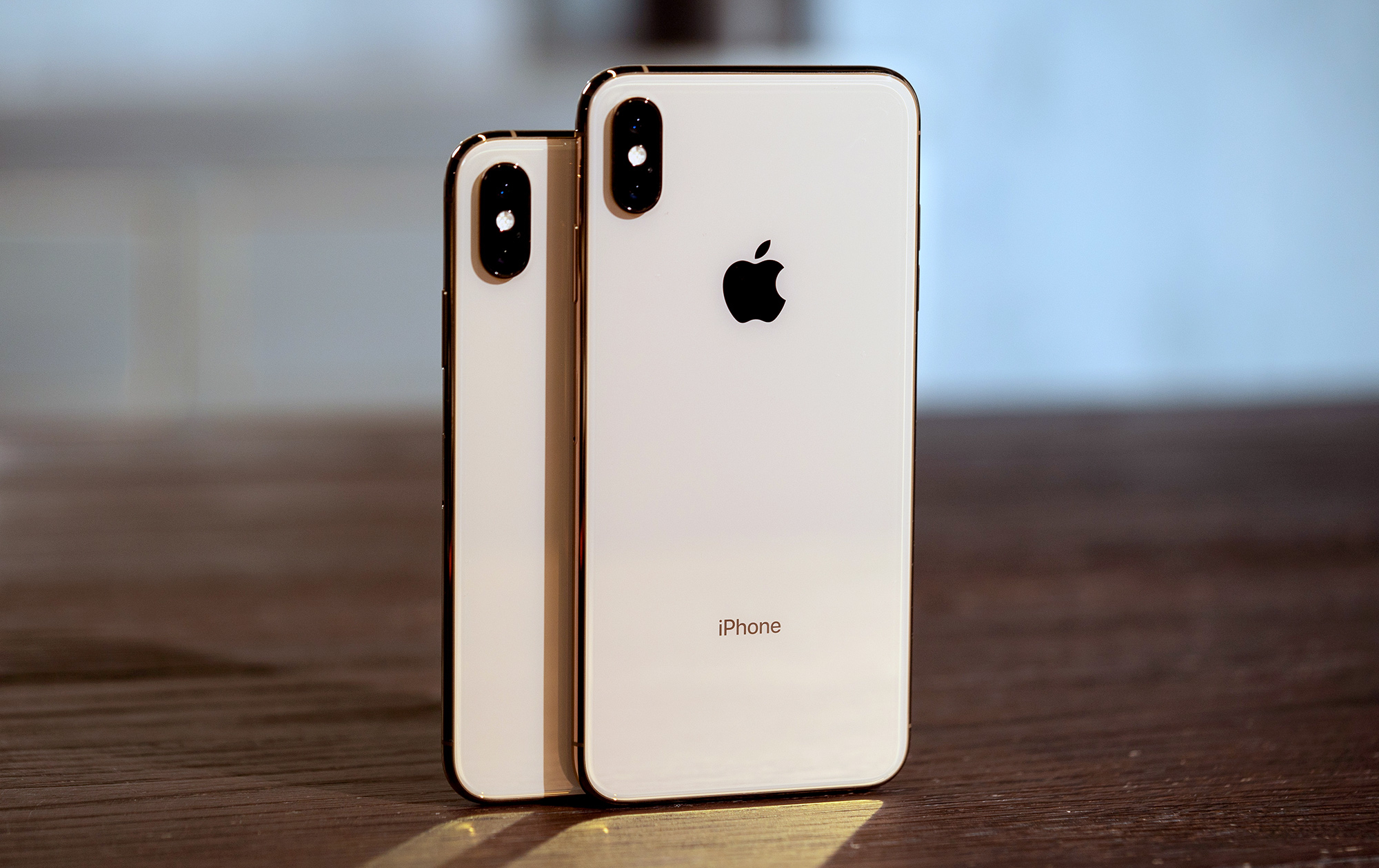
    Major iPhone authorized resellers in Vietnam have stopped importing iPhone 12 Pro and Pro Max models, seeking to boost iPhone 13 sales.

    “Most retail chains told me iPhone 12 Pro and Pro Max are out of stock. Some chains still sell them but in only a few stores,” said Que Chi in Hanoi.

    The salespeople she talked to all referred her to the new iPhone 13 models, which are readily available.

    iPhone 12 Pro Max, the best-selling iPhone model in Vietnam last year, is now marked as “out of stock” on the websites of major retail chains.

    A media representative of FPT shop said iPhone 12 Pro and Pro Max are sold out and the chain does not plan to import more.

    The same comment was given by other chains like ShopDunk and Minh Tuan Mobile.

    Although there is still high demand for these products in Vietnam, most buyers now only have the option to buy used phones or pay more for the latest iPhone 13, a media representative of Minh Tuan Mobile said.

    Nguyen Lac Huy, the media representative of CellphoneS, said the chain still has iPhone 12 Pro and Pro Max but in low quantity.

    “We cannot buy more as Apple does not have plans to continue production of these models.”

    iPhone 12 Pro Max with a storage of 128 gigabytes is being sold at around VND28.5 million, while the iPhone 13 Pro Max with the same storage is on sale for just VND2 million higher, which explains why distribution chains are focusing on the newer model.

  • Food poisoning and protests shut Foxconn plant building iPhone 12 5G in India

    Food poisoning and protests shut Foxconn plant building iPhone 12 5G in India

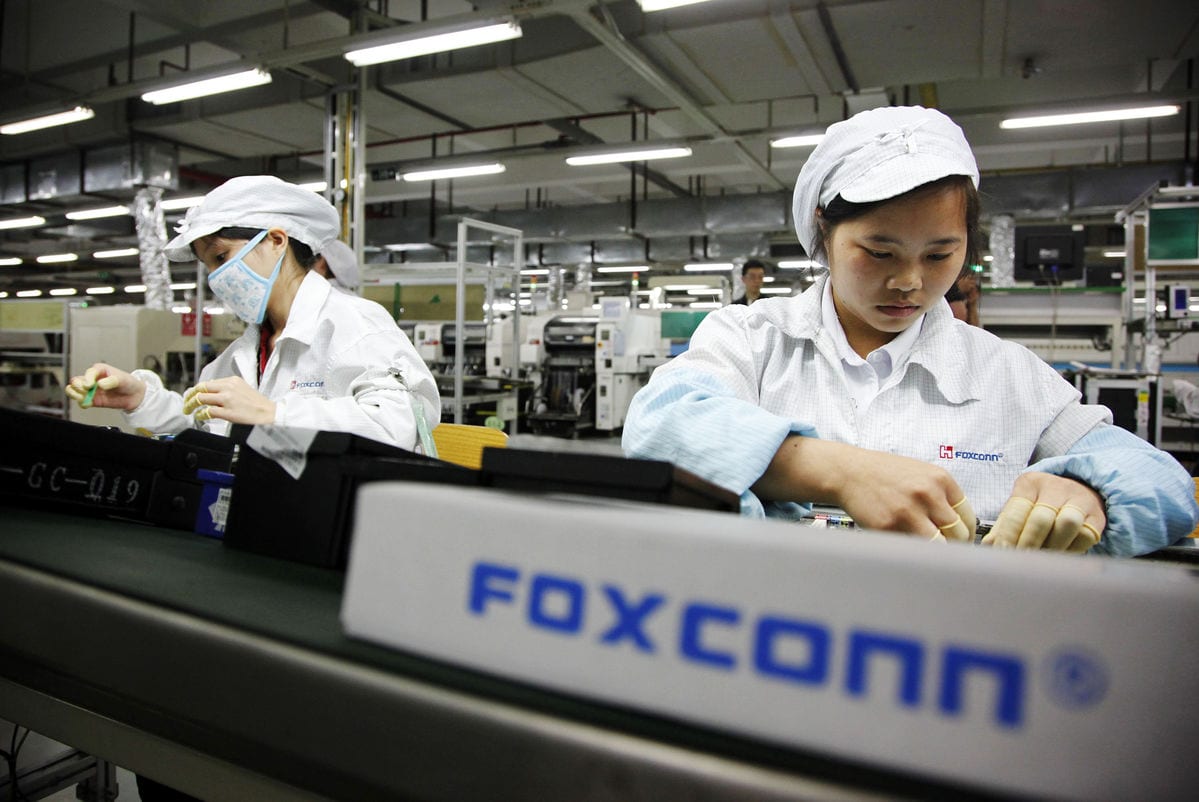
    News that the Foxconn factory near the city of Chennai in Southern India has closed means that iPhone production in the country will be negatively impacted. The plant churns out iPhone 12 models and factory workers have suffered through a bout with food poisoning which will leave the assembly lines shut down for the remainder of the week. With 150 employees in the hospital, the healthy workers started to protest the incident which also disrupted production.

    A senior official at the directorate of industrial safety and health in Tamil Nadu (which calls Chennai it’s capital) said, “The factory has been shut since Saturday and will be shut till coming Sunday.” Confirming the shutdown, two more senior state officials reiterated that the plant is not running.

    Protesters were arrested after blocking an important highway following the food poisoning incident. Yesterday, those arrested were released. While the factory, as we noted, currently produces the iPhone 12, Apple has been testing iPhone 13 assembly at the facility, and with the factory closed, that testing has been stopped.

    The decision to close the plant was made by Foxconn according to a police officer from the office of the Superintendent of Police in Kancheepuram. This police officer also said that employees at the factory who have been complaining for months about food poisoning and other issues should lodge their complaints with the state labor ministry.

    According to Navkendar Singh, India research director at market research firm IDC, “The impact on Apple is expected to below as it is a lean period … until at least February. In (the first half of 2022) we expect sales to pick up from new product launches and much-needed easing of supply chain issues.” Besides the iPhone, the factory also manufactures the Amazon Fire Stick and some devices for Xiaomi.

    This is the second incident in India over the last year that saw worker unrest at a factory that builds Apple products. Last December, a Wistron factory hosted a riot when 2,000 workers complained that they did receive their wages, and the incident caused $60 million in damages.

    India is the second-largest smartphone market in the world after China and the three contract manufacturers building the device for Apple, Foxconn, Wistron, and Pegatron, have budgeted $900 million over five years to make iPhone units in the country. But because India is a developing market, Apple has focused its Indian production of the iPhone on less expensive older models.

    Apple also plans on building some iPad tablets in India as the country, along with Mexico and Vietnam, have become alternative supply chain centers for Apple as the company seeks to lessen its reliance on factories in China. Apple is afraid that with tensions between the U.S. and China so high, getting access to factories based on the mainland won’t always be a sure thing.Those employees working on the assembly lines usually pay some of their wages for room and board in facilities found near the factory. The riot last year started when Wistron promised an engineering graduate Rs 21,000 ($285) per month, but instead, he was paid Rs 16,000 ($217) the first month which was reduced to Rs 12,000 ($163) over the last three months.

    Considering that Foxconn workers, like the ones toiling for Wistron, are paying their employer for food, the fact that many of them contracted food poisoning was enough of an issue to spark the protests that shut down the highway near the factory, and the factory itself.

    Apple had to get involved in last year’s riot because of the damage to the equipment at Wistron’s factory. This year, it appears that Foxconn was able to keep its production facilities intact.

  • iPhone 12 mini fails to enthuse Vietnamese customers

    iPhone 12 mini fails to enthuse Vietnamese customers

    The iPhone 12 mini is ostensibly the least popular of Apple’s four new smartphones in Vietnam, with consumers apparently preferring bigger and more expensive models. Data from four major smartphone distributors shows that of 30,000 inquiries made about the four new iPhone 12 models Apple unveiled last month, less than 10 percent were about the mini.

    Half was for the Pro Max, the largest and most expensive model, and 64 percent costlier than the mini.

    Since they are not officially in Vietnam yet, they are sold at a premium by individual sellers who buy them in places like Singapore and Hong Kong.

    But many said they do not import the mini because there is almost no demand for it.

    A smartphone seller in District 10, Ho Chi Minh City, who asked not to be identified, said most iPhone 12 buyers now in Vietnam are affluent people who want to own one early and often buy the most expensive models.

    Sellers also said the small screen and low battery capacity of the mini are also negatives.

    Most stores in Hanoi and HCMC have the iPhone 12, iPhone 12 Pro, and iPhone 12 Pro Max, and customers have to pay VND20-21 million ($862-905) in advance if they want the mini.

    “Some women buyers are interested in the mini, but I tell them to wait for another two weeks for the official release,” Nguyen Hoang, owner of a store in Hanoi, said.

  • Apple is working hard to avoid iPhone 12 leaks next year

    Apple is working hard to avoid iPhone 12 leaks next year

    Some companies embrace leaks completely while others use them as a marketing tool. Apple, on the other hand, belongs to a separate group of entities which absolutely hates leaks and ultimately takes them very seriously. Now, according to a report by The Information, the Silicon Valley-based brand is ready to move its leak prevention measures to the next level.

    Although Apple has always taken leaks very seriously, things took a drastic turn six years ago in the summer of 2013. Just months before the iPhone 5c’s official debut, thousands of shells for the smartphone were stolen out of a Chinese factory by an employee. The latter was helped by a security guard who helped him avoid security cameras while he drove a large truck out of the building.

    The incident apparently forced Apple to buy back a whopping 19,000 stolen iPhone 5c enclosures in a bid to avoid a stream of leaks. This wasn’t enough, however, as the components soon appeared online and revealed the smartphone’s design in the process.

    As a direct result of it all, Apple created the New Product Security Team soon after. Referred to more commonly as NPS, the team of people monitors security at Apple’s global suppliers and ultimately tries to put a stop to leaks, something it has done pretty successfully. In 2014, the company reported 387 stolen iPhone enclosures but this number quickly dropped to 57 the following year and then to just four in 2016. In one instance, NPS uncovered an attempt by factory employees to build a tunnel and smuggle out components.

    In recent years, more leaks have originated from inside Apple’s Cupertino headquarters than from international suppliers. This has allowed the company to reduce the size of its NPS team slightly and instead subcontract some of the work to others. Nevertheless, Apple is now facing an entirely different issue.

    As Apple and other companies have gradually gained more control over physical component leaks, electronic leaks have become noticeably more frequent. Schematics and CAD-based render often provide a glimpse at upcoming smartphones months ahead of their debut, but things undoubtedly reached a new peak for Apple this year.

    Just four months after the iPhone XS was released and a whopping eight months ahead of the next iPhone’s announcement, tipster Steve Hemmerstoffer got his hands on files which showcased both the iPhone 11 and a separate prototype. The flagship’s design is yet to be confirmed officially but the leak is undoubtedly one of Apple’s biggest and most premature yet.

    In light of this, Apple has now shifted resources to preventing digital leaks. It has a team inside its headquarters leading the efforts but has also set out a number of guidelines for suppliers which it refines whenever necessary. For example, physically separate computer networks must be operated by suppliers at all times. Additionally, CAD files are present within a secure, additional network which is present within the first. Apple also watermarks all files to discourage screenshots. Other measures include the ban of all public email services and third-party cloud services such as Google Enterprise and Dropbox.

    In the event that a leak was to occur, the supplier responsible for it must reimburse the company to the tune of $25 million and cover any costs related to the investigation. Because of this, certain suppliers have introduced upgraded security equipment including facial recognition cameras, new security cameras, and extra security guards. Interestingly enough, though, Foxconn’s current contract with Apple means it can’t be fined.