Tag: iphone 13

  • Apple begins iPhone 13 production in India plant

    Apple begins iPhone 13 production in India plant

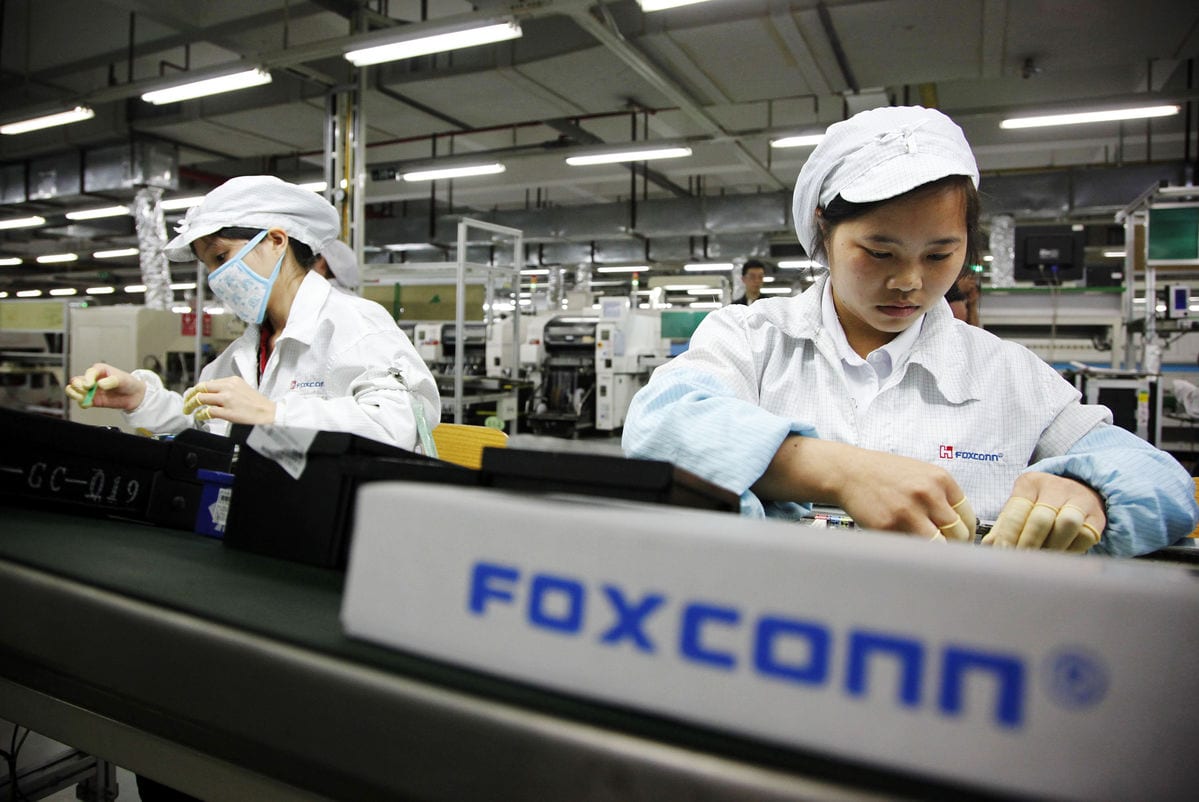
    Apple is testing out a new expansion in its iPhone 13 production near Chennai, India, in a trial contract with a Foxconn plant located in the area.

    Apple first contracted the Foxconn plant to produce the iPhone 12 5G, but recently a long-winded bout of food poisoning and ongoing protests brought about a full shutdown of the plant (ordered by Foxconn itself), negatively impacting iPhone 12 5G production in the country.

    However, neither the series of unfortunate events nor the temporary closure seems to have fazed Apple in the least, the company has already begun a test trial of iPhone 13 production in the same Foxconn plant.

    If all goes to plan, Apple plans to not only use this new plant to provide a domestic supply of the latest iPhone flagship series but will also begin exporting units internationally by February of next year.

    Even Apple has been affected by the ongoing global chip supply shortage around the world, causing some frustratingly long lead times on iPhone 13 series orders across the board—but that clearly isn’t stopping the company from continuing to expand its manufacturing facilities around the world.

    If the stint with the Foxconn plant in Chennai works out, Apple reports that it should significantly improve the global supply of the iPhone 13, as about 20-30% of iPhone production in India in general (and not just in the Chennai plant) ends up being exported internationally.

    Although iPhone sales in India have been favoring the slightly older iPhone 12 and iPhone 11 models, the iPhone 13 demand has also already proved greater than the current supply has been able to cover within the country.

    With the new domestic Foxconn plant contracted by Apple, Market tracker IDC India’s research director Navkendar Singh has reported that this should finally help cover local demand in India more efficiently, besides improving the global supply:

    “A lot of local production scaling up will depend on component availability,” he said. “The local production of iPhone 13 in India may ease a bit the low supplies in the country.”


  • Apple warns of weak demand for iPhone 13 lineup

    Apple warns of weak demand for iPhone 13 lineup

    Apple has told its parts suppliers to demand the iPhone 13 lineup has slowed, Bloomberg News reported on Wednesday, a move that signals a declining interest among consumers for the usually coveted latest upgrades.

    The company had cut production of iPhone 13 by as many as 10 million units, down from a target of 90 million, due to a global chip shortage, but now it has informed vendors even those numbers look unlikely, the report said.

    Apple’s shares fell over 3%, dragging down those of iPhone component and semiconductor suppliers Qualcomm, Skyworks, Europe’s ASML, and Infineon.

    The holiday season is Apple’s biggest quarter and typically so, for its most important product, the iPhones, which start at $699 and go as high as $1,600.

    Analysts had expected demand to remain steady for new products but lowered shipping estimates as supply-chain issues burdened the company as well as many retailers who faced inventory shortages.

    Consumers, who splurged on new phones and laptops during the peak of the pandemic as they stayed indoors, are now spending more on vacations and outdoor activities.

    “As lockdowns eased, spending returned on these experiential activities, so maybe less for the new iPhone. We believe that (iPhone) demand is likely to be pushed out in 2022,” Counterpoint Research analyst Tarun Pathak said.

    IDC analyst Ryan Reith believed it is not so much as demand for smartphones was drying up, but U.S. consumer spending was slowing due to the pandemic.

    Apple Chief Executive Officer Tim Cook warned in October that the impact of supply constraints, which cost the company $6 billion in sales in the fourth quarter, will be worse during the holiday quarter even as demand for the new lineup was robust.

  • Apple’s entire iPhone 13 family is ‘likely’ to bring a highly anticipated feature to market

    Apple’s entire iPhone 13 family is ‘likely’ to bring a highly anticipated feature to market

    While there’s clearly no room for Apple’s traditional fingerprint recognition method on modern-day high-end iPhones, the Cupertino-based tech giant has been reportedly working on adapting its classic Touch ID sensor for mobile devices with little to no screen bezels for a number of years now.

    Of course, there are no plans to abandon the increasingly sophisticated, secure, convenient, and yes, beloved Face ID technology either, with Apple instead most likely aiming to put both state-of-the-art fingerprint and facial scanning features on the same handsets… eventually.
    The return of the popular Touch ID functionality could take place later this year, at least according to several reputable sources, although other well-known analysts and trusted insiders seem hesitant the iPhone 13 family will indeed make this important leap forward.
    We know exactly what you’re thinking. Why is everyone making such a big deal out of Apple’s tardy potential adoption of a feature that’s been standard on premium Android handsets for quite some time now? Put simply, the answer is because Apple could do it better than everyone from Samsung to Huawei, LG, Motorola, OnePlus, and Google.
    Google, mind you, has been the other big holdout of the in-display fingerprint sensor movement, opting for a traditional rear-mounted biometric authentication method on last year’s Pixel 4a, 4a 5G, and 5 after experimenting with an Apple-rivaling 3D face unlock system on 2019’s Pixel 4 and 4 XL.
    In theory, that means this year’s Pixel 6 may well challenge the iPhone 13 lineup in terms of screen-embedded fingerprint recognition accuracy and reliability, but something tells us that’s unlikely to ultimately be the case.
    For what it’s worth, there are no words on how Apple’s internal testing of the under-glass Touch ID technology is going or what companies will supply the necessary parts and components to make this upgrade possible in the latest report anticipating “2H21 iPhone” changes and beyond.
    All that Barclays analysts are ready to predict today is the hidden fingerprint sensor is coming this year alongside a slightly smaller notch on all iPhone 13 models. Said notch should be able to accommodate a “more tightly integrated version of the existing structured light system”, which essentially means the Face ID feature will largely go unchanged in 2021.
    2022’s iPhone 14 roster, however, could make a radical “architectural shift from structured light to time-of-flight, allowing for an even smaller footprint.” In other words, 2022 is expected to be the year of the first iPhone with a hole punch display… if all these predictions come true.
    Speaking of time-of-flight (ToF) technology, it seems practically etched in stone that the vanilla iPhone 13 and the diminutive iPhone 13 mini will follow in the footsteps of their predecessors with no such 3D LiDAR scanner on their back.
    That, in turn, emphasizes Apple’s plan to release a compact iPhone 13 mini model even after the underwhelming sales numbers of the 5.4-inch iPhone 12 mini, as well as the pretty much guaranteed integration of the aforementioned LiDAR sensor into the quad rear-facing camera system of both the iPhone 13 Pro and 13 Pro Max.
    That obviously doesn’t mean the imaging setups of the four 5G-enabled iPhone 13 variants will be identical to the camera components of their 12-series forerunners, with important upgrades also rumored in the screen technology department and the overall design language unlikely to be radically transformed.
    It remains to be seen if Apple will indeed go the divisive portless route this year after already stirring controversy with its 2020 decision to drop the bundled charger and earphones from the iPhone 12 series boxes. If that happens, at least you have things like improved battery capacity and expanded storage space to look forward to.