Tag: iphone x

  • Retailers attack ‘unfair’ Apple South Korea practices

    Retailers attack ‘unfair’ Apple South Korea practices

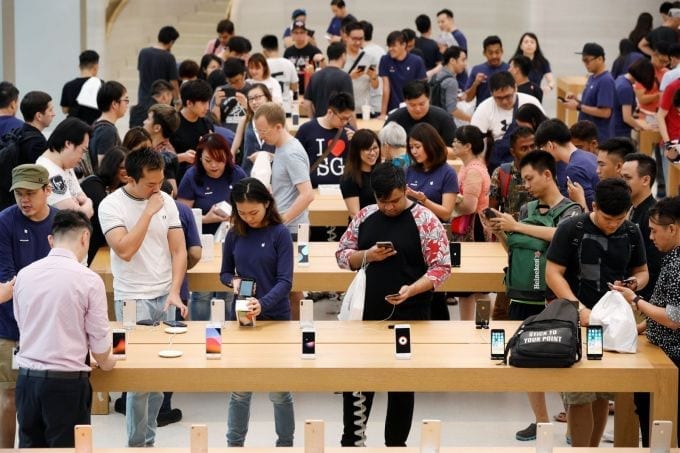
    Apple South Korea is under fire from retailers, accused of using unfair commercial practices. South Korean retailers have joined forces to confront Apple’s continuous “gapjil” — a uniquely Korean term referring to the abuse of power by someone against a person in a weaker position — that has put an increasing financial burden on their operations.

    The Korea Mobile Distribution Association has claimed in a statement that Apple South Korea had habitually forced local dealers to buy the iPhone maker’s new models for demonstration or demo phones, as opposed to other brands’ practices, putting an increasing financial burden on them, and that “they cannot stand it anymore”.

    The retailers say they had no choice but to accept Apple’s overbearing demands, since the popular iPhone’s position in the market makes it difficult to ignore, to say the least.

    It is reported that the retailers had to buy Apple’s new models including the iPhone XS, iPhone XS Max and iPhone XR, but having to buy too many new models in a short period of time and the “exorbitant prices” of the new phones resulted in a significant financial burden.

    According to the KMDA, most mobile phone manufacturers offer their new models for demonstration for free, and collect them when newer models are released. Apple, however, has imposed additional conditions regarding the brand’s new model promotion: forcing retailers to pay for the manufacturing cost of phone stands, and determining where the stands and promotional posters will be placed in stores, according to local retailers.

    Domestic mobile carriers are no exception to Apple’s overbearing position. Industry watchers say local carriers had to shoulder advertising expenses aimed to promote Apple’s new lineup. Even the costs of subsidy plans and repair fees for Apple’s phones tend to be covered by mobile carriers.

    The Fair Trade Commission ruled that Apple South Korea’s sales practices were in violation of local competition laws, and sent a review report to the iPhone maker that indicates the corresponding fines and required measures to address the company’s anticompetitive behavior. Apple has yet to respond.

  • Apple sales report doesn’t look good

    Apple sales report doesn’t look good

    Apple has been quick to point out the record-breaking revenue numbers for its first quarter.

    The Cupertino-based company reported first-quarter sales of US$88.3 billion and a record quarterly profit for the final three months of last year of $20.1 billion.

    As much as this is praiseworthy, it also masks some more worrying trends.

    First is the 1 per cent fall in unit sales of the iPhone. Although revenue for phones increased by 13 per cent, this was a function of higher prices rather than increased volume. On the surface, this may not seem like a problem, but in our view, it indicates that Apple is, once again, struggling to persuade consumers to upgrade or switch to new devices. This slowing of the upgrade cycle will likely have an impact on phone revenue in future quarters.

    Moreover, the slowdown in iPhone sales is emblematic of Apple’s inability to come up with meaningful and valuable innovations that wow consumers. Even the iPhone X is an incremental product that lacks the excitement and newness earlier models brought to market. Apple is fortunate in having a strong base of fans and many consumers who are bought into its ecosystem of services; but without device innovation, even this may prove insufficient to maintain market share in the face of rising competition.

    Mac sales disappoint

    The second area of disappointment comes from Mac sales where both volume and revenue slipped over the prior year. Admittedly, Apple is up against a comparative from last year when its new MacBooks Pros were gaining ground, but even so, this also underlines a dearth of serious innovation in the home and professional computing segments.

    We also believe that lower volumes, and the fact that Apple’s products were not at the top of everyone’s Christmas lists, put a dampener on service growth. Last quarter this segment grew by 34 per cent and by 22 per cent in the quarter before that. Over this period, the increase was a much more modest 18 per cent. Arguably, the holiday period should be a bumper time for Apple subscriptions; that it wasn’t is concerning – not least because Apple needs income from services to make up for softness in product sales.

    That Apple’s HomePod wasn’t available in time for the holidays was a misstep, not least because it could have helped boost service revenue. Our data show smart speakers and smart home devices were popular gifting and self-purchase items over November and December – with both Amazon and Google growing their market shares. Although Apple will point out its product is superior to rivals’ efforts, it is a latecomer to the party, and we believe its potential sales will be crimped as a result.

    For all of these challenges, Apple remains a solid and financially successful company. Indeed, its profits increased over the period. However, a lack of serious and significant innovation means it runs the risk of diluting future earnings. Apple thrives off serving a mass market; a move to providing more expensive items to fewer people will ultimately prove harmful to the bottom line.

    In essence, we believe that the clear blue water that once existed between Apple and rivals is much diminished. The company has time to reopen the gap, but to do so, it needs to pull something new and unique out of its hat sooner, rather than later.

    -Neil Saunders-

  • The most expensive, in-demand phone in China right now isn’t the iPhone X

    The most expensive, in-demand phone in China right now isn’t the iPhone X

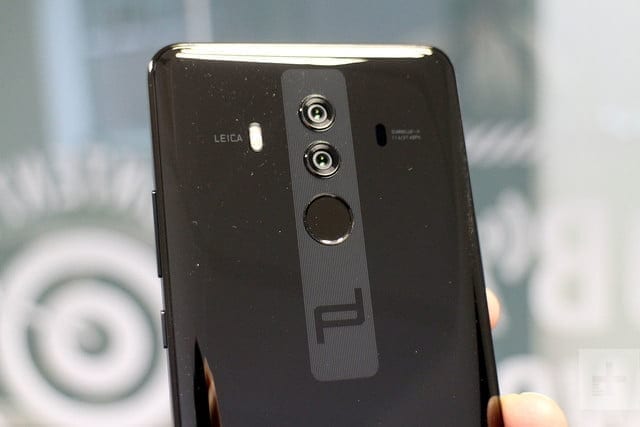
    Even if you don’t intend to buy one, there’s a good chance you know how much the iPhone X costs, due to its $1,000-plus price gaining plenty of attention. Despite being one of the most expensive phones you can buy, it’s apparently not the one that’s most expensive, in-demand phone in China right now. That dubious honor goes to Huawei, and its Porsche Design-branded spin-off of the Mate 10 Pro.

    Even at standard retail price the Huawei Mate 10 Pro Porsche Design is more expensive than the iPhone X, but a high degree of demand has seen prices double, as people clamor to get their hands on the phone. In China, the Porsche Design version costs 9,000 yuan, or about $1,370 at today’s exchange rate. That’s if you can find one for sale at all.

    The limited edition phone has found plenty of buyers, and its rarity is pushing prices on the resale market up. Online retailers are selling the phone for between 18,500 yuan and 27,000 yuan, or $2,800 and $4,100. By comparison, the iPhone X is readily available on Taobao and JD.com for around 9,000 yuan, only slightly more than its official, cheapest retail price.

    A retailer selling the Mate 10 Pro Porsche Design on Chinese online site Taobao said he has received many enquires for the device, but few have been able to actually buy it. A 38 year-old who tried, but ultimately failed, to buy the phone through the official Huawei sales channel said the phone sold out in seconds. Huawei and Porsche Design have never said how many of the phone will be produced.

    In addition to China, the Porsche Design phone is sold in Europe, where it’s priced at 1,395 euros and is expected to ship at the beginning of December if you pre-order now. The European Porsche Design store also sells a Chinese version of the device, and orders will ship in January if placed now.

    Is the Porsche Design Mate 10 Pro worth not only the trouble of finding one, but also paying considerably more than the regular price, or even the standard Huawei Mate 10 Pro? We’ve used the phone, and definitely concluded that you’re better off saving some cash and just buying the superb standard Mate 10 Pro.

  • Apple delivers higher profit as iPhone X launches

    Apple delivers higher profit as iPhone X launches

    Apple profits rose on the back of strong iPhone sales in the past quarter, with the U.S. tech giant on Thursday shrugging off the lofty price of its new flagship iPhone X and predicting a stellar holiday season.

    “The iPhone X orders are very strong; we couldn’t be more excited to get underway,” Apple chief executive Tim Cook said during a quarterly earnings call.

    “A few minutes ago the first sales started in Australia; several hundred people were waiting at the store in Sydney and there are similar reports across that region.”

    Cook added that Apple is working to increase iPhone X output to catch up to demand. The wait time for online orders stretched to an unprecedented six weeks shortly after Apple began taking orders last month, but it remained unclear whether demand or supply factors were the cause.

    Net profit rose 19 percent from a year ago to $10.7 billion in the fiscal fourth quarter to September 30, Apple said. Revenues were up 12 percent to $52.6 billion.

    Release of the earnings figures pushed Apple shares up more than two percent to $172.54.

    Apple sold more iPhones, iPads and Mac computers than it did in the same quarter a year earlier. Smartphones sales climbed by about a million units to 46.7 million in the three months winding up the California company’s fiscal year, according to the earnings report.

    “We’re happy to report a very strong finish to a great fiscal 2017, with record fourth quarter revenue, year-over-year growth for all our product categories, and our best quarter ever for services,” Cook said.

    “We’re looking forward to a great holiday season.”

    Apple closed out its fiscal year posting a full-year profit of $48.35 billion, up 5.8 percent, on revenues of $229 billion, a rise of 6.3 percent from the previous year.

    In the latest quarter Apple was able to reverse its fortunes in China, boosting overall sales by 12 percent in the “Greater China” region. Sales were up in other regions except for Japan, which saw an 11 percent revenue drop.

    Analyst Patrick Moorhead, of Moor Insights & Strategy, said “Apple crushed” with a strong quarterly report showing improvements in all product categories and a 34 percent jump in services revenue.

    Moorhead said concerns that iPhone sales would weaken as customers awaited the newest device were unfounded.

    “Apple managed to thread the needle on iPhone sales between the giant interest in the iPhone X and what the company had to ship, which was iPhone 7 and 8,” he said.

    Ambitious goal 

    With the iPhone X launching Friday in about 50 markets around the world, Apple is setting the ambitious goal of reinventing the smartphone as it strives to fend off fierce competition from rivals, especially in China.

    The flagship handset marks the 10th anniversary of the first iPhone release.

    The iPhone is the main profit driver for Apple, accounting for more than half its revenues, and is the cornerstone for the ecosystem of other devices and services.

    Apple upped the ante by boosting the starting price of the iPhone X to $999 for U.S. customers, a price which will be higher in other markets and with extra options.

    When asked about the high price during the earnings call, Cook pointed out that the iPhone line has models costing much less than the 10th-anniversary version.

    “We tried hard to have an iPhone that is as affordable as possible for people who want an iPhone but have a more limited budget,” Cook said.

    “This is the first time we have had three iPhones new at the top of the line at once, so see what happens. We are bullish.”

    Two iPhone 8 models were released in September.

    Cook has described the iPhone X as the future of the smartphone, packed with technology including facial recognition, cordless charging and an edge-to-edge screen made of organic light-emitting diodes used in high-end televisions.

    Analysts interviewed see signs of strong demand for iPhone X, perhaps fueled by the company’s famously devoted fans who have shunned freshly released iPhone 8 models to wait for the 10th anniversary device.

  • Apple says iPhone X pre-orders are ‘off the charts’

    Apple says iPhone X pre-orders are ‘off the charts’

    The company’s website showed delivery times pushed out to five to six weeks for the phone, compared to an initial plan of Nov. 3.Apple Inc quashed concerns of muted demand for its iPhone X on Friday, saying pre-orders for the 10th anniversary phone were “off the charts”.

    The company’s shares, which have fallen steadily since it announced in early September it would launch two iPhones within two months, rose nearly 3 percent in response.

    Pre-orders for the much-anticipated 10th anniversary phone started from 12.01 a.m. PT (0701 GMT) on Friday.

    “We can see from the initial response, customer demand is off the charts,” an Apple spokeswoman told.

    “We’re working hard to get this revolutionary new product into the hands of every customer who wants one, as quickly as possible.”

    The company’s website showed delivery times pushed out to five to six weeks for the phone, compared to an initial plan of Nov. 3.

    IPhone X’s launch follows weeks of concerns among analysts about the production of the new phone, which for the first time includes new facial identification software to replace the fingerprint used on previous phones.

    Analysts have cautioned that production of the phone was below target, due to difficulties in producing the TrueDepth camera system, which houses sophisticated cameras and sensors making it possible to unlock the phone using Face ID.

    Wireless carriers in the United States and Canada have reported slow third-quarter customer upgrades.

    Major promotions on the iPhone X from U.S. carriers have yet to materialize, and in some cases, the offers have been even less generous than what was available for the iPhone 8, said Walter Piecyk, an analyst at BTIG in a research note on Thursday. The base price for the phone is $999.

    He noted that Sprint Corp’s iPhone X promotion of $350 in savings for trading in an eligible device was the most aggressive but still lower than what it offered for last year’s launch of the iPhone 7.

    However, electronics retailer Best Buy Co is charging shoppers an extra $100, if they wish to buy an unactivated iPhone X outright.

    If customers order the phone on an installment billing plan, they will pay the same price charged by Apple and the carriers.

    “Our prices reflect the fact that no matter a customer’s desired plan or carrier, or whether a customer is on a business or personal plan, they are able to get a phone the way they want at Best Buy,” Best Buy spokeswoman Carly Charlson said.

    “Our customers have told us they want this flexibility and sometimes that has a cost.”

  • New iPhone brings face recognition to the masses

    New iPhone brings face recognition to the masses

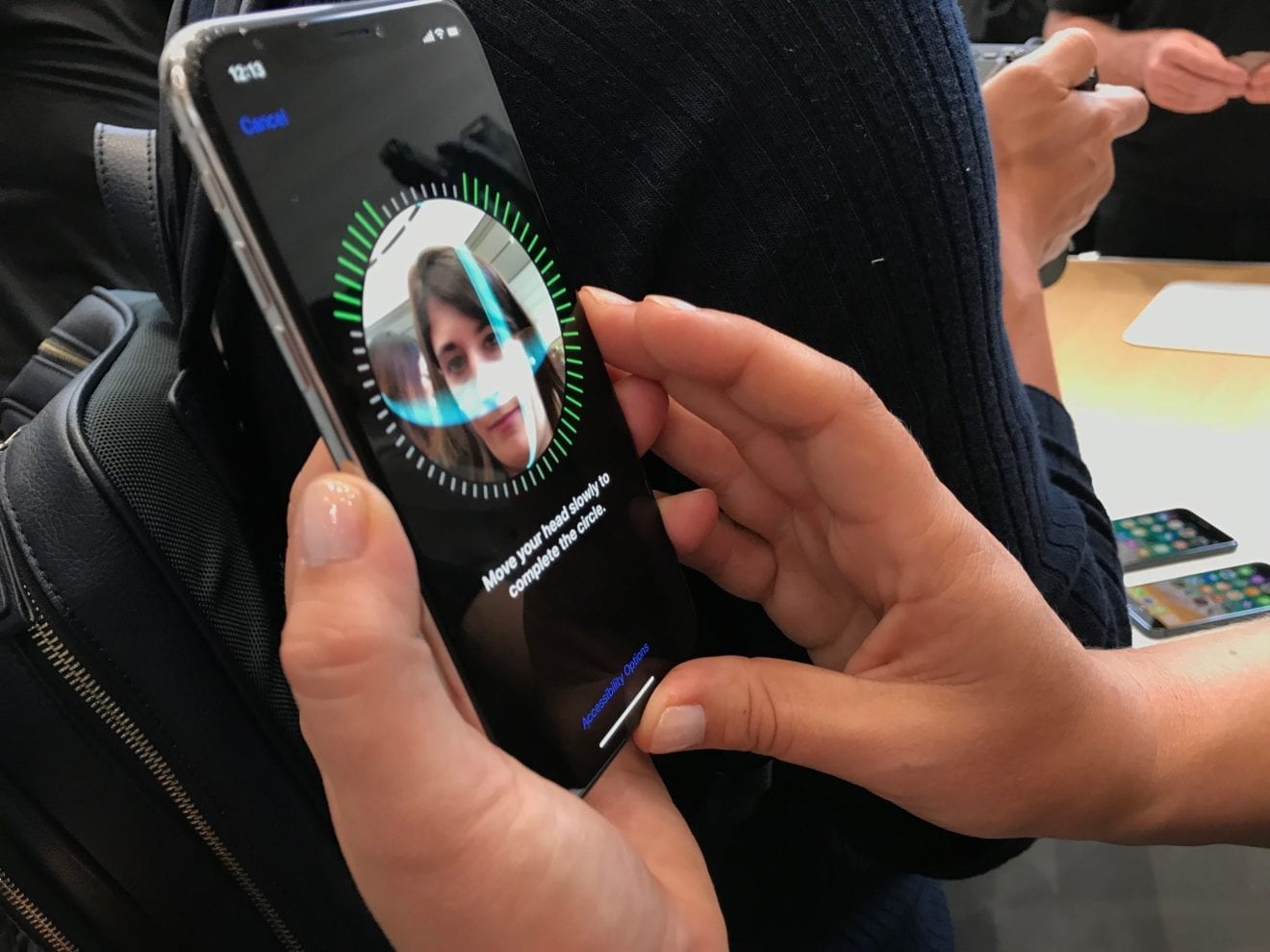
    While other devices have offered facial recognition, Apple is the first to pack the technology allowing for a three-dimensional scan into a hand-held phone. Apple will let you unlock the iPhone X with your face — a move likely to bring facial recognition to the masses, along with concerns over how the technology may be used for nefarious purposes.

    Apple’s newest device, set to go on sale November 3, is designed to be unlocked with a facial scan with a number of privacy safeguards — as the data will only be stored on the phone and not in any databases.

    Unlocking one’s phone with a face scan may offer added convenience and security for iPhone users, according to Apple, which claims its “neural engine” for FaceID cannot be tricked by a photo or hacker.

    While other devices have offered facial recognition, Apple is the first to pack the technology allowing for a three-dimensional scan into a hand-held phone.

    But despite Apple’s safeguards, privacy activists fear the widespread use of facial recognition would “normalize” the technology and open the door to broader use by law enforcement, marketers or others of a largely unregulated tool.

    “Apple has done a number of things well for privacy but it’s not always going to be about the iPhone X,” said Jay Stanley, a policy analyst with the American Civil Liberties Union.

    “There are real reasons to worry that facial recognition will work its way into our culture and become a surveillance technology that is abused.”

    A study last year by Georgetown University researchers found nearly half of all Americans in a law enforcement database that includes facial recognition, without their consent.

    Civil liberties groups have sued over the FBI’s use of its “next generation” biometric database, which includes facial profiles, claiming it has a high error rate and the potential for tracking innocent people.

    “We don’t want police officers having a watch list embedded in their body cameras scanning faces on the sidewalk,” said Stanley.

    Clare Garvie — the Georgetown University Law School associate who led the 2016 study on facial recognition databases — agreed that Apple is taking a responsible approach but others might not.

    “My concern is that the public is going to become inured or complacent about this,” Garvie said.

    Advertisers, police, porn stars 

    Widespread use of facial recognition “could make our lives more trackable by advertisers, by law enforcement and maybe someday by private individuals,” she said.

    Garvie said her research found significant errors in law enforcement facial recognition databases, opening up the possibility someone could be wrongly identified as a criminal suspect.

    Another worry, she said, is that police could track individuals who have committed no crime simply for participating in demonstrations.

    Shanghai and other Chinese cities have recently started deploying facial recognition to catch those who flout the rules of the road, including jaywalkers.

    Facial recognition and related technologies can also be used by retail stores to identify potential shoplifters, and by casinos to pinpoint undesirable gamblers.

    It can even be used to deliver personalized marketing messages — and could have some other potentially unnerving applications.

    Last year, a Russian photographer figured out how to match the faces of porn stars with their social media profiles to “doxx” them, or reveal their true identities.

    This type of use “can create huge problems,” said Garvie. “We have to consider the worst possible uses of the technology.”

    Apple’s system uses 30,000 infrared dots to create a digital image which is stored in a “secure enclave,” according to a white paper issued by the company on its security. It said the chances of a “random” person being able to unlock the device are one in a million, compared with one in 50,000 for its TouchID.

    Legal battle brewing 

    Apple’s FaceID is likely to touch off fresh legal battles about whether police can require someone to unlock a device.

    FaceID “brings the company deeper into a legal debate” that stemmed from the introduction of fingerprint identification on smartphones, according to ACLU staff attorney Brett Max Kaufman.

    Kaufman says in a blog post that courts will be grappling with the constitutional guarantees against unreasonable searches and self-incrimination if a suspect is forced to unlock a device.

    U.S. courts have generally ruled that it would violate a user’s rights to give up a passcode because it is “testimonial” — but that situation becomes murkier when biometrics are applied.

    Apple appears to have anticipated this situation by allowing a user to press two buttons for two seconds to require a passcode, but Garvie said court battles over compelling the use of FaceID are likely.

    Regardless of these concerns, Apple’s introduction is likely to bring about widespread use of facial recognition technology.

    “What Apple is doing here will popularize and get people more comfortable with the technology,” said Patrick Moorhead, principal analyst at Moor Insights & Strategy, who follows the sector.

    “If I look at Apple’s track record of making things easy for consumers, I’m optimistic users are going to like this.”

    Garvie added it is important to have conversations about facial recognition because there is little regulation governing the use of the technology.

    “The technology may well be inevitable,” she said.

    “It is going to become part of everyone’s lives if it isn’t already.”

  • Apple reduced Face ID accuracy to ease production

    Apple reduced Face ID accuracy to ease production

    The Face ID system  uses a mathematical model of users’ faces to allow them to sign on to their phones or pay for goods.

    Apple Inc recently allowed its suppliers to reduce the accuracy of the iPhone X’s facial recognition system to speed up production of the smartphone, citing people familiar with the situation.

    The Face ID system – among the $999 iPhone X’s most talked about features – uses a mathematical model of users’ faces to allow them to sign on to their phones or pay for goods with a steady glance at their phones.

    Apple could not immediately be reached for comment outside regular business hours.

    Apple has been facing a slew of issues with its latest set of phones that it launched on Sept. 12, with the iPhone 8 and 8 Plus facing muted demand, and news and analyst reports suggesting reduced shipment plans for the iPhone X.

    The iPhone X is set to be released on Nov. 3.

  • Consumers skeptical of iPhone X face recognition

    Consumers skeptical of iPhone X face recognition

    A new survey indicates that one of the defining functions of Apple’s new flagship iPhone X – the face recognition functionality – could struggle to gain traction with consumers.

    Juniper Research polled iOS users in the US, and found that over 40% consider themselves unlikely to use facial recognition as a payment security technology.

    Consumers in the US and UK instead showed a clear preference for fingerprint authentication and voice recognition as alternative biometric security methods, with 74% and 62% respectively indicating they are likely to use these technologies.

    The research also shows that the number of contactless payment users grew by only 2% year-on-year in the US, compared to 12% in the UK.

    Existing users of OEM contactless payment services (such as Apple, Samsung and Android Pay) expect to increase their usage, but only 39% of non-users in the US and 26% in the UK expect to start using mobile contactless payments.

    Major obstacles to adoption include ongoing security concerns, according to research author James Moar. Two thirds of non-users (32%) have concerns about the security of transactions, compared to just 14% of users. A similar proportion of mobile banking non-users compared to users have security concerns inhibiting adoption. But security concerns are overall starting to ease.

    “Transaction security is a key barrier for mobile financial services adoption,” Moar said. “Addressing these concerns will bring many consumers to the point where they will consider using such services.”

  • Apple iPhone X Asia on-sale dates confirmed

    Apple iPhone X Asia on-sale dates confirmed

    Apple’s most expensive and technologically advanced iPhone yet, the X, was unveiled overnight. And the tech giant has revealed the new Apple iPhone X Asia on-sale dates.

    Preorders for the handset will open on October 27 with the on-shelf date November 3 in the following Asia-Pacific markets: Australia, China, Hong Kong, India, Japan, New Zealand, Singapore and Taiwan.

    In the US, the phone will sell from $999 for the base model 64GB model, but regional pricing has yet to be revealed.

    It was one of three major product announcements by Apple. The other two were a new cellular version of its Apple Watch, along with the new generation ‘standard’ iPhone 8. (Scroll down for more details)

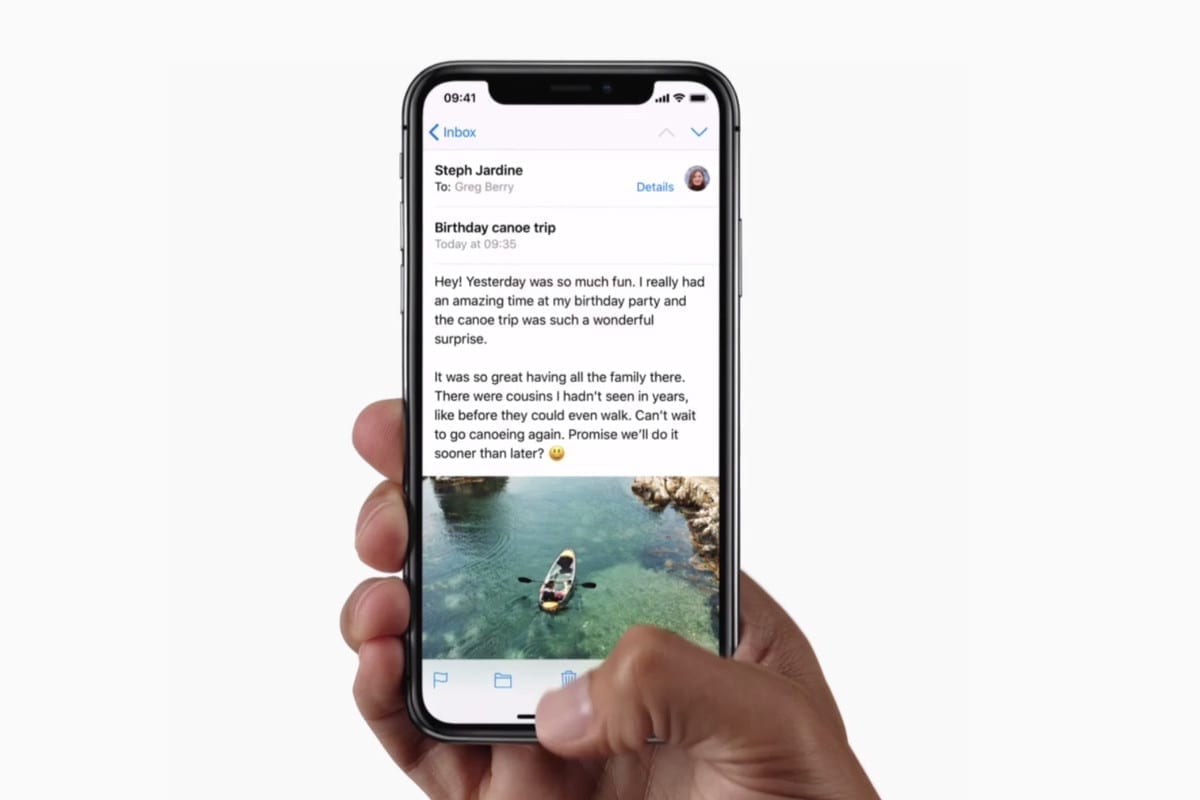
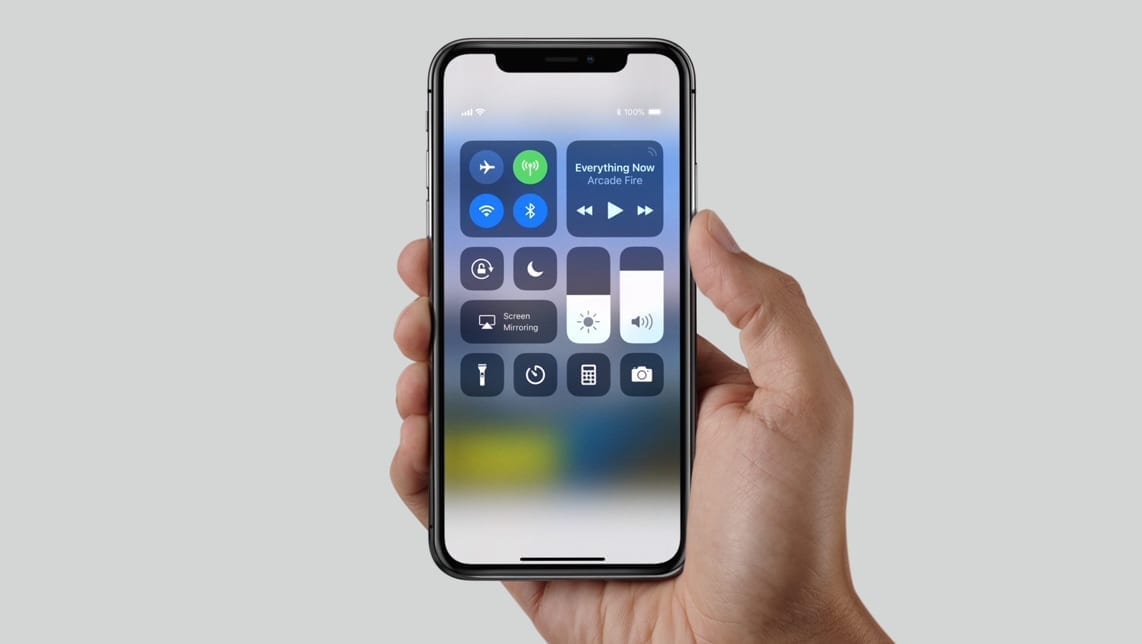
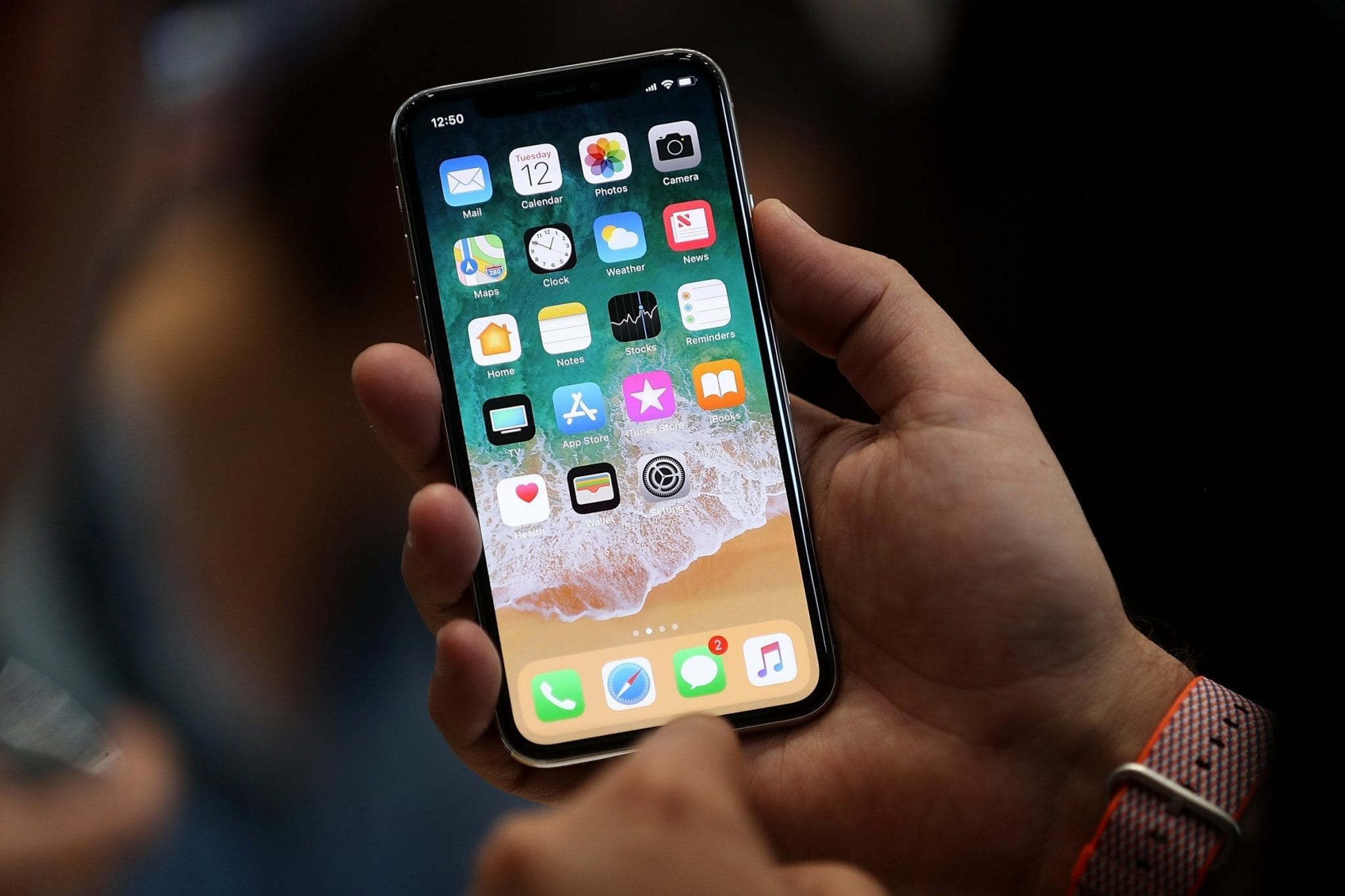
    The iPhone X has been described by Apple as “the future of the smartphone”, featuring full-front and rear glass design, surrounded by stainless steel frame, with a 5.8-inch ‘Super Retina’ OLED display, A11 Bionic chip, wireless charging and an improved rear camera with dual optical image stabilisation.

    With an all-glass front the ‘home’ button has been removed. Instead of activating the phone with a fingerprint, users can unlock the phone, and make payments, using Apple’s Face ID technology – you look at it to switch it on.

    The glass back enables a world-class wireless charging solution. Wireless charging works with the established Qi ecosystem, including two new wireless charging mats from Belkin and mophie, available from Apple.com and Apple Stores.

    “For more than a decade, our intention has been to create an iPhone that is all display. The iPhone X is the realisation of that vision,” said Jony Ive, Apple’s chief design officer.

    The home button has been replaced with what Apple describes as “fast and fluid gestures. Now users swipe up from the bottom to go home from anywhere.

    Apple says the new 7-megapixel TrueDepth front camera that enables Face ID features wide-colour capture, automatic image stabilisation and precise exposure control, and brings portrait mode to the front camera for better quality selfies and a depth-of-field effect. The phone also features a redesigned dual 12-megapixel rear camera system with dual optical image stabilisation. The camera also delivers the highest quality video capture ever in a smartphone.

    The iPhone X will be available in silver and space gray in 64GB and 256GB models.

    The new iPhone 8


    Meanwhile, the Asia onsale dates of the new iPhone 8 and iPhone 8 Plus will vary. Orders will be taken from September 15, with availability from September 22 in Australia,  China, Hong Kong, Japan, New Zealand, Singapore and Taiwan. It will be available in India from September 29.

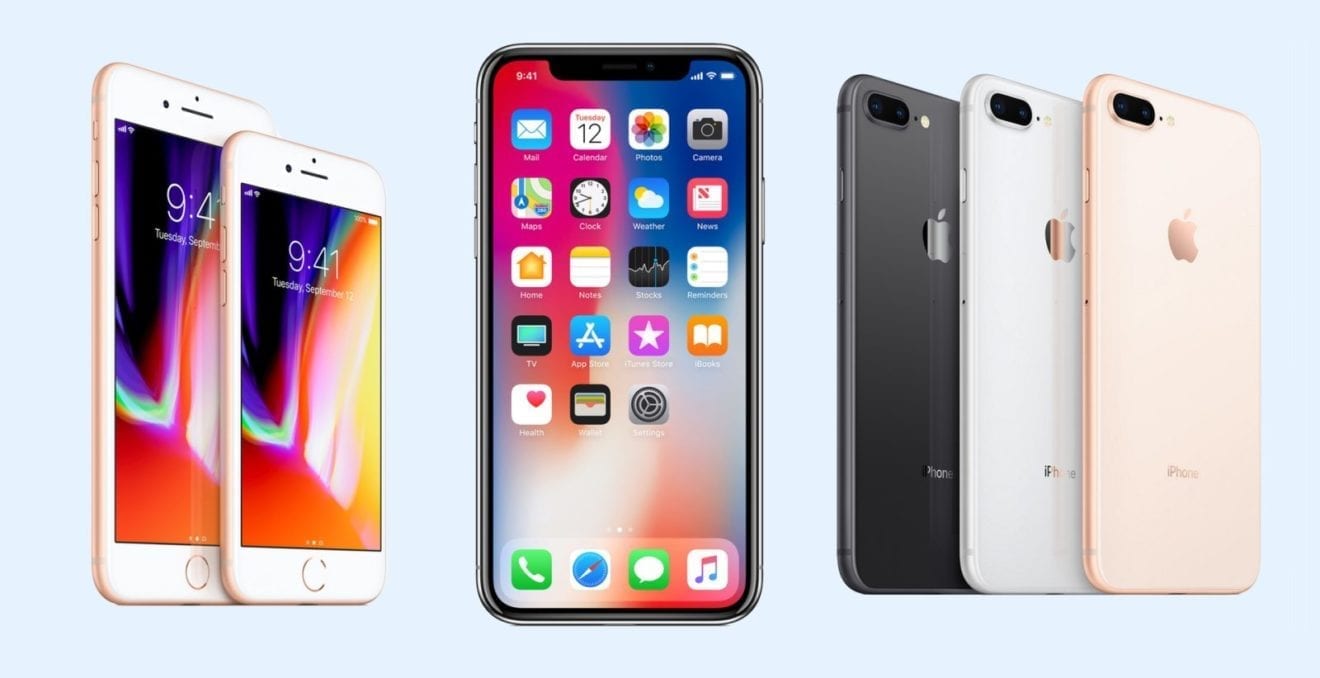
    The iPhone 8 features a new glass and aluminum design in three colours – grey, silver and gold –  Retina HD displays and an A11 Bionic chip. They come with 4.7-inch and 5.5-inch HD displays, and redesigned stereo speakers up to 25 per cent louder and delivering deeper bass, enabling richer-sounding music, videos and speakerphone calls.

    Sold with 64GB and 256GB capacity, the base model will be priced from US$699.

    Series 3 Apple Watch

    The new Apple Watch Series 3 now features built-in cellular capability.

    “Whether users are out for a run, at the pool or just trying to be more active throughout their day, Apple Watch Series 3 with cellular allows them to stay connected, make calls, receive texts and more, even without an iPhone nearby,” says the company.

    “The third-generation Apple Watch is an amazing health and fitness companion with intelligent coaching features, water resistance 50 meters and a new barometric altimeter that measures relative elevation.”

    The watch comes in two models, one with GPS and cellular, and one with GPS, both featuring a 70 per cent faster dual-core processor and new wireless chip.

    “We believe the addition of cellular will transform the way people use Apple Watch, providing a new sense of freedom since they can stay connected with or without their iPhone,” said Jeff Williams, Apple’s COO.

    Soon, the combination of cellular and WatchOS 4 will allow Apple Music users to stream 40 million songs from their wrist.

    In Asia-Pacific, the cellular watch model can be pre-ordered from September 15, with both models in stores from September 22 in Australia, China and Japan. It will be launched in other countries next year.
    Customers will be able to order the GPS-only version from September 15, with availability beginning September 22 in Australia, China, Hong Kong, Japan, New Zealand, Singapore and Taiwan and in India and Macau from September 29.

    An Apple Watch Nike+ edition will be available to order on Apple.com from September 15, with limited availability on October 5 in Australia, China, Hong Kong, India, Japan, Macau, New Zealand, Singapore, Taiwan and Thailand.

    An Apple Watch Hermès edition will be available to order on Apple.com from September 15, with availability from September 22 in Australia, China and Japan.