Retail News CRM

Tag: iPhones

  • No More iPhone Models Without Charger in Brazil

    No More iPhone Models Without Charger in Brazil

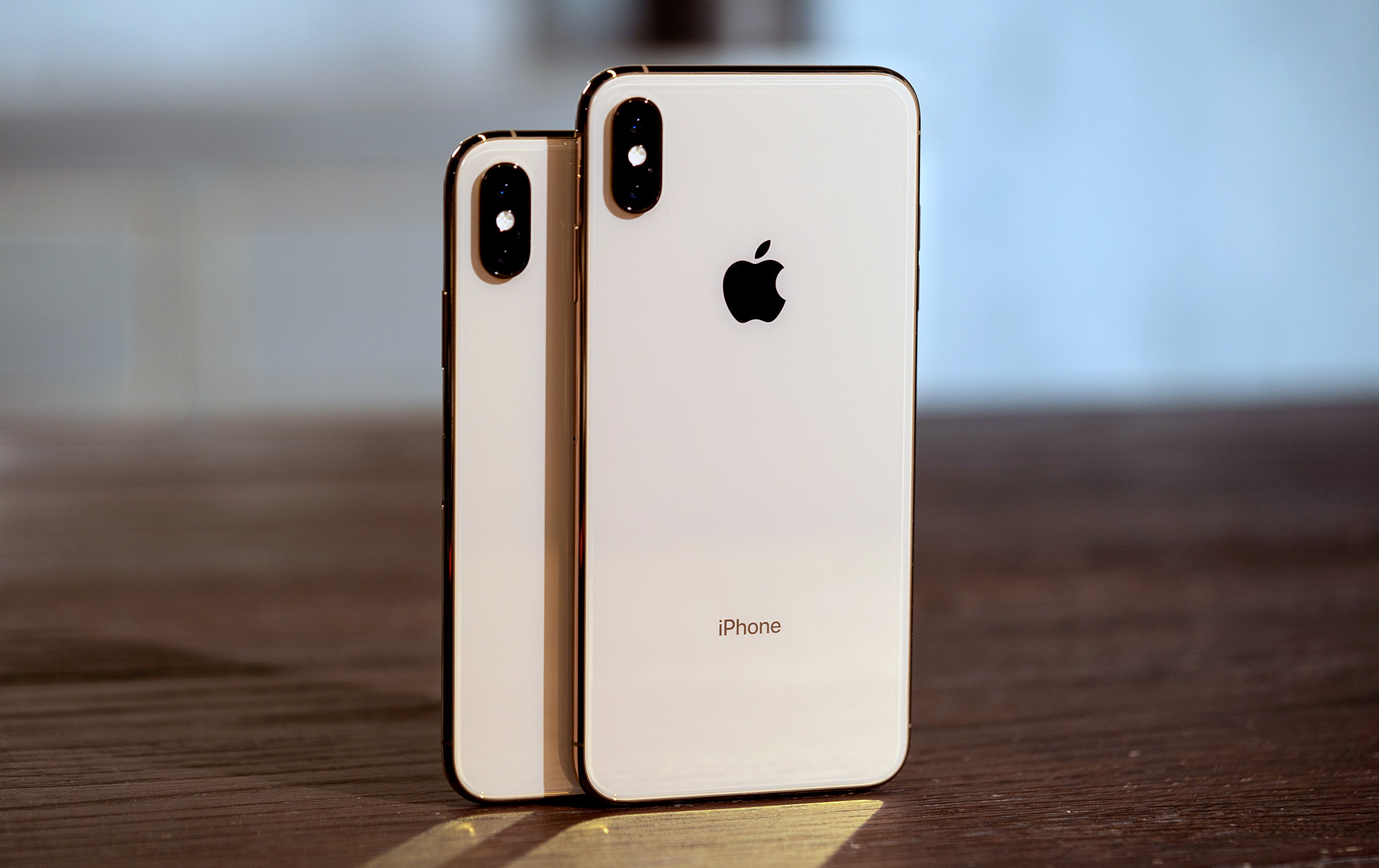
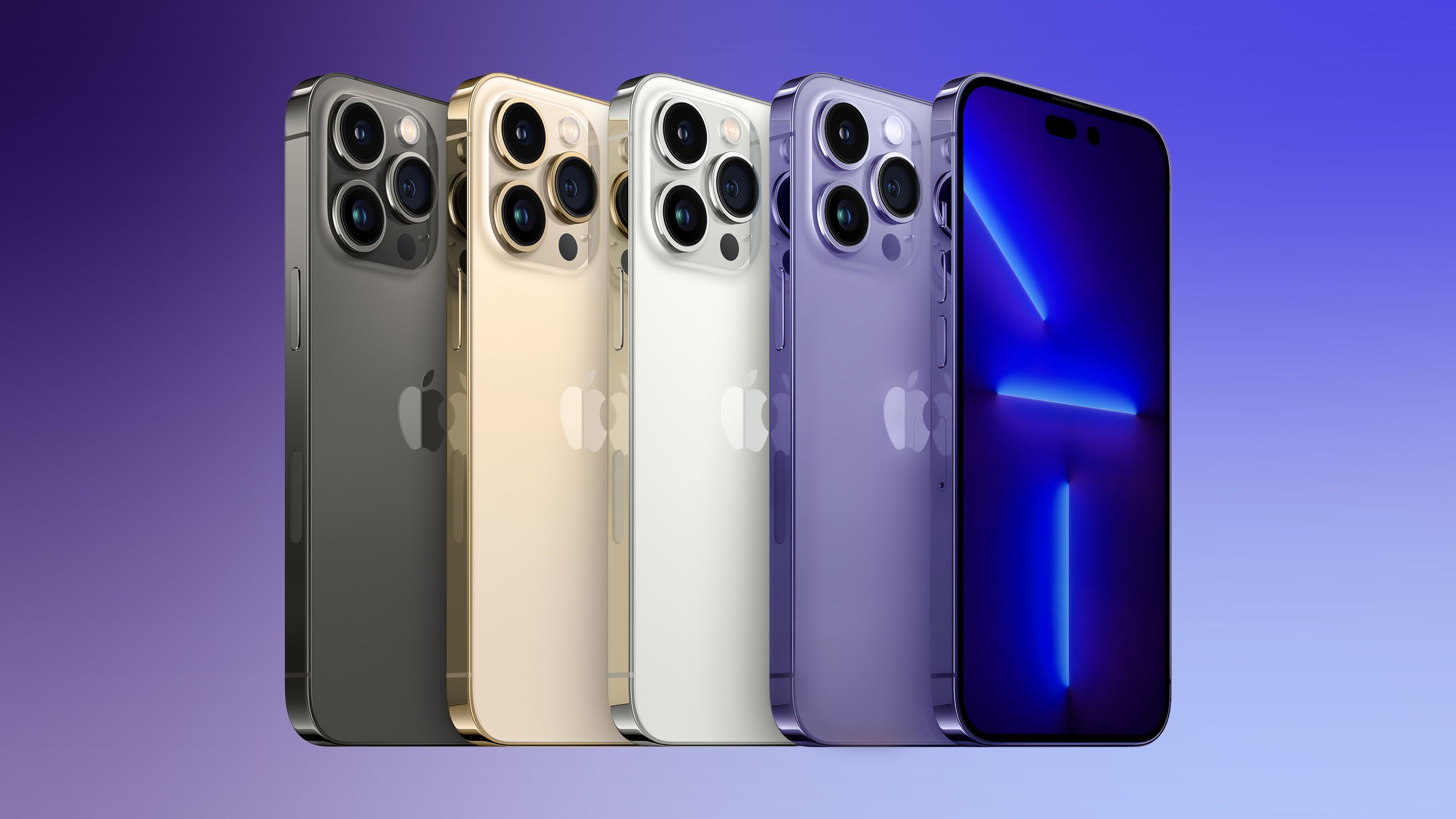
    The new iPhone 14 lineup is coming, but Brazilians may not be able to get it in the country. Apple cannot sell its iPhone models without a charger in Brazil anymore, particularly the existing iPhone 12 and 13 models, and was fined more than $2 million (12.28 million reais) over the issue.

    In an official notice, Brazilian authorities ordered “the immediate suspension of the distribution of iPhone brand smartphones, regardless of model or generation, that are not accompanied by a battery charger.”

    This is from the official mandates of the Ministry of Justice and Public Security and the Department of Consumer Protection and Defense.

    Apple has been under investigation in Brazil since December for “the sale of an incomplete product,” “discrimination against the consumer” and “the transfer of responsibility to third parties” by offering the iPhone 12 and newer versions without chargers for power outlets, according to the official statement.

    Starting with the iPhone 12, Apple no longer includes power adapters in every box as it moves to reduce package waste and indirectly makes more profit on accessories.

    As Apple explained during its iPhone 12 event in 2020, excluding the power adapter reduces the size of the box, causing less space consumption in the shipping and more iPhone 12 devices delivered.

    According to Brazilian authorities, Apple alleges that the decision to exclude chargers from iPhone sales comes from an “environmental commitment.” Reportedly, smaller boxes would allow Apple to reduce yearly carbon emissions by 2 million metric tons.

    However, the ministry determined that “there is no effective demonstration of environmental protection on Brazilian soil as a consequence” of Apple’s policy and accused the company of “deliberate discriminatory practices against consumers.”

    “There is no justification for an operation which, in aiming to reduce carbon emissions, leads to the introduction into the consumer market of a product whose use depends on the acquisition of another (product) which is also marketed by the company,” the official notice added.

    In response, Apple said that it would continue to work with Brazilian consumer protection agency Senacon in order to “resolve their concerns,” and will appeal the recent decision.

    In June of this year, the EU stated that it believes a standard cable — USB-C — for all devices will cut back on electronic waste, but Apple argues that a one-size-fits-all charger would slow innovation and create more pollution.

    The imposition of the USB-C as a cable standard and the latest ban on Brazilian grounds could affect the iPhone juggernaut’s sales, along with the entire global smartphone market.

  • Apple warns Thai rapper of state hacking

    Apple warns Thai rapper of state hacking

    Apple has sent messages to a Thai rapper and at least five other government critics warning that state-sponsored hackers could be accessing their data remotely, as well as accessing their iPhones’ camera and microphone.

    Previously arrested for sedition but subsequently released, Dechathorn “Hockhacker” Bamrungmuang from the Rap Against Dictatorship group, expressed shock of a possible hack. He posted a screenshot of the message that read: “Apple believes you are being targeted by state-sponsored attackers who are trying to remotely compromise the iPhone associated with your Apple ID.”

    On Tuesday, Apple filed a lawsuit against NSO Group, an Israeli company, for surveilling and targeting Apple users. Apple is also seeking a permanent injunction to ban NSO Group from using any Apple software, services or devices to safeguard the interests of its users.

    After Dechathorn spoke out on this, two political activists in Ghana, an opposition politician in Uganda, and a dozen journalists from Salvadoran have stepped forward with similar warning messages from Apple.

  • Soaring demand delays iPhone 13 delivery in Vietnam

    Soaring demand delays iPhone 13 delivery in Vietnam

    A global chip shortage and rising demand is delaying iPhone 13 delivery in Vietnam, with distributors reporting shortages in the Pro models.

    “We do not currently have the iPhone 13 Pro Max model you have ordered and you might have to wait until next month at the earliest,” a salesperson with a smartphone distribution chain in Vietnam told Thuy Linh, who is planning a smartphone upgrade.

    Linh, an English teacher in Hanoi, has tried several stores in Hanoi but the 128-gigabyte option is either out of stock or does not have the color she wants.

    The model she desires is available in the unofficial market, but prices are around 20 percent higher, the 28-year-old teacher said.

    Duc Anh, who works for a marketing company in HCMC, is also finding it difficult to get his hands on the latest Apple smartphones. Several stores have informed him that it would take weeks until the next delivery.

    “Gold and Sierra Blue models are not available in most of the shops I’ve contacted. Some have pushed up prices so I am waiting for the market to cool down.”

    The most expensive iPhone 13 models, Pro and Pro Max, are in short supply in Vietnam as the ongoing global chip shortage hampers Apple’s production.

    Apple is expected to cut its iPhone 13 production by as many as 10 million units this year due to the global chip shortage, Bloomberg reports.

    Apple CEO Tim Cook admitted last week that chip shortage and supply chain problems related to Covid-19 have cut sales by $6 billion in the last fiscal quarter.

    But another reason for the delay in delivery in Vietnam is the high demand, distributors say.

    The supply of iPhone 13 in Vietnam only meets half of the customers’ orders, according to estimates by CellphoneS. The company has only received 20 percent of the total it has ordered from Apple.

    “Demand has risen by 50 percent compared to the same period last year, and it does not seem to have been affected by the pandemic,” a media representative for the company said.

    CellphoneS estimate iPhone 13 sales to rise 50-60 percent over that of iPhone 12 in the same period last year.

    FPT Shop, with over 700 outlets nationwide, saw sales of iPhone 13 in the launching week double that of iPhone 12 last year, and the same percentage is likely to be maintained throughout the last quarter, a representative said.

    The iPhone 13 Pro Max, the biggest and most expensive of the four new models, accounted for 72 percent of iPhone 13 sales in October, the company said.

    Sierra Blue and Gold are the most sought-after colors for the Pro Max and the Pro models at FPT Shop, which explains the shortage, industry insiders say.

    They also say that the large number of incentives that Apple is offering users this year is motivating more buyers to go to authorized stores instead of buying them from stores that pick up the devices in other countries and sell them in Vietnam.

    Apple accounted for around 7 percent of the smartphone market share in Vietnam in the second quarter, ranking fifth behind Samsung, Xiaomi, Oppo and Vivo, according to Counterpoint Research.

  • Telegram brings global chat themes to iPhones, hyper-speed scrolling

    Telegram brings global chat themes to iPhones, hyper-speed scrolling

    Telegram has gained a lot of users after the Facebook/WhatsApp outage a few weeks ago, and that probably affected the developer’s update roadmap, hopefully, for the better. Today’s update doesn’t bring too many new features, but it does improve some of the existing ones.

    For example, a new date bar has been added on the side of the Shared Media page to faster scrolling. Users can even pinch to zoom in and out to have a better look at anywhere from two big thumbnails to a dozen small squares per row.

    Additionally, Calendar View for Shared Media is now available for Telegram users so that they can quickly find media from a specific time. Simply tap on the date bar to open a calendar window with media previews, then tap to see all the media from that date. New filters also available for shared media to show only photos, only videos, or both.

    As far as iOS users go, Telegram is getting global chat themes. The same 8 themes that could be set for individual chats are now available for the entire app on iOS. The themes can be personalized, their colors tweaked, and the pattern changed.

    Also, Settings on iOS have been redesigned to match the style of iOS 15. Finally, the update brings new interactive emoji on both Android and iOS versions of the app.

  • Siri loses the ability to help the blind use their iPhones after the release of iOS 15

    Siri loses the ability to help the blind use their iPhones after the release of iOS 15

    The accessibility menu is where you’ll find features that Apple added to iOS to help those with hearing and vision problems use an iPhone. From that menu, you can add hearing aid compatibility, toggle on the Sound Recognition feature that sends an alert when certain sounds like a fire or smoke alarm go off. Other sounds that will trigger a notification include the sound of glass breaking, the sound of a baby crying, and more.

    Other features found in accessibility include Subtitles & Captioning and there is a listing for Siri. However, some of the things that Siri used to do to help those who have poor vision or are blind have been removed following the iOS 15 update. Apple’s digital assistant will no longer send emails. It also won’t respond to the following commands:

    • Do I have any voicemails?
    • Play my voicemail messages
    • Check my call history
    • Check my recent calls
    • Who called me?
    • Send an email
    • Send an email to [person]

    AppleVis, an online forum for iPhone users who are blind or have poor vision, recently posted a comment from a user named Brian Negus who wrote: “I tried on my iPhone SE with iOS 15.0 and the response from Siri was “sorry, I can’t help with that”. Subsequently, I’ve had the same response on a phone running iOS 12. If this is a deliberate feature removal, it’s certainly a loss to some users with sight loss who find it a convenient way to send a brief email.”

    Negus later revealed that he had heard from Apple Support and they told him that “we are aware of this issue and it is currently under review.” This could indicate that Apple will be sending a software update to exterminate the bug. That certainly makes more sense than Apple haphazardly deciding not to allow Siri to help those with vision problems.

    Interestingly enough, while the first thought is that the issue started with the recent iOS 15 updates, the same accessibility features no longer working with Siri in iOS 15 are also not working when using Siri in iOS 14. Siri will play the latest voicemail that a user has received or read a voicemail from a specific person. But again, the digital assistant will no longer read the list of all available voicemails.

    Siri received something of an overhaul in iOS 15, with speech processing is now done on-device instead of via an Apple server. That’s because the Neural Engine will process speech as well as the off-device server does. The digital assistant will handle some requests offline including setting alarms and timers, messaging, launching an app, controlling the playback of audio, and opening the Settings app.

    Siri will now share content on the screen including photos, web pages, content from Apple Music or Apple Podcasts, Maps locations, stories from Apple News, and more. All you have to say is “Send this to Giancarlo.” If the content on the screen can’t be shared, Siri will offer to send a screenshot instead. And while Google Assistant already does this, Siri will now maintain context when you have a follow-up question to make the interaction with the digital helper more of a conversation.

    Is it possible that somehow, in the midst of making these changes to Siri in iOS 15, some of the accessibility features were accidentally disabled? It doesn’t matter what caused this as the most important thing is for Apple to bring back Siri’s lost capabilities so that those less fortunate can still use their iPhone even if their vision is poor.

    Apple already has a backlog of fixes it needs to send out so we could see all of these bundled together in iOS 15.01, or added to the iOS 15.1 update that Apple is currently testing with the release of its second developer beta.

  • Data from Qualcomm suggests that Apple could produce 176 million 5G iPhone units this year

    Data from Qualcomm suggests that Apple could produce 176 million 5G iPhone units this year

    With a little bit of math and plenty of fingers and toes, Sina Finance has calculated that Apple purchased approximately 176 million 5G modems from Qualcomm for this year. This calculation dovetails with estimates calling for Apple to produce 5G and non-5G iPhone models in the neighborhood of 190-200 million units for 2020. On the other hand, another report written by Taiwan’s Appledaily calls for Apple to roll out 120 million 5G iPhones this year indicating that the higher figures overestimate reality. Another possibility is that Apple expects strong sales for the iPhone 12 series this year and next year. One other option is that Apple ordered more modem chips than they needed because the company plans on using them on some future Apple devices. There has been talking about a 5G iPad tablet in the future and Apple might have ordered enough chips for such a device.

    Each 12-inch wafer that TSMC ships to Qualcomm can yield 2,211 modem chips for Apple; with 80,000 wafers shipped, we can estimate that Apple received 176 million 5G modem chips. This tells us that Apple expects to deliver 176 million 5G handsets this year. You might recall that Apple and Qualcomm were the Silicon Valley equivalent of the Hatfields and McCoys in 2019 with both firms taking each other to court for various patent infringements. Apple was frantically trying to find a source for 5G modem chips. On April 16th, 2019, just after Apple concluded its opening statement in a court battle with Qualcomm, a settlement between the two companies was announced. In return for a large sack of cash from Apple (estimated to be $4.5 billion), the chip designer gave Apple a six-year licensing agreement with an option for an additional two years. The settlement also included a supply agreement that covers the purchase by Apple of Qualcomm’s 5G modem chips. All legal action filed by both companies against the other was dropped.

    In more news related to this subject, Qualcomm is now TSMC’s largest customer for chips made used the 7nm process node. The process node is based on the number of transistors that fit in a square mm. TSMC’s 7nm process node sports 96.5 million transistors in that little space compared to 171.3 million with the latest 3nm process node. The larger the number of transistors inside a chip, the more powerful and energy-efficient it is. The 7nm process is used to manufacture the Snapdragon X55 modem chip and the current flagship Snapdragon 865 and Snapdragon 865+ chipsets.

    Apple does not ever want to be in the position again where it needs a specific component from a third-party supplier. So it has been working on developing its own modem chip. This would be dome similar to how Apple designs its own chipsets and has it built by a contract foundry such as TSMC or Samsung. Last year, Apple spent $1 billion to acquire most of Intel’s smartphone modem chip business. 2,200 Intel employees joined Apple with the transaction. Apple hopes to start using its own 5G modem chips perhaps by 2023. This could save Apple some money which in turn might allow the firm to cut pricing on future 5G enabled devices.

    That Apple went ahead and purchased Intel’s smartphone modem business suggests how strongly it wants to design its own chips. A $1 billion acquisition is unusual for Apple which usually involves itself in smaller transactions covering niche components that it plans on using for the iPhone or other devices within the next year or two. The largest acquisition made by Apple was its purchase of Beats Audio for $3 billion in 2014.

  • Trump’s threat could lead to higher Apple iPhone prices

    Trump’s threat could lead to higher Apple iPhone prices

    If you live in the U.S., be prepared to pay more for the Apple iPhone. A multi-part tweet disseminated today by President Donald Trump revealed that starting next Friday, $200 billion of Chinese goods imported into the U.S. will be taxed at a 25% rate, up from the current 10%. Trump also noted that $50 billion of hi-tech goods from China that are imported by the U.S. already are taxed at 25%. While the Apple iPhone and other Apple devices have managed to evade the tariff charges, Trump is now talking about taxing hundreds of billions of dollars of additional Chinese products imported into the states, possibly including the iPhone. While Apple designs its products in the U.S., they are assembled by contract manufacturers in China and imported into the U.S.

    Trump could be merely seeking to raise the pressure on China to reach an agreement with the U.S. A negotiating team from the country will travel to Washington this week for a round of talks. This could be the last chance for both nations to reach an agreement and end a trade war that has weakened China’s economy. That weakness has hurt Apple’s business in the country. During the company’s fiscal second quarter, which ran from January through March, Apple saw its sales in China declined by 21.5% from $13.02 billion to $10.22 billion.

    The trade war between the U.S. and China went into high gear last March when the president announced a 25% tariff on $50 billion of Chinese tech products sent to the states. A couple of weeks later, the Chinese retaliated by adding a tax on 128 products imported from the U.S. The Times reported last summer that Trump had told Apple CEO Tim Cook that he would not place a tariff on the iPhone (he uses two of them, one for tweeting), although that report was later denied by the White House.

    So why has Trump decided to engage in a trade war with China? The U.S. has run a large trade deficit with China for years, and while many economists will say that this shows that U.S. consumers are wealthier than their Chinese counterparts and can afford to purchase more goods from that country, the president sees it differently. He views the trade deficit as a scoreboard showing that the U.S. is losing when it comes to trade with China.

    The president also could be losing patience with Apple CEO Tim Apple Cook. Trump has said numerous times that Apple needs to move the production of its products to the U.S., and tweeted last September that Apple could avoid tariffs by moving jobs to the U.S. And in a bizarre episode that has never been explained, back in June of 2017 the president said that he was told by Tim Cook that Apple would build “three big plants, beautiful plants” in the U.S.The president said at the time that he couldn’t say where the factories would be located, or what they would produce. There was a good reason for that; Apple denied that this conversation ever happened. But to illustrate how the president thinks, he had previously told that he wanted Apple to build its best factory in the states “even if it’s only a foot bigger than someplace in China.”

    While the U.S. has been pressing China to buy more American made goods, it also wants the country to stop demanding U.S. trade secrets and technology as a condition for doing business in China. And while there is no doubt that Trump sees the tariffs as a way to twist the arm of Chinese president Xi Jinping, the data indicates that Americans are being hurt by the price hikes being passed on to them because of the tariffs. And if the iPhone ends up on the list of products getting taxed, U.S. consumers will end up paying more for the device. How much more would depend on how much of a tariff Apple would decide to eat.

  • Apple’s manufacturers gearing up production of new iPad and AirPods hardware

    Apple’s manufacturers gearing up production of new iPad and AirPods hardware

    Apple’s March 25 event is around the corner and naturally, rumors about it are abundant. The event is expected to be focused on new services but its almost inevitable that there will be a hardware release or two, even if there won’t be any dedicated time for them during the presentations. The latest news coming from distant Taiwan seems to confirm that. Some of Apple’s part suppliers are preparing to ramp up production of components for new products.

    Flexium Interconnect and Zhen Ding Technology are manufacturers of flexible PCB (printed circuit boards) that are reportedly starting production of PCBs for a new iPad model. Rumors are that Apple is going to refresh its iPad Mini. The last model of the line came out in 2015, so it’s long overdue for an overhaul. The revamp is expected to be primarily internal, however, so expect a familiar looking iPad with a more powerful chip.

    Both part suppliers are also providing components for the current line of iPhones. The release of a new iPad comes as a blessing for them since both saw their orders reduced after demand for the iPhones was weaker than anticipated.

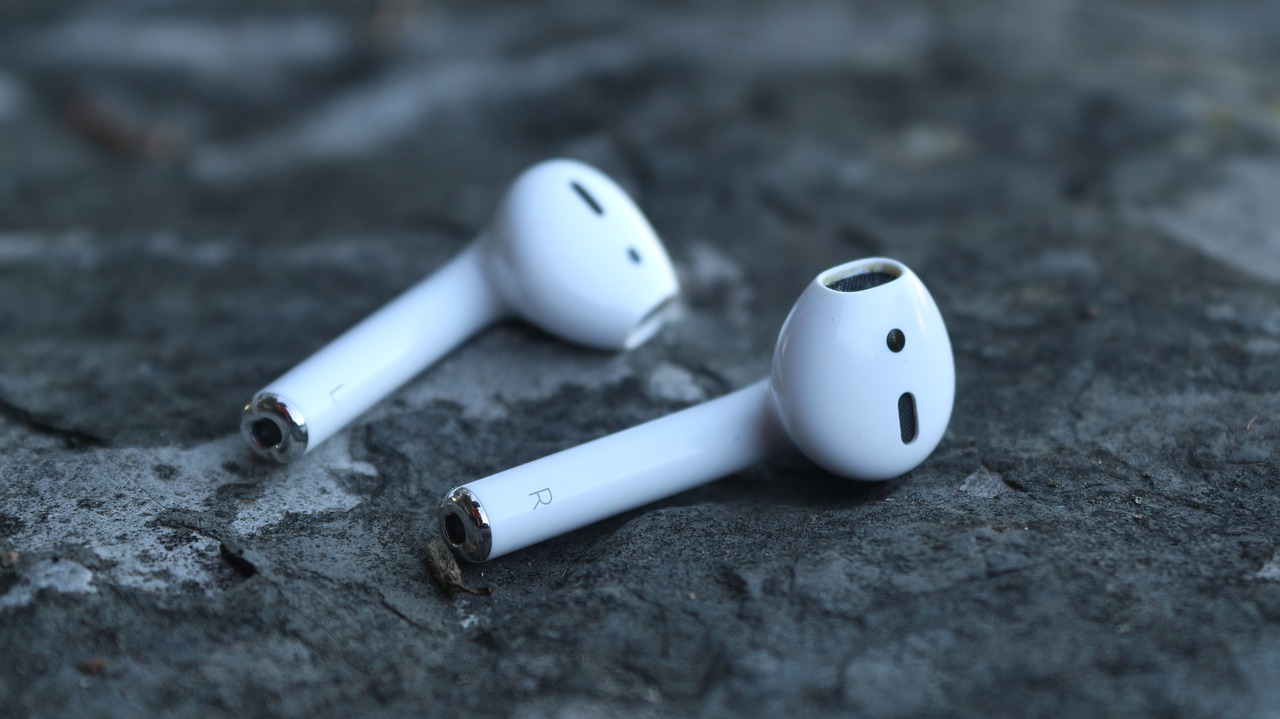
    At the same time, two other companies, Compeq Manufacturing and Unitech PCB, are now working on rigid-flex boards for the yet unannounced AirPods, according to sources within the industry. Tech insiders are still divided whether Apple is going to introduce the AirPods 2, or a less meaningful refresh of its popular earbuds that may consist only of a new wireless-charging case.

    If Apple does indeed announce new hardware products on March 25, preorders will likely begin either on the same day or within a week. If you’ve been itching for a new Apple gadget for a while, the time has almost come!

  • Apple acknowledge iPhone challenges

    Apple acknowledge iPhone challenges

    Analysis of the latest Apple sales figures shows that tech giant remains a phenomenal company, but it needs to regain the magic spark that used to be its hallmark.

    As usual, Apple’s performance is good on both the top and bottom lines. Revenue for the quarter jumped by almost 16 per cent, an impressive increase given last year’s strong results. Even more impressive was the 25.3 per cent leap in net income, an uplift that came despite a higher level of spending on research and development.

    But as good as the headline numbers are, there are some less satisfactory nuances in the underlying dynamics driving them. Foremost among these are sales of the iPhone. On the surface, revenue from iPhone sales, which rose by 14 per cent, looks strong. However, this is mostly pushed up by higher average prices rather than volume. Indeed, in unit sales terms, the number of iPhones sold rose by just 3 per cent over the same period last year.

    Given the high raw numbers that sit behind a 3 per cent unit uplift, such a criticism may seem petty. However, the second quarter last year was a weak one for the iPhone with sales down in both volume and value terms. As such, we would expect a much bigger uplift this time around. That this didn’t materialise, and that unit growth is well below the run rate for new phone launches, signals that the replacement cycle is slowing down. In essence, we maintain our view that Apple is struggling to persuade many consumers to update their phones.

    Failure to wow

    As I’ve have said before, this relative slowdown in iPhone sales is largely a function of Apple’s inability to come up with meaningful and valuable innovations that wow consumers. No matter how Apple tries to spin it, the iPhone X is essentially an incremental product that lacks the excitement and newness earlier models brought to the market.

    The same logic applies to many other product lines, including iPads and Apple Watch. These are good, quality items, however they are simply not impressing the market and Apple is losing its lustre in terms of producing compelling products. Apple has moved from a position of ‘must have this and must have it now’ to ‘might buy this at some point in the future’.

    Price increases may mitigate this but, ultimately, such a shift can only ever result in a softer sales performance.

    Adding new products, such as HomePod, into the mix provides potential new sources of revenue.

    However, with launches to date, Apple is not disrupting the market like it used to. HomePod is a case in point. Here, despite good technical specifications and design credentials, Apple was a latecomer to the smart speaker market. This crimped sales and puts Apple in direct competition with both Google and Amazon – against both of which it does not have a clear and compelling unique selling point. While we believe Apple can take a share of this market, we do not think it can win a decisive victory in the battle with other tech firms.

    One area of relative success, at least in revenue terms, is services. However, this is an area where we think Apple needs to push harder. Amazon is successfully creating an ecosystem of services through Prime. Apple needs to do something similar by building on its Apple Music subscription and its App Store offering. Content is a big growth area and is becoming increasingly linked to devices. Apple needs to play more heavily in this space both to generate new opportunities but also to defend its own device business.

  • Apple China bracing for fall

    Apple China bracing for fall

    Even as it announces record revenues and net profit, Apple says it has sold fewer iPhones in the first quarter and is bracing for a fall in sales in its critical Chinese market.

    “It’s becoming more apparent that there are some signs of economic softness,” says CFO Luca Maestri. “We are starting to see something that we have not seen before.”

    He admits the tech giant is working in a “very difficult macroeconomic environment” and projects a further slide in iPhone sales for the second quarter, reports the International Business Times. Apple’s projected revenues indicate the company’s sales are about to fall for the first time in 13 years.

    Apple’s sales stumble was masked by the record corporate quarterly profit. Conlumino analyst Neil Saunders takes a close look at the latest Apple report in our international section.

    Apple sold 74.8 million iPhones in the first quarter, ending December 26, which is the first full quarter of sales of the iPhone 6S and 6S Plus. The 0.4 per cent growth in shipments was the lowest since the product’s launch in 2007.

    Maestri says that although Apple China revenue rose by 14 per cent in the quarter, the company is starting to see a shift in the economy, particularly in Hong Kong.

    Apple had record figures in the first quarter for both net profit ($18.36 billion, up from $18.02 billion) and revenue (up 1.7 per cent to $75.87 billion). Greater China accounted for 24.2 per cent of the total revenue, more than all of Europe combined.

    An indication of Apple’s popularity in China can perhaps be gauged by the dwindling number of fake Apple stores in the southern city of Shenzhen, some of which have been taken over by unauthorised outlets for local phone brands.

    In a street of gadget stores, copycat Apple outlets were not uncommon, complete with the latest iPhone models and accessories and uniformed staff. Only four months there were more than 30, but about a third of these have gone, reports Reuters. Instead of iPhones, some of these shops are now selling Huawei, Meizu, Oppo and Xiaomi phones.

    In fact, the iPhone has become a “street cellphone” – a Chinese term that means a widely available and popular product that lacks novelty value.

    “Using an iPhone is hardly something you can show off to people now,” a Shenzhen retailer told Reuters.

    In the US, iPhones are still popular, and 60 per cent of people who had an iPhone before the launch of the iPhone 6 have yet to upgrade, says the company.

    Meanwhile, the Indian market stands out as a rare bright spot for Apple with a growing demand for iPhones, reports The Indian Express.

    Sales of the company’s flagship smartphone climbed 76 per cent in India from the year-ago quarter, according to Luca Maestri.

    Apple CEO Tim Cook has suggested more growth lies ahead with median age in India being 27 years.

    “I see the demographics there also being incredibly great for a consumer brand,” he says. “We have been putting increasingly more energy in India.”

    India cannot immediately offset Apple’s woes in China, says analyst Neil Shah of Counterpoint Technology Market Research. Apple averaged about 450,000 smartphone shipments a quarter in India last year, compared with more than 15 million a quarter in China.

    Also, nearly 70 per cent of smartphones sell for less than $150, leaving  a slim market for Apple’s high-end phones. Its smartphone market share stands at less than 2 per cent, says Shah.