Tag: iPod

  • Apple’s new iPod Touch might be announced somewhere this week

    Apple’s new iPod Touch might be announced somewhere this week

    As Apple has done in the past prior to product launches, yesterday the company shut down its online store for a few hours. When it reopened, an updated iPad Mini and an all-new iPad Air were introduced.Earlier today, in a very unexpected move, the Apple Store was updated yet again. But rather than closing and then reopening it, the Cupertino giant simply added its improved iMac computers to the website. Now, according to MacRumors, it seems Apple may have yet another product update planned for tomorrow.

    The iPod Touch could be Apple’s third announcement this week

    Earlier this month, MacRumors received a tip claiming that Apple would announce new products on March 18th, March 19th, and March 20th. The first day would see the debut of new iPads, while the second would see the introduction of new iMacs. This has proven to be accurate thus far and, as a result, means the information about the third day is likely correct too. “What will Apple be announcing tomorrow?” You may be asking.

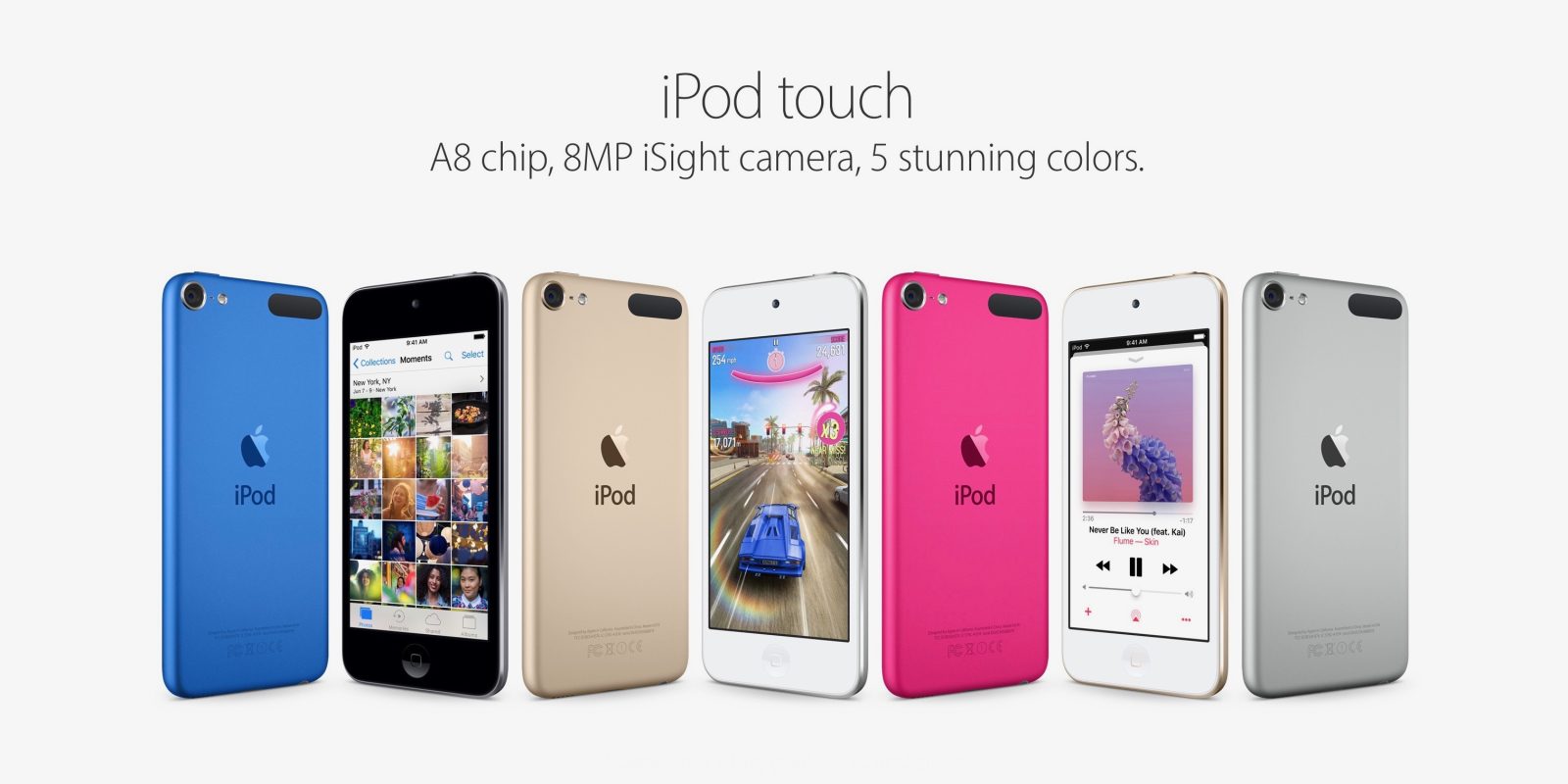
    Well, according to the tip, it’ll be an all-new iPod Touch. The current-gen iPod Touch dates back to June 2015 and is in dire need of a refresh. The model on sale now sports a tiny 4-inch Retina Display paired with an 8-megapixel rear camera and the aging Apple A8 processor. It’s also one of the few remaining Apple products to sport the company’s iconic home button but no Touch ID.

    Larger display, better processor, perhaps no headphone jack

    Considering Apple’s current focus on larger devices, the new iPod Touch will probably introduce a bigger display. The exact dimensions remain a mystery at the moment, but Apple’s new product might borrow the 4.7-inch display found on the iPhone 7 and iPhone 8. After all, this would avoid any unnecessary costs. Another big upgrade will presumably happen on the inside. In order to guarantee Apple’s usual 4-5 years of software updates, the new iPod Touch might adopt either the Apple A10 Fusion or the Apple A11 Bionic chip. The newer A12 Bionic is a possibility too, but this would probably increase the product’s cost too much.

    Like many of Apple’s other devices, there’s a strong possibility the next-gen iPod Touch will ditch the 3.5mm headphone jack. However, it should finally gain Touch ID, allowing for secure mobile payments, and receive a new set of updated cameras.

    Could the new iPod Touch focus on gaming?

    Once again, Apple’s next-gen iPod Touch will probably focus on music. But a recent trademark application revealed that Apple might also promote its mobile gaming capabilities. Over the years, iTunes and Apple Music support has become less of a selling point and more of a standard. As a result, the new iPod Touch might be marketed as a low-cost mobile gaming device instead.Interest in such a device will probably be quite limited initially, but the market does have potential for growth.

    Over the past few years, gaming smartphones have become much more popular and the market is gradually being flooded with them. Even Nintendo is said to be considering a gaming smartphone of its own, which means now could be the perfect opportunity for Apple to enter the market with a new iPod Touch.

    iPod Touch (7th-gen) release date and pricing

    If Apple does announce a 7th generation iPod Touch tomorrow, pre-orders will probably commence immediately prior to a release next week. Pricing does remain a bit of a mystery at the moment, but Apple could potentially stick with its current iPod Touch price points – the 32GB version retails for $199 while the 128GB model costs $299. The new iPod Touch should be available in an extensive range of colors, like the current-gen model. Apple could either keep the current iPod Touch finishes or adopt the iPhone XR’s colors.
  • Introducing the tech-savvy Generation Z

    Introducing the tech-savvy Generation Z

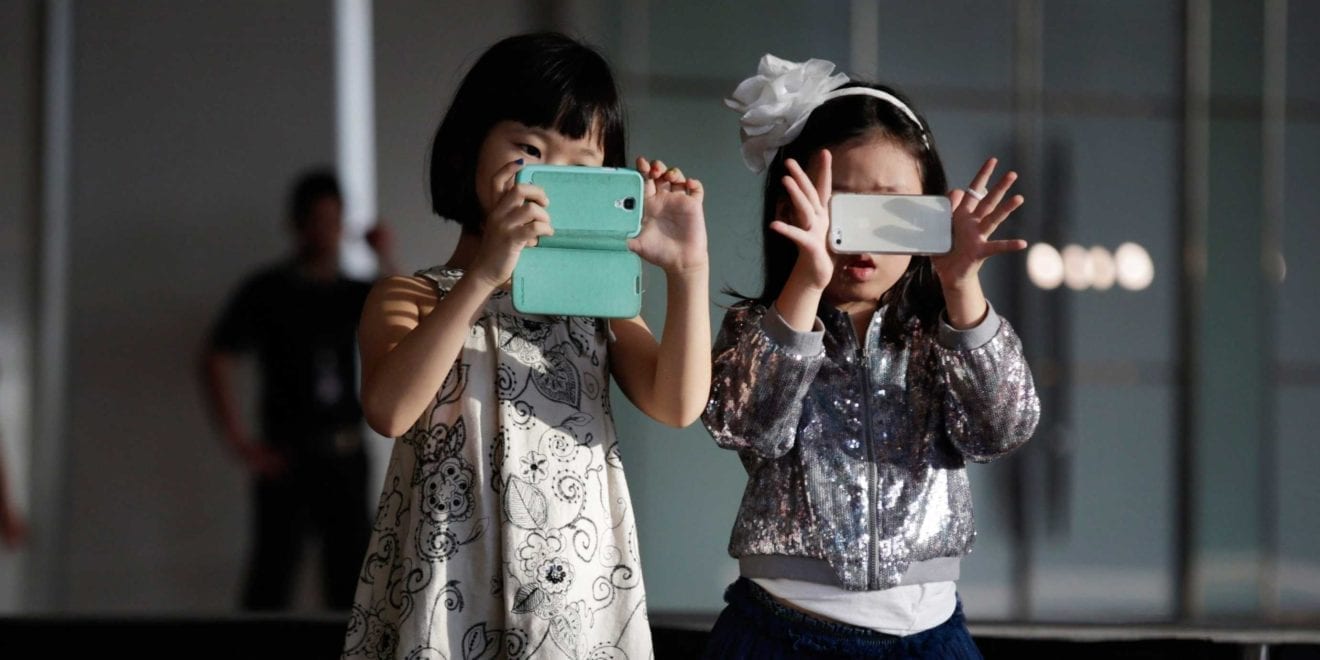
    Meet Generation Z. The next big consumer retail power has grown up with social media and assuming instant access to almost all things digital, from music to video to information.

    They’re today’s image-savvy teens and tweens and they want it all – and they want it now as they acquire apparel, cosmetics and experiences.

    That’s the conclusion of a new report Gen Z: Get Ready for the Most Self-Conscious, Demanding Consumer Segment, from Fung Global Retail & Technology.

    “Retailers, restaurants and leisure companies will have to adapt to the wants and needs of Gen Zers, who have not all even been born yet and so possess substantial growth potential as a demographic group”, explains Deborah Weinswig, MD of the think tank.

    Born in 2001 and later, and the first generation to grow up “in public” online, Gen Zers attach great importance to their physical appearance. Their presence on social media also pressures them and those who support them to spend on travel and events, Weinswig writes, a phenomenon she dubs “the Instagram effect.”

    “The new technology products and services have broadened consumers’ range of choice and quickened the pace of life,” Weinswig observes. “It is hard not to see these creating a more demanding, image-conscious consumer.”

    Fung Global Retail & Technology estimates that consumers in the US spent $829.5 billion on Gen Zers last year, and that approximately $66 billion of that was spent on discretionary categories. Generation Z comprises 19 per cent of the US population, and will rise to 25 per cent in 2020. In the EU, the generation accounts for 16 per cent of the population, and is forecast to peak at 21 per cent in five years. Across Asia, that percentage is higher in most markets.

    The influence of technology on these consumers’ habits cannot be underestimated. The first members of Generation Z are only a few months older than the Apple iPod, which debuted in 2001. The generation is typified by three dominant characteristics related to its relationship with tech:

    • The importance of self-image, with their vanity influenced by social media, dating apps and video chat.
    • The demand for experiences, and a change in consumption habits shaped by booking and delivery apps as well as social media; and
    • The demand for immediacy, propelled by Amazon Prime Now, among other delivery apps.

    Social media and selfies have spurred Gen Zers to be more concerned with personal appearance than any other previous generations, boosting sales of cosmetics, skincare and hair products among boys and girls, the report notes. New brands are even emerging from social media stars such as Kylie Jenner from the US and British blogger Zoella.

    This generation’s habit of documenting interesting and fun experiences on social media means they are spending more on events, dining out and travel. Mobile connectivity makes it ever easier to book these activities, and in 2015 UK consumers increased their spending on recreational services by 15.9 per cent and their spending on cultural services by 6.7 per cent, while retail sales rose just 1.9 per cent. In the US, restaurant and hotel spending rose by 7.4 per cent and 7.3 per cent, respectively, in 2015, while retail sales rose just by 3.5 per cent.

    “While these figures reflect all consumer spending, not just Gen Z’s spending, we think that the forces driving leisure spending are likely to be stronger for Gen Z than they will be for older age groups,” Weinswig writes. “Gen Zers are, and will almost certainly continue to be, the heaviest users of technologies, including apps that allow users to find and book leisure services.”

    The only generation to grow up with the on-demand economy, Gen Zers likely will continue to be highly demanding consumers, whether they are requesting instant access to video, ride-hailing apps or delivery services.

    “Exposure to near-infinite choice and access to near-endless information makes this generation more demanding than any of its predecessors. As Generation Z matures, it will become more discerning, but its demanding nature is unlikely to be diluted,” Weinswig says. “We think brands and retailers will be the ones that need to change, because Generation Z looks unlikely to compromise on its high expectations.”

    Fung Global Retail & Technology is a think tank whose research team, based in New York, London and Hong Kong, follows emerging retail and tech trends, specialising in the ways retail and technology intersect, and in building collaborative communities.

    Led by Deborah Weinswig, a former Wall Street and retail tech analyst and startup advisor, the team publishes ongoing thematic and global market research on topics such as the Internet of Things, digital payments, omni-channel retail, luxury and fashion trends and disruptive technologies.