Retail News CRM

Tag: Iran

  • Global Uncertainties Trigger Gasoline Price Tumble in Vietnam: Implications for U.S.- Iran Peace Talks

    Global Uncertainties Trigger Gasoline Price Tumble in Vietnam: Implications for U.S.- Iran Peace Talks

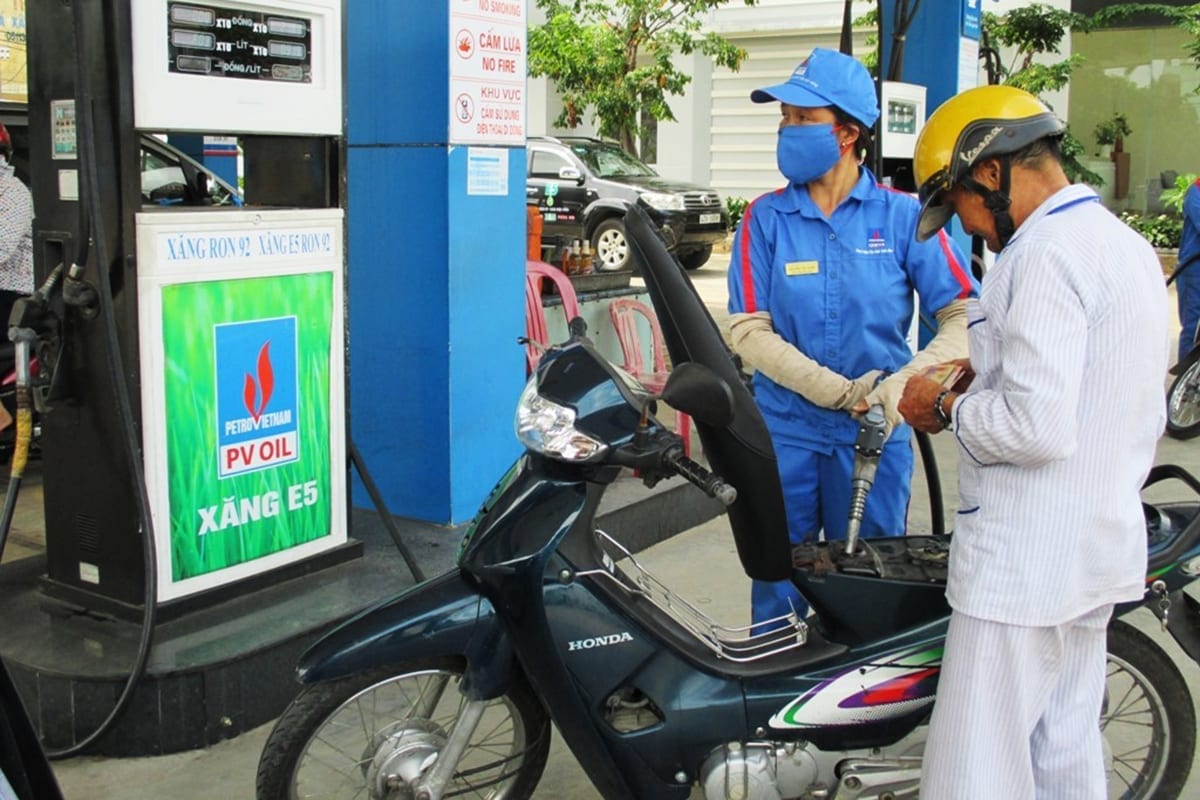
    In Vietnam, gasoline prices experienced a minor decrease on Thursday amidst the ongoing global price instability due to the uncertainties surrounding the peace talks between the U.S. and Iran. E10 RON95, a commonly used fuel, saw a 3.73% drop, bringing its price down to VND20,410, or $0.78, per liter.

    The biofuel E5 RON92 also recorded a decline of 5.05%, reducing its cost to VND19,730 per liter. Diesel, another widely used fuel, fell by 3.16% to VND21,170 per liter.

    Global Fuel Price Fluctuations

    Over the past week, global fuel prices have demonstrated mixed trends when compared to the previous week. These fluctuations are, in part, due to the ongoing negotiations between the U.S. and Iran, as stated by the Ministry of Industry and Trade and the Ministry of Finance.

    In an effort to minimize the impact of the escalating conflict in the Middle East on its economy, Vietnam has made a decision to continue its zero-tax policy on petroleum products until the end of September. However, the special consumption tax on gasoline will remain in place.

    Following the introduction of E10 gasoline for mass sale, approximately 980 million liters of biofuel have been consumed across the country in the first month. Out of this total, E10 accounted for a whopping 924 million liters, or 96%, while E5 consumption amounted to about 56 million liters.

    Steps to Ensure Continuous Fuel Supply

    In light of the persistent uncertainty in global energy markets, the Domestic Market Management and Development Agency under the Ministry of Industry and Trade has directed fuel importers and distributors to formulate supply plans. The goal is to ensure a steady availability of fuel across all distribution networks.

    There has also been an instruction for businesses to avoid hoarding fuel in anticipation of price hikes or supply disruption. The businesses are required to guarantee adequate deliveries to retail gas stations, particularly in remote and rural areas.

    Questions & Answers

    What caused the decrease in fuel prices in Vietnam?
    The decrease in fuel prices in Vietnam is due to the ongoing global price instability caused by uncertainties in the U.S.-Iran peace talks.

    How is Vietnam dealing with the impact of the conflict in the Middle East?
    To mitigate the impact of the conflict in the Middle East, Vietnam is continuing its policy of zero tax on petroleum products until the end of September, with the exception of the special consumption tax on gasoline.

    What measures are being taken to ensure continuous fuel supply in Vietnam?
    The Domestic Market Management and Development Agency has instructed fuel importers and distributors to develop supply plans to ensure uninterrupted fuel availability across their networks. They have also been instructed not to hoard fuel in anticipation of price increases or disrupt supply and to ensure adequate deliveries to retail gas stations, especially in remote and rural areas.

  • Iran Conflict Stalls China’s E-commerce Wave: Surging Fuel Costs and Dwindling Demand Spell Trouble for Online Giants

    Iran Conflict Stalls China’s E-commerce Wave: Surging Fuel Costs and Dwindling Demand Spell Trouble for Online Giants

    China’s e-commerce export sector is facing difficulties due to increasing jet fuel costs and a decrease in demand from lower-income consumers in the West. These challenges have arisen as a result of the ongoing conflict in Iran, which is affecting profits for major online platforms such as Temu, Shein, and AliExpress.

    The Evolving Business Model

    These companies, many of whom have business models that rely on the transportation of inexpensive goods from Chinese factories to global consumers, have been under stress since the introduction of tariffs by former U.S. President Donald Trump. The additional tariffs and the removal of customs waivers on low-value packages have put further pressure on these companies.

    Added to this, escalating logistics costs as a result of the Middle East conflict are making things more complicated. Shippers like DHL Express are now imposing significant fuel surcharges. As a result, China’s low-cost e-commerce exports experienced a decrease of 10.9% in April, which marks the fifth consecutive month of declines year on year.

    For example, Diana Qiao, a seller of women’s clothing on Temu, found it necessary to raise her selling prices due to an increase in shipping costs per garment. Qiao shared that the added cost is ultimately passed on to the consumer, a measure that was taken to protect her profit margins.

    Changing Strategies

    The decrease in export values is not only indicative of the cost squeeze but also suggests that the era of rapid growth for these large, low-cost shopping platforms may be coming to an end. These companies are likely shifting towards storing more products in warehouses for local dispatch, instead of having everything shipped directly from China.

    Shein, for example, has been increasing its warehouse capacity in Europe. The company recently opened its third warehouse in Cannock, near Birmingham in the UK. AliExpress, owned by Alibaba, confirmed its commitment to maintaining competitive pricing for its consumers and providing a stable environment for sellers and consumers, despite the fluctuating global transportation costs.

    Although exports are still higher than they were two years ago, future growth may be more challenging for companies like Shein and Temu. Both companies have already established significant market shares, and the rise in petrol prices is impacting household budgets in the US and Europe.

    Questions & Answers

    What factors are impacting China’s e-commerce export sector?
    The sector is being affected by increasing jet fuel costs and decreased demand from lower-income consumers in the West, stemming from the ongoing conflict in Iran.

    How are e-commerce companies adjusting to these challenges?
    Companies are likely shifting towards storing more products in warehouses for local dispatch, instead of having everything shipped directly from China.

    What are the future prospects for growth in this sector?
    Although exports are still higher than they were two years ago, future growth may be more challenging due to factors such as rising petrol prices and established market shares by big companies.

  • Iran Conflict Fuels Rapid Electrification of Chinas Heavy Truck Fleet Amidst Diesel Price Hike

    Iran Conflict Fuels Rapid Electrification of Chinas Heavy Truck Fleet Amidst Diesel Price Hike

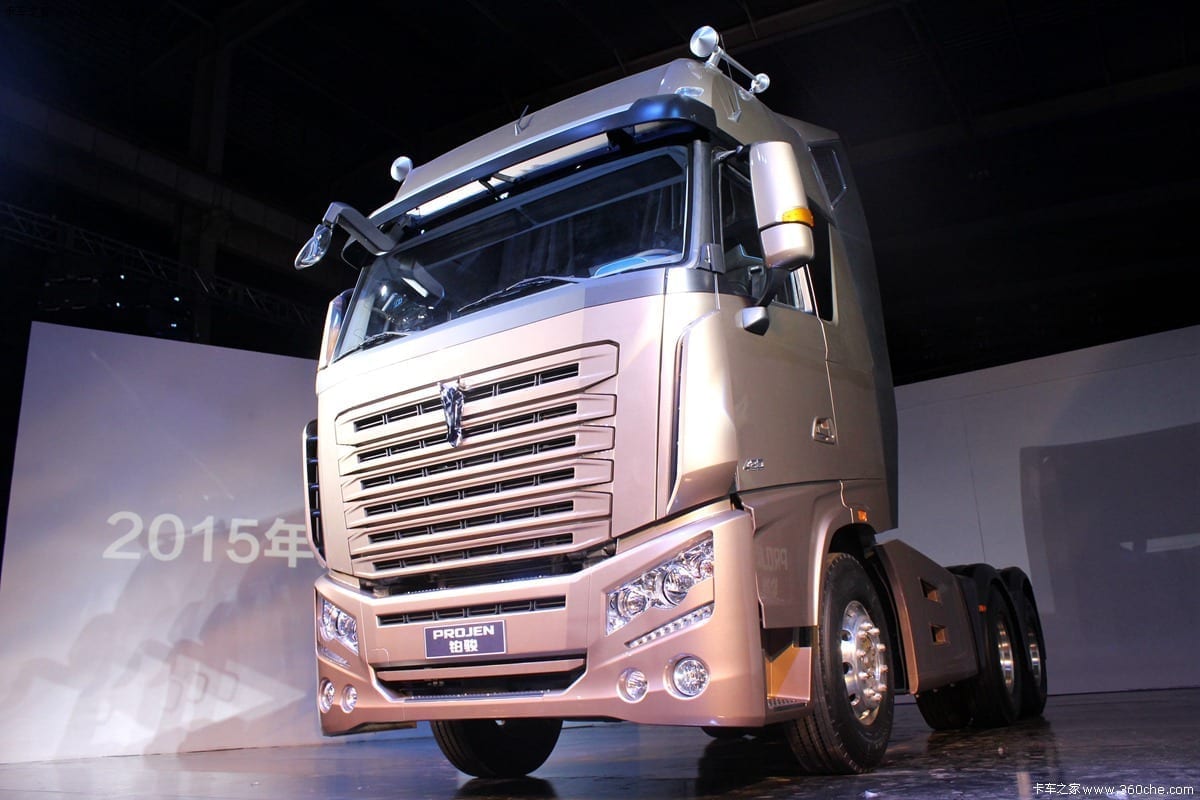
    The surge in diesel prices, precipitated by conflict with Iran, could hasten the electrification of China’s heavy-duty truck fleet this year, according to market analysts and auto manufacturers. This shift could further expedite the decline in fuel consumption in the world’s top oil-importing nation.

    The past two years have seen electric heavy-duty truck sales rise from a niche market to nearly one-third of all new heavy-duty truck purchases by 2025. This increase is attributed to government subsidies, lower refueling costs, and an expanding charging infrastructure. Growth in 2025 was particularly significant in the last quarter as buyers anticipated the termination of the trade-in subsidy program.

    Sales of new-energy heavy-duty trucks, predominantly electric, commenced this year with similar growth, increasing by 45% from the previous year to 44,000 units. This figure represents over a quarter of the entire segment, a strong increase from less than 20% a year earlier, as stated by data provider CVWorld.cn.

    CVWorld.cn also expects sales of heavy electric trucks to rise by 30% in April. The increase is likely driven by robust seasonal demand and high oil prices. According to Min Ji, a senior analyst at S&P Global Mobility, the conflict has increased China’s domestic fuel prices, inevitably accelerating the transition from conventional trucks.

    Electric heavy-duty trucks, with a range of approximately 300km, are primarily used for short hauls between industrial locations and transportation hubs. However, long-distance routes are expanding, and manufacturers such as Sany are introducing trucks with a range of up to 600km.

    The extensive electrification of passenger cars and the swift deployment of electric and liquefied natural gas-powered trucks have reversed China’s longstanding growth in the use of diesel and gasoline. Industry analysts largely predict that the demand for oil will reach its peak by 2030.

    Projections for Diesel Consumption and Export Trends

    Current predictions from energy consultancies anticipate a more rapid decline in diesel use than previously expected. GL Consulting predicts diesel consumption will decrease by 4.3% this year, in comparison with a pre-conflict estimate of a 4.1% fall. Rystad Energy forecasts a 5% reduction in diesel demand, surpassing its previous estimate of a 4% decrease, equating to a further decline of about 40,000 barrels daily.

    A 27% rise in retail diesel prices in China following the onset of the Iran conflict has made the economic case for purchasing electric trucks more compelling. Despite the higher initial cost of electric heavy-duty trucks (500,000 yuan or US$73,500) compared to their diesel counterparts (more than 300,000 yuan), nearly half the price difference can be offset through a trade-in program recently extended to the end of the year.

    The lower operating costs of electric trucks are fueling a surge in exports to Europe, which is the world’s second-largest electric truck market, albeit considerably behind China. In 2024, China’s electric truck sales reached 160,000 units, while Europe lagged with fewer than 25,000 sales, as reported by the International Energy Agency.

    Questions & Answers

    What impact has the Iran conflict had on diesel prices in China?
    The conflict with Iran has led to a significant surge in diesel prices in China, rising by 27% since the conflict began on February 28.

    What are the benefits of electric heavy-duty trucks?
    Electric heavy-duty trucks offer a range of benefits including lower operating costs, far-reaching government subsidies, and reduced environmental impact compared to their diesel counterparts.

    How is the growth of electric truck sales expected to change in the near future?
    The growth of electric truck sales is projected to continue, with a predicted increase of 30% in sales of heavy electric trucks in April. This growth is primarily driven by strong seasonal demand and high oil prices.

  • US Dollar Skyrockets Against Vietnamese Dong Amid Global Inflation Fears and Iran Conflict Developments

    US Dollar Skyrockets Against Vietnamese Dong Amid Global Inflation Fears and Iran Conflict Developments

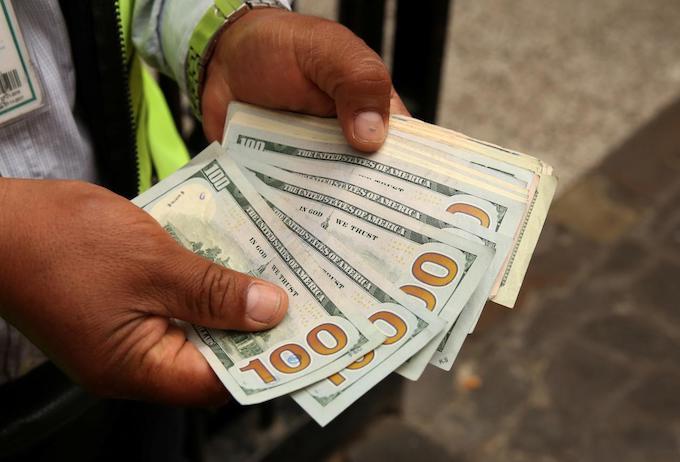
    On Tuesday morning, the U.S. dollar experienced an unexpected surge against the Vietnamese dong in the black market trading. The greenback appreciated by 0.74%, hitting a record high of VND27,390 at unofficial exchange platforms.

    Maintaining the Rate

    Despite the fluctuation in the black market, Vietcombank decided to keep its exchange rate steady at VND26,321.

    Global Market Influence

    Globally, the behavior of the U.S. dollar was somewhat uncertain on Tuesday. Traders were contemplating the potential implications of the evolving conflict in Iran. Meanwhile, the Australian dollar weakened marginally in anticipation of a potential rate hike by the nation’s central bank later in the day.

    The euro dropped 0.12%, falling to $1.1492 during the Asian trading session. Sterling also declined slightly by 0.1%, trading at $1.33. This slight decrease offset the substantial gains earned during the previous trading session. The dollar index, a measure of the U.S. dollar relative to a basket of foreign currencies, remained relatively stable at 99.913.

    Impact of Surging Oil Prices

    The escalation of oil prices, triggered by the U.S. and Israel’s attack on Iran, has raised concerns about inflation among investors. This anxiety has led to a drastic reevaluation of rate outlooks worldwide. Consequently, the U.S. dollar has appreciated against a majority of global currencies.

    Questions & Answers

    What caused the surge in the U.S. dollar against the Vietnamese dong?
    The surge in the U.S. dollar against the Vietnamese dong was primarily driven by the uncertainty surrounding the Iran conflict and the expected rate hike from Australia’s central bank.

    What was the impact of the surging oil prices on the global currencies?
    The surging oil prices, due to the U.S. and Israel’s attack on Iran, have raised global inflation concerns among investors. This has triggered a significant reevaluation of rate outlooks, strengthening the U.S. dollar against most global currencies.

    How did the euro and sterling perform during the Asian trading session?
    During the Asian trading session, the euro fell 0.12% to $1.1492, and sterling also saw a slight decrease of 0.1%, trading at $1.33.

  • Iranian Conflict Sparks 7% Surge in Vietnam’s Gasoline Prices: Government Leans on Stabilization Fund

    Iranian Conflict Sparks 7% Surge in Vietnam’s Gasoline Prices: Government Leans on Stabilization Fund

    The price of gasoline is on a continual rise, leading the government to depend on its stabilization fund to provide subsidies. On Tuesday, there was yet another increase, with the price of RON95 fuel skyrocketing by 7.69% to VND29,120 (US$1.11) per litre.

    Biofuel and Diesel Prices Also Rise

    Alongside gasoline, the prices of biofuel E5 RON92 and diesel also saw an increase. Biofuel E5 RON92 rose by 5.35% to VND26,570 per litre, while diesel prices saw a 1.59% increase, taking the price to VND30,710 per litre.

    For the first time in three years, both the Ministry of Industry and Trade and the Ministry of Finance have been forced to tap into the fuel stabilization fund. This has been done in an effort to subsidize RON95 by VND4,000 per litre and diesel by VND5,000 per litre.

    The price of RON95 is now approximately at the same level as it was in July 2022, a period when the global fuel supply chain was disrupted due to the Russia–Ukraine conflict. Diesel, on the other hand, is at its highest level since 2019.

    Global Market and Production Disruptions

    Ongoing military conflicts involving the United States, Israel, and Iran over the weekend have impacted the global market, according to ministry reports. All oil-exporting countries within the Gulf have cut down production as transport through the Strait of Hormuz is currently disrupted.

    It’s also notable that the trend of most countries stockpiling fuel has resulted in a sharp rise in global prices.

    The price of RON95 gasoline has seen a dramatic 27% increase to $147.5 per barrel, with diesel rising by 20%, kerosene by 4%, and mazut by 41%.

    Changes in Pricing and Supply

    Fuel prices in Vietnam were adjusted on Tuesday, deviating from the usual Thursday adjustment, to reflect global price changes of over 7%. Although global prices have begun to stabilize, domestic prices remain high due to a delay in the pricing cycle.

    Earlier on Tuesday, prices began to decline following a statement from U.S. President Donald Trump indicating that the conflict in the Middle East would soon come to an end.

    The prices of RON95 gasoline and diesel have dropped by around $20 per barrel in Singapore, falling to $127.2 and $160.4 respectively. These lower levels will be reflected in Vietnam after the next adjustment.

    To ensure short-term supply, Deputy Minister of Industry and Trade, Nguyen Sinh Nhat Tan announced that the government had procured four million barrels of oil from its partners. With this existing crude oil stockpile and further supplies expected shortly, he projects that the supply will suffice for 30–45 days, depending on demand and production plans at domestic refineries.

    Government Measures to Control Prices

    In addition to ensuring supply, the government is taking measures to control retail prices. They have slashed most favored nation import tariffs on gasoline and certain blending materials to zero. This move is intended to incentivize distributors to import fuel from countries that do not have free trade agreements with Vietnam.

    The Ministry of Finance has also requested that the government abolish the environmental protection tax on fuel starting March 12. Currently, this tax ranges from VND1,000-2,000 per litre, depending on the type of fuel.

    Questions & Answers

    What measures are the government taking to control the rising fuel prices?
    The government is using its stabilization fund to subsidize gasoline. They have also cut import tariffs on gasoline and certain blending materials to zero and are considering removing the environmental protection tax on fuel.

    What significant change has occurred in Vietnam’s fuel pricing system?
    Fuel prices were adjusted on Tuesday instead of the usual Thursday, due to the significant global price changes.

    How is the government ensuring short-term fuel supply?
    The government has procured four million barrels of oil from its partners, and more supplies are expected shortly. This is expected to meet domestic demand for the next 30–45 days.

  • Vietnamese Airlines Avoid Israeli and Iranian Airspace, Ensuring Safe Skies for Travelers

    Vietnamese Airlines Avoid Israeli and Iranian Airspace, Ensuring Safe Skies for Travelers

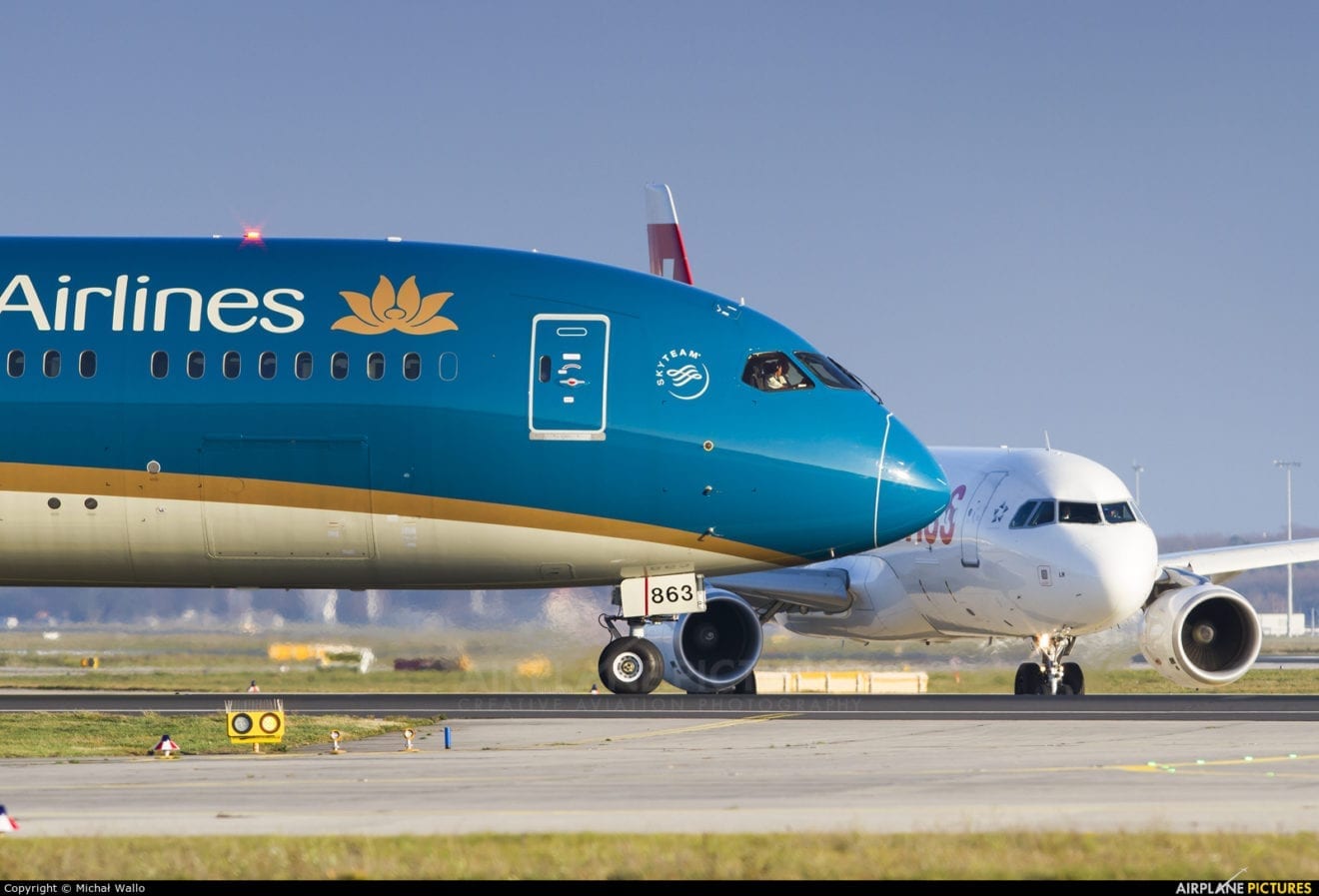
    National flag carrier Vietnam Airlines has taken decisive action to ensure the safety of its passengers and crew amidst escalating tensions between Israel and Iran. The airline has adjusted its routes to avoid potential conflict zones, a move that reflects the growing impact of these geopolitical strife on the global aviation landscape.

    Safe Skies for Travelers

    Currently, Vietnam Airlines continues to operate its flights to Europe without interruption, a reassurance shared by a representative in a statement to the Vietnam News Agency on Friday. Other Vietnamese airlines, including Vietjet Air, Bamboo Airways, and Vietravel Airlines, have also chosen to steer clear of Israeli and Iranian airspace, underscoring a collective commitment to passenger safety.

    The ripples of political tensions have not gone unnoticed in the aviation sector, as recent Israeli airstrikes on Iranian targets have prompted numerous flight cancellations and diversions worldwide. Flight tracking service Flightradar24 highlighted a significant re-routing trend among airlines seeking to sidestep the airspace over Israel, Iran, Iraq, and Jordan, demonstrating how rapid shifts in global events can lead to immediate logistical challenges for carriers.

    In a decisive move, Iraqi state media announced the closure of its airspace and halted all airport operations early on June 13. The eastern region of Iraq, which borders Iran, is a critical aviation corridor connecting Europe, the Gulf, and Asia—making the closure particularly impactful. Within hours, Jordan also locked down its airspace as tensions escalated in the region.

    Navigating these tumultuous skies is no easy task, but the quick responses from airlines illustrate an adaptive industry keen on keeping travelers safe. It’s a reminder that sometimes, the clouds of uncertainty can only be tackled with swift and careful planning.

    Questions & Answers

    What measures has Vietnam Airlines taken in response to regional tensions?
    Vietnam Airlines has rerouted its flights to avoid conflict zones, ensuring the safety of passengers and crew members.

    Are other Vietnamese airlines affected by these issues?
    Yes, Vietjet Air, Bamboo Airways, and Vietravel Airlines have also opted not to operate flights through Israeli or Iranian airspace.

    What recent events led to these changes in air travel?
    The changes followed Israeli airstrikes on targets in Iran, which triggered widespread flight cancellations and diversions as airlines sought to protect their passengers.

  • Due diligence: The key to long term success in business within Asia-Iran shipping industry

    Due diligence: The key to long term success in business within Asia-Iran shipping industry

    The Iran nuclear deal which took effect January 2016, known officially as the Joint Comprehensive Plan of Action (JCPoA), was implemented after United Nations inspectors said that Iran had dismantled a large portion of its nuclear programme.  The Iranian economy has grown because of these easing of sanctions and Iran remains one of the last great untapped emerging markets.  Now that Iran can return to the oil market, the government hopes to rebuild the country’s energy industry and capture an increased share of the global market by shipping an estimated 300,000 barrels per day.  For all parties involved, the continued criminal activity of a few risk sullying the image of an industry working hard to remain transparent and prosperous.

    Since the easing of the United Nations’ sanctions on Iran in January 2016, Iran has been making significant efforts to increase trading and business with the rest of the world.  Especially within Asia, there remains significant economic potential for growth in pursuing business opportunities with linkages with Iran.  Asia is the biggest importer of Iran’s crude oil with the top four countries of China, India, South Korea and Japan, totalling a combined average of 1.60 million barrels per day.  Since the sanctions ended, the Iranian government has tried to in­crease production rapidly to reclaim Iran’s market share, especially in Asian markets.  Iran’s shipping industry is one of the main areas which will benefit from the easing of sanctions, as many global companies are increasing their foreign interest and investment in shipping companies and ports within this trade route.  However, despite optimism of a corruption-free future within the industry, criminals are still engaging in illicit shipping practices which risk undermining the progress in the industry made to date.

    While not an everyday occurrence, as recently as March 2017, Iran was shipping weapons and equipment to Yemen’s Houthi rebels.  The Houthi rebels are engaged in a civil war with the Yemeni government.  Iran was using cargo ships to deliver these supplies to Yemen either directly or via Somalia, bypassing Western efforts to intercept the shipments.  Once arrived at the Yemeni ports, the supplies were transferred from the cargo ships to small fishing boats to complete the final leg of the journey.  Policing and enforcement, even if local authorities attempted to interdict, is extremely difficult due to the sheer number of small fishing vessels in these waters.

    Reports also indicated that the Islamic Revolutionary Guards Corps (IRGC), under the Iranian military, set up shell companies to facilitate the illegal shipment of weapons and illicit goods.  In addition to weapons, the IRGC is suspected of illegally importing other high-profit items such as alcohol, cigarettes and satellite dishes. The IRGC also commandeered some of the commercial ports in Iran to maintain direct control of other illicit activities.

    Before the implementation of JCPoA in January 2016, for decades, Iran survived crippling economic sanctions and international isolation.  Iran found ways to circumvent and evade sanctions through a host of illegal business dealings, illicit shipping practices and contraband smuggling.  For example, Asian buyers of Iranian’s oil paid with their local currency, which avoided the transactions from being registered within the financial systems visible to the United Nations.  The funds were then used to buy capital and consumers goods in these Asian countries.

    In both instances, illegal modus operandi like forging shipping manifest and bills of lading, and other paperwork in the process, was used to obscure country of origins, and sometimes, destinations.  From 2013 to present, criminals continue to find ways to hack the Automatic Identification System (AIS) of shipping vessels to disguise their identities.  One of these hacked vessels even entered the water off of eastern Singapore.  The AIS, which is a system used to track maritime shipping around the world, remains vulnerable to cyber criminals involved in these same illicit dealings.  Despite sanctions being relaxed and the significant potential opportunities everyone can legally pursue, a few recalcitrant parties still engage in these shady practices for monetary gains or other political goals.

    Albeit fewer in number when compared to when before sanctions were relaxed, criminal actions of individuals, businesses and/or governments place the improvements in image and transparency made to date in the shipping industry at risk.  These criminals operating within the industry deter the crucial foreign investment as required at this time to expand and grow.  Executives leading the industry must implement more robust due diligence practices as part of “Know Your Client” (KYC) requirements in evaluating new, and existing, business partners.  It is the responsibility of the executives of companies working within this industry to proactively ensure their companies have implemented a framework for checks and balances to best root-out corruption and demonstrate compliance with international law.

    While a global problem, executives within shipping companies involved in the Asia-Iran trade routes must more aggressively focus on this problem due to the quickly evolving nature of this emerging market.  This will help ensure legitimate companies do not unknowingly become a pawn in shady business dealings by associating with criminal elements.  Robust due diligence measures, including investigations and audits, must include any new relationship and also incrementally be incorporated to evaluate existing client relationships.  Evaluating representative agents, vendors, suppliers and any international relationships will help reduce the risk of a company unknowingly being involved with a blacklisted or sanctioned foreign government official, state-owned enterprise, or otherwise illicit entity.

    The private sector must be the drivers of change to pursue a zero-tolerance, corruption-free working environment which is fully compliant with industry best practices and international law.  Working together, this will uplift the industry as a whole, increase efficiency in the process, attract global investment, and ultimately result in improved long-term profits for all who strive to root out the residual corruption remaining in the industry.

  • Germany To Help Iran’s Port Infrastructure

    Germany To Help Iran’s Port Infrastructure

    Germany, which has been aggressively pushing for closer economic ties with Iran following the lifting of international sanctions against the latter, wants to play a pivotal role in the modernizing and upgrading of Iran’s dilapidated infrastructure and transport system. Germany signed six memoranda of understanding (MoUs) aimed at boosting transport cooperation following a late October meeting between Abbas Akhoundi, Iran’s minister of roads and urban development, and Alexander Dobrindt, Germany’s minister of transport and digital infrastructure, who led a delegation of major German shipping, port and marine companies.

    Iranian and German sources said that a German company is participating in a tender for completing two terminals at Chabahar Port in southeastern Iran, which was recently in the news because India is keen to develop it for strategic and trade reasons. German multinational Siemens is holding talks with Iran for developing suburb transport in Tehran and Tabriz, as well as the rail lines between Tehran and Tabriz.

    The lifting of sanctions against Iran has led German business executives and the shipping industry to tap what they describe as “huge business potential.” Hamburg Port, for example, has been trying to identify areas and ways to establish and upgrade ties with that country’s port facilities.

    Since the imposition of sanctions, Iran has struggled to have a normal trading relationship with the outside world. While the German industry has been euphoric – and this applies particularly to Hamburg, whose port prides itself as the “gateway to Asia” – the realities are different; indeed, access to Iran’s lucrative market is not an easy undertaking.

    Strategically located at the crossroads between the Arabian Peninsula and Central Asia, with ports in the Caspian Sea and the Gulf region, Iran is interesting for shipping lines. Iran also offers opportunities for foreign investment in important sectors such as oil and gas, electricity production, air, sea and road infrastructure, telecommunications, etc.

    Described as part of the “Axis of Evil” in 2002, Iran’s breakthrough came on January 16, 2016, when the first of the multiple layers of trade sanctions were removed, breaking the shackles that badly inhibited that country’s shipping and trade, and giving it access to huge sums of money that had been frozen under the sanctions regime.

    However, experts at a special event in Hamburg a few months back told shippers and others that only part of the sanctions had been lifted on January 16. While the ban on imports of Iranian oil and gas products, and against the country’s ship-building and shipping sectors, had been lifted along with restrictions on bank remittances, the situation remains complex in the sector of so-called “dual use” goods, which can be used both for civilian and military purposes.

    One of the first to take advantage of the lifting of sanctions was European aerospace company Airbus, which has bagged aircraft orders from Iran Air to replace its outdated A340 aircraft. The city of Hamburg, experts say, could flank trade with Iran by providing expertise in several areas, including modernization of Iran’s fleet of mercantile ships.

    US companies are not, yet, permitted to have dealings with Iran, although their associate companies in Europe can do so. However, weapons and certain police equipment are still prohibited. Also prohibited are deals with companies that are controlled by Iran’s revolutionary guards or those that have supported Iran’s atomic programme.

    Iran has been trying to recruit German companies to set up operations, particularly in the seven free trade zones in Iran for which the government has been dangling carrots in the form of incentives, including a 20-year tax holiday. Since Iran is keen to join the World Trade Organization, it has been trying to highlight the fact that many of its old agreements on trade and legal protection are in force. However, new companies to be established in Iran will be governed by certain religious laws and, as such, are required to have a Persian name or title, as Iranian legal experts have been saying during meetings with German companies. “Such a requirement can be a deterrent because many German companies are unsure what the implications would be on their business. I would suggest that companies do their homework before moving large-scale investments to Iran,” one German-Iranian told on the condition of anonymity.

    Meanwhile, Iran is in a rush to catch up with the rest of the world by modernizing its infrastructure and its economy.

    Hamburg and its port stand to benefit immensely from Iran’s opening. In 2014, German exports to Iran amounted to some €2.4 billion (approximately US$3.1 billion, in 2014 dollars), while imports from Iran were about €300 million, according to numbers from the German Statistics Bureau. Hamburg’s two-way trade with Iran amounted to roughly €214 million in the same year. International trade experts at Hamburg’s Chamber of Commerce are optimistic that German trade with Iran would double from its present level after all sanctions are lifted.

    Some 353 companies based in Hamburg already have business connections with Iran. Despite sanctions, some of these companies maintained business ties with Iran even during the embargo period. Hamburg, which is by far the world’s leading trading hub for Iranian products, including carpets, has the largest concentration – about 20,000 – of Iranian nationals or people of Iranian origin in Germany; the city hopes to resume its once flourishing trade and shipping through the Iranian diaspora.

    Another important German state interested in trade with Iran after the lifting of sanctions is Hesse, which recently sent a 40-member delegation led by Hesse minister for economics, energy and transport Tarek Al-Wazir to Iran. The trade volume between Hesse and Iran was around €212 million in 2015 (US$230 million), according to the state’s economics ministry.

    “The reputation of products and services offered by Hesse is traditionally good in Iran,” Al-Wazir said. There is huge potential in the expansion of the processing industry, the transport infrastructure and in urban development.

    During German minister for economic affairs and energy Sigmar Gabriel’s visit to Iran in early October, Gabriel’s second visit to Iran within 14 months, Iran’s oil minister had said that German banks were becoming a hindrance. “We have billions (of dollars) with which we could do good business with the Germans,” Bijan Namdar Zangeneh, the oil minister, was quoted as saying after his meeting with Gabriel in Tehran.

    The money cannot be transferred due to problems with the banks. Iran’s minister told journalists that that “is bad for us, but also bad for the Germans.”

    Germans say that although the sanctions against Iran were lifted in January, trade has not made much headway. A precluding factor is that part of the punitive measures – the so-called secondary sanctions – imposed by the United States are still in force. German and European banks are, consequently, dissuaded from financing Iran deals. In 2015, for example, Germany’s Commerzbank paid a hefty US$1.45 billion fine to US authorities because of violating American sanctions in deals with Iran. France’s large bank BNP Paris also had to pay a billion-dollar penalty.

    Iran’s economy has not done badly, with the International Monetary Fund forecasting an average growth rate of 4% for the next five years. Official Iranian projections suggest a GDP growth rate of 5% for 2016.

    Iran’s neighbour Turkey is also eyeing the opportunities unfolding in Iran; Turkey offers itself as an ideal transit point for German and other western companies wanting to enter Iran. Turkey trumpets its “manifold advantages,” particularly, for SMEs which can enjoy customs duty benefits. Turkish experts, who say that all the machinery and production tools in Iran are outdated, believe that German companies, with their past trade relationship with Iran, can look forward to a welcoming market with huge investment needs.

    Some German companies are looking at using Turkey to tap Iran’s huge business potential. Since 2014, Turkey has a preferential trade agreement with Iran. This agreement eliminates many customs duties. German companies can save customs duty twice because Turkey, a member of the European Customs Union, exempts German products from customs duty on exports to Turkey. All products shipped from Turkey to Iran are treated as Turkish products and thus spared the customs duties.
  • Iran, Indonesia talk banking ties

    Iran, Indonesia talk banking ties

    An Iranian banking and financial delegation has paid a visit to Indonesian capital city of Jakarta to discuss facilitating banking ties between the two countries.

    During the visit, the sides called for removing the obstacles hindering the expansion of banking ties between the two countries, IRNA news agency reported Oct. 29.

    The Iranian delegation, headed by Ahmad Azizi, a high advisor to Governor of the Central Bank of Iran Valiollah Seif, pointed to the existing capacities for cooperation between the two countries and urged for broadening the ties, particularly in banking and financial spheres.

    The sides further laid great stress on the need for establishing direct banking relations between the banks of the two countries aimed at deepening trade ties.

    The delegations also agreed to keep in touch as long as banking ties are restored between Iran and Indonesia.

    Although the nuclear related sanctions on Iran were lifted following the implementation of the Joint Comprehensive Plan of Action on January 16, Iran still has difficulty establishing banking ties with leading banks as they are worried about running afoul of US regulations.

  • Iran’s first LPG cargo for Pertamina arrives in Indonesia

    Iran’s first LPG cargo for Pertamina arrives in Indonesia

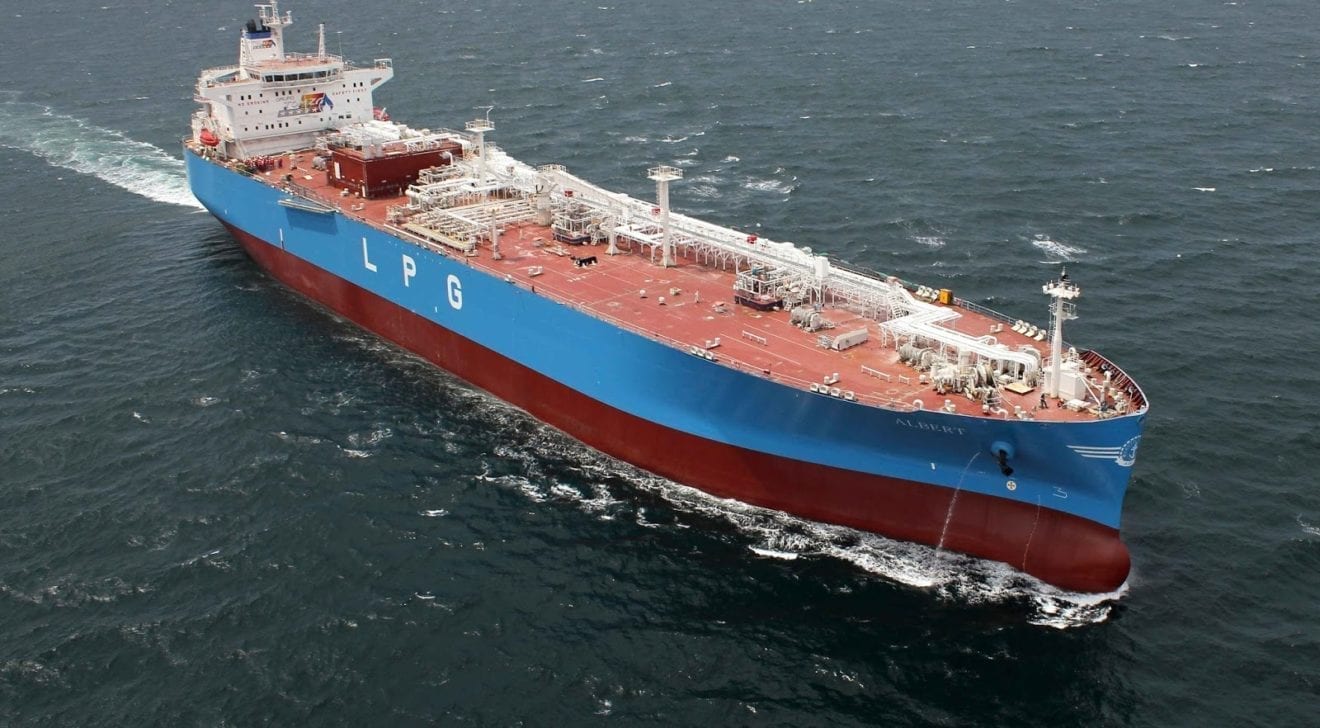
    State-run energy giant Pertamina officially received a cargo of liquefied petroleum gas (LPG) from Iran on Thursday, marking Iran’s first shipment as a new supplier of LPG to Indonesia.

    Pertamina president director Dwi Soetjipto welcomed the 44,000 metric tons of LPG transported from Asaluyeh Port in Iran 13 days ago by its VLGC Pertamina Gas 2 vessel, at Kalbut Port in Situbondo, East Java.

    According to him, the LNG shipment from the National Iranian Oil Company (NIOC) would open up other business development opportunities between Pertamina and the NIOC, in both the upstream and downstream sectors.

    “It marks a new chapter of cooperation between Pertamina and the NIOC and makes trade cooperation between Indonesia and Iran more significant,” Dwi said in a statement on Thursday.

    Earlier, the NIOC agreed to supply Pertamina with a total volume of 600,000 tons of LPG for 2016 and 2017.

    Following the arrival of the first cargo, the NIOC will immediately send the next cargo, which is expected to arrive on Nov. 20.

    In addition to the LPG purchase, the two state-run companies signed an agreement to conduct a preliminary study of two giant oil fields in Iran, namely Ab-Teymour and Mansouri, which have an oil reserve of more than 5 billion barrels.

  • Indonesia’s Pertamina targets stakes in two Iranian oil, gas blocks

    Indonesia’s Pertamina targets stakes in two Iranian oil, gas blocks

    Indonesia’s state-owned Pertamina will sign a memorandum of understanding with the National Iranian Oil Co. next month to develop oil and gas blocks in Iran.

    Under the initial agreement, Pertamina will be allowed access to data on four Iranian oil blocks, a senior company official said Friday.

    “There are two to four blocks that will be evaluated based on the initial study. Of the four, there are two blocks that will be our priority,” Syamsu Alam, Pertamina’s upstream director, said.

    Pertamina expects to get an additional production of 30,000 b/d from each block if it is allowed to acquire the blocks, Alam said.

    Indonesia and Iran have recently intensified efforts to cooperate. Pertamina and NIOC recently signed a heads of agreement for the latter to supply refrigerated LPG to the former. Pertamina is also planning to import a 1-million-barrel cargo of Iran Light crude oil in the third quarter of this year to test the grade at its 348,000 b/d Cilacap refinery in Central Java

    Pertamina has allocated a capital expenditure of $5.31 billion this year, of which 72% is for upstream business. The company plans to spend $2 billion on upstream mergers and acquisitions this year.

    The state-owned company’s overseas blocks produced 83,000 b/d in May 2016 compared with 75,000 b/d in May last year. The increase mainly came from the company’s 10% stake in the West Qurna block in Iraq.

    Pertamina has three producing oil and gas blocks located in Malaysia, Algeria and Iraq.

    The company produced 306,250 b/d of crude in Q1 2016, up 14.5% year on year. Gas production rose by 22.2% year on year in Q1 this year to 1.98 Bcf/day, Alam said. The company is targeting production of 327,000 b/d of crude and condensate and 1.926 Bcf/d of gas in 2016. The figure is equal to 659,000 b/d of oil equivalent, up 10% year on year.

    With limited options domestically, the company is looking at growing its production via acquisition of overseas blocks. It is in advanced talks with Russia’s Rosneft to take a stake of about 10%-15% in two oil gas blocks in Russia. The company is aiming to get 35,000 b/d of production and 200 million barrels of reserves from those blocks.

  • Indonesia to reopen banking transactions with Iran

    Indonesia to reopen banking transactions with Iran

    Indonesia said it is open to resume banking transactions with Iran following the lifting of economic sanctions against Iran.

    “Banking relations, an obstacle we are facing, will soon be resumed,” President Joko Widodo said after receiving Irans Foreign Minister Mohammad Javad Zarif on the sidelines of the 5th Organization of Islamic Cooperation Extraordinary Summit on Palestine and Al Quds here on Monday.

    The President said economic and investment cooperation between the two countries had been hindered because banking transactions were closed due to the imposition of economic sanctions against Iran.

    He said Indonesian banking authorities had agreed to follow up on the cooperation plan.

    “The chairman of the Financial Service Authority (OJK) said just now that the banking transactions would soon be resumed to develop and strengthen economic relations between the two countries,” he said.

    Bank Indonesia (the Central Bank) and OJK would discuss the mechanism for cooperation with Iranian banking officials.

    Due to the imposition of economic sanctions several years ago, Iranian banks were unable to conduct transactions with overseas banks.

    Since Irans nuclear program came to be known in 2002, the United Nations, the European Union, the US and several other countries had imposed economic sanctions on Iran.

    After these sanctions were revoked, the flow of trade to and from Iran is expected to become easier.

  • LG Electronics opens Middle East stores

    LG Electronics opens Middle East stores

    South Korea’s LG Electronics is making a strong push into the Middle East, opening premium brand shops in the area.

    The company is deliberately positioning its brand at the higher end of the market to differentiate it from lower cost brands.

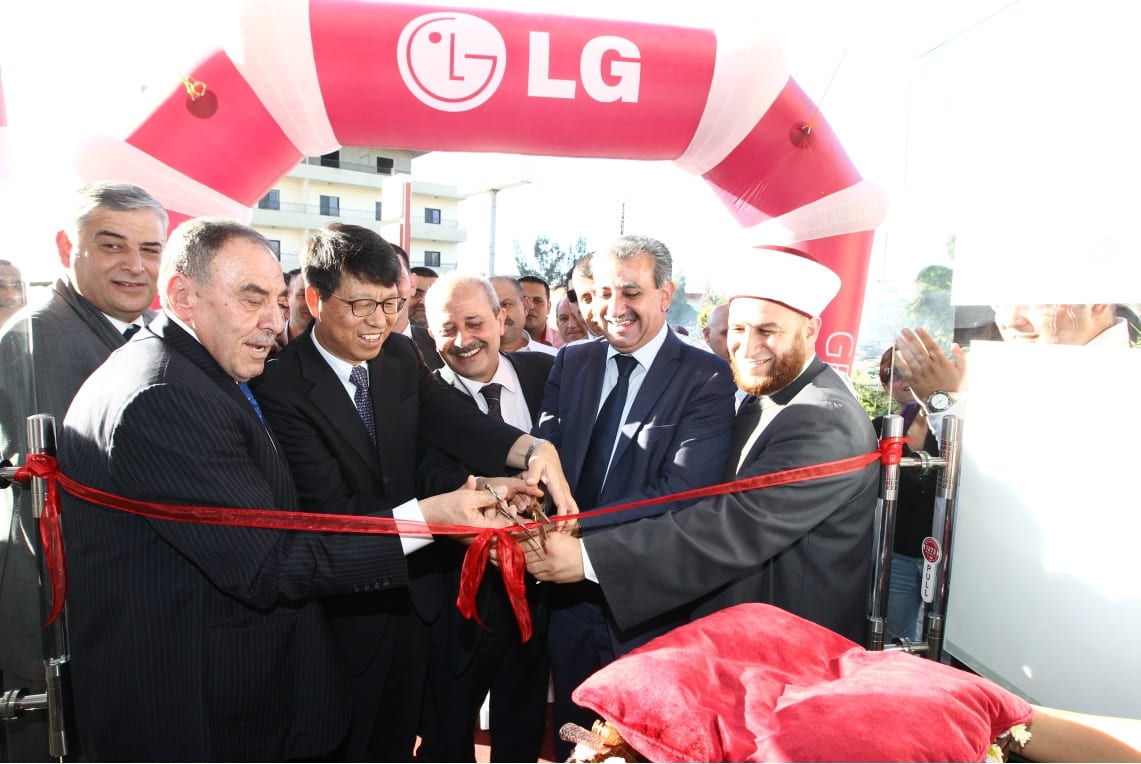
    LG says it has opened a premium brand shop in Jordan on Mecca Street, the premium home electronics business district. The shop is the third premium brand outlet to open in the region this year after Tehran in Iran and Beirut in Lebanon.

    The Jordan store is the largest of the brand’s shops in the area. The exterior of the store is made of glass, allowing potential customers to look inside. A video pillar that shows a moving image on an LED screen is set on the outside of the building.

    The latest premium products from LG electronics, such as a 65-inch ultra all-red TV, 105-inch curved surface ultra HD TV, double magic space refrigerator, and premium smartphones are exhibited. Consumers can actually use the devices and learn about their features in the convenience room.

    LG Electronics is planning to expand its premium brand shops to other major countries in Africa and the Middle East.

    “We will strengthen our leadership in the premium market through the premium brand shops that maximise convenience in living,” a company spokesman said.