
Tag: iri

  • Binance Launches Billion-Dollar Crypto Rescue Initiative

    Binance Launches Billion-Dollar Crypto Rescue Initiative

    Binance invites participants to support the crypto industry via a rescue initiative, to which it will initially commit $1 billion.

    Binance has established the Industry Recovery Initiative (IRI), which includes its own initial commitment of $1 billion, according to a blog post by the crypto giant.

    The IRI is not an investment fund, Binance said, adding that it intends to increase the amount to $2 billion soon if the need arises.

    The initiative is expected to last about six months with flexibility on the investment structure, be it token, fiat, equity, convertible instruments, debt, or credit lines. The committed capital must be set aside within public addresses to ensure transparency.

    Aside from Binance, there are other existing IRI participants, including Jump Crypto, Polygon Ventures, Aptos Labs, Animoca Brands, GSR, Kronos, and Brooker Group which have made an initial aggregate commitment of around $50 million. 150 applications from companies seeking to provide support have also been received.

    On the participation of traditional financial institutions, Binance said it was open to exploring other deal structures for those keen as such firms may be unable to send money to a public address.

    On the targets for capital deployment, IRI is aiming for companies with «innovation and long-term value creation, a delineated and viable business model, and a laser focus on risk management.

    Aside from funding support, we plan to provide founders and projects with comprehensive support – from formation, technical execution, fundraising, and more – so that they can emerge and grow stronger from the crypto winter, the post added.

    Meanwhile, the crypto winter persists following the collapse and subsequent revelations of the fallen exchange FTX. Binance had planned initially to acquire FTX but backed out one day after signing a non-binding agreement citing concerns from due diligence and news reports.
  • Priceline expands partnership with IRI

    Priceline expands partnership with IRI

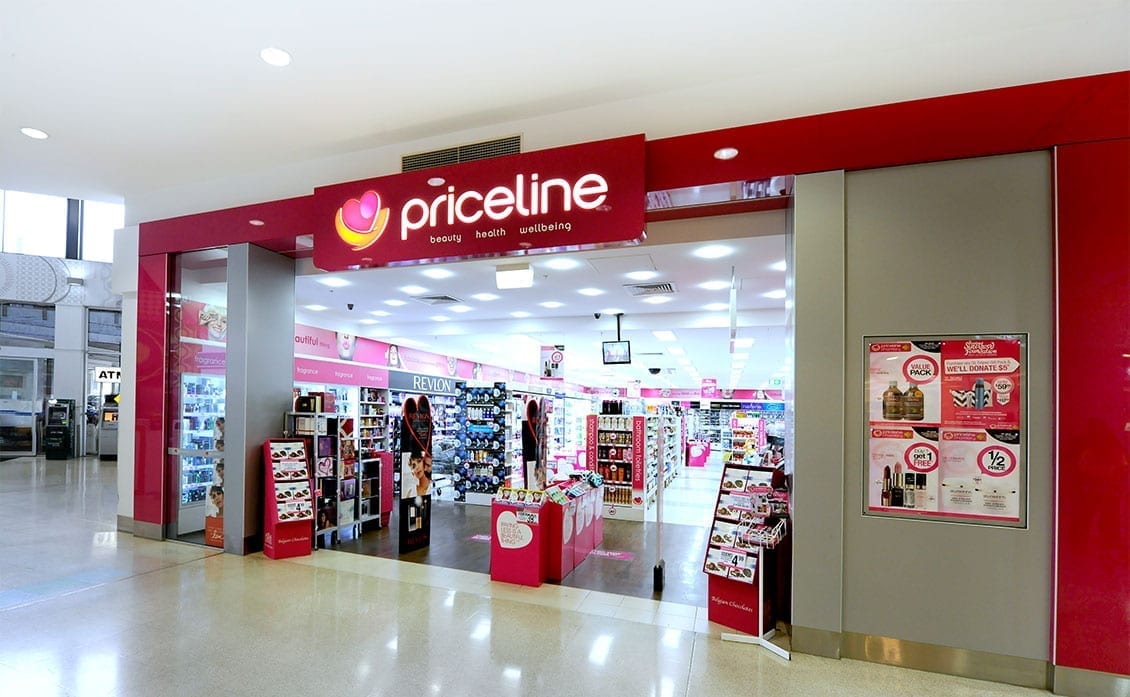
    Market research company IRI announced a significant expansion to its partnership with Priceline on Monday morning which will help the pharmacy deliver an improved range for customers.Priceline will use IRI technology to support category management and improve planning and collaboration with supplier partners, which will ultimately lead to the improved range, convenience and price for Priceline customers.

    “I am very pleased that we are able to announce our expanded partnership with IRI,” David Ginsberg, head of buying for Priceline said in a statement.

    “We already have a good understanding of our Priceline customer, however joining forces with a global leader in big data and analytics will allow us to further strengthen our knowledge and, more importantly, improve their experience when shopping in our stores.”

    Paul Hinds, managing director Asia Pacific for IRI, said the partnership will find new ways to “delight and engage” Priceline customers.

    “This partnership will augment our knowledge and result in better and faster decision making,” Hinds said.

    “Together with our supplier partners, we will have a more holistic view of our customers and be able to better anticipate and cover their current and future needs.”

    “Fifth straight year of growth”

    The partnership comes alongside Roy Morgan research which notes 23.3 percent of Australian women purchase cosmetics from Priceline – almost double the figure from four years ago.

    In fact, Priceline is beaten only by Supermarkets for market share in the beauty category, which holds 24.9 percent of the market.

    “The cosmetics industry is a very competitive one with pharmacies and chemists, supermarkets, department stores, and discount department stores all vying to increase their share of the market and looking for an edge to retain existing customers and draw in new ones,” Roy Morgan chief executive Michele Levine said.Adtech Ad

    “Meanwhile, Priceline is enjoying its fifth straight year of growth in the market, fueled by a hardcore base of 18-24-year-olds and successful use of the growing online channel.”

    This age category is Pricelines bread and butter, according to Levine, who notes that almost half (41.5 percent) of 18-24-year-old women who purchased cosmetics in an average six month period did so at Priceline.

    “No other retailers are seeing even close to this level of market power over a particular age group,” Levine said.

  • Turning data into Useful Insights in the age of IoT

    Turning data into Useful Insights in the age of IoT

    If you think about what your home was like even just a few years ago, life was very different. Think about what grocery shopping was like. You’d open your fridge door to check out what’s missing, scribble down on a notebook a shopping list of what you need, turn off the aircon and switch on the alarm before you left the house and leave.

    Now, your smart fridge automatically knows when you’re running low on milk and will order the specific brand and size that you prefer and have it delivered to your front door. Left home and forgot to switch the aircon or alarm on or off? Simply view the app on your smartphone and tap your appliances on or off.

    Known as the Internet of Things (IoT), people are consuming information from more connected devices and as a result, marketing practices are rapidly changing. Retailers need to learn how to speak to customers through more channels than before.

    As IRI’s product solution director Adam Fisher explains, while more devices are creating more communication, marketers are getting blocked where they weren’t before. What happens when your fridge starts ordering groceries for you? Where a marketer could previously capture customers at the shelf in a grocery store, they now need to work out how to get your attention when the fridge automatically orders milk to your doorstep.

    “From a marketer’s standpoint, there are so many devices vying for people’s attention — How do you get the right person’s attention at the right time?” Fisher asks.

    According to Fisher, one of the biggest challenges for retailers is knowing how to turn all the data into actionable information.

    “It’s knowing how do I bring [the information] in, how do I make sense of it, but on top of that, how do I know when I need to do something when it’s signalling something?” he asks.

    Creating cut-through

    Marketing automation can give brands more insights and data into how people are responding to these different channels and how they should be approached, suggests Fisher. It’s one of the biggest trends in retail today and can help businesses engage with their customers by programmatically finding the optimal marketing and promotional activities for defined customer segments.

    A major benefit of IoT is the fact that based on all this new information from devices, brands and retailers are able to bring products to market faster, allowing them to keep up with the ever-changing retail landscape.

    However, it is vital that businesses have the right infrastructure in place in order to deliver real business growth.

    Fisher says: “It is important that they have the technology and the right partner in place. In order to do this, brands and retailers will have to combine mobile and cloud technology infrastructure and go entirely digital to build a new business model by connecting people, things, processes, and data to keep up with technological innovation. That is the essence of what we do at IRI, is connecting the dots to help make faster and stronger business decisions.”