Tag: islam

  • Islamic clothing market growing to US$88bn by 2025

    Islamic clothing market growing to US$88bn by 2025

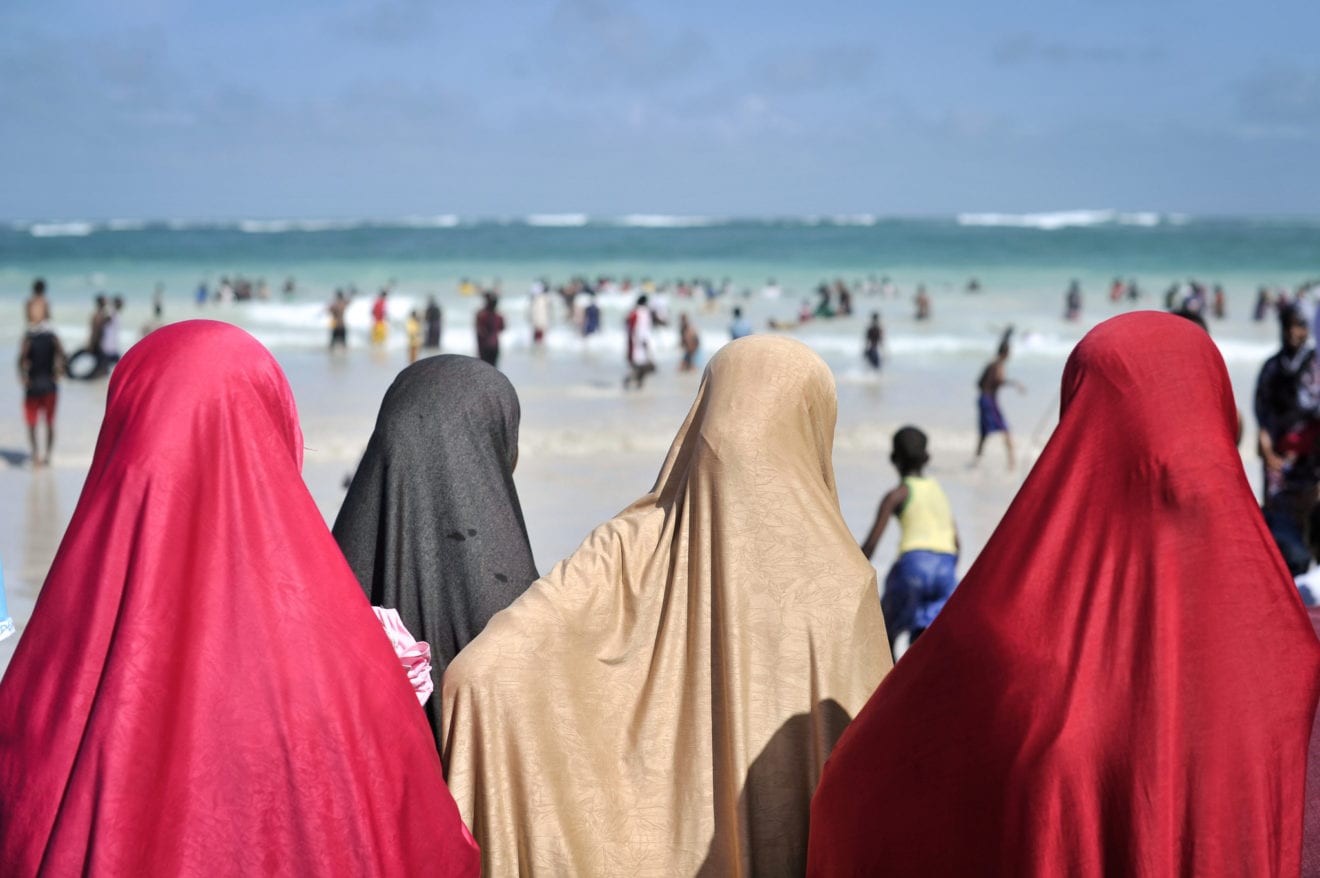
    The global Islamic clothing market is expected to reach US$88.35 billion by 2025, according to a new report by US marketing and consulting firm Grand View Research. Increasing expenditure by Islamic populations on lifestyle and apparels, especially among the wealthy, elite, and traditional Middle Eastern populations, is expected to propel demand.

    In 2017, ethnic wear accounted for 70.9 per cent market share, in terms of revenue, owing to rising demand for abayas, hijabs, thobes and jubbas in countries with a high Islamic population. The burkha and naqaab segment is expected to expand at a CAGR of 5.4 per cent from 2017 to 2025, owing to increasing demand from Middle Eastern countries – including Saudi Arabia, the UAE, and Iraq.

    Sustainable fashion is expected to register a CAGR of 4.9 per cent over the forecast period on account of the shifting focus of leading fashion brands towards the development of innovative clothing options for the younger population. The Asia-Pacific region accounted for 31.3 per cent of revenue in 2017, with more than 63 per cent of the world’s Muslim population located in Indonesia, Pakistan, India, Bangladesh, Myanmar and Morocco.

    Key players operating in the Islamic clothing market include House of Fraser, Marks & Spencer, Aab, H&M, and Mango, which are catering to the rising demand for diverse options from different parts of the world.

    Major countries outside the Western fashion industry contributing to a significant share include Malaysia, Turkey, and Indonesia, where the industry is highly lucrative.

    However the research says controversies around losing the ethnic value of Muslim clothing due to its shift towards mainstream fashion industry may hamper market growth. Initiation of various marketing campaigns by industry players in line with maintaining the core of the Muslim precepts – Sharia, or the Islamic law – is projected to propel growth of the Islamic clothing market.

    In addition, increasing demand for modest-yet-fashionable clothing, especially from the younger generation with high purchasing power, is likely to complement market growth.

    Increasing reservations regarding over-commercialisation of what is primarily meant to be a rigorous religious mandate can pose a challenge to market players. In addition, involvement of multinational fashion brands is projected to restrain growth of the small Islamic clothing companies.

  • Indonesia launches master plan to breathe new life into Islamic finance sector

    Indonesia launches master plan to breathe new life into Islamic finance sector

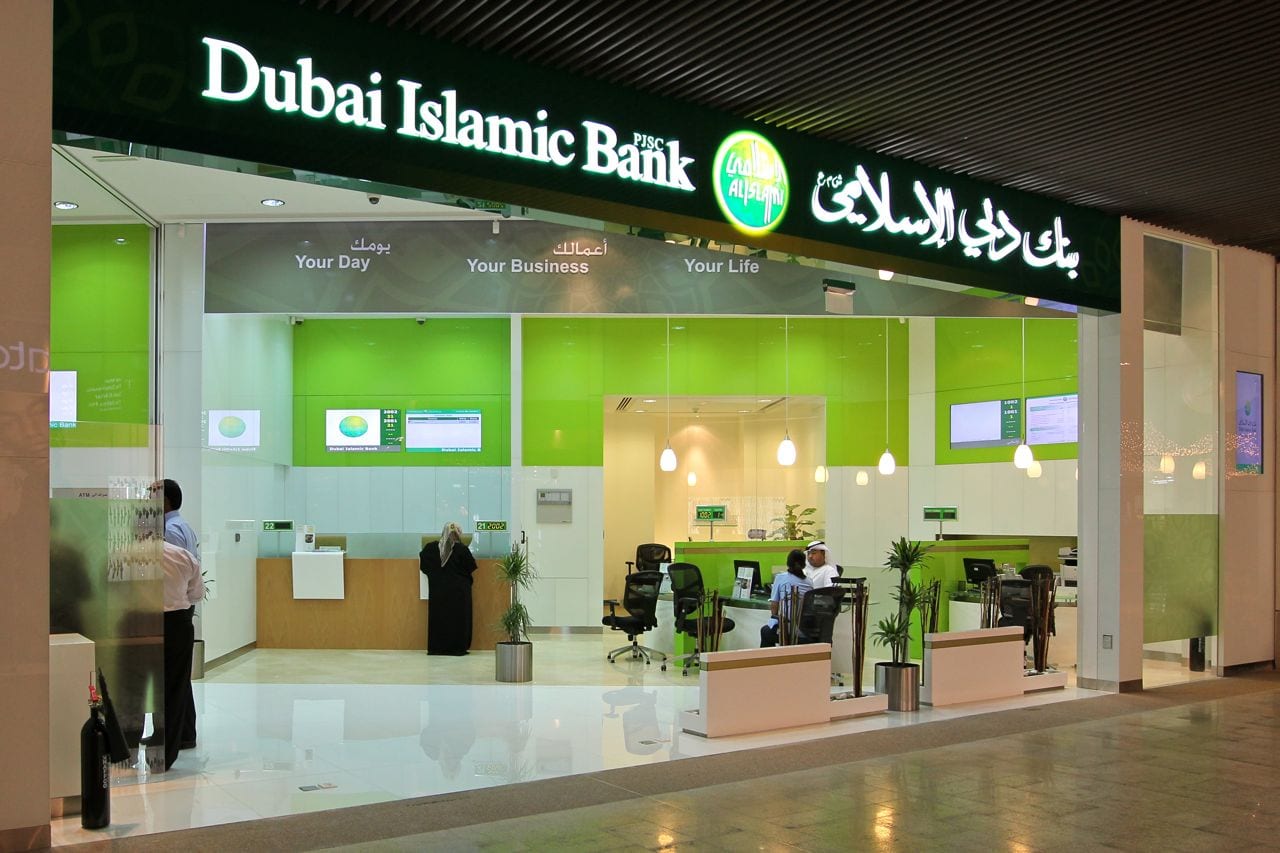
    The Indonesian government has launched a national master plan to develop its Islamic finance industry, the latest effort aimed at awakening what is still a niche sector in the world’s most populous Muslim country, Reuters news service reported.

    Islamic finance was introduced in Southeast Asia’s largest economy more than two decades ago but it has managed only modest gains in the country of 250 million, despite multiple regulatory efforts and grassroots initiatives.

    Indonesian Islamic banks hold roughly 5 percent of total banking assets, compared with more than 20 percent in neighbouring Malaysia and about a third of total banking assets in several Gulf countries. The government aims to drive its planned breakthrough via a range of initiatives, from mobilising Islamic charitable funds to modernising investments made by Indonesia’s pilgrims’ fund.

    “This could finally awaken Islamic finance in Indonesia to allow the country to claim its true potential,” managing director of IFAAS Farrukh Raza said, an Islamic finance consultancy which designed the 10-year master plan. “We found that government efforts are very comprehensive but also very scattered. Regulations are there but there is no coordination, promotion is fragmented and those expenses are not always bearing fruit.”

    The initiatives include a government policy to increase use of Islamic bonds, or sukuk, by issuing debt instruments related to infrastructure development, agriculture and education. Under the policy, the government would increase its use of Islamic debt instruments to as much as 50 per cent of total issuance in 10 years time, Raza said.

    Currently, Islamic instruments represent around 13 percent of total outstanding government debt, according to Thomson Reuters data. Indonesia’s pilgrims’ fund would also see the establishment of a dedicated asset management arm to implement a more rigorous investment policy and attract external fund managers.

    The fund receives an estimated $800 million every year from Indonesians wishing to make the Hajj pilgrimage to Saudi Arabia, with new applicants facing a quota backlog of around 15 years, Raza said. “The industry is overconcentrated in retail but there is little in terms of wholesale banking. That is one of the big show-stoppers,” said Raza.

    The establishment of a national coordination committee, possibly chaired by Indonesia’s President Jokowi, Raza said, would help ensure implementation of longer-term objectives, potentially seeing Islamic finance take as much as a 20 per cent share of the financial sector in 10 years time. An additional layer of more complex measures, such as the merger of several state-owned Islamic banks, could help raise that figure to 30 per cent, Raza added.

  • Government fine watch shop over Aishwarya Rai photo

    Government fine watch shop over Aishwarya Rai photo

    The photograph below is from a Longines advertising campaign, and features arguably India’s most famous Bollywood star, Aishwarya Rai.

    Some might consider it elegant, others “hi-so” in certain parts of Southeast Asia. But in Malaysia, religious zealots have fined a non-Muslim watch retailer for displaying a poster in-store featuring this same Aishwarya Rai photo.

    According to Malaysian mainstream media, someone from the Kota Baru Municipal Council considered the photograph too “sexy” – an “offence” the beleaguered retailer has supposedly committed more than 10 times since the 1990s.

    Aishwarya-Rai-Longines

    Swee Cheong Watch & Pen Co owner Lee Kum Chuan’s latest bureaucratic punishment came to light when he went to obtain a business licence from the council to open a new store in Aeon Mall, his third outlet in Kota Baru.

    “When I went to MPKB to apply for a business permit for the new shop, I was told to settle the fines for the offence committed in KB Mall,” he told The Star in Kuala Lumpur.

    “I was hit with a total RM2000 (S$668) in fines, but the amount was reduced to RM400. I had to pay the sum before I could get the new permit,” he said.

    In a nation where family members of the Prime Minister are allegedly siphoning off hundreds of millions of dollars of state funds to spend on luxury goods, movie productions, condominiums and aircraft, prompting investigations in a dozen or so countries, law-enforcement officials consider it damaging to community standards for a fully dressed Bollywood actress to promote watches. At least that’s how it seems.

    Shop ‘raid’

    MPKB enforcement officers “raided” the new Swee Cheong Watch & Pen shop in Aeon Mall on Monday, ordering the “offensive” posters be removed from display.

    “The posters were supplied by our manufacturers,” Lee told The Star.

    The issue has sparked wider concerns about the application of a dual justice system in Malaysia in which hudud laws – and their applicable punishments – apply to Muslims, and more conventional laws apply to Chinese, Indian and other ethnicities. (In Malaysia, ethnic Malaysians are born Muslim and face physical punishment if they try to renounce their religion). Hudud is defined by Wikipedia as “an Islamic concept: punishments which under Islamic law (Shariah) are mandated and fixed by God”.

    Kelantan Malaysian Chinese Association secretary Datuk Lua Choon Hann says the harassment of the watch retailer follows the council taking action against hairdressers for attending clients of a different gender.

    “The government has proved yet again that its repeated claims that the hudud enactment will have no bearing on non-Muslims are nothing but mere fallacy,” he said in a statement this week.

    “Based on the summonses issued by local councils (in Kelantan), MCA wants to raise awareness of the motives to remove clauses in the Federal Constitution that protect the rights of non-Muslims and Muslims against punitive criminal actions based on religious precepts,” he said.

  • Indonesia’s Muslim cyber warriors take on IS

    Indonesia’s Muslim cyber warriors take on IS

    A group of Indonesian “cyber warriors” sit glued to screens, as they send out messages promoting a moderate form of Islam in the world’s most populous Muslim-majority country.

    Armed with laptops and smartphones, some 500 members of the Nahdlatul Ulama (NU) – one of the world’s biggest Muslim organisations – are seeking to counter the Islamic State group’s extremist messages.

    “We’ll never let Islam be hijacked by fools who embrace hate in their heart,” tweeted Syafi’ Ali, a prominent member of the NU’s online army, a typical message to his tens of thousands of followers.

    They are trying to hit back at IS’s sophisticated Internet operations, which have been credited with attracting huge numbers from around the world to their cause.

    Internet propaganda is believed to have played a key role in drawing some 500 Indonesians to the Middle East to join IS, particularly among those living in cities where it is easier to get online.

    The dangers of the growing IS influence in Indonesia were starkly illustrated in January when militants linked to the jihadists launched a gun and suicide bombing attack in Jakarta, leaving four assailants and four civilians dead.

    It was the first major attack in Indonesia for seven years, following a string of Islamic militant bombings in the early 2000s that killed hundreds.

    As well as firing off tweets, the NU members have sought to dominate cyberspace by establishing websites promoting the group’s moderate views, an Android app and web-based TV channels, whose broadcasts include sermons by moderate preachers.

    The initiative has been building momentum for a while but started to pick up pace a few months ago. A handful of cyber warriors operate from a small office in Jakarta, while the rest work remotely, and the group mostly communicate with one another over the web.

    But it will be an uphill battle and the NU, which has been promoting moderate Islam for decades, conceded they have previously struggled to take on IS’s hate-filled messages.

    “NU has for a while wrestled with this radical propaganda,” said Yahya Cholil Staquf, secretary general of the NU, which claims at least 40 million followers.

    “Every time we defeated them, it didn’t take long for them to regain their strength.”

    The online drive comes as the NU is set to take its campaign to promote their tolerant form of Islam onto the international stage this week, with a two-day meeting from tomorrow of moderate religious leaders from around the world.

    They aim to showcase their particular brand of the Muslim faith, known as “Islam Nusantara”, to counter the IS jihadists’ radical interpretation of Islam.

    Meaning “Islam of the Archipelago” – Indonesia is the world’s biggest archipelago, comprising over 17,000 islands – it is accepting of diversity and stresses non-violence.

  • Halal tourism in West Sumatra

    Halal tourism in West Sumatra

    The Indonesia Ministry of Tourism will develop Halal tourism in West Sumatra, a province that has a potential for such a concept just as West Nusa Tenggara province, known for similar tourism.

    “West Sumatra has a potential for Halal tourism development as culturally, it is known as a religious province,” the Deputy Assistant of Business and Government Market Segment Development, the Ministry of Tourism, Tazbir, said here on Saturday (April 2).

    He explained that Halal tourism is a universal concept which includes serving healthy food, providing clean accommodation and hospitability. Therefore, all the people find it suitable.

    “We want West Sumatra achieve a similar status as West Nusa Tenggara which has been awarded the Worlds Best Halal Tourism Destination award,” he said, adding that demand for Halal products is from the world community.

    Tazbir remarked that during his visit to a religious area, the hotel where he stayed did not inform him about the direction of Qibla in the bedroom, while hotels in Singapore provide such a facility.

    “Therefore, we need Halal standards for hotels, restaurants and tourist attractions,” Tazbir said.

    He added that the Ministry will continue to push for a campaign projecting Halal tourisms great potential in Indonesia, especially in West Sumatra.

    Nowadays, the concept of Halal tourism is being developed in Aceh, West Sumatra, West Nusa Tenggara, South Kalimantan and Gorontalo, he said.

    Meanwhile, Head of Tourism Office of West Sumatra, Burhasman Bur, assessed that there were no significant obstacles to implementing Halal tourism in the province.

    The tour players just have to follow the administrative procedures. For example, eateries will have to serve Halal meat certified by the authorities.

    He said a regulation needs to be put in place supporting the implementation of the Halal tourism concept and improving services for the guests.

  • Bali governor opposes shariah tourism idea

    Bali governor opposes shariah tourism idea

    Bali Governor Made Mangku Pastika expressed disagreement to the idea of developing Shariah tourism on the island, citing fears that it could create potential problems.

    “I did not agree with it. It will only create problems. Just leave it as it is for now. It has all been going well so far,” he stated after attending a plenary meeting of the regional legislative assembly here on Tuesday.

    He pointed out that tourism in Bali has flourished so far.

    “Let us not think of strange ideas. It will only create problems. The people have lived peacefully under current conditions so far,” he emphasized.

    Chairman of the Shariah Economic Community (MES) Muliaman D. Hadad stated recently after inducting the MES Bali chapter that Bali is the right destination for developing Shariah tourism.

    “Bali is fit (for Shariah tourism). So, why not (develop it here). Seven million domestic tourists come to Bali in addition to three million foreign tourists. So, perhaps, there are businessmen here who wish to introduce it in cooperation with the regional government,” he affirmed.

    He said that Islam-based tourism has not only been developed in Arab countries but has also been promoted in Asian countries, such as Singapore, Malaysia, and Thailand.

    He pointed out that Thailand had recently won the title of the worlds best Islamic health service tourist destination at an event held in Dubai, United Arab Emirates.

    “This is indeed a business opportunity that needs to be tapped. In several cities, Islamic hotels and health service centers have already mushroomed. We have no other intention than to tap the business opportunity. We are talking about religion but also to boost the economy,” he remarked.

    Hadad, who is also chairman of the countrys Financial Service Authority (OJK), said the Shariah economy adopts approaches based on the concept of common welfare, so that it could be used by anyone, regardless of their religious background.