Retail News CRM

Tag: islamic

  • Islamic clothing market growing to US$88bn by 2025

    Islamic clothing market growing to US$88bn by 2025

    The global Islamic clothing market is expected to reach US$88.35 billion by 2025, according to a new report by US marketing and consulting firm Grand View Research. Increasing expenditure by Islamic populations on lifestyle and apparels, especially among the wealthy, elite, and traditional Middle Eastern populations, is expected to propel demand.

    In 2017, ethnic wear accounted for 70.9 per cent market share, in terms of revenue, owing to rising demand for abayas, hijabs, thobes and jubbas in countries with a high Islamic population. The burkha and naqaab segment is expected to expand at a CAGR of 5.4 per cent from 2017 to 2025, owing to increasing demand from Middle Eastern countries – including Saudi Arabia, the UAE, and Iraq.

    Sustainable fashion is expected to register a CAGR of 4.9 per cent over the forecast period on account of the shifting focus of leading fashion brands towards the development of innovative clothing options for the younger population. The Asia-Pacific region accounted for 31.3 per cent of revenue in 2017, with more than 63 per cent of the world’s Muslim population located in Indonesia, Pakistan, India, Bangladesh, Myanmar and Morocco.

    Key players operating in the Islamic clothing market include House of Fraser, Marks & Spencer, Aab, H&M, and Mango, which are catering to the rising demand for diverse options from different parts of the world.

    Major countries outside the Western fashion industry contributing to a significant share include Malaysia, Turkey, and Indonesia, where the industry is highly lucrative.

    However the research says controversies around losing the ethnic value of Muslim clothing due to its shift towards mainstream fashion industry may hamper market growth. Initiation of various marketing campaigns by industry players in line with maintaining the core of the Muslim precepts – Sharia, or the Islamic law – is projected to propel growth of the Islamic clothing market.

    In addition, increasing demand for modest-yet-fashionable clothing, especially from the younger generation with high purchasing power, is likely to complement market growth.

    Increasing reservations regarding over-commercialisation of what is primarily meant to be a rigorous religious mandate can pose a challenge to market players. In addition, involvement of multinational fashion brands is projected to restrain growth of the small Islamic clothing companies.
  • Indonesia launches master plan to breathe new life into Islamic finance sector

    Indonesia launches master plan to breathe new life into Islamic finance sector

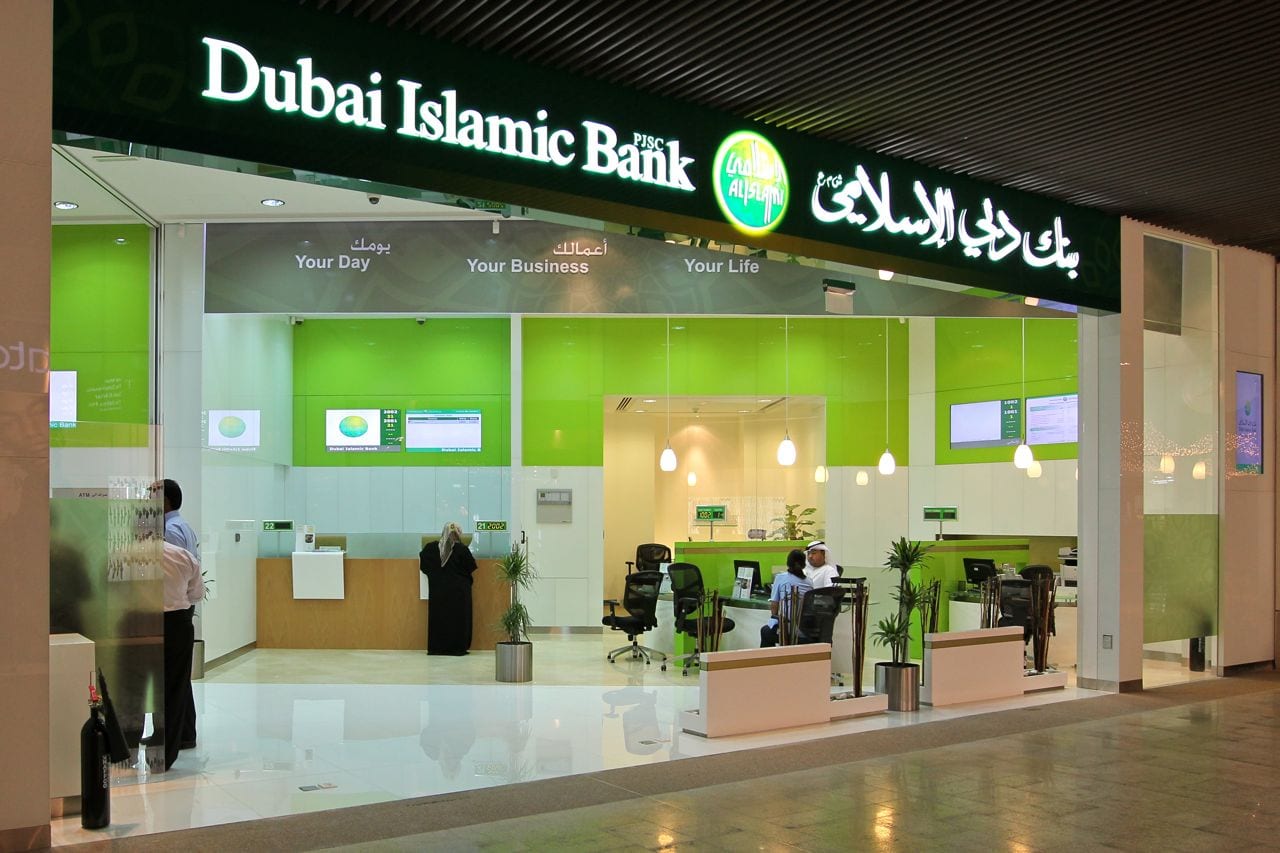
    The Indonesian government has launched a national master plan to develop its Islamic finance industry, the latest effort aimed at awakening what is still a niche sector in the world’s most populous Muslim country, Reuters news service reported.

    Islamic finance was introduced in Southeast Asia’s largest economy more than two decades ago but it has managed only modest gains in the country of 250 million, despite multiple regulatory efforts and grassroots initiatives.

    Indonesian Islamic banks hold roughly 5 percent of total banking assets, compared with more than 20 percent in neighbouring Malaysia and about a third of total banking assets in several Gulf countries. The government aims to drive its planned breakthrough via a range of initiatives, from mobilising Islamic charitable funds to modernising investments made by Indonesia’s pilgrims’ fund.

    “This could finally awaken Islamic finance in Indonesia to allow the country to claim its true potential,” managing director of IFAAS Farrukh Raza said, an Islamic finance consultancy which designed the 10-year master plan. “We found that government efforts are very comprehensive but also very scattered. Regulations are there but there is no coordination, promotion is fragmented and those expenses are not always bearing fruit.”

    The initiatives include a government policy to increase use of Islamic bonds, or sukuk, by issuing debt instruments related to infrastructure development, agriculture and education. Under the policy, the government would increase its use of Islamic debt instruments to as much as 50 per cent of total issuance in 10 years time, Raza said.

    Currently, Islamic instruments represent around 13 percent of total outstanding government debt, according to Thomson Reuters data. Indonesia’s pilgrims’ fund would also see the establishment of a dedicated asset management arm to implement a more rigorous investment policy and attract external fund managers.

    The fund receives an estimated $800 million every year from Indonesians wishing to make the Hajj pilgrimage to Saudi Arabia, with new applicants facing a quota backlog of around 15 years, Raza said. “The industry is overconcentrated in retail but there is little in terms of wholesale banking. That is one of the big show-stoppers,” said Raza.

    The establishment of a national coordination committee, possibly chaired by Indonesia’s President Jokowi, Raza said, would help ensure implementation of longer-term objectives, potentially seeing Islamic finance take as much as a 20 per cent share of the financial sector in 10 years time. An additional layer of more complex measures, such as the merger of several state-owned Islamic banks, could help raise that figure to 30 per cent, Raza added.