Tag: Ito-Yokado

  • Seven & I Fends Off 47 Billion Dollar Couche-Tard Takeover

    Seven & I Fends Off 47 Billion Dollar Couche-Tard Takeover

    Seven & I Holdings fended off a 47 billion dollar takeover bid from Canada’s Alimentation Couche-Tard after buyout negotiations collapsed in Tokyo. The withdrawal leaves the Japanese retail group in control of more than 60,000 convenience stores operating primarily across Asia and North America.

    How the buyout talks fell apart

    Couche-Tard launched its pursuit in August 2024 with an initial 38 billion dollar offer, later sweetening the bid to 47 billion dollars before abandoning the deal in July 2025. The Canadian suitor blamed the breakdown on what it called a calculated campaign of obfuscation and delay by the Seven & I board. Seven & I defended its board governance, rejected the characterization, and responded to the takeover pressure by appointing Stephen Hayes Dacus as chief executive officer.

    The Tokyo-headquartered parent company, formed by Ito-Yokado in 2005 to absorb 7-Eleven, has built its balance sheet through major retail purchases over several decades. That expansion includes the May 2021 purchase of 3,800 Speedway outlets from Marathon Petroleum and an April 2024 deal worth 1 billion dollars to acquire additional Stripes convenience stores and Laredo Taco Company locations.

    Portfolio pressure across key markets

    Asian retail conglomerates have historically pushed back against North American suitors seeking to consolidate fragmented convenience and fuel distribution networks. Seven & I’s resistance protects an operating model built around dense store clustering and localized food offerings, shielding core Asian operations from external ownership while preserving control over its Dallas-based subsidiary.

    Dacus now takes direct oversight of a retail network that generated 8.54 trillion dollars in annual revenue against a market capitalization of 28.61 billion dollars. Investor attention turns to the standalone turnaround plan as management prepares its next operational review.
  • 7-Eleven parent sales surges: Report

    7-Eleven parent sales surges: Report

    Japanese retail giant Seven & I has reported a 15.8 per cent increase in net sales for the nine months to November. Profit rose by a less impressive 2.9 per cent. The 7-Eleven parent said its overseas convenience store business achieved an impressive 15.7 per cent increase in operating profit year on year.

    At home, its Ito-Yokado superstore managed to reduce its operating loss to ¥200 million (US$1.85 million), however its York-Benimaru supermarket division and Sogo & Seibu department stores both struggled, the latter losing ¥937 million ($8.6 million).

    Seven & I’s net sales totalled ¥4.11 trillion ($38 billion).

  • 7-Eleven boosts parents profit growth

    7-Eleven boosts parents profit growth

    Overseas growth in the 7-Eleven convenience store business drove a modest increase in profit for Japanese retail group Seven & I Holdings in the first quarter.

    While the challenges of a shrinking population, falling household spending and corresponding lacklustre economy in its home market subdued local performance, offshore growth continues to underpin the company’s results.

    Operating profit of 86.4 billion yen (US$781.2 million) was 2.7 per cent higher year-on-year in the three months to May.

    While 7-Eleven Japan is the nation’s largest convenience store chain, with more than 20,000 stores, the c-store sector is struggling to make headway amid growing competition from drugstores, and Seven & I Holdings’ Ito-Yokado supermarket chain, and its department stores are essentially standing still.

    That makes overseas growth critical for Seven & I Holdings. While 7-Eleven Japan operating profit fell 6.9 per cent to 55.4 billion yen, overseas 7-Eleven profits surged 33 per cent. In Thailand, the chain has about 11,000 stores operated by local partner CP All. It has another 9500 stores in the US and more still under franchise agreements in markets including Malaysia, Australia and, more recently, Vietnam.

  • Ito Yokado To Accelerate Expansion In Mainland China

    Ito Yokado To Accelerate Expansion In Mainland China

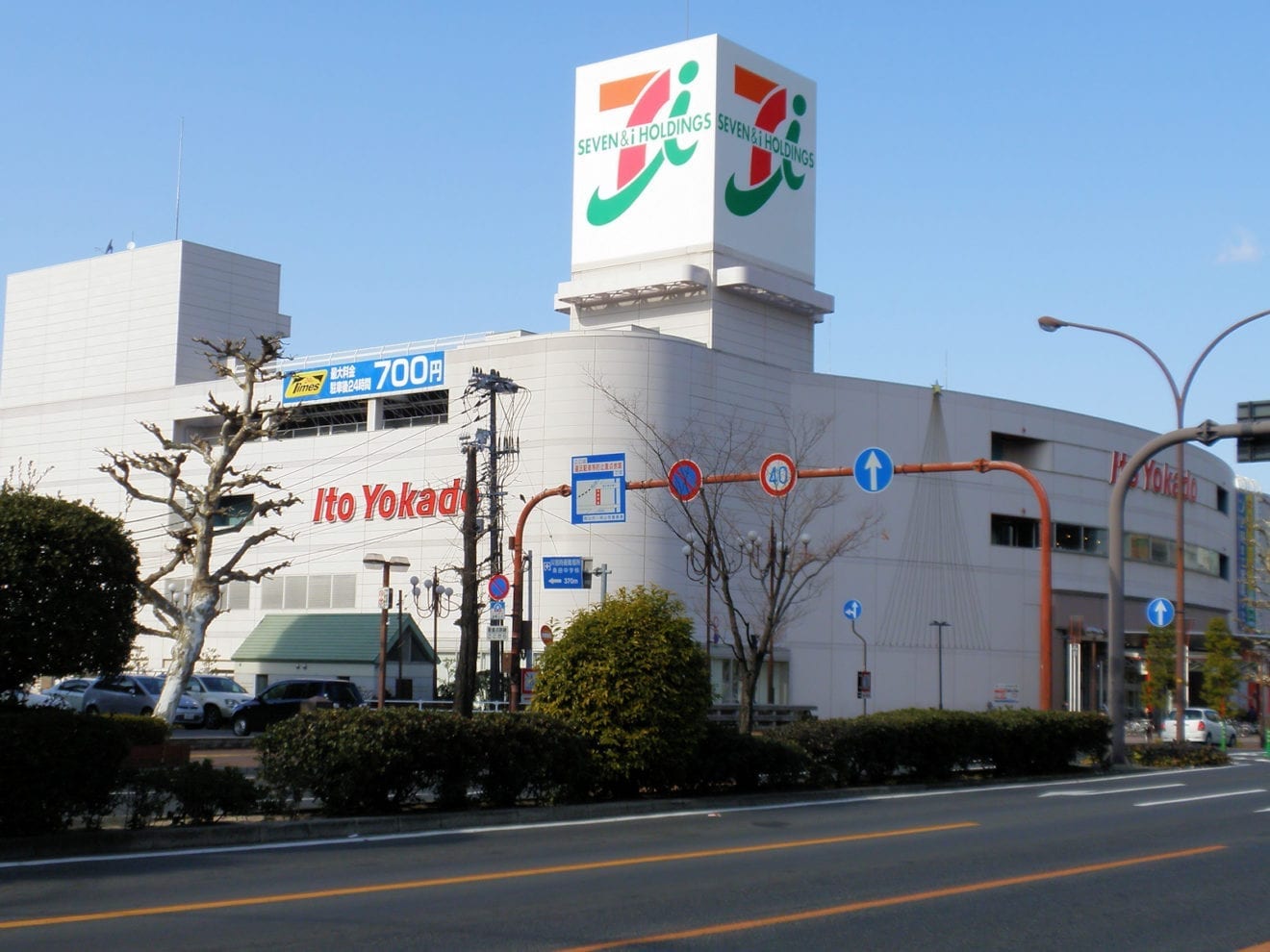
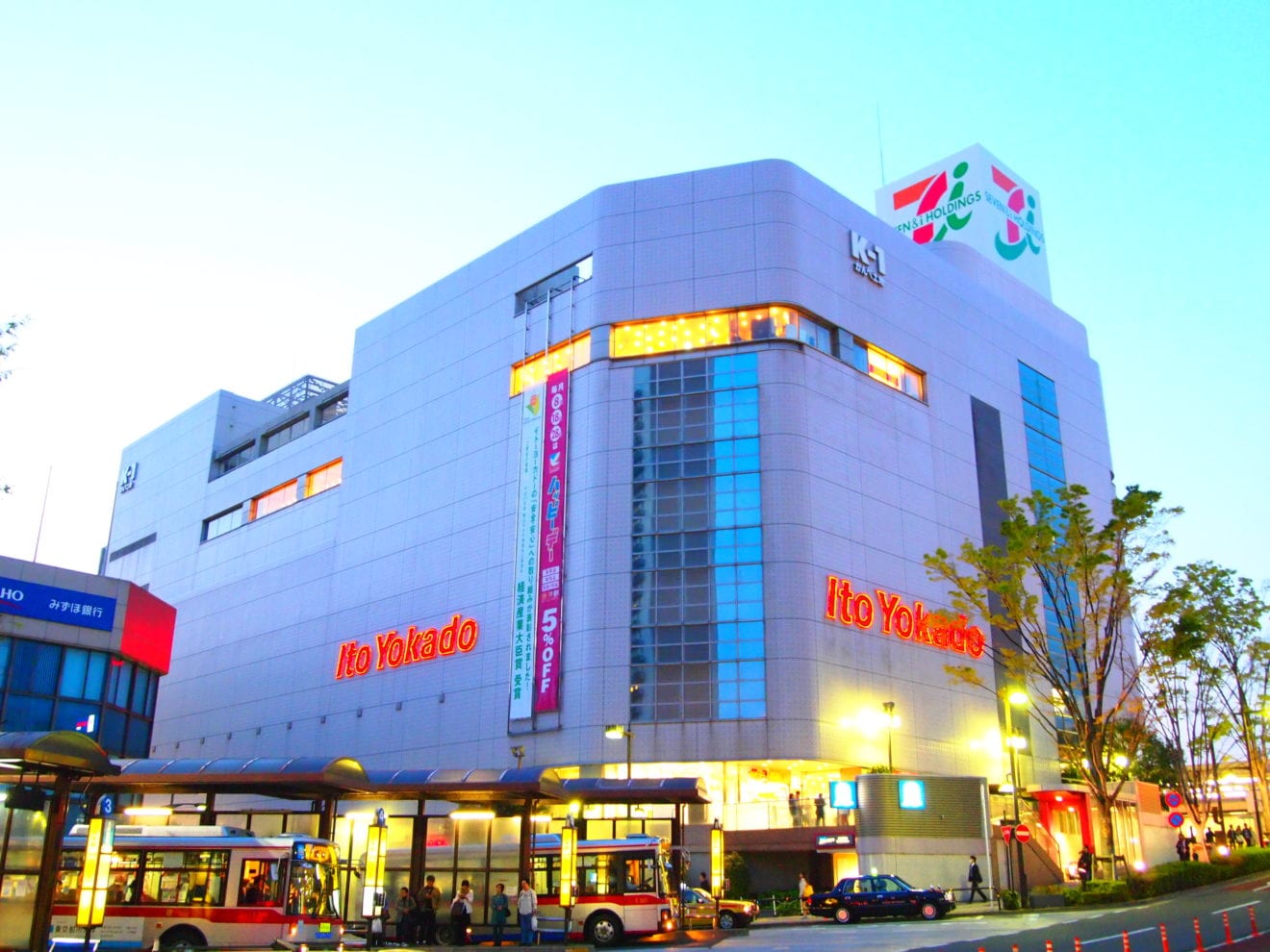
    Seven & I Holdings, parent company of Ito Yokado, will accelerate store expansion in the Chinese mainland market and plans to have 20 stores by 2020, tripling their current number in China.

    Ito Yokado entered the Chinese mainland market in 1997, with its first store openning in Chengdu, Sichuan province. In 1998, the company entered the Beijing market. At present, Ito Yokado has six stores in Chengdu and two in Beijing.

    On January 12, 2017, Ito Yokado opened a new store in Sichuan’s Meishan city and the company plans to launch another new store in Sichuan’s Leshan city in 2019. According to Ito Yokado, the company will increase the number of its general merchandise stores and food supermarkets to ten in Sichuan.

    In 2005, Ito Yokado opened its first food supermarket in Beijing. However, due to the severe competition from foreign supermarket giants like Carrefour and Chinese local enterprises, the Japanese retailer ceased the operations of this food supermarket in December 2016 and only maintains two department stores in the capital city.

    In addition, with the rapid development of e-commerce in China, Ito Yokado also plans to tap the online business. The company will establish a new company in Sichuan this summer and it aims to achieve sales of JPY10 billion by 2020 via online sales.

  • Seven & I plans to triple China network

    Seven & I plans to triple China network

    While Japanese retailer Seven & I, which owns the 7-Eleven brand, has seen sales sliding, it plans to triple its network of supermarkets and department stores in China.

    The company aims to capitalise on the high growth in Sichuan province to grow its general merchandise store network there to 20 outlets by 2020.

    Its local subsidiary will increase its Ito Yokado-branded stores to 10 in the region, while one Ito Yokado supermarket will open in southern Chengdu next year with plans to launch as many as 10 locations in the city by 2020, says Ito Yokado head of Chinese operations Tomohiro Saegusa.

    Ito Yokado will also set up a company to sell Japanese products online, aiming for sales of ¥10 billion (US$85.7 million) by 2020. The company may use the free trade zone planned by Sichuan province.

    Meanwhile, group total sales continued to slide for a second consecutive quarter for Seven & I, which owns the 7-Eleven brand. Its third-quarter sales fell by 1.4 per cent to ¥7909 billion. However, its operating profit improved by 5 per cent for the quarter ended November 30.

    With more than 19,000 stores, 7-Eleven Japan has achieved continued growth. Total sales grew by 5.5 per cent to ¥3422 billion and operating profit reached ¥187.1 billion for its latest nine months, up 4 per cent year-on-year.

    Seven & I says 7-Eleven’s product strategy has largely driven its success. The retailer captured expanding demand for ready-made take-home meals, spurred by a rise in dual-income and elderly households. Private-label products rake in more than ¥10 billion in sales a year, showing the benefits of scale.

  • Ito-Yokado to close 40 stores

    Ito-Yokado to close 40 stores

    Japanese retail giant Seven & I plans to close 40 of its Ito-Yokado branded supermarkets and general merchandise stores by 2020.

    Japan’s Nikkei reports that Seven & I, which is the parent of the 7-Eleven retail brand, expects the closures will boost profits. Forty stores represents about 20 per cent of its Ito-Yokado chain, which is struggling with lacklustre sales, especially of its apparel lines.

    “Seven & I will target money-losing and old locations outside major metropolitan areas for closings. More resources will be poured into Tokyo-area stores instead,” the Nikkei reported.

    The company’s financial year ends in February and by then, the first of the stores to be closed will be identified, with 10 more each year after that.


    While Seven & I posted a record profit in the six months to August, its Ito-Yokado arm actually lost money.

    The company says it will continue to open new stores as opportunities arise, but most likely only about one each year.

    The Nikkei reported that the company may also close some poor-performing Sogo and Seibu department stores, but there were no details of that plan.