Tag: Ivory Trade

  • Hong Kong Bans Trade In Ivory

    Hong Kong Bans Trade In Ivory

    Hong Kong has voted to ban ivory sales in a landmark move to end the infamous trade in the city.

    Lawmakers overwhelmingly voted for Wednesday’s bill, which will abolish the trade by 2021, following China’s complete ban on ivory sales that went into effect at the end of last year.

    “Shutting down this massive ivory market has thrown a lifeline to elephants,” said Bert Wander of global advocacy group Avaaz.

    “Today is a great day for elephants. Hong Kong has always been the ‘heart of darkness’ of the ivory trade with a 670-tonne stockpile when international trade was banned in 1989,” said Alex Hofford of WildAid Hong Kong.

    The amendment will phase out the trade in three stages, a time period some conservationists say could be exploited as a loophole and too late for African elephants which continue to be killed in huge numbers.

    The steps include a ban on trade in hunting trophies and ivory dating from after 1975, when a global treaty regulating the trade took effect. It would later extend to ivory acquired before 1975, and finally traders would have to dispose of their stock by 2021.

    Penalties for offenders will be increased to a maximum fine of HK$10m ($1.3m) and 10 years’ imprisonment.

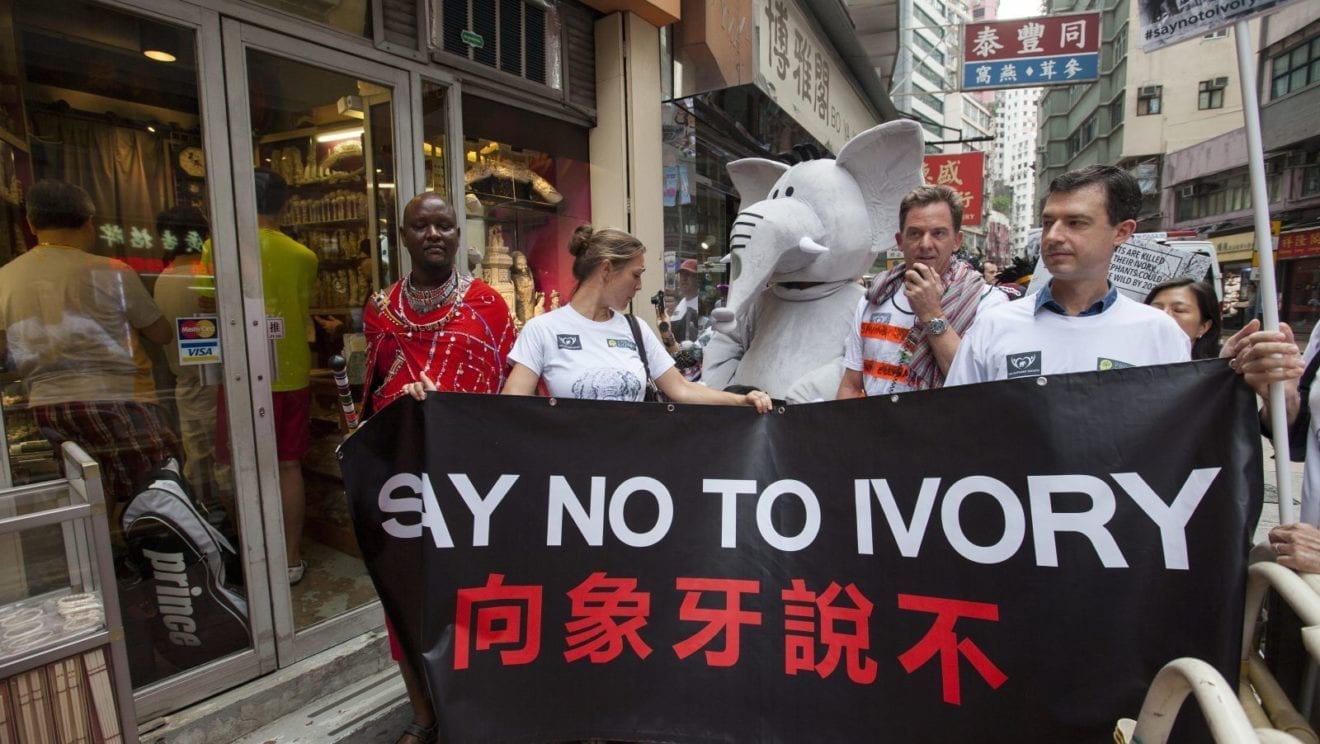
    Dozens of demonstrators including schoolchildren gathered outside the city’s legislature to protest against ivory sales holding up signs that read: “Do you really need ivory chopsticks?”

    Angry ivory traders have said they will be forced to close down their businesses and demanded the government compensate them for their stock – which the new ordinance rejected.

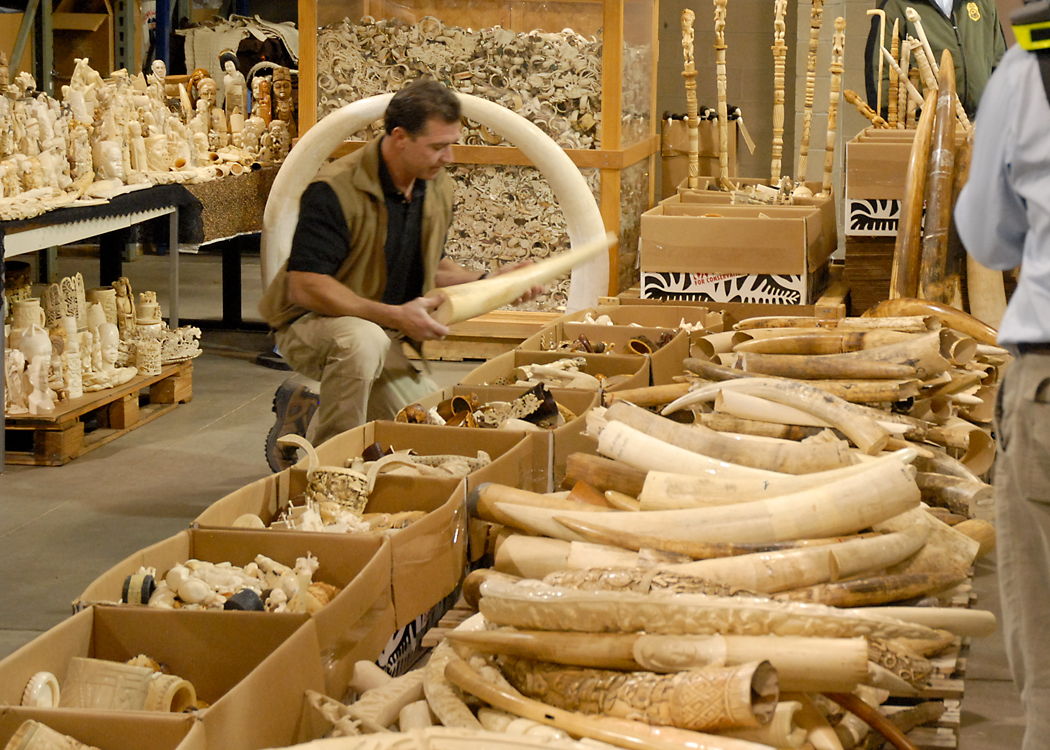
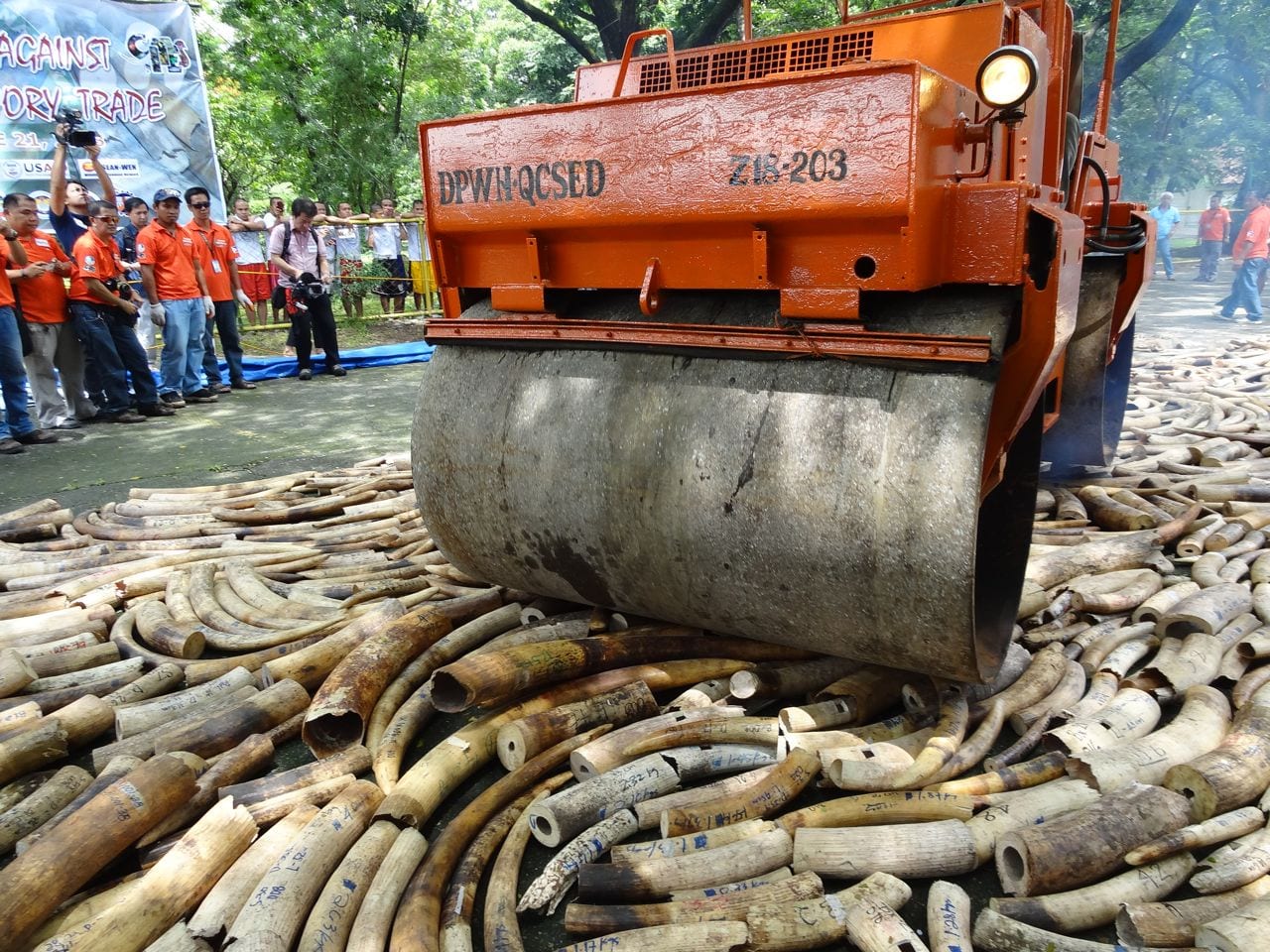
    Despite the planned ban, the trade was still flourishing in Hong Kong, which saw its biggest ivory bust in three decades last July when more than seven tonnes of tusks worth more than $9m were seized.

    In the months ahead of Wednesday’s vote, the legislature heard tales of murder and suffering involving African park rangers who were shot dead while protecting elephants and others drowned or set on fire.

    African ivory is highly sought after in China, where it is seen as a status symbol, and used to fetch as much as $1,100 a kilogram.

    Poaching in Africa has seen the elephant population fall by 110,000 over the last 10 years to just 415,000, according to the International Union for Conservation of Nature.

    Despite an overall fall in poaching, Africa’s elephant population has declined in part because of continued illegal killing, said a report last year by the Convention on International Trade in Endangered Species.
  • Hong Kong ivory trade faces uncertain future as bans loom

    Hong Kong ivory trade faces uncertain future as bans loom

    Wong Lai-ngan hunches over a battered workbench, his electric rotary tool whining as he carves two phoenixes facing each other into a smooth white tusk.

    Decades ago, Wong’s canvas would have been elephant ivory. But since a 1990 ban on international trading, Hong Kong’s dwindling tribe of ivory carvers has switched to tusks of extinct woolly mammoths.

    The decline of the city’s once-flourishing ivory business is set to speed up after the Hong Kong and mainland Chinese governments announced in December plans to restrict local ivory trading. Wildlife activists hailed the news, saying domestic markets must be phased out to reduce the demand for tusks driving an epidemic of poaching that is decimating Africa’s elephants.

    It also signals the end for Hong Kong’s ivory craftsmen and traders.

  • Hong Kong Government Collaborates With China In Phasing Out Ivory Trade

    Hong Kong Government Collaborates With China In Phasing Out Ivory Trade

    This week, animal rights activists in Hong Kong are celebrating a huge win as their plea to eliminate global ivory trade has been heard. Hong Kong’s Chief Executive Leung Chun Ying announced in his annual policy address that the country will phase out on ivory trading in collaboration with China.

    CNN reported that Hong Kong was allegedly the world’s largest retail market for ivory and a facilitator of illegal ivory transport into mainland China.

    The Government is very concerned about the illegal poaching of elephants in Africa,” Leung said in his speech, “It will kick start legislative procedures as soon as possible to ban the import and export of elephant hunting trophies.”

    Hong Kong’s government has also vowed to impose heavy penalties against those who partake in illegal ivory trade and importation

    China reportedly has better laws regarding ivory trade compared to Hong Kong.

    According to Huffington Post, 30,000 African elephants are killed every year for their tusks, hence putting the species at a risk of extinction.  The government has reportedly begun a crackdown on the illegal trade, and the action is already making a difference.

    Earth Torch News Network asserted that the activist group initially began pinning down perpetrators three years ago, although the government was not so keen on doing the same. Additionally, reports indicate that the import and export of ivory have been banned in Hong Kong since 1989. However, there have been loopholes in the enforcement of such prohibition, thus allowing the trade to propagate.

    Meanwhile, an estimated 16.7 tons of ivory have been confiscated in Hong Kong for the past three years.

    In other news, animal rights activists are calling other Southeast Asian countries, including Thailand, to emulate China, Hongkong and the United States in banning the domestic trade of ivory.

    Wild Life reported that new fears arise as South Africa is planning to propose the re-opening of a regulated trade of rhino horn. Once the bill is passed, elephant poachers are likely to venture into rhino poaching to supply investors.