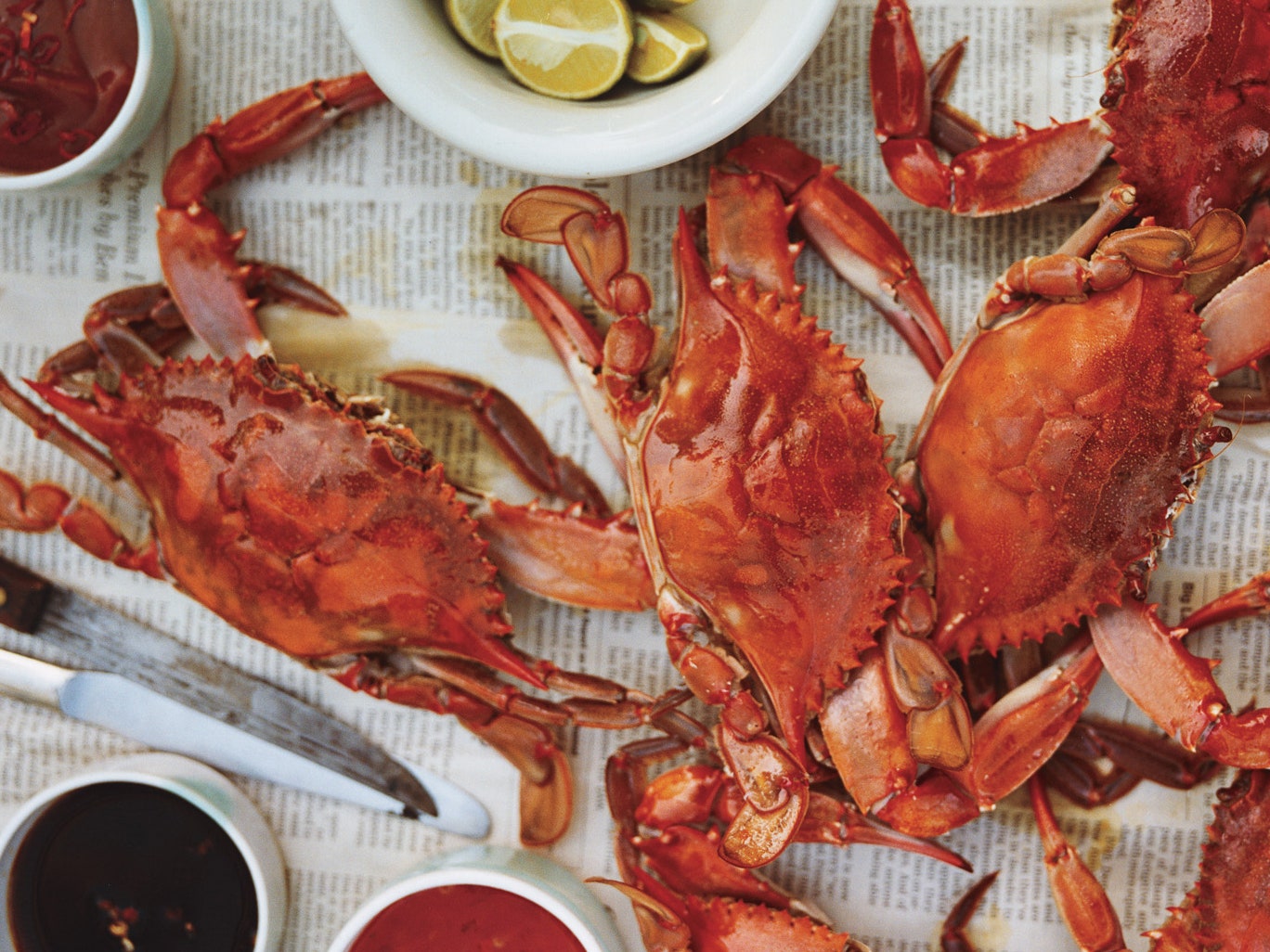
Crab meat prices have dropped by nearly half as traders at the northern border gates with China limit purchases over export difficulties.
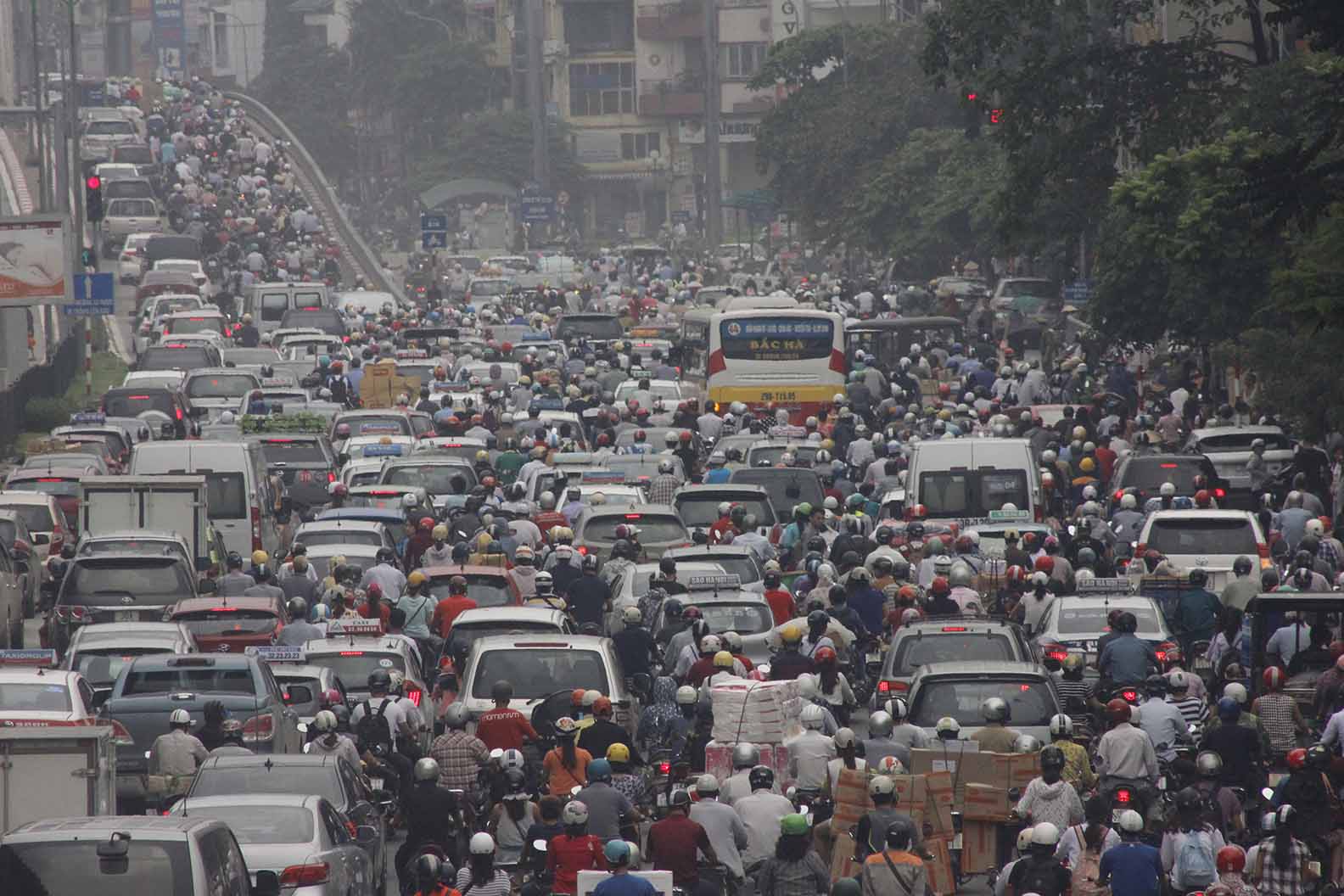
The export of goods through border gates in the northern province of Lang Son has remained sluggish with many trucks having to turn around because of long customs clearance time after China tightened regulations over what it says are Covid-19 concerns.
With China being a major buyer, the current situation has caused seafood prices in Vietnam to fall sharply.
Bui Chi Lam, a crab-raising household in the southern province of Ca Mau, said that the selling price of top-tier crabs at the farm was just VND600,000 ($26.28) per kg , down 50 percent compared to the Lunar New Year season early this month. He has noticed a drastic fall in the number of traders looking to buy seafood.
“Normally, when supply decreases, prices will increase. But the impact of border gate closures has caused crab prices to plummet,” Lam said, adding that crab farmers are forced to rely exclusively on domestic consumption.
The price of regular crab meat at the farm is just VND300,000 per kg.
Thanh, another crab farmer in Ca Mau, said prices of the crustacean will drop further if domestic consumption was low.
Apart from crab meat, shrimp prices have also fallen to around VND150,000-200,000 per kg, depending on the variety.
Hoa, a seafood trader in the southern region, said that prices have decreased by 10-45 percent compared to the Lunar New Year period, but purchasing power remains low.
“I have temporarily stopped exporting and am only selling to domestic traders,” Hoa said.
A survey of several seafood stores and markets in HCMC found that the price of grade 1 crab at stores was VND800,000 per kg and that of regular crab around half that.
As for shrimp, though supply was lower compared to the same period last year, prices have also dropped by VND50,000 per kilo in the past two days to VND200,000 per kg (about 30 shrimps per kg).
Hoa said both difficulties at the China border and lower purchasing power back home were major factors in the sharp drop in prices.
Over the past week, more than 2,000 trucks of goods have been stuck at Lang Son border gates because of slow customs clearance.
The delay in clearing container trucks at the border has been happening since the end of last year. During the Lunar New Year holiday from Jan. 19-Feb. 6, the issue was partly resolved thanks to intervention from senior officials, but it has resurfaced since.
China was Vietnam’s second-largest export market for agricultural, forestry and fishery produce behind the U.S., with a turnover of $8.4 billion in the first 11 months of last year, accounting for 19.2 percent of Vietnam’s total agricultural exports.
On February 17, China suspended trade through the Kim Thanh Border Gate in Vietnam’s Lao Cai Province after discovering Covid-19 cases on its side, leaving 350 container trucks stranded.
With Chinese authorities placing the Hekou Yao Autonomous County under a lockdown, it is unclear when the trucks can cross the border.
Four other border gates in the province: Huu Nghi International, Dong Dang, Tan Thanh and Chi Ma International Railway Stations have begun clearing goods again.
However, China is continuing to strengthen pandemic prevention and quality control measures, so it takes 40-50 minutes to clear a truck. With a clearance capacity of 5-69 vehicles per day, the border trade congestion look set to continue.