Tag: january

  • Vietnams Gold Prices Take a Hit, Nears January Low as Global Rates Tumble

    Vietnams Gold Prices Take a Hit, Nears January Low as Global Rates Tumble

    Gold prices in Vietnam witnessed a significant fall on Thursday, reflecting the global trend in the precious metal’s value. This drop extended the morning’s losses, with the gold bar from Saigon Jewelry Company registering a decline of 0.94% from its morning value, settling at VND157.5 million (US$5,982.68) per tael by 3:28 pm. For reference, a tael is equivalent to 37.5 grams or 1.2 ounces.

    Notable Changes in Gold Value

    This decrease marks a considerable plunge of 1.99% compared to the preceding day. Concurrently, the value of gold rings also dipped by 1.62% within the same 24-hour span. Despite the sharp fall on Thursday, gold prices in Vietnam have experienced an overall increase of 3% since the beginning of the year. However, the current values are hovering around the lowest since the onset of 2020.

    Global Gold Price Trends

    On a global scale, gold prices hit a two-month low on Thursday. This drop was attributed to several factors, including the strengthening of the U.S. dollar following recent attacks on Iran, and the resultant surge in oil prices. These developments sparked concerns about potential inflation, hence casting a shadow on the interest rate outlook.

    At one point, spot gold fell by 1.5%, reaching a value of $4,388.76 per ounce, representing its lowest value since late March. Similarly, U.S. gold futures for June delivery also saw a decline of 1.4%, settling at $4,386.

    Recent military strikes in Iran, carried out by the U.S. military, targeted a military site believed to pose a threat to U.S. forces and commercial shipping in the Strait of Hormuz. These actions took place just hours after President Donald Trump dismissed an Iranian report concerning a deal to restore traffic through the strategic waterway.

    Questions & Answers

    What impact did recent global events have on gold prices in Vietnam?
    Recent global events, including U.S. military strikes in Iran, led to a strengthening of the U.S. dollar and an increase in oil prices. These factors contributed to a significant drop in gold prices, both in Vietnam and globally.

    By how much did gold prices in Vietnam fall on Thursday?
    The value of gold in Vietnam decreased significantly on Thursday, with a notable drop of 1.99% from the previous day.

    What is the current trend in gold prices in Vietnam this year?
    Despite the recent dip, gold prices in Vietnam have seen a net increase of 3% since the start of the year. However, current prices are near the lowest recorded in early January.

  • Vietnam’s Auto Market Zooms Ahead as January Sales Skyrocket by 95%

    Vietnam’s Auto Market Zooms Ahead as January Sales Skyrocket by 95%

    In January, member companies of the Vietnam Automobile Manufacturers’ Association (VAMA) experienced a substantial increase in sales, with 36,875 vehicles sold. This represents a 95% growth from the same time the previous year.

    Breakdown of Sales

    The majority of the sales were passenger cars, with 26,102 units sold, according to data published by VAMA. Commercial vehicles also saw significant sales with 10,312 units, while special-purpose vehicles accounted for 461 units.

    A low-base effect was identified as a major contributing factor to this sharp increase. The latter half of January last year coincided with the lead-up to the Lunar New Year (Tet), a time when Vietnamese consumers typically curb spending on large purchases such as automobiles.

    Domestic Assembly and Imports

    The recovery observed was evenly split between domestic assembly and imports. Sales of locally produced completely knocked-down vehicles rose by 98% year-on-year to 18,034 units, while fully built-up imports saw a 93% increase, reaching 18,841. This narrow difference indicates a robust resurgence in both local production and imported vehicle supply.

    Top Brands

    Ford Vietnam topped the list of VAMA brands with 5,121 units sold, narrowly beating Mitsubishi’s 5,039 and Toyota Vietnam’s 4,852. THACO-distributed brands completed the top five, with THACO Mazda and THACO Kia selling 3,515 and 3,487 units respectively. The leading brands benefited from robust line-ups in SUV, crossover, MPV and pickup segments.

    The most popular models demonstrate a continued consumer preference for high-ground-clearance and multi-purpose vehicles. The Mazda CX-5 was the top seller with 2,104 units, followed by the Mitsubishi Xforce at 1,666. Ford’s pickup and SUV lineup also saw strong sales.

    Market Overview

    The VAMA data only represents part of the overall market, as several non-member brands do not publicly release their sales figures. Hyundai Thanh Cong separately reported sales of 5,872 units, while VinFast, a leading player in the electric vehicle market, has not yet disclosed its January data.

    However, the pronounced growth reported by VAMA members signals improving market conditions. This is likely due to increased consumer confidence, a rise in travel and logistics activity, and a more supportive economic environment.

    Questions & Answers

    What was the main factor contributing to the surge in automobile sales in Vietnam?
    The main factor was a low-base effect due to reduced spending in the same period of the previous year, which coincided with the lead up to the Lunar New Year.

    Which brands led in sales among VAMA member companies?
    Ford Vietnam led in sales among VAMA member companies, followed by Mitsubishi and Toyota Vietnam.

    What does the strong sales growth indicate about the market conditions?
    The substantial growth in sales suggests improving market conditions, boosted by increased consumer confidence, a rise in travel and logistics activity, and a more supportive economic environment.

  • Vietnam’s Seafood Exports Soar 13% in January Fueled by Asian Markets

    Vietnam’s Seafood Exports Soar 13% in January Fueled by Asian Markets

    In January, exports of seafood from Vietnam totaled US$874 million, a year-on-year increase of 13%. The Vietnam Association of Seafood Exporters and Producers noted that this boost was largely due to demand from Asian markets, particularly China, Japan, and ASEAN. Key product groups like pangasius, a type of catfish, as well as squid and octopus, contributed significantly to these robust export figures.

    Decline in U.S. Shipments

    However, U.S. shipments experienced a decline, especially in tuna exports. The downturn was attributed to factors such as the Marine Mammal Protection Act’s impact and difficulties in obtaining certificates of analysis for seafood exports, a crucial step in the export process.

    China Leads as Largest Seafood Market

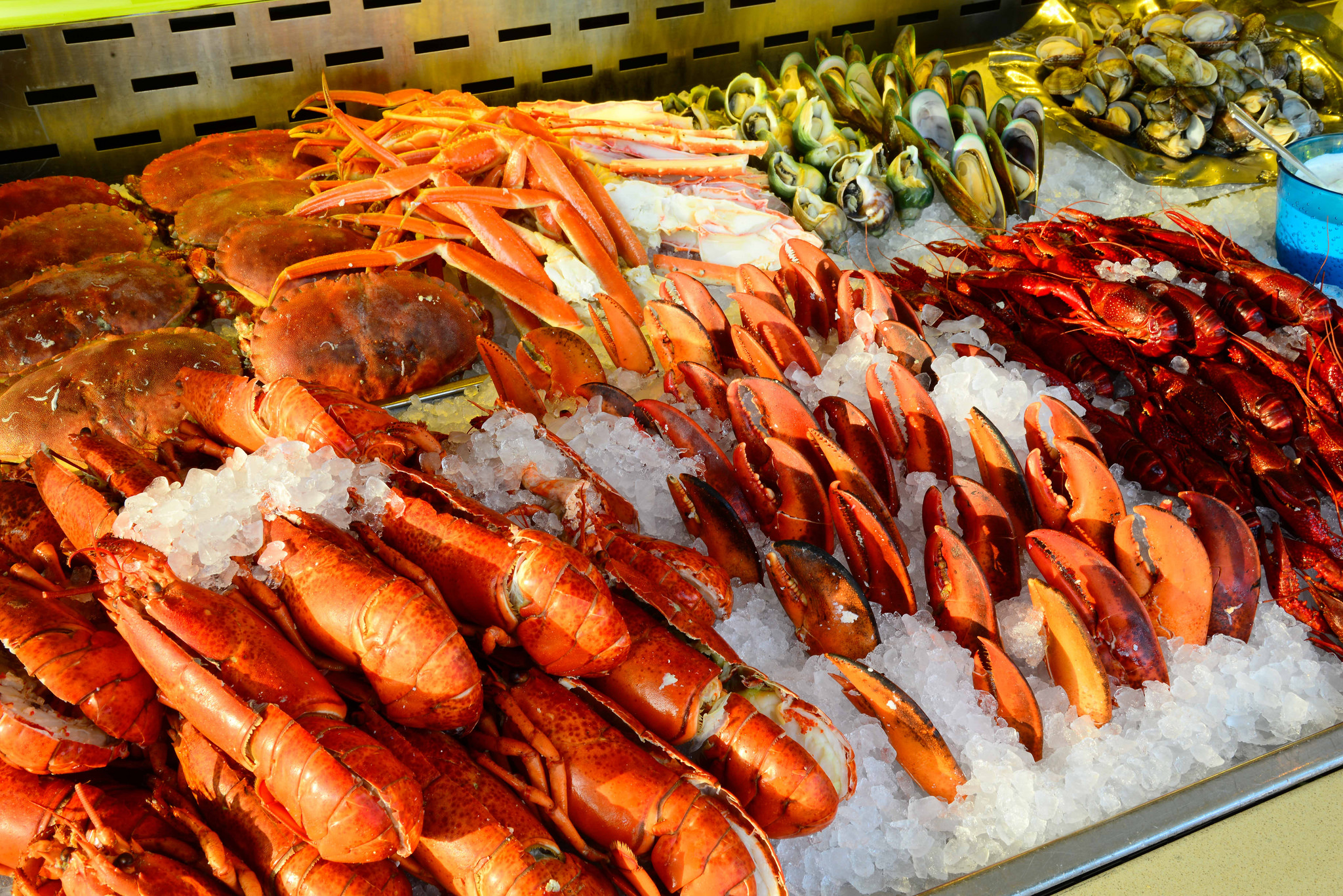
    China solidified its position as Vietnam’s biggest seafood market in January; export values reached nearly $250 million, marking a 28.7% surge year-on-year. This uptick is mainly due to increased shrimp demand ahead of the Lunar New Year, a period when the consumption of premium seafood products usually escalates. Many businesses also seized the opportunity of this festive demand to increase their lobster shipments.

    Anticipated Seafood Export Downturn in February

    The Association anticipates a downturn in seafood exports in February. This prediction is based on disruptions to production and logistics during the Tet (Lunar New Year) holiday, persisting regulatory issues in the U.S., and a potential decrease in Chinese demand following an early period of stockpiling.

    Questions & Answers

    What caused the 13% increase in Vietnam’s seafood exports in January?
    The main factors contributing to this increase were robust demand from Asian markets, particularly China, Japan, and ASEAN, coupled with strong performance from key product groups like pangasius and squid and octopus.

    Why was there a decline in U.S. shipments of Vietnamese seafood?
    The decline in U.S. shipments can be attributed to the effects of the Marine Mammal Protection Act and challenges in obtaining certificates of analysis for seafood exports.

    Why is a downturn in seafood exports anticipated in February?
    The predicted downturn is due to potential disruptions in production and logistics during the Tet (Lunar New Year) holiday, ongoing regulatory challenges in the U.S., and an expected drop in Chinese demand after an early period of stockpiling.

  • Vietnam’s Agricultural Exports to China Skyrocket by 66%: Exploring the $1.5 Billion Surge in January

    Vietnam’s Agricultural Exports to China Skyrocket by 66%: Exploring the $1.5 Billion Surge in January

    In January, the exports of agricultural, forestry, and fishery products from Vietnam to China saw a significant increase of 66% compared to the previous year, reaching a total value of US$1.5 billion. China established itself as the largest market for these sectors, contributing to 23% of the total $6.5 billion worth of shipments – a 29.5% rise.

    Key Exports to China

    The primary exports to China included durian, banana, dragon fruit, and jackfruit, with a combined export value of $480 million. China was the leading buyer of Vietnam’s cassava, accounting for 92.6% of purchases. It also purchased 75% of Vietnam’s rubber and 50% of its cashew exports. The country was the third-largest market for Vietnam’s fishery products, following the U.S. and Japan.

    Growth in Fruit and Vegetable Exports

    According to the Ministry of Agriculture and Environment, the highest export growth was seen in the fruits and vegetables sector. The export value of these products doubled to $750 million, with marked increases in shipments going to the U.S. and Malaysia.

    Rise in Cashew and Pepper Exports

    Cashew exports were the second-highest growth category, with an increase of 70% that brought the total export value to $434 million. Pepper exports also saw a significant boost, rising by 53% to reach $133 million.

    Questions & Answers

    What was the percentage increase in Vietnam’s exports to China year-on-year in January?
    The exports of agricultural, forestry, and fishery products from Vietnam to China rose by 66% year-on-year in January.

    Which were the main products exported by Vietnam to China?
    The main exports to China were durian, banana, dragon fruit, and jackfruit, along with cashew, rubber, and cassava.

    Which products saw the highest growth in exports?
    Fruits and vegetables saw the highest export growth, doubling to $750 million. The second-highest growth was seen in cashew exports, which rose by 70% to $434 million.

  • Retail slow in January despite Luxury growth

    Retail slow in January despite Luxury growth

    While several retailers have talked about conditions improving since a somewhat dismal holiday trading period, the Australian Bureau of Statistics have released a more muted view of month of January, with retail sales having improved by 0.1 per cent.

    This increase followed a fall of 0.4 per cent over December 2018, and a 0.5 per cent increase in November off the back of successful Black Friday and Cyber Monday sales events.

    “While January hasn’t proved to be a ground-breaking month by any stretch, on the plus side it does indicate that retail is slowly picking itself up and heading in the right direction,” National Retail Association chief executive Dominique Lamb said.

    Department store spending saw a 2.1 per cent decline over the month, while spending on clothing, footwear and personal accessories dipped 0.3 per cent.

    Food retailing and cafes, restaurants and takeaway services saw spending 0.3 per cent higher than the month prior, while ‘other retailing’, which brings together several industries such as pharmaceuticals, books and recreational goods, saw a jump of 0.7 per cent.

    The increase in cafe spending could be indicative of consumers beginning to feel more comfortable spending on ‘little luxuries’, according to Australian Retailers Association executive director Russell Zimmerman.

    “We hope this trend will continue to increase and spill into other retail categories across the retail sector,” Zimmerman said.

    The NRA’s Lamb went on to point to the upcoming Federal Budget, stating the importance that the Government puts a focus on encouraging consumer spending.

    “Measures such as tax cuts, infrastructure spending and initiatives that ease the burden on small businesses can all help improve the economy and assist retail in getting out of this sluggish phase it’s experiencing,” Lamb said.

  • India’s January retail inflation more than halved to 2.05 pc

    India’s January retail inflation more than halved to 2.05 pc

    India’s annual rate of retail inflation more than halved to 2.05 percent in January from a high of 5.07 percent during the corresponding period last year, official data showed on Tuesday. The downward trend in CPI, is due to food inflation which has further widened its negative trend. Fruits, vegetables and eggs continued to witness deflationary trend during January this year, with their prices declining 4.18 percent, 13.32 percent and 2.44 percent, respectively, according to the data.

    Industrial production jumped to 2.4 percent in December, 2018 from 0.5 percent in November, 2018 driven mainly by a sharp spike in manufacturing index which rose to 2.7 percent vs -0.4 percent month-on-month.

  • Petrol, diesel prices go up in January

    Petrol, diesel prices go up in January

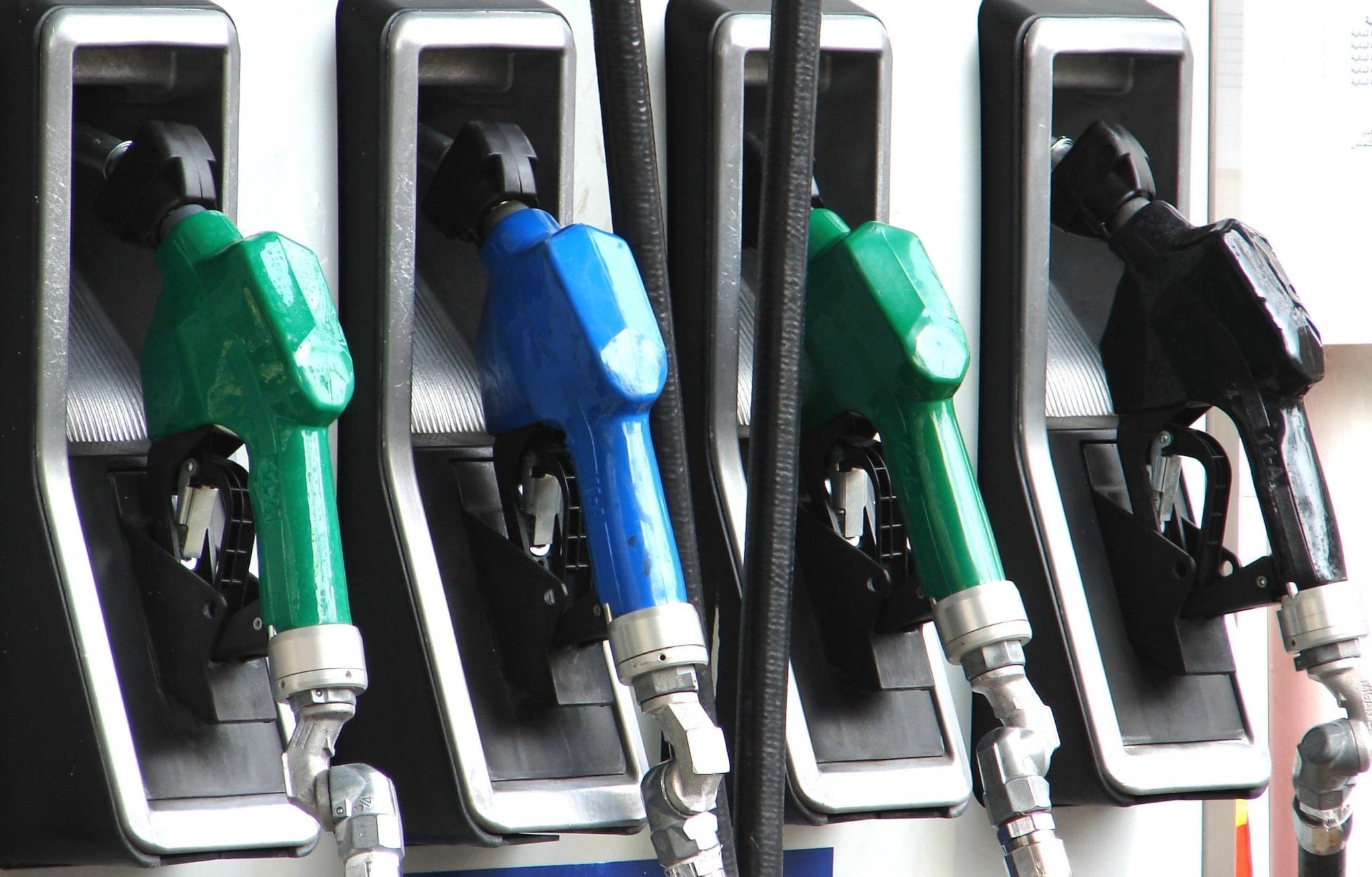
    As expected, retail fuel prices will see an increase across the board as of midnight. For January, RON95 petrol will be priced at RM2.10 per litre, marking an increase of 20 sen compared to December retail price. RON97 petrol will be priced at RM2.40 per litre, up by 15 sen.

    The same applies to diesel and Euro 5 diesel, which are priced at RM2.05 per litre and RM2.15 per litre respectively – an increase of 20 sen for both. These new fuel prices were confirmed by Petrol Dealers Association of Malaysia president Datuk Khairul Annuar Abdul Aziz. “Prices are in line with global petrol prices. However, the diesel prices which exceeded the RM2 mark will be a concern for the business community,” he told.

    The country’s petrol and diesel prices have been placed on a managed float system from Dec 1, 2014 following the removal of fuel subsidies. Yesterday, Finance Ministry Strategic Communications director Datuk Lokman Noor Adam reportedly said that the retail prices of RON95 and diesel would go up in Jan due to an increase in the price of crude oil in the world market.

    He said the retail price of RON95 and diesel were set according to the average prices of fuel in the world market for a month, as well as being influenced by the ringgit’s movement against US dollar.

  • Indonesia Jan retail sales grow 12.5% year on year

    Indonesia Jan retail sales grow 12.5% year on year

    Indonesia’s retail sales in January grew 12.5 per cent from a year earlier, bolstered by information and telecommunication equipment especially electronics, a Bank Indonesia survey showed on Friday.

    December annual retail sales growth was revised up to 11.4 per cent from the previously reported 10.4 per cent.

    The survey of 700 retailers in 10 major cities predicted slower February retail sales growth of 11.9 per cent.

    Respondents were optimistic over retail sales in the next three months in line with higher demands ahead of and during the Muslim fasting month in June.