
Tag: japanese food

  • H Mart Orlando Unveils Expanded Asian Food Hall

    H Mart Orlando Unveils Expanded Asian Food Hall

    H Mart, America’s prominent Asian supermarket chain, will significantly enhance its customer experience with the Phase 2 grand opening of an expanded food hall in its Orlando, Florida, supermarket. The new extension is scheduled to launch on August 21, 2026, at 10:30 a.m. Local time, with regular operating hours set from 10:30 a.m. To 9:00 p.m. Daily.

    Located at 7501 W Colonial Dr, the Orlando supermarket, which opened last year and spans over 100,074 square feet, has already established itself as a community hub. The food hall expansion doubles the available dining choices, offering a wider array of culinary experiences. This move reinforces H Mart’s ongoing commitment to innovation and service excellence, bringing diverse Asian flavors under one roof.

    Expanding Culinary Horizons

    The expanded food hall aims to redefine convenience and variety by bringing together popular Asian fast-casual favorites. Customers can expect a diverse range of dishes, all prepared with fresh ingredients and authentic flavors. Offerings will include Korean street food, iconic Korean fried chicken, sweet stuffed hotteok, and savory Japanese curries.

    Brian Kwon, President of H Mart, stated the company’s enthusiasm for the expansion, emphasizing its dedication to sharing Asian food culture with the community. He affirmed the commitment to maintaining the high quality of food and service customers have come to expect. This expansion aligns with H Mart’s strategy to provide a holistic experience that combines shopping, dining, and entertainment.

    New Dining Concepts Introduced

    The new extension will introduce six distinct dining stalls, each offering a unique culinary focus. These additions are designed to create an upscale ambiance within the cultural space of the food hall. The new establishments include:

    • Curry 88: Specializing in Japanese Curry
    • Mari Mari: Offering Maki Rolls, Inari, and Noodles
    • Seoul Hotteok: Featuring Korean Traditional Dessert
    • bb.q Chicken: Known for Korea’s Finest Fried Chicken
    • Dduk Dabang: Serving Korean Street Food
    • SORIMMARA: A Korean Style Mala Restaurant

    H Mart’s strategic move to integrate an extensive food hall within its supermarket model echoes a broader trend observed across Asia, where retailers increasingly blend grocery shopping with experiential dining. In markets like South Korea and Japan, large-format supermarkets often feature diverse food courts and prepared food sections, drawing customers in not just for staples but also for a complete lifestyle experience. This US expansion by an Asian grocery giant highlights the growing global appeal of Asian culinary diversity and the evolution of the supermarket format into a comprehensive lifestyle destination.
  • Japanese restaurant chain Kura Sushi accelerates international expansion

    Japanese restaurant chain Kura Sushi accelerates international expansion

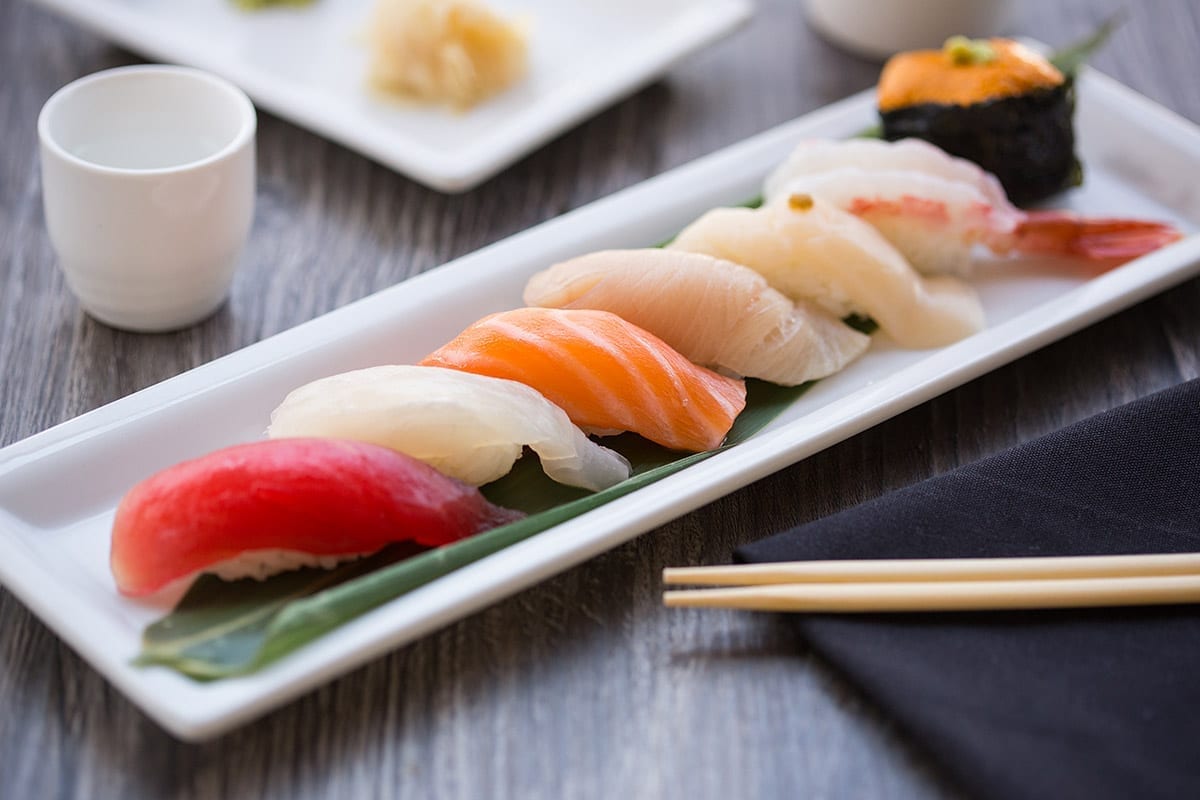
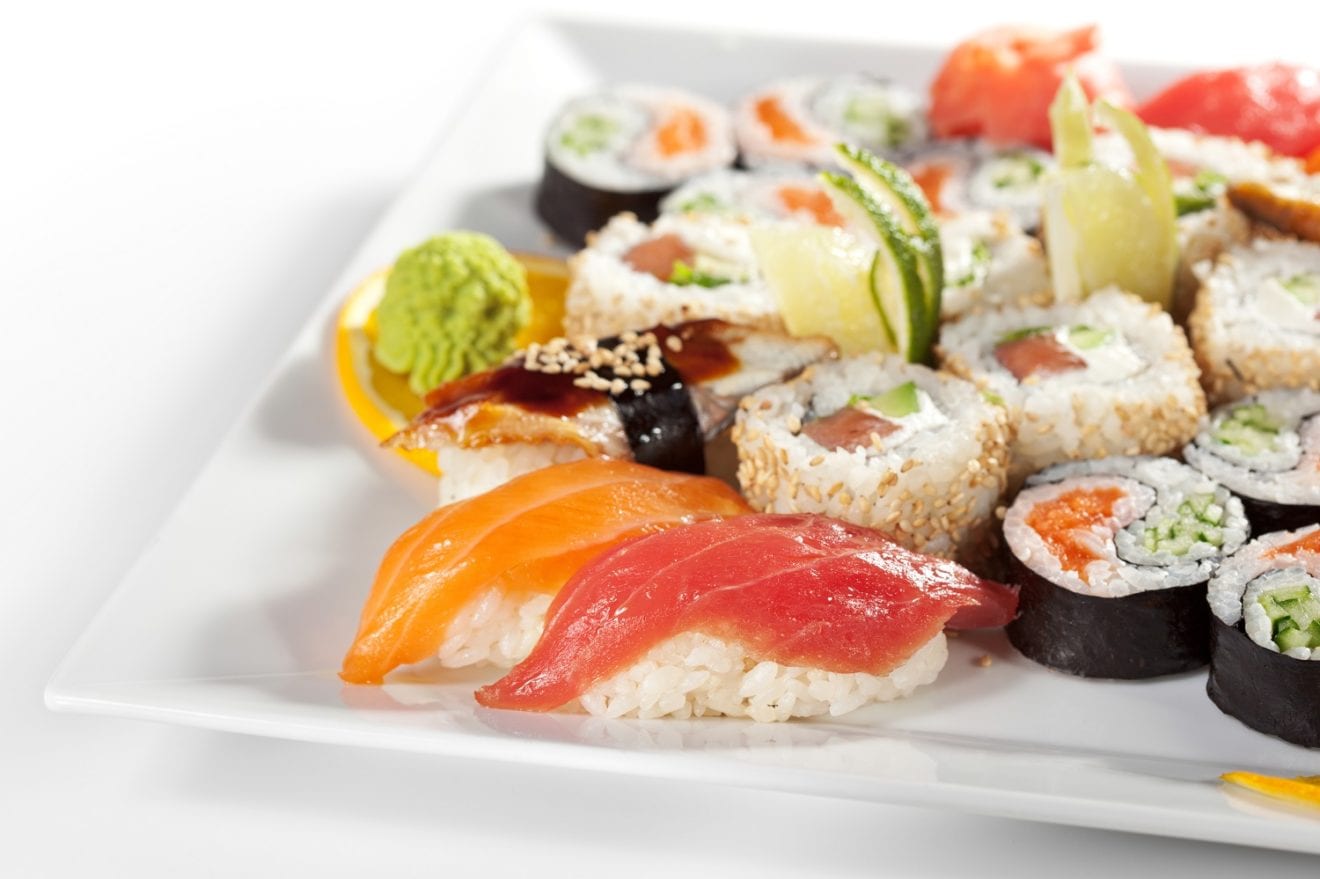
    Kura Sushi, a leading Japanese conveyor-belt sushi chain, opened its first outlet in Mainland China in June 2023, as part of its global expansion plans. With this, it joins the ranks of several Japanese restaurant operators who are aggressively scaling up their overseas presence. Besides targeting revenue growth in the immediate future, the diversification move is part of the Japanese operator’s long-term play to ensure business continuity. Japanese operators are accelerating overseas expansion even as the domestic foodservice sector is set to expand by a value compound annual growth rate (CAGR) of 10% over 2023–27*, according to GlobalData, a leading data and analytics company.

    Bobby Verghese, Consumer Analyst at GlobalData, comments: “Kura Sushi operates 541 conveyor-belt sushi (Kaiten-zushi) outlets in Japan, 47 in the US, and 51 in Taiwan (Province of China). The company’s new China outlet is located in a bustling shopping center in Shanghai close to three subway lines. The restaurant is fully automated, with robot sushi chefs preparing dishes, circular conveyor belts that carry dishes to diners, and contactless ordering and payments. Kura Sushi offers a menu comprising a mix of Japanese dishes and China-only dishes. The company plans to source 80% of its ingredients locally to optimize costs. Kura Sushi aims to open 100 stores across China by the end of the decade, in line with its plan to expand its overseas locations to 400 stores, and worldwide network to 1,000 outlets by 2030.”

    Tim Hill, Key Account Director at GlobalData Singapore, remarks: “With consumers dining out more often, the Japanese foodservice sector is recuperating from the impact of the pandemic. However, inflationary pressures and economic uncertainty are stifling consumer spending. As they operate at a higher cost-price ratio than conventional sushi restaurants, Kaiten-zushi restaurants are bearing the brunt of the surge in seafood prices due to the Russia–Ukraine conflict, rising competition with China for seafood catch and supplies, and the global climate change phenomenon. Moreover, fierce competition among outlets and an ongoing labor crunch are constraining the growth of per-outlet transaction revenues. The rapidly greying populace and shrinking working class cloud the long-term outlook of sushi quick service restaurants (QSRs).”

    Verghese notes: “In sharp contrast to Japan, both the Chinese and US foodservice sectors rebounded from the pandemic lull in 2021 and 2022, respectively, in terms of transaction numbers and revenues. As a result, Japanese foodservice operators are setting their sights on bluer oceans abroad, particularly larger overseas markets with high-spending crowds, such as China and the US, which offer more dollar revenue opportunities than Japan. By expanding overseas, these operators can thereby accelerate their post-COVID-19 recovery and ensure long-term business continuity.”

    Hill concludes: “Due to their high-tech ambiance and fresh offerings, conveyor-belt sushi chains have rapidly gained popularity in Taiwan (Province of China), Hong Kong, Singapore, Mainland China, and the US over the past decade. Among these, China holds the highest potential owing to the similarities between Japanese and Chinese cuisines. While Japan is the larger market for sushi QSRs, the Chinese market is set to narrow the gap significantly in the coming years. However, any fresh geopolitical conflicts between Japan and China can mar the performance of the Chinese outlets.”

  • Japan Foods in regional tie-up with Minor Singapore

    Japan Foods in regional tie-up with Minor Singapore

    Japan Foods has entered a joint venture with Minor Singapore to support each other’s operations in Japan, Thailand and China. Japan Foods is to operate the partners’ Thai restaurants in Japan and support Japanese cuisine operations. Minor Singapore will meanwhile run Japanese outlets in Thailand and China, supporting the preparation of Thai cuisine.
    The JV is being funded by a combined shareholder loan of $2.3 million to be disbursed equally for working capital. Japan Foods will fund its half of the loan with internal cash resources.

    Japan Foods executive chairman and CEO Takahashi Kenichi said he believes the expanded network will “make us more attractive as a franchise partner to Japanese brand owners who may be looking to expand beyond their local market”.

    Minor Singapore executive chairman and CEO Dellen Soh said the partnering firms “share many synergies, including strong brand portfolios and good operating track records”.