Tag: japanese retail

  • Hashi Market Takes 35,715 Square Feet of Former Amazon Fresh Space in Seattle

    Hashi Market Takes 35,715 Square Feet of Former Amazon Fresh Space in Seattle

    Japanese grocer Hashi Market leased a 35,715-square-foot retail unit in North Seattle to open its first location in the city.

    The store occupies space at 13025 Aurora Avenue N previously run by Amazon Fresh. The site became available after Amazon closed its Fresh- and Go-branded brick-and-mortar grocery stores nationwide earlier this year.

    New footprint on Aurora Avenue

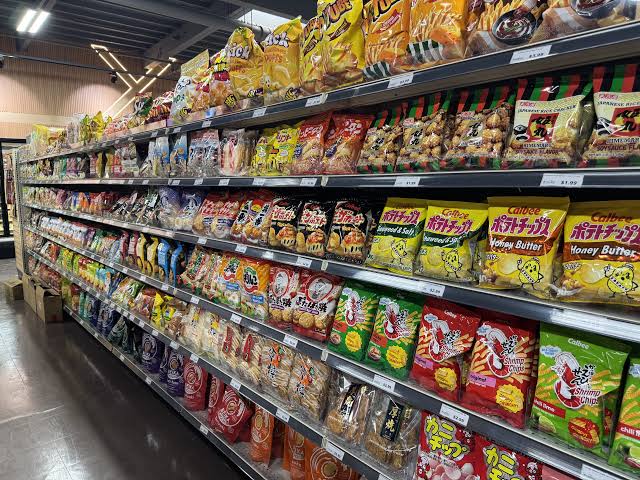
    Hashi Market plans to stock fresh Japanese produce, packaged groceries, and home goods across the single-level footprint. The North Seattle format will also run on-site catering services alongside dedicated sections for beauty products and household essentials.

    Taking over built-out supermarket real estate reduces upfront capital spending on refrigeration and distribution fixtures. Former Amazon Fresh properties feature heavy electrical infrastructure, cold storage rooms, and loading docks that grocery operators can repurpose without full structural refits.

    Filling vacancies left by Amazon Fresh

    Amazon spent years testing automated checkouts and custom grocery layouts before shuttering dozens of Go and Fresh units across US metropolitan markets. That retrenchment opened suburban strip-centre boxes to specialty food operators hunting for turnkey retail space.

    Asian grocery chains have expanded steadily into North American secondary and primary corridors, filling mid-sized footprints between 30,000 and 50,000 square feet. Hashi Market steps into a corridor where demographic demand for imported Japanese pantry staples, prepared foods, and cosmetics remains underserved by traditional supermarkets.

    Asian specialty grocers take suburban sites

    Specialty grocers benefit from higher basket sizes and stronger customer retention than conventional general merchandisers in competitive metro areas. Asian supermarket operators often rely on extensive fresh counters, hot meal programs, and imported stock keeping units that conventional chains do not carry.

    The Aurora Avenue location gives the Japanese banner highway visibility in a dense commercial corridor. Reallocating the floor plate to prepared meals and catering allows the operator to generate secondary revenue streams beyond standard shelf-stable retail sales.

    Timeline and upcoming launch

    Amazon’s decision to exit its experimental grocery formats in 2026 accelerated store turnover throughout the Puget Sound region. Landlords have moved quickly to backfill these suburban shells with established ethnic grocery operators able to draw consistent foot traffic.

    Hashi Market has begun fitting out the 13025 Aurora Avenue N property ahead of its scheduled public opening.

  • Tsutaya to Open First Thailand Store in Bangkok in October

    Tsutaya to Open First Thailand Store in Bangkok in October

    Culture Convenience Club, operator of Japanese bookstore chain Tsutaya, will open its first store in Bangkok in October.

    The Tokyo-based company is expanding across Southeast Asia as interest in Japanese content such as anime and manga continues to rise.

    The Lifestyle Retail Formula

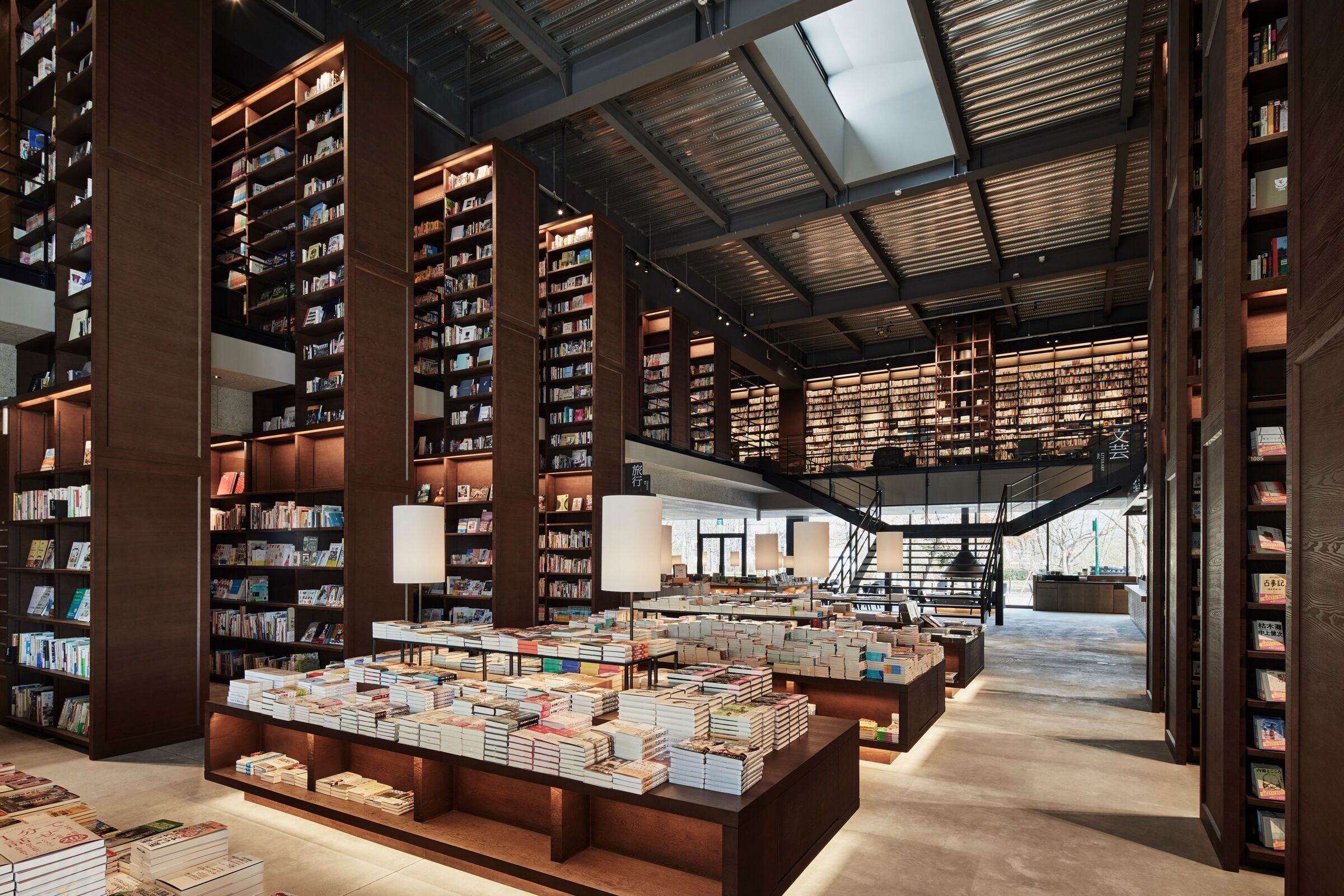
    The operator is building its Asian strategy around a mix of bookshelves, restaurants, and community spaces.

    Selling physical books alone carries thin margins in high-rent metropolitan malls. Integrating dining, curated lifestyle products, and fandom merchandise gives the operator higher basket values and longer dwell times per visitor.

    Competitive Terrain in Bangkok

    Bangkok already hosts established Japanese retail operators, including Kinokuniya and specialized character-goods shops. Tsutaya enters the market by pitching a broader lifestyle proposition rather than running as a pure bookseller.

    For mall landlords, experiential book concepts act as steady foot-traffic anchors. The operational challenge lies in maintaining novelty once the initial opening buzz fades, particularly among younger shoppers who consume digital media rather than physical publications.

    Regional Expansion Drive

    Culture Convenience Club has steadily widened its overseas footprint, adding locations in Taiwan, China, and Malaysia. The Thai launch extends that Asian network into one of the region’s most active consumer retail hubs.

    The Bangkok branch opens its doors in October, with the operator monitoring initial store traffic before committing to further sites across the country.

  • Japan’s I’m Donut? Enters Southeast Asia with First Kuala Lumpur Store

    Japan’s I’m Donut? Enters Southeast Asia with First Kuala Lumpur Store

    Japanese bakery concept I’m donut? Opened its first Southeast Asian store at The Exchange TRX in Kuala Lumpur on September 12, 2026. The outlet brings more than 30 pastry varieties to Malaysia.

    The launch is the brand’s first physical retail location outside Japan. It follows rapid growth across Tokyo and other major Japanese cities.

    The Exchange TRX Deployment

    Located at lot GS.05.0 in The Exchange TRX, the shop trades daily from 10:00 AM to 10:00 PM. Staff make every pastry fresh on site throughout the day.

    Chef and founder Ryouta Hirako built the concept around signature nama donuts. His recipe uses a soft dough to produce an airy texture. The Kuala Lumpur branch stocks the brand’s core menu, including the Original, Nama French Cruller, Pistachio Cream, Cacao and Custard variants.

    “We are very happy to finally bring I’m donut? To Malaysia and to introduce our nama donuts to customers in Kuala Lumpur,” said Chef Ryouta Hirako, Founder of I’m donut?.

    Localization and Menu Structure

    Alongside its Japanese lineup, the retailer rolled out items designed specifically for Malaysian consumers. The localized menu incorporates regional breakfast staples and drinks into bakery formats.

    Exclusive items feature sweet and savoury combinations, including Masala Chicken, Cham, Hojicha Kaya Jam, Milo Glazed, Banana Fritter Caramel and Pandan Coconut Cream. Menu localization helps specialty bakeries keep footfall steady once initial novelty fades.

    Mall Dynamics and Food Retail Competition

    Mall operators across Southeast Asia have turned to viral Japanese and Korean food concepts to anchor retail floors. The Exchange TRX serves as a primary landing pad for foreign food and beverage brands entering Malaysia.

    Single-product bakery concepts face sharp competition in Kuala Lumpur’s top retail hubs. Long-term performance requires a balance. Operators must pair core imported recipes with localized seasonal items to hold a broad customer base.

    Expansion Trajectory

    The Malaysian launch follows an announcement in late August 2026 detailing plans to expand across the region. This Kuala Lumpur site gives the company an operating base to test Southeast Asian demand.

    RetailNews Asia tracks store productivity across prime commercial developments in Malaysia. Sales and foot traffic at The Exchange TRX will establish the baseline for future growth. Those figures will determine whether the business adds locations in the Klang Valley or pushes into Singapore and Thailand.

  • FamilyMart Rolls Out T-Shirt Uniforms and Relaxes Hair Color Rules in Japan

    FamilyMart Rolls Out T-Shirt Uniforms and Relaxes Hair Color Rules in Japan

    FamilyMart introduced casual T-shirt uniforms and relaxed hair color restrictions for store clerks across Japan to widen its recruitment pool. The convenience store operator replaced its traditional buttoned jackets with casual wear to make daily shifts more practical during hot summer months.

    Store employees can now dye their hair freely, removing a long-standing guideline that required natural or strictly regulated dark tones. The policy applies to both full-time store staff and part-time workers across the chain’s franchised and company-owned network.

    New dress code for store staff

    The new uniform lineup features lightweight, breathable T-shirts designed for high-turnover shift work and stock handling. Staff can wear the shirts as their standard work attire rather than layering heavy branded vests or stiff aprons over personal clothing.

    Easing appearance rules directly targets younger job seekers and student workers who frequently cited grooming mandates as a barrier to working in convenience retail. Store managers also gain flexibility to recruit older part-timers and foreign workers who prefer less formal uniform requirements.

    Labor pressures in Japanese retail

    Convenience operators across Japan are adapting store operations to manage an acute shortage of frontline labor. Rival chains Lawson and Seven-Eleven Japan have rolled out self-checkout kiosks, automated ordering systems, and revised shift schedules over the past two years to keep stores staffed around the clock.

    Relaxing dress standards represents an inexpensive retention and hiring tactic compared to sharp wage increases. Japanese retailers historically enforced strict uniform and grooming standards to present an orderly, uniform brand image to local shoppers.

    FamilyMart franchisees will complete the uniform transition across regional store clusters as autumn inventory distribution schedules take effect.

  • Loft Returns to Hong Kong with 3,500-Product Pop-Up at Moko

    Loft Returns to Hong Kong with 3,500-Product Pop-Up at Moko

    Japanese lifestyle chain Loft returned to Hong Kong on August 22, opening a 3,500-product pop-up store at the Moko shopping mall in Mong Kok.

    The one-year temporary location is run by local retail operator Yaichi under a pricing model pegged directly to Japanese domestic rates. The store carries inventory across stationery, cosmetics, homeware, gifts and seasonal items, reviving the Japanese brand’s presence in the territory following an earlier exit.

    Merchandise lineup and price matching

    Yaichi built the retail concept around a Japan Price Match guarantee to counter gray-market importers and cross-border shopping. The outlet stocks exclusive items including the Loft Limited Tote Bag, B-Side Label vinyl stickers, and beauty lines such as Vim Beauty, a cosmetics label developed by Japanese creator Marilyn.

    Alongside shelf pricing, the operator rolled out a dedicated membership tier called Yaichi Loft Tomo. The programme offers members discounted pricing and promotional perks during the pop-up’s stay at the Sun Hung Kai Properties-owned retail complex.

    Testing demand through local franchise partners

    Japanese variety and lifestyle chains have adjusted their overseas playbooks across Greater China, using franchise and distribution partners rather than heavy direct capital investments. Loft previously opened its first direct flagship in Shanghai in mid-2020, but the Hong Kong format relies entirely on Yaichi to manage local stock and lease commitments.

    The Moko pop-up is scheduled to trade through August 2027, giving the brand a 12-month window to gauge consumer response before committing to permanent standalone stores in the city.