Retail News CRM

Tag: japanese

  • Konvy Bags $15M from Cool Japan Fund to Boost Japanese Beauty Brands in Southeast Asia

    Konvy Bags $15M from Cool Japan Fund to Boost Japanese Beauty Brands in Southeast Asia

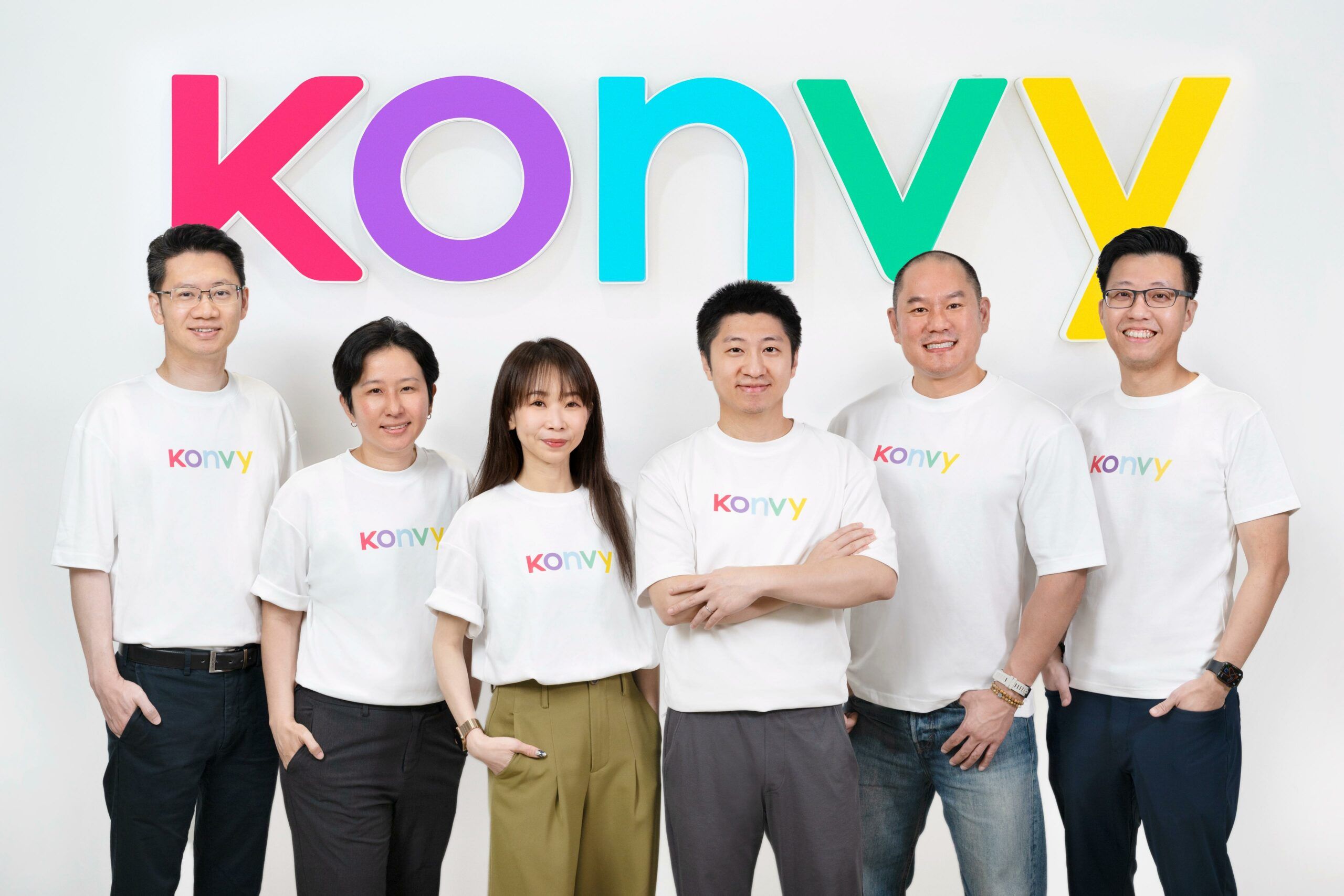
    Konvy, a renowned Thai retailer specializing in beauty and healthcare products, recently received a $15 million investment from Japan’s Cool Japan Fund (CJF). This strategic partnership aims to stimulate demand for Japanese beauty and healthcare brands across Southeast Asia.

    The Strategic Investment

    CJF’s investment into Konvy is intended to leverage the retailer’s robust multi-channel network and digital marketing prowess for the promotion of Japanese-brand products within the healthcare and beauty sectors in overseas markets. The main goal is to amplify the international appeal and consumption of these products, thereby cementing Japan’s position in these markets.

    Konvy, established in 2011, has rapidly developed into a frontrunner in Thailand’s beauty e-commerce scene. Its expansive product range boasts over 20,000 items from more than 1000 brands, spanning categories such as skincare, cosmetics, fragrances, and beauty accessories.

    Konvy’s Multi-Channel Retail Network

    Konvy’s retail operation utilizes a multi-faceted approach, leveraging both online and offline channels. The retailer operates its proprietary e-commerce platform and collaborates with prominent online marketplaces like Shopee and Lazada. It has also adopted social commerce, marking its presence on platforms like TikTok Shop.

    Further, Konvy has successfully expanded its brick-and-mortar footprint, with 16 stores in Thailand and one in the Philippines. The company also collaborates with retail partners such as Watsons to strengthen its offline presence. Apart from Thailand and the Philippines, Konvy operates in Malaysia as well.

    This recent investment signifies a continuation of Konvy’s previous partnership with Japanese companies under the Japan External Trade Organization’s Japan Mall Project that took place between 2022 and 2023. This project aimed at promoting Japanese products in overseas markets.

    Questions & Answers

    What is the purpose of the Cool Japan Fund’s investment in Konvy?
    The investment aims to increase the global demand for Japanese-brand products in the healthcare and beauty sectors, leveraging Konvy’s multi-channel retail network and digital marketing capabilities.

    What categories of products does Konvy offer?
    Konvy offers a wide range of products spanning categories such as skincare, cosmetics, fragrances, and beauty accessories.

    Where does Konvy operate?
    Konvy operates in Thailand, the Philippines, and Malaysia, both through its online platforms and physical retail stores.

  • Nanamica Breaks into China’s Fashion Scene: Japanese Brand Launches First Store in Shanghai

    Nanamica Breaks into China’s Fashion Scene: Japanese Brand Launches First Store in Shanghai

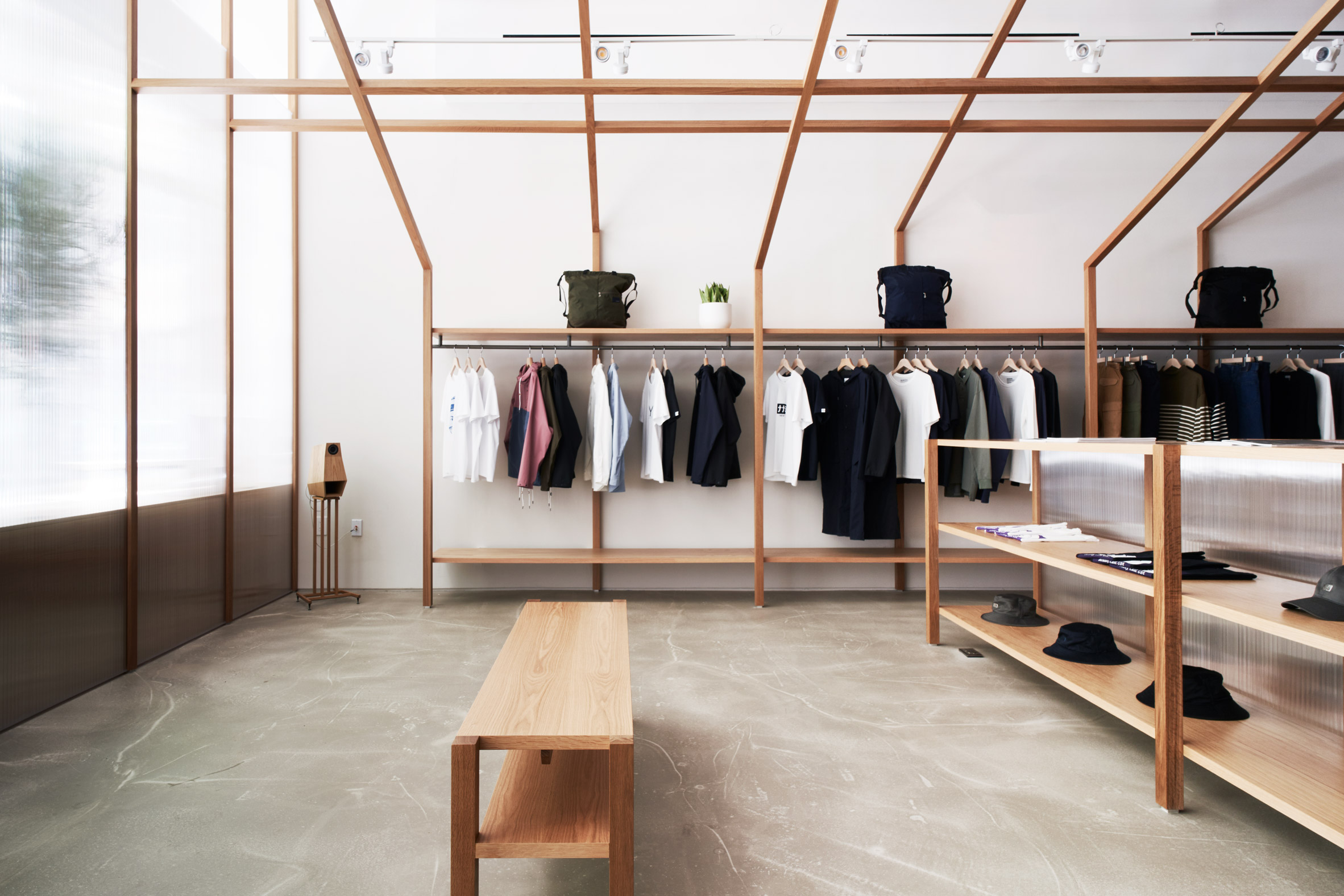
    Renowned Japanese fashion label, Nanamica, has announced the inauguration of a new retail outlet in Shanghai, China. This is set to be the brand’s second international presence.

    The shop is strategically situated on Wukang Road, a bustling area within Shanghai’s Xuhui district. The location’s existing architecture is expected to harmoniously blend with the brand’s contemporary, minimalist aesthetics.

    Nanamica is recognized for its unique blend of attire that impeccably combines fashion with functionality. The brand prides itself on its versatile offerings that effortlessly “transcend genre, age, and gender”, setting it apart in the global fashion industry.

    The company expressed its vision for the newly launched Nanamica Wukang branch. It aims to provide a unique space where customers can experience the brand’s ethos in line with the local cultural backdrop and creative ambiance.

    As part of its consumer-centric approach, Nanamica has a clear message for its customers: the brand is determined to create garments that can be worn and cherished for an extended period. The company values longevity, coupling it with style and comfort.

    Nanamica has a strong retail presence, with stores operating in various locations such as Daikanyama, Kobe, Fukuoka, Kyoto, New York, and now making its mark in Shanghai.

    Questions & Answers

    What is the vision for the new Nanamica store in Shanghai?
    The vision for the new Nanamica Wukang store is to provide a space where customers can experience the brand’s ethos in a setting that harmonizes with the local cultural backdrop and creative ambiance.

    What is unique about Nanamica’s range of clothing?
    Nanamica’s clothing range is unique in its combination of fashion and functionality, offering versatile designs that transcend genre, age, and gender.

    Where else does Nanamica have store locations?
    In addition to its new Shanghai location, Nanamica operates stores in Daikanyama, Kobe, Fukuoka, Kyoto, and New York.

  • Japanese Beauty Giant @Cosme Unveils First Overseas Flagship Store in Hong Kong: A Fusion of Luxury Labels and Innovative Retail Experience

    Japanese Beauty Giant @Cosme Unveils First Overseas Flagship Store in Hong Kong: A Fusion of Luxury Labels and Innovative Retail Experience

    @Cosme, a renowned Japanese beauty retailer, is making its debut in Hong Kong with its inaugural overseas flagship store. The grand opening is planned for next month in the bustling district of Tsim Sha Tsui.

    Covering an area of 1,298 square meters, this three-level, street-front store will be home to approximately 500 brands. Shoppers can expect to find a wide variety of cosmetic and skincare products from premium brands such as Estee Lauder, Tom Ford Beauty, Aveda, YSL, Shiseido, Nars, and Decorte. In addition, more affordable options will be available from brands like Canmake, Wonjungyo, and Orbis.

    Notably, the store will also introduce several brands from Korea to its product line-up, including popular names such as D’Alba and Beauty of Joseon.

    The new flagship store will feature an advanced integration of online and offline shopping experiences via the local @Cosme app. The app provides multilingual product reviews and audio guides, enabling customers to make informed decisions while in the store.

    The company has chosen Hong Kong as the location for its first overseas store due to the city’s status as a major economic hub. Hong Kong’s low tax rates, status as a free trade port, and significant potential for growth in customer demand from mainland China and other Asian countries, were all deciding factors in this strategic move.

    This marks a significant step in @Cosme’s ongoing international expansion. The company already operates successful flagship stores in some of Japan’s largest cities, including Tokyo, Osaka, and Nagoya.

    Questions & Answers

    What is special about the new @Cosme flagship store in Hong Kong?
    The new @Cosme store in Hong Kong is the first overseas flagship store for the brand. It features an impressive integration of online and offline shopping experiences via the local @Cosme app.

    What kind of brands will be available at the @Cosme store in Hong Kong?
    The store will offer products from around 500 brands, including both luxury and affordable options. It will also introduce several Korean brands to its line-up.

    Why has @Cosme chosen Hong Kong as the location for its first overseas store?
    Hong Kong was chosen due to its status as a major economic hub with low tax rates and a free trade port. The city also presents significant growth potential due to inbound demand from mainland China and various Asian countries.

  • Japanese Coffee Titans Brew Expansion Strategy to Rival Starbucks in India and Southeast Asia

    Japanese Coffee Titans Brew Expansion Strategy to Rival Starbucks in India and Southeast Asia

    Japanese-themed full-service café chains are accelerating their proliferation across India and Southeast Asia. They are banking on the allure of their high-end atmosphere and Japan-centric menus to the emerging middle and upper-class consumers in these regions.

    Emergence of Full-Service Cafés

    Coffee-Kan, a full-service café where customers place their orders at the table and enjoy comprehensive waiter service, is gearing towards inaugurating its debut international outlet in India by 2027. The company is targeting to set up 60 stores throughout India and Southeast Asia within the next decade.

    Targeting urban office-goers and middle to high-income consumers in cities like Mumbai and Bengaluru, café operator C-United anticipates an average spending to surpass JPY2,000 yen (US$12.90), which is over double its average expenditure in Japan.

    The number of international café chain outlets in India saw a 13% hike in 2024 from the preceding year, tallying up to around 5,300 outlets. Leading the pack was Starbucks, followed by native brands Barista and Café Coffee Day, all of which only offer counter service. Industry experts believe that full-service cafes have a high growth potential.

    “Full-service cafes are gaining in popularity as a space where office employees and university students can relaxingly spend longer durations indulging in food, reading, and socializing,” remarked Takanori Higuchi of the Japan External Trade Organization office in New Delhi.

    C-United’s President Yuki Tomonari commented that “there is a demand for more expensive options in the full-service café format.”

    Thriving Market Potential

    Market research company Euromonitor International predicts that by 2030, India’s middle to high-income population will leap to over 40% from just 10% in 2020.

    Another Japan-based firm, Doutor Nichires Holdings, has plans to inaugurate the first international branch of its full-service concept Kanno Coffee in Taiwan by March 2026. The chain, which currently operates 12 outlets chiefly in urban areas in Japan, will spotlight matcha-based offerings in Taiwan and anticipates an average customer spending of approximately 1,000 yen.

    Doutor Nichires has already opened roughly 20 branches of its Hoshino Coffee brand across Taiwan and the Philippines. Kanno Coffee boasts numerous Japanese-style menu items that incorporate matcha,” observed President Masanori Hoshino. “We believe it will be successful even at a higher price point than Hoshino Coffee.”

    Komeda is also broadening its reach in Taiwan and Indonesia, managing about 80 international stores compared to 18 as of February 2021.

    Questions & Answers

    What does the term ‘full-service café’ refer to?
    Full-service cafes offer a dining experience where customers place their orders at their tables and enjoy complete waiter service.

    What are the expansion plans of Coffee-Kan?
    Coffee-Kan plans to open its first overseas outlet in India by 2027 and aims to establish 60 stores across India and Southeast Asia by 2030.

    What is the special offering of the Kanno Coffee chain?
    Kanno Coffee, a chain run by Doutor Nichires Holdings, places special emphasis on matcha-based offerings at its outlets.

  • Animate’s Much-anticipated Return To Hong Kong: A Boost For Anime, Manga, And Game Enthusiasts

    Animate’s Much-anticipated Return To Hong Kong: A Boost For Anime, Manga, And Game Enthusiasts

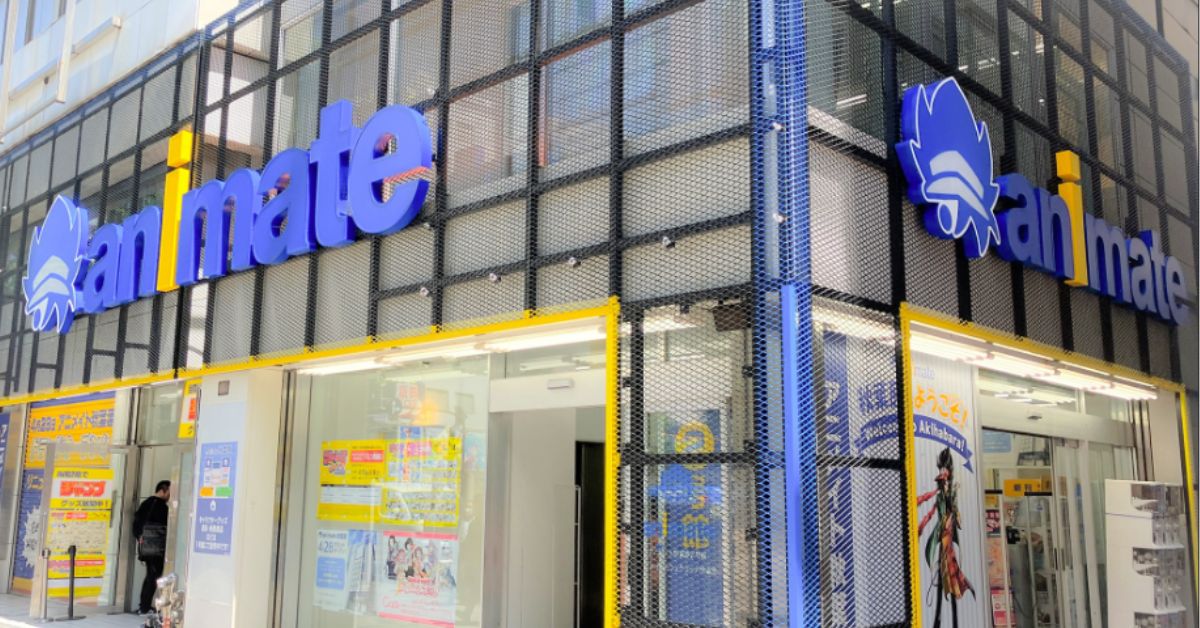
    Excitement is brewing among anime, manga, and video game fans, as Japan’s prominent retailer, Animate, is making a much-anticipated comeback in Hong Kong. This news is particularly thrilling for local enthusiasts, who often make trips to Japan, visiting various Animate outlets nationwide to stock up on the latest merchandise.

    A Teaser for the Upcoming Store

    Animate, on September 12, hinted at its Hong Kong store’s imminent launch through a post on its Facebook page. The message was primarily targeted towards potential employees, inviting them to apply for active positions. The remaining content of the post remained mysteriously brief, only hinting at the store’s impending arrival.

    The Return of a Familiar Face

    Previously, Animate operated a retail branch in Hong Kong’s Mong Kok, along with an Animate Cafe, known as Youme Cafe. However, both facilities closed their doors in 2020. Five years on, local fans can anticipate the return of Japan’s foremost retailer of anime, manga, and games-related merchandise – again, in Mong Kok. However, the particulars regarding the opening date and precise location are yet to be clarified. In Japan, Animate boasts over 100 retail stores. Globally, the brand maintains several outlets in mainland China, Thailand, Taiwan, and the US. Its flagship store, a nine-story building located in Tokyo’s Ikebukuro district, holds a Guinness World Record for being the ‘largest anime store’ in the world.

    A Timely Reopening

    With Japanese anime and manga content enjoying immense popularity among Hong Kong’s audience, Animate’s return couldn’t have been better timed. Currently, an Attack on Titan exhibition is being held in Kai Tak, and Demon Slayer: Kimetsu No Yaiba Infinity Castle continues to screen in cinemas. Furthermore, the large-scale Ani-Com & Games Hong Kong event happens every summer. This context sets the stage perfectly for Animate’s return, potentially adding to the excitement of the fans who are already saving up to splurge on the upcoming merchandise.

    Questions & Answers

    When is Animate expected to reopen in Hong Kong?
    The exact opening date has not been disclosed yet.

    Where will the new Animate store be located?
    Though the exact location is not confirmed, it is expected to be in Mong Kok, where Animate’s previous store was located.

    What does Animate specialize in?
    Animate is a leading retailer in Japan, specializing in anime, manga, and video game merchandise.

  • Japanese Dessert Giant Beard Papa’s Debuts In San Diego, Introducing Unique Cream Puffs To Local Residents

    Japanese Dessert Giant Beard Papa’s Debuts In San Diego, Introducing Unique Cream Puffs To Local Residents

    Beard Papa’s, the Japanese cream puff chain, has inaugurated its first outlet in Kearny Mesa, San Diego. This move introduces the local residents to its unique pastries, made to order as per customer preference.

    Beard Papa’s was established in Osaka in 1999 and has since been renowned for its airy cream puffs filled with custard freshly prepared each day.

    Mark Nathan, the Managing Director for Beard Papa’s, highlights, “Our cream puffs are baked fresh on-site every day and are some of the largest ones you’ll encounter.” He added that with real vanilla bean, premium custard, and high-quality ingredients, Beard Papa’s isn’t merely a dessert provider but a hub for memorable, irresistible experiences that ensures customers keep returning.

    The bakery provides cream puff shells in Original, Chocolate, Oreo, and Matcha flavors, coupled with the brand’s signature Vanilla Bean custard. Additional filling flavors, including Green Tea and Chocolate, are set to be introduced in the future.

    Andrew, the franchise owner of Beard Papa’s in San Diego, said, “Our mission is to serve the community with a dedicated Japanese bakery that has garnered such a significant cult following.”

    Currently, Beard Papa’s operates over 400 stores globally, with a footprint across Asia, North America, and Australia.

    Questions & Answers

    What is Beard Papa’s known for?
    Beard Papa’s is best known for its light cream puffs filled with freshly prepared custard.

    What range of flavors does Beard Papa’s offer?
    Beard Papa’s offers cream puff shells in Original, Chocolate, Oreo, and Matcha flavors, along with its Vanilla Bean custard. Additional fillings, such as Green Tea and Chocolate, will be available in the future.

    How many Beard Papa’s stores are there worldwide?
    Beard Papa’s currently operates more than 400 stores worldwide across Asia, North America, and Australia.

  • Saizeriya Sets Sights On Doubling China Presence With Local Production Strategy By 2035

    Saizeriya Sets Sights On Doubling China Presence With Local Production Strategy By 2035

    Saizeriya, a Japanese-owned Italian restaurant chain, has unveiled an ambitious plan to double its presence in China from its current footprint to approximately 1,000 outlets by the year 2035.

    Expansion Strategies and Local Production

    In order to facilitate its expansion, Saizeriya established a subsidiary in Wuhan in July. Furthermore, they have plans to inaugurate a $30 million plant in Guangzhou next year. This new plant will produce local ingredients, including sauces, pasta, and pizza.

    The restaurant chain aims to attract “cost-conscious” consumers with its pricing strategy. As an illustration, at its Shanghai branches, Milan-style rice is priced at 15 yuan (roughly $2), and squid-ink pasta is available for 16 yuan.

    Noboru Nagaoka, the General Manager for overseas business, provided insight into the company’s performance. According to Nagaoka, the company currently generates an annual operating income of $40 million, a figure that is triple the amount earned from its operations in Japan.

    “We initially wanted to challenge the notion that Western food had to be expensive. Our goal was to demonstrate that genuine Italian meals could also be affordable,” he explained.

    Established Presence and Future Growth

    Saizeriya launched its first branch in Guangzhou in 2007, followed by a branch in Beijing in 2008. Recently, in July, the restaurant chain established a head office in Guangdong Province. This office is responsible for managing its operations in China and standardizing menu development.

    Nagaoka stated, “The Chinese market is of utmost importance to us. Our profits from this market have already surpassed those from Japan. Moreover, the potential for future growth in China is much larger.”

    To continue expanding its presence in the Chinese market, Saizeriya plans to open a minimum of 50 new stores per year. This would align its presence in China with the approximately 1050 restaurants it currently operates in Japan.

    Questions & Answers

    What is Saizeriya’s expansion plan for China?
    Saizeriya aims to double its presence in China to about 1,000 outlets by 2035.

    How does Saizeriya plan to support its expansion in China?
    The company plans to open a $30 million plant in Guangzhou to produce local ingredients. Additionally, a subsidiary has been established in Wuhan, and a head office has been set up in Guangdong Province to manage operations and standardize menu development.

    What is Saizeriya’s pricing strategy?
    Saizeriya targets “cost-conscious” diners by offering affordable prices for its dishes. For instance, at its Shanghai branches, Milan-style rice is priced at 15 yuan, and squid-ink pasta is available for 16 yuan.

  • Rimowa Opens First Street-front Store In Japan’s Chubu Region: A Blend Of Luxury And Tradition

    Rimowa Opens First Street-front Store In Japan’s Chubu Region: A Blend Of Luxury And Tradition

    Rimowa, a luxury travel accessories brand, has recently opened its inaugural street-front store in Sakae, Nagoya, situated in the heart of Japan’s Chubu region. The brand, which is part of the LVMH portfolio, is renowned for its premium range of suitcases, bags, and accessories.

    Store Design and Location

    The newly unveiled store, nestled amidst other high-end brands on Otsu-dori Street, merges traditional Japanese architecture with Rimowa’s own unique design aesthetic. Covering an impressive 190 square meters over two floors, the store’s design emphasizes the concept of lightness, achieved by the natural light streaming through its glass walls.

    The ground floor of the store showcases a striking blend of two types of synthetic marbles, creating a stark contrast with the store’s luminous interior ambiance.

    Customer Service and In-store Features

    On the second floor, customers will find two dedicated repair counters offering hot stamping and click repair services. The store also features a secluded customer service area, designed to promote a calm and relaxed shopping environment. True to Rimowa’s commitment to design and quality, this area boasts furniture crafted by Marcel Breuer, a renowned figure in furniture design who received his education at Germany’s prestigious Bauhaus.

    Questions & Answers

    Where is the new Rimowa store located?
    The new Rimowa store is located in Sakae, Nagoya, in Japan’s Chubu region.

    What is the design theme of the new Rimowa store?
    The design theme of the new Rimowa store emphasizes lightness, with natural light filtering in from its glass walls.

    What services does the new Rimowa store offer?
    The new Rimowa store offers dedicated repair counters for hot stamping and click repairs. It also features a partitioned customer service area for a relaxed shopping experience.

  • Japanese pharmacy Ain to acquire rival for $690 million

    Japanese pharmacy Ain to acquire rival for $690 million

    Japanese pharmaceutical retailer, Ain, has unveiled plans to acquire its competitor, Kraft, which operates the Sakura pharmacy chain. The proposed transaction is estimated to be worth over 100 billion yen (approximately US$690 million).

    Ain’s intention is to purchase the entirety of Kraft’s shares from investment firm Nippon Sangyo Suishin Kiko. The deal, which includes assuming all the company’s debts, is estimated to cost Ain nearly 60 billion yen. If all goes to plan, the transaction is expected to be finalized in August.

    In the business year ending April 2024, Ain’s dispensing pharmacy business reported strong sales figures of 357.5 billion yen. On the other hand, Kraft’s sales for the business year ending March 2024 were reported at 153.7 billion yen.

    By acquiring Kraft, Ain aims to cement its leading position over its competitor Nihon Chouzai. The latter posted impressive sales of 321.9 billion yen in the last fiscal year.

    Questions & Answers

    What is the estimated value of the acquisition deal between Ain and Kraft?
    The proposed acquisition deal is estimated to be worth over 100 billion yen (approximately US$690 million).

    What is the expected completion date for the transaction?
    The acquisition transaction is expected to be finalized in August.

    What were the sales figures for Ain and Kraft in the last business year?
    Ain’s dispensing pharmacy business reported sales figures of 357.5 billion yen in the business year ending April 2024, while Kraft posted sales of 153.7 billion yen for the same period.

  • Randy’s Donuts makes its Japanese debut in Tokyo

    Randy’s Donuts makes its Japanese debut in Tokyo

    Randy’s Donuts, an American doughnut franchise, has recently launched its first outlet in Japan. Nestled in Tokyo’s Log Road Daikanyama shopping center, this marks the brand’s latest international expansion.

    Founded in 1952, Randy’s Donuts has become a recognizable name in the doughnut industry. The brand runs 25 stores across the United States and has made its mark globally, with outlets in South Korea, the Philippines, Saudi Arabia, and Mexico. The Japanese master franchise is managed by Grit International, under the leadership of Tsuyoshi Haga, a former executive at Don Quijote.

    Distinct Packaging Sparks Interest

    Haga revealed that what initially piqued his interest in bringing Randy’s Donuts to Japan was the brand’s unique packaging. He applied the insights he gained throughout his tenure at Don Quijote to create a shopping experience that is as entertaining as it is satisfying.

    “I incorporated the knowledge I gained over the years at Don Quijote about creating a store that provides entertainment into Randy’s Donuts,” Haga explained.

    Doughnut Display and Service

    The store stands out with its large showcase that can display up to 1,000 doughnuts. It features a cashless self-service ordering system and a comfortable dine-in area. Customers can choose from over 40 doughnut varieties, with prices ranging from US$2.45 to $3.74 (JPY360 to 550). The store also offers a selection of beverages, including coffee, lemonade, smoothies, and tapioca drinks.

    Plans for Expansion

    Haga plans to use the Tokyo location as a stepping stone for further expansion across Japan. “We would like to establish a track record with this store and then increase the number of stores across Japan,” he concluded.

    Questions & Answers

    What is the unique feature of Randy’s Donuts’ new store in Tokyo?
    The Tokyo store stands out with a large display that can showcase up to 1,000 doughnuts and a cashless self-service ordering system.

    Who is leading the operations of Randy’s Donuts in Japan?
    The operations of Randy’s Donuts in Japan are led by Tsuyoshi Haga, a former executive at Don Quijote.

    What are the future plans of Randy’s Donuts in Japan?
    Tsuyoshi Haga plans to use the Tokyo location to establish a track record and use it as a foundation for further expansion across Japan.

  • Knows deeper Japanese lifestyle guru Marie Kondo

    Knows deeper Japanese lifestyle guru Marie Kondo

    Marie Kondo is the queen of organization. Her book, “The Life-Changing Magic of Tidying Up: The Japanese Art of Decluttering and Organizing,” reveals her instructions for organizing your space in one sitting, and then never having to do it again. Her methods have garnered a significant social media following with the hashtag #konmarimethod, and also landed her a spot on Time’s 2015 “Top 100 Influential People” list.

    Marie Kondo is a Japanese organizing consultant and author. She has written four books on organizing, which have collectively sold millions of copies and have been translated from Japanese into languages including Korean, Chinese, Spanish, Indonesian, French, German, Swedish and English.

    Ever since Netflix released Tidying Up With Marie Kondo on New Year’s Day, Twitter has been awash with Kondo memes.

    Marie follows the the Japanese way of living based on minimalism, and she applies to all objects in house.

    Marie is growing popularity on the web; however, some of her statements divide the internet.

    In the digital age, while experts maintain that influencer marketing is fading out, and some others opt for micro-influencers, Marie seems to belong to a complete new category that aims to make people’s life better through reducing possessions instead of accumulating goods.

    We are looking forward to see what’s next for influencer marketing.

  • Japanese food products flood Vietnam market

    Japanese food products flood Vietnam market

    Takimoto Koji, chief representative of the Japan External Trade Organization (Jetro) in HCMC, said Vietnam is a market with rapid growth, where consumers easily accept new products.

    According to Jetro, Japanese food exports were bringing $7.5 billion a year, while the Japanese government strives for an annual 30 percent growth rate by 2019.

    In November 2016, Jetro, joining forces with Ministop, FamilyMart and Aeon, the retail chain with 200 shops, will begin selling food products in a program called Japan Fair.

    After Japan Fair runs in Vietnam, it will be organized in Singapore, slated for April 2017.

    The representative of Jetro said Vietnamese people think Japanese products are expensive. However, there are products that fit Vietnamese pockets, though the selling prices in Vietnam are estimated as twice as much the prices in Japan because of additional expenses.

    Jetro has also decided to introduce products in high demand and short supply which have never been sold in Vietnam.

    Of the 78 items to be displayed at Japan Fair, the lowest price will be VND10,000, for candy, and the highest VND359,000, for a package of cookies.

    According to Yamanouchi Hirohisa from Family Mart Vietnam, soft pies (VND53,000-60,000 per box) and ice cream have been selling well.

    Meanwhile, Akihiko Maeda from Ministop Vietnam, said at his retail chain, 30 percent of Japan Fair’s products have been selling well. Ice cream is the best seller despite the high price of VND33,000-47,000, which is three times higher than the average price in Vietnam.

    In HCMC, many shops specialize in distributing Japanese products, such as Daso, Hachi Hachi and Tokyo Mart. Tokyo Mart sells the rice imported from Japan at the price of VND140,000 per kilo, 10 times higher than the average price in Vietnam and 5 times higher than high quality Vietnamese rice.

    Nguyen Van Ngai from the HCMC Agriculture & Forestry University said that many types of food and farm produce can be made or grown in Vietnam, but Vietnamese consumers believe Japanese products are safer. Vietnamese consumers, with improved living standards, are willing to pay higher prices to get safe products.

    Zing News quoted analysts as reporting that Japanese products have for many years been preparing the infrastructure and learning the market thoroughly.

    Not all Japanese products will be brought to Vietnam immediately, but will penetrate the market gradually. Food, cosmetics and fashion products will come to Vietnam first through retail channels, especially convenience stores.

  • Japan’s households begin opening their wallets

    Japan’s households begin opening their wallets

    Japan’s households opened their wallets a bit wider than anticipated in Might, with family expenditures leaping for the primary time in additional than a yr.

    Family expenditures rose four.eight % on yr in Might, topping a Reuters ballot forecast for three.four % and marking the primary on-year improve because the nation elevated its consumption tax in April of 2014.

    Some took the leap as a transparent constructive.

    “Most individuals have been extraordinarily skeptical on the entire Japanese package deal. 90 % of out of doors observers stated there was no means a rustic in a state of decline for 20 years might flip itself round,” Mark Matthews, head of analysis for Asia at Julius Baer, stated in a telephone interview. “These good numbers present there’s some momentum within the financial system.”

    Japan’s policymakers have struggled to kick begin the financial system after many years of deflation, with the Financial institution of Japan launching an enormous easing program in 2013 as a part of “Abenomics,” Japanese Prime Minister Shinzo Abe’s plan to return the nation to progress.

    However after a consumption tax hike to eight % from 5 % in April of 2014, the financial system acquired clobbered when shoppers stopped spending, forcing the federal government to postpone a second gross sales tax initially due this October.

    Different knowledge launched concurrently the family expenditures have been extra muted. Japan’s core shopper worth index (CPI) rose zero.1 % on-year in Might, only a tad above a Reuters ballot forecast for a flat studying and down from a zero.three % rise in April. The unemployment fee was regular at three.three % in Might, as anticipated.

    A few of Japan’s financial knowledge has supported the restoration expectations, with gross home product (GDP) progress for the primary quarter revised greater to an annualized three.9 %, up from 1.5 % within the October-to-December quarter, amid better-than-expected capital spending.

    To make certain, not everyone seems to be shopping for into the restoration story.

    “The large image stays that there’s nonetheless substantial spare capability within the financial system which is dragging down costs,” Marcel Thieliant, a Japan economist at Capital Economics, stated in a word Friday. “There are scant indicators that the tighter labor market has resulted in stronger worth strain,” he added, noting that the determine was barely above expectations on account of an increase in risky recent meals costs. He expects costs will fall within the third quarter.

    Thieliant additionally does not see a lot to get enthusiastic about from the family spending knowledge.

    The rise adopted a pointy drop in April, he famous.

    “Even when spending continued to rise by one other 2 % month-on-month in June, personal consumption might subsequently have stagnated final quarter,” he stated.” The upshot is that GDP progress ought to have slowed sharply within the second quarter.”

    The Japanese yen held flat at round 123.59 towards the U.S. greenback after the info.

  • Japanese take slice of Tran Anh Digital World

    Japanese take slice of Tran Anh Digital World

    Main Japanese electronics retailer Nojima Company has taken a cornerstone stake in Vietnamese electronics chain Tran Anh Digital World.

    The corporate says it has acquired 20.86 per cent and intends to take a 30 per cent holding for now.

    Tran Anh is predicated in Hanoi and has 15 shops within the northern areas of Vietnam, with plans to open as many as 9 extra this yr.

    Nojima’s transfer follows an funding by Thailand’s Central Group in taking a 49 per cent share in Nguyen Kim, a bigger chain dominant within the southern area of Vietnam. And property developer Vingroup has launched what it plans to turn out to be a community of 100 electronics shops in its Vincom purchasing centres, branded VinPro and in smaller standalone outlets beneath the VinPro+ model.

    Analysis home GfK reviews house electronics gross sales in Vietnam exceeded US$5.5 billion final yr, the second yr in a row progress within the class has exceeded 20 per cent yr on yr.

    Vietnamese information media report Tran Anh posted a tax-paid revenue of US$179,400 within the first quarter of this yr, up 11.5 per cent over the identical interval in 2014.

    Nojima first invested  in Tran Anh two years in the past, taking a 10 per cent stake.