Tag: JC Penney

  • JC Penney collapses into Chapter 11

    JC Penney collapses into Chapter 11

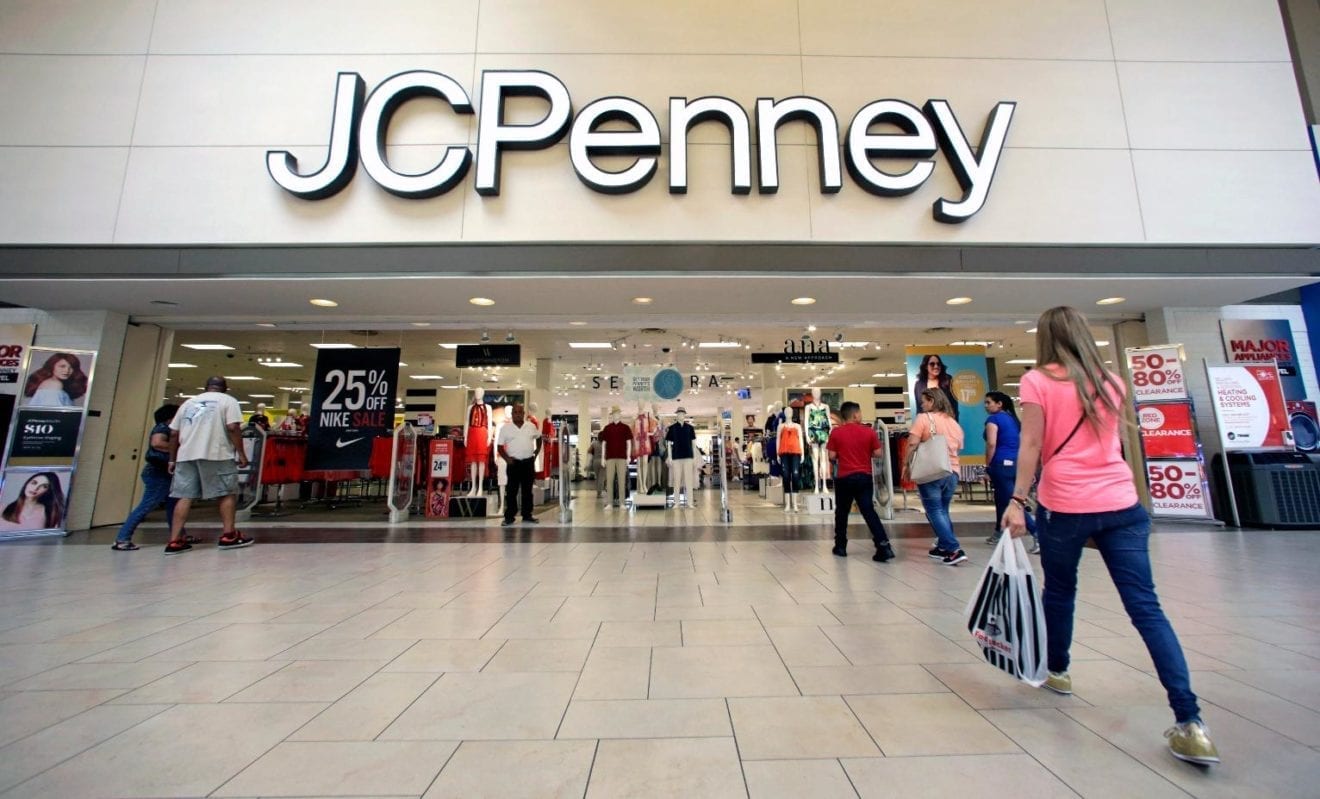
    US department-store giant JC Penney filed for Chapter 11 bankruptcy protection on Friday night. But while the company may have cited Covid-19 pandemic as the main reason, the company has been in dire straits for years.

    The company, which operates about 850 stores anchoring shopping malls all over the US, has the support of 70 percent of its priority creditors for a reorganization plan which includes securing $900 million of financing to enable it to continue trading.

    Neil Saunders, MD of GlobalData Retail, described the Chapter 11 move as “inevitable”.

    “Even before the pandemic, JC Penney’s road to reinvention was the equivalent of climbing a steep mountain with nothing other than the burden of an enormous pile of debt. The coronavirus crisis effectively broke the retailer’s limbs making further progress all but impossible.”

    In a statement announcing the bankruptcy, JC Penney said it would reduce its store network but has not indicated by what scale. Most observers seem to believe heavy cuts are essential.

    Saunders says the closure of underperforming stores should be an immediate priority.

    “JC Penney is exposed to a high number of weak malls and locations and it needs to quickly cut its losses. It will emerge a much smaller company, but this makes the process of reinvention much easier and will allow capital investments to flow to locations where they can generate the best return.”

    Australian retail property consultant Michael Baker, one-time head of research with the US-based International Council of Shopping Centers, says JC Penney’s collapse will have a huge impact on US mall operators.

    “It anchors literally hundreds of mid-end US malls. Mall owners have welcomed getting back department store real estate because it can be redeveloped into restaurant and entertainment space, often with alfresco elements. But now, with coronavirus, there is probably going to be a question mark over that strategy.”

    The challenge ahead for JC Penney is to restructure into a format and scale which is viable in a very different retail era to that when it flourished. Founded in 1902, until 1966 most of its stores were located in downtown high-street locations. Then the company locked its future into the shopping mall boom which saw thousands of centers opening all across the US, typically anchored by department stores, often by several. While in recent years JC Penney has opened some standalone stores and even experimented with a compact-store format, the company’s fortunes have become inextricably linked to the viability of shopping malls.

    ‘It’s a dead retailer walking’

    Michael Baker does not believe the company’s assurances it will emerge from bankruptcy reorganization as a ‘stronger retailer’.

    “It will certainly close a lot more stores and when it does reemerge it will face the same old format obsolescence problems,” he told Inside Retail Asia. “It’s a dead retailer walking.”

    Saunders is equally skeptical, although he does have some confidence in recently appointed CEO Jill Soltau.

    “Bankruptcy provides a narrow path forward. It gives JC Penney the financial means to weather the current downturn in demand and the scope to restructure its operations as the retail economy starts to normalize. But the process of reinventing the firm will not be easy. While management claims that significant progress had been made before the pandemic, we do not share this view. While some advancements were made, these were partial and completely insufficient to ensure a viable future for the company.”

    Saunders says the reality is that JC Penney needs a complete overhaul in terms of its assortments, store designs, ways of marketing and connecting with shoppers, and its brand image.

    “In other words, a wholesale makeover is required to restore the company’s fortunes. In normal times, that process of reinvention would be challenging; accomplishing it in the midst and aftermath of a pandemic is more than a tall order.”

    Saunders says while Soltau’s team might have made slow progress to date, the direction she has taken so far – which has focused on customers and their needs – has been correct. “Developments like the reimagined store format in Hurst, Texas showed some good forward-thinking. However, no one should underestimate the challenges of moving these ideas forward to the entire chain.

    Bankruptcy has only bought JC Penney time; it is a drug that is providing life support during a time of dire distress. Recovering is the difficult part, and it is still by no means certain that JC Penney will pull through or get back to full health.”
  • JC Penney to stop selling home appliances

    JC Penney to stop selling home appliances

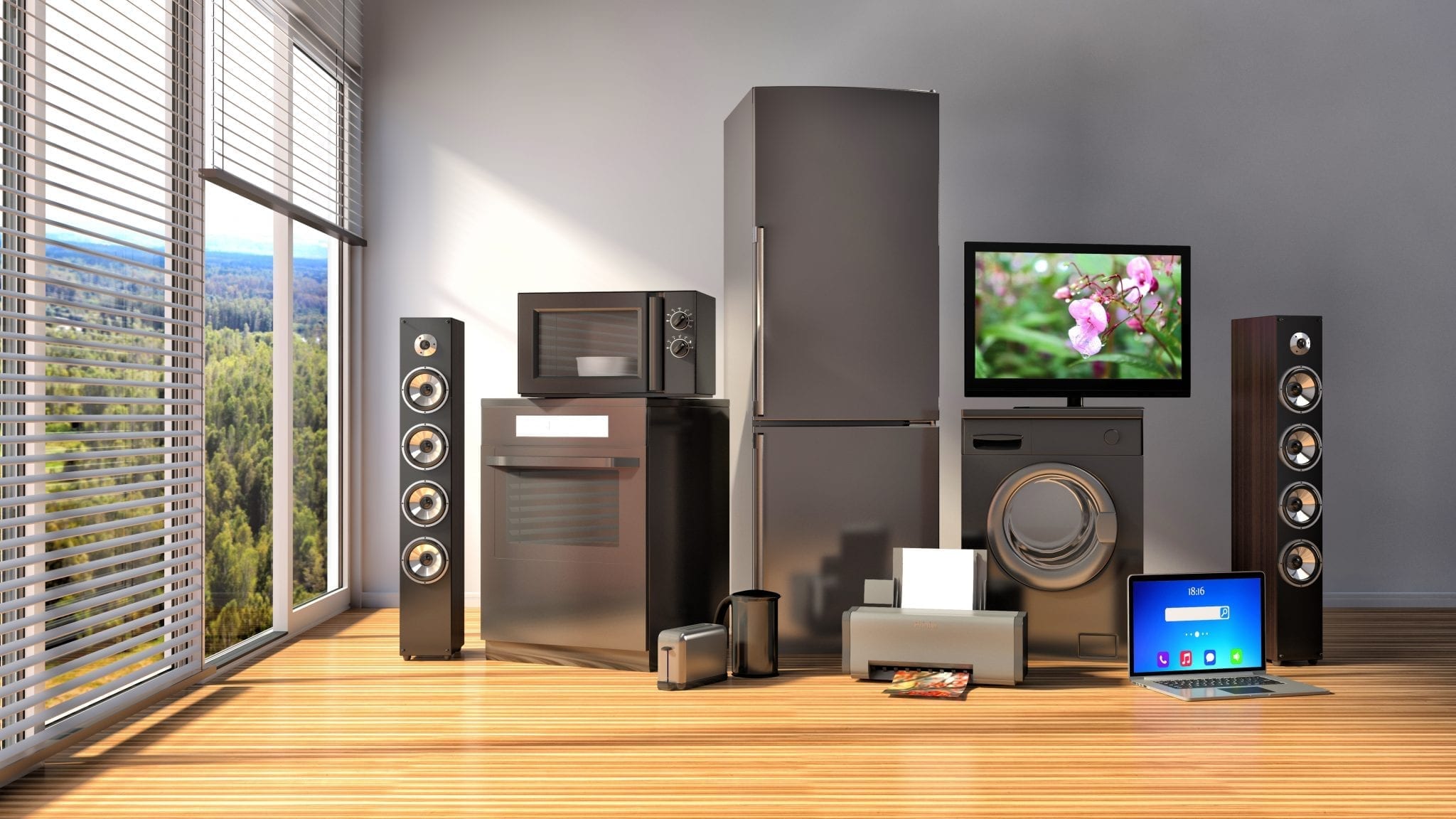
    Struggling department store chain JC Penney announced it will exit its home appliances business, and some of its furniture business, while revamping the layout of its stores to focus on clothing sales to boost profits. The company, which hasn’t turned a profit since 2010 and has forecast several more years of losses, said it would stop selling major appliances in February “to better meet customer expectations, improve financial performance and drive profitable growth.”

    JC Penney’s appliances business was a pet project of former CEO Marvin Ellison. The company will also stop selling furniture in majority of its stores and will now only be available in select stores in Puerto Rico and online.

    The announcement is the first major change by new CEO Jill Soltau since she joined the embattled retailer late last year.

    According to JC Penney, they are now finalising new layout options, including reduction of store space previously dedicated to appliance and furniture showrooms to maximise efficiencies, reduce inventory and create an enhanced shopping experience that inspires repeat shopping trips.

    “Optimising the allocation of store space will enable us to prioritise and focus on the company’s legacy strengths in apparel and soft home furnishings, which represent higher margin opportunities,” the company said.

    The company further announced customers can still purchase major appliances in stores and online until February 28 and receive free basic delivery and installation on new model purchases over $299. All protection plans and manufacturer’s warranty agreements will remain in effect for the applicable warranty period.

  • New USA tariff plan draws backlash from US retailers

    New USA tariff plan draws backlash from US retailers

    Failing US president Donald Trump is facing widespread backlash from US retailers and brands over his intention to trigger a trade war with China and other nations.

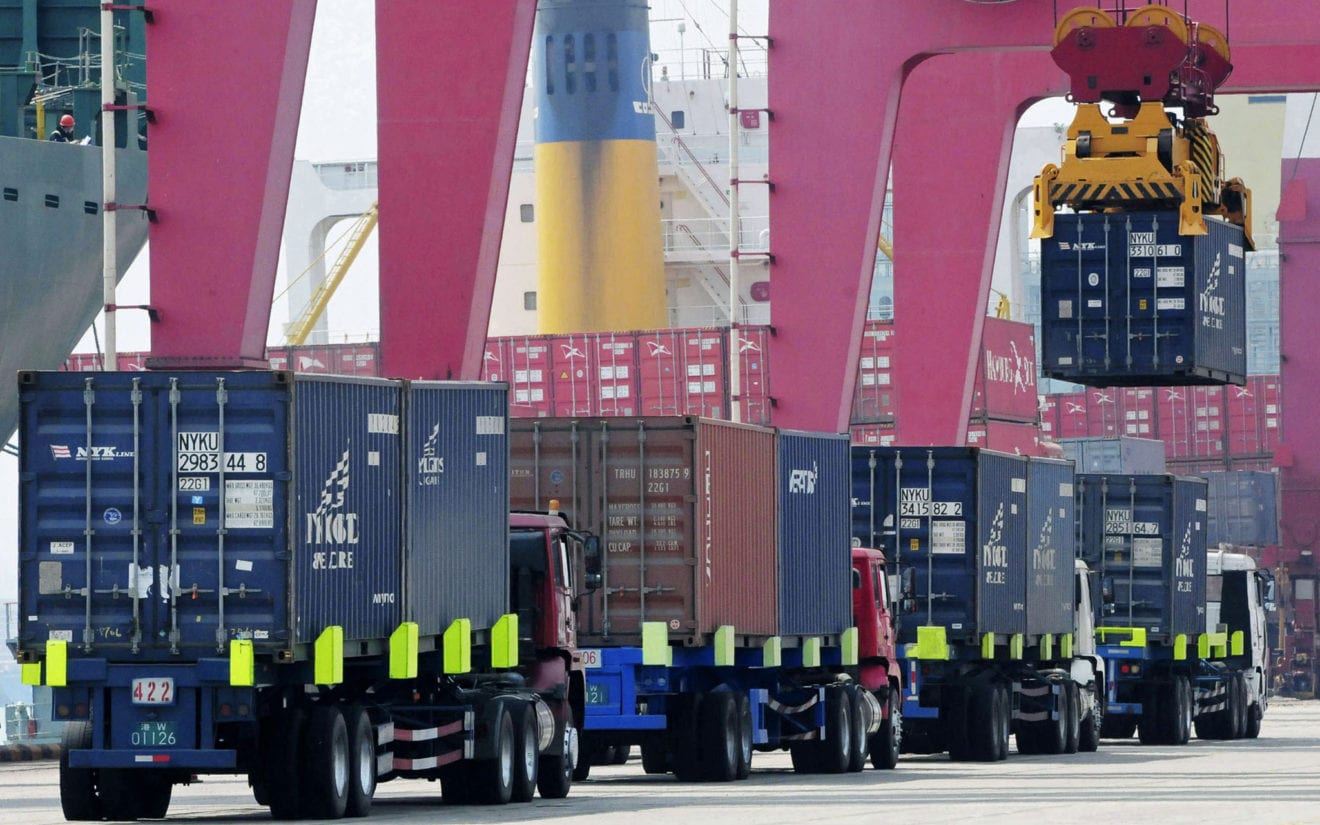
    Just days after announcing tariffs on steel imports against the advice of officials, lawmakers and industry, Trump is now believed to be formulating sweeping tariffs on imported goods from China – a move retail and business groups warn will wipe away gains for the economy from the recent tax cuts.

    “This is not American industries crying wolf,” said Sandy Kennedy, president of the Retail Industry Leaders Association, which organised a letter to Trump, sounding alarm that such tariffs will boost prices of numerous consumer goods, including shoes, apparel and appliances.

    Twenty-four US retailers signed Kennedy’s letter, including Walmart, Target, Best Buy, Abercrombie & Fitch, American Eagle Outfitters, Columbia Sportswear, Costco, Dollar Tree, Gap, JC Penney, Kohl’s, Ikea, Levi Strauss, Sears, VF Corp and Wolverine World Wide.

    A second letter was signed by 82 shoe companies, including Nike, Payless ShoeSource, Under Armour and Shoe Carnival.

    “Adding even more tariffs on top of this heavy burden would mean higher costs for footwear consumers and fewer US jobs,” one of the letters said.

    “Given the price sensitivity of our products, any additional increases in our costs would strike right at the heart of our ability to keep product competitively priced for our consumers.”

    One of the issues worrying retailers and manufacturers is that Trump does not need approval from Congress to implement tariffs. He can impose unilateral tariffs on China citing national security grounds – the same rationale behind the steel tariffs – because a US government investigation had found Chinese had violated intellectual property rules.

    Trump has previously stated he does not fear a trade war because he believes America would win it.

    Widespread media debate about tariffs and the rationale behind them would also distract public attention from numerous controversies surrounding the Trump presidency, including a growing list of women revealing extramarital affairs with him, election tampering and his links to a company under investigation by the FTC for stealing personal details of 50 million Facebook users.

  • Mango stops partnership JC Penney

    Mango stops partnership JC Penney

    Spanish fast fashion retailer Mango is to close 450 points of sale in the US after deciding not to renew a partnership agreement with department store JC Penney.

    The two companies had a five year contract where Mango operated concessions in 450 of the department stores, but they collectively account for just 0.5 per cent of the label’s global sales.

    The stores will close in February, leaving Mango with just seven stand alone stores in the US.

    But a spokesman for the company said it would not be exiting the US market. Instead it will look to open more of its own stores over time, in selected key cities such as New York and Miami.

    Privately-owned Mango is struggling to hold its own against its larger rivals, fellow Spanish brand Zara and Swedish label H&M, internationally, despite a presence in 100 countries. Its profit fell 11 per cent last year.