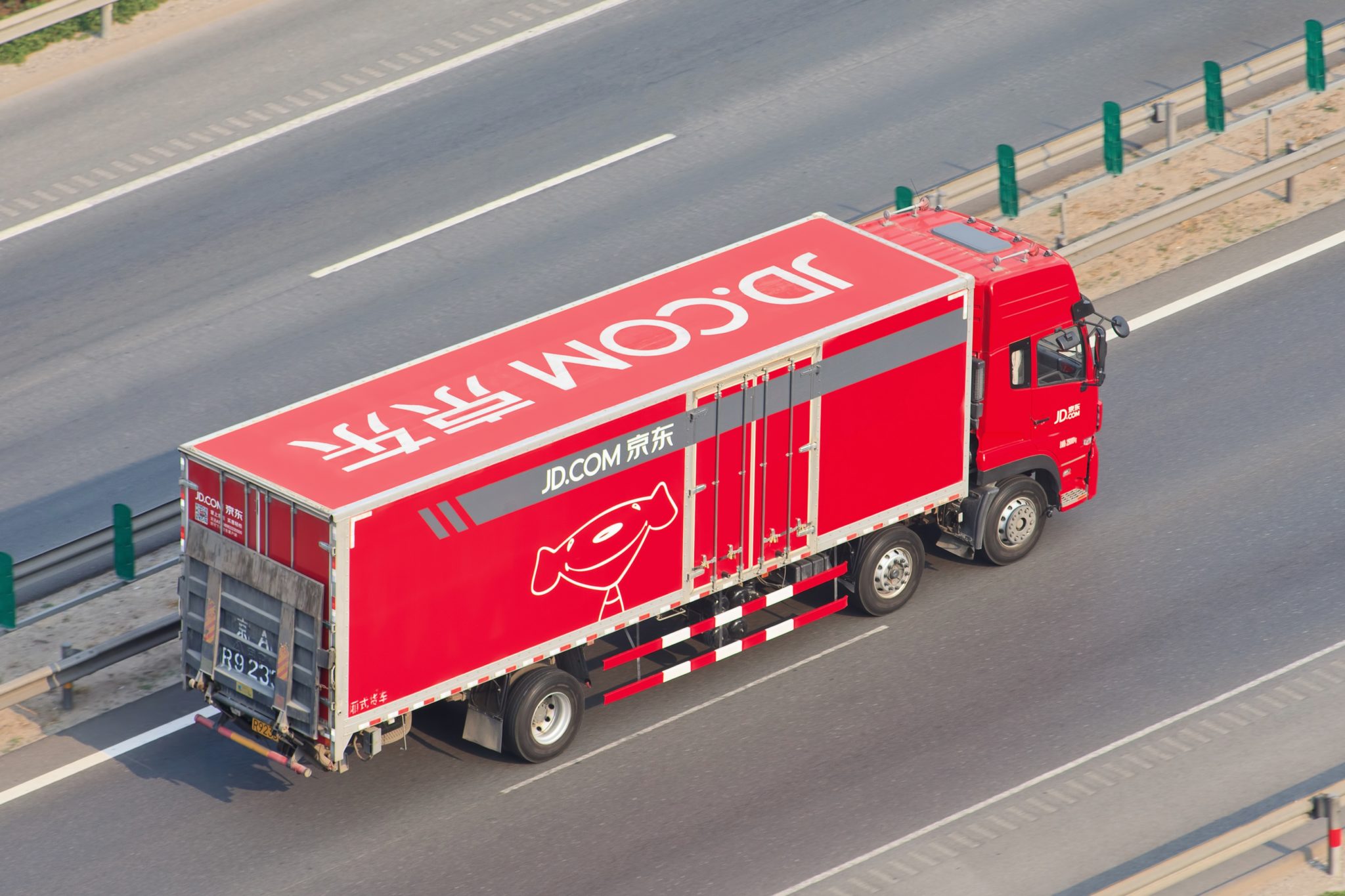
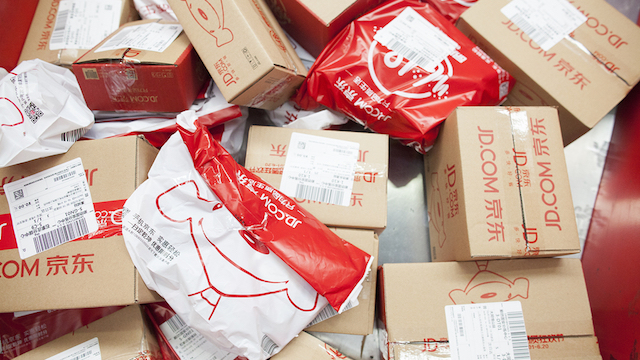
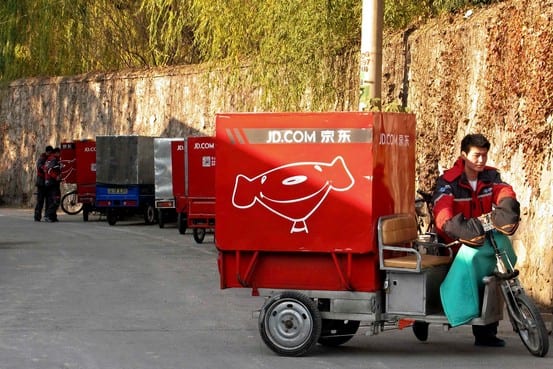
Chinese e-commerce company JD is opening its logistics network up to consumers to send parcels around the country, marking the first entry by an e-commerce company into the parcel delivery business. The new JD parcel delivery service announced enables users of the company’s app in Beijing, Shanghai and Guangzhou to send items intra-city and throughout Mainland China, using the same fast and reliable delivery service JD offers with online purchases. The company, which will expand the program to include high-value items like luxury products and high-end consumer electronics, as well as more diverse options based on delivery timing, aims to eventually make residential and business deliveries for shippers from anywhere to anywhere within Mainland China in the future.
JD is the only large-scale e-commerce company in the world to operate a nationwide in-house logistics network, down to the last mile. The company says its network, powered by its proprietary supply chain management technology, is able to deliver more than 90 per cent of orders same- or next-day, and reaches 99 per cent of China’s population.
The new JD parcel delivery service includes a range of competitively priced options, including same-day delivery between different cities; same-day intra-city delivery; standard next-day or two-day delivery and next-day delivery between cities.
“Depending on the delivery option chosen, packages may be sent by high-speed rail or air,” the company said in a statement. “Individual shippers can use the same JD app they use for shopping to schedule a pickup by one of JD’s full-time logistics staff, and have a parcel delivered thousands of miles away at the speed they choose. They will even be able to select JD’s luxury ‘white glove’ delivery service if they want to make the delivery extra special.”
Zhenhui Wang, CEO of JD Logistics says the JD parcel delivery service marks the next step in leveraging the nationwide logistics network that JD has built over the past decade, to expand the range of services offered to its customers.
“JD is known throughout China for the fastest and most reliable delivery, and we are confident that users will appreciate the convenience of this new service.”
The program has already begun user trials with multiple ways for customers to request pickups. In addition to the JD app, shippers can request pickups on a JD Delivery mini program in WeChat, China’s largest social network operated by JD’s partner Tencent, and a JD “Delivery Team” WeChat account.
JD unveiled the parcel delivery service at its 2018 Global Smart Supply Chain Summit held in Beijing today. Other initiatives announced at the summit – part of JD’s Global Smart Supply Chain Network Strategy – include JD’s smart warehouse management system initiative, an expansion of the company’s green initiatives, and the formation of a new energy union with 20 industry partners.