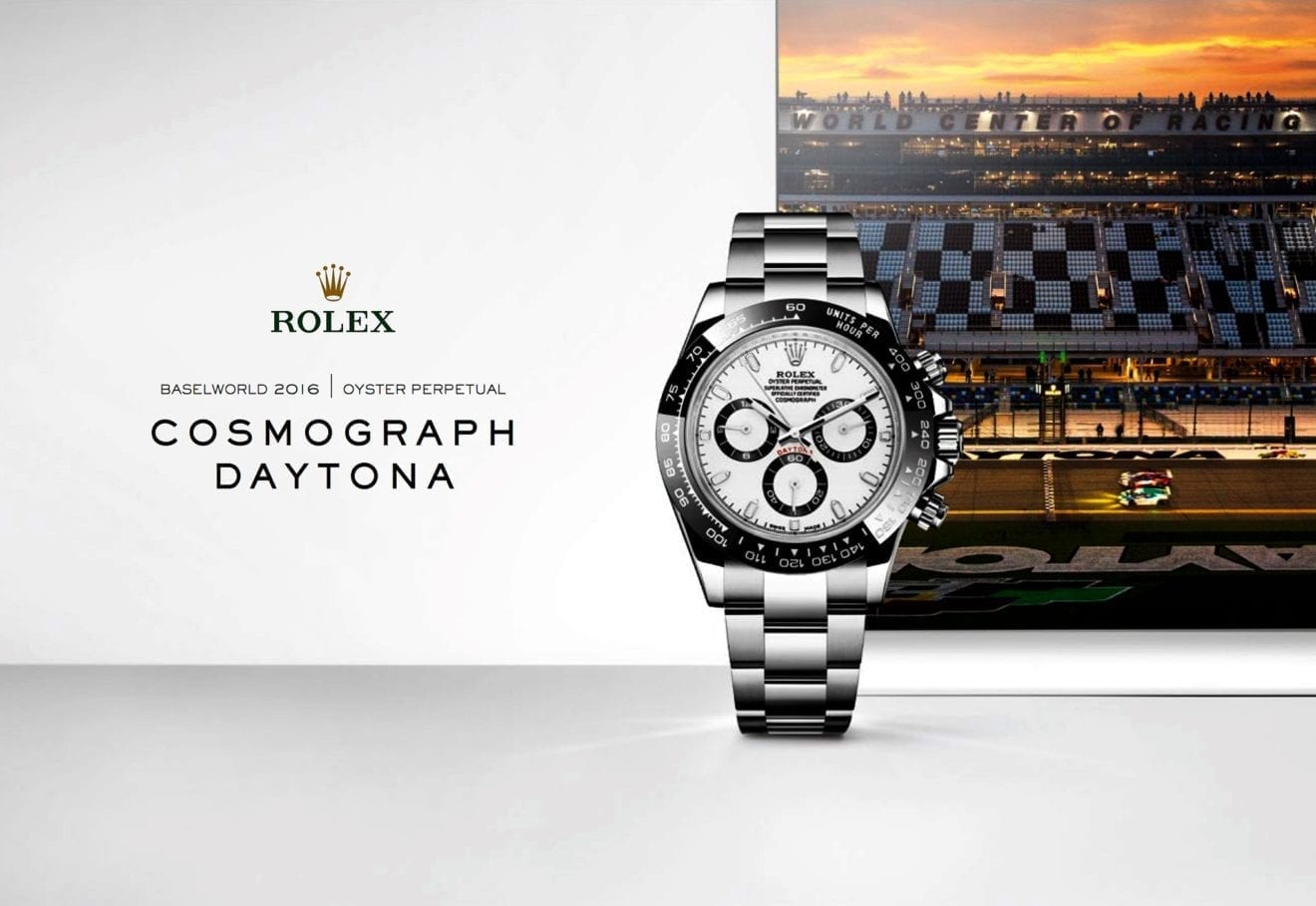
Rolex took the top spot in Asia’s inaugural Brand Conviction Index, outranking regional retail competitors as its brand valuation jumped 36 per cent to US$18.8 billion.
Morgan Stanley and Luxe Consult estimate the Geneva-based watchmaker generated wholesale sales of just over US$13.375 billion in 2025, taking market share even after trimming production volume for two consecutive years.
Advocacy outpaces actual purchasing power
The index evaluated consumer sentiment across three primary metrics: current purchasing activity, willingness to recommend the brand to peers, and future purchase intent. Rolex led the regional table because its advocacy extends far beyond its active customer base.
Most respondents who recommend Rolex across Asian markets do not own one. A substantial share of shoppers who stated an intention to buy a piece have never completed a transaction with the company, giving the brand unmatched mental real estate across the region.
Disciplined output maintains secondary pricing
For multibrand luxury retailers and department store operators across Hong Kong, Singapore and Tokyo, this dynamic protects floor productivity. While Swiss competitors flooded wholesale channels during the post-pandemic correction, Rolex restricted supply allocations to authorized dealers, keeping secondary market premiums intact.
The deliberate scarcity shifts inventory risk away from retail partners and onto aspiring buyers who remain on multi-year waiting lists. Department store landlords in key Asian shopping districts continue to prioritize Rolex boutique footprints because the footfall generated by unfulfilled demand feeds surrounding luxury concessions.
Artificial intelligence mirrors human consensus
Machine learning platforms reflect the same concentration of consumer desire. A recent survey evaluating how leading artificial intelligence engines answer luxury watch recommendations showed all major systems named Rolex more frequently than any competing manufacture.
Brand Finance’s 2025 Luxury and Premium 50 ranking confirmed the financial momentum, listing the company’s valuation gain among the steepest in the personal luxury goods sector.
Sustained strategy through sector pullbacks
Executive leadership has maintained this positioning through broader market downturns. In 2024, Rolex chief executive Jean-Frederic Dufour rejected discounting and short-term volume expansion during an industry-wide sales contraction, keeping retail distribution tight across Asia and North America.
Industry attention now turns to upcoming Swiss export data and secondary watch price indices for the final quarter of 2026, which will reveal whether Rolex can sustain its wholesale margins as wider luxury demand moderates.