Tag: jet fuel

  • KLIA Terminal 2 Retail Occupancy Reaches 93% Despite Traffic Dip

    KLIA Terminal 2 Retail Occupancy Reaches 93% Despite Traffic Dip

    Malaysia Airports Holdings Bhd maintained a 93 percent commercial occupancy rate at Kuala Lumpur International Airport Terminal 2 through August. That is up from 92 percent a year earlier.

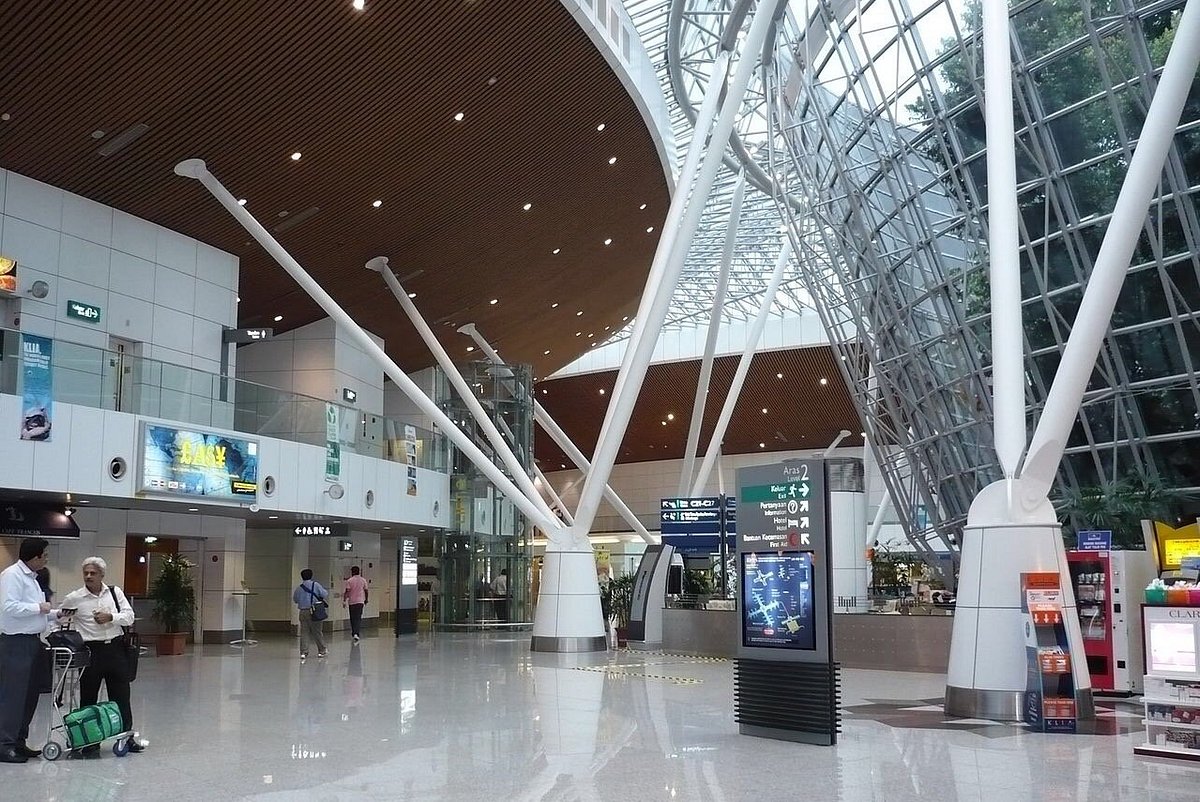
    Tenancy held steady despite a 5 percent year-on-year drop in terminal passenger traffic to 17.48 million travellers across the first eight months of the year. Boarded-up storefronts across the concourse reflect terminal reconfigurations rather than retailer departures, the airport operator confirmed.

    Floor Layouts Under Reconfiguration

    Current hoardings inside the terminal cordon off spaces undergoing renovation to improve circulation and passenger processing. Selected commercial lots in those targeted zones will be phased out before the end of December.

    MAHB withheld tenant sales figures and per-passenger spend, citing commercial sensitivity. Shop revenues depend on traveller profiles, store placement, and individual retail categories rather than gross passenger volume alone, the operator noted.

    “Some of the hoardings currently visible within the terminal are part of a planned reconfiguration of space to improve passenger processing and circulation,” MAHB said in an email response to questions from The Edge Malaysia.

    Jet Fuel Volatility Pressures Low-Cost Carriers

    Traffic declines at Terminal 2 follow route and seat cuts by budget airlines reacting to elevated fuel overheads. Global average jet fuel prices touched US$194.90 per barrel in mid-September. That represents a 116.5 percent surge from the prior year, based on Platts and S&P Global tracking data.

    Fuel expenses represent between 30 percent and 50 percent of operating costs for regional carriers. Unhedged operators such as AirAsia Group Bhd and Batik Air Malaysia absorbed the bulk of the price shock. Both cut flight capacity by up to 30 percent starting in April.

    AirAsia, the anchor operator at Terminal 2, trimmed third-quarter seat capacity by 20 percent to 25 percent. Other carriers using the terminal include Scoot, Spring Airlines, Cebu Pacific Airways, Lucky Air, Qingdao Airlines, and Shandong Airlines.

    Traffic Divergence Between Terminals

    Budget flight cuts created an operational split between the two KLIA terminals. Terminal 1, which houses full-service international carriers, recorded an 8 percent increase in passenger traffic to 24.46 million travellers between January and August.

    Total passenger volume rose 2.1 percent to 41.95 million travellers across the combined facility over the eight-month stretch. Terminal 2 footfall gained month on month during the third quarter. It rose from 1.83 million passengers in June to 1.86 million in July and 1.98 million in August.

    Across both terminals, monthly throughput reached 5.2 million passenger movements in August, up from 4.7 million in June and 5.0 million in July.

    Capacity Adjustments Ahead of Peak Season

    Reduced airline capacity directly alters the sales environment for airport concessionaires by concentrating footfall into tighter flight banks. Higher occupancy rates protect rental revenue for the landlord. However, extended capacity discipline risks dampening overall retail turnover if seat supplies do not rebound.

    Maybank Investment Bank Research calculated that every US$1 rise in jet fuel prices reduces AirAsia annual earnings by RM75 million. AirAsia shares closed at 52.5 sen on Monday, valuing the carrier at RM1.76 billion after a 70 percent drop since January.

    Attention now turns to AirAsia planned capacity restoration during the fourth quarter, alongside the completion of the airport layout modifications before the end of December.
  • Flood of new passengers to stoke demand for jet fuel in Vietnam

    Flood of new passengers to stoke demand for jet fuel in Vietnam

    Vietnam’s jet fuel demand will surge to a record this year as its tourism booms and the country’s airlines are rapidly expanding. The country is on track to have 38 million international passengers and 16 million visitors this year, according to data from CAPA Centre for Aviation. That is up from 18 million passengers and 8 million visitors in 2015, according to the data.

    “Aviation demand in Vietnam is booming… Fuel consumption in Vietnam will reach a record high this year and will keep rising for the years to come,” said Tran Hoai Nam, vice president of Vietjet, Vietnam’s biggest private airline.

    He added Vietnam’s growth in foreign arrivals was the highest in Southeast Asia, rising 8.7 percent annually.

    The surge in traffic has translated into a rush of jet fuel demand in Vietnam. Through November, the country has imported 1.87 million tonnes of the fuel, according to customs data, equal to 14.8 million barrels, and up 18 percent from the same period last year.

    “For 2018, jet fuel demand in Vietnam is estimated to be increased by about 20 to 25 percent in comparison with 2017, mostly due to the increase in consumption of the international flights,” said a Hanoi-based trader at one of country’s jet fuel suppliers, who asked to remain unidentified due to company policy.

    Vietnam currently consumes about 18 million barrels of jet fuel per year, according to data from Petrolimex Aviation.

    By 2035, Vietnam will have 150 million airline passengers per year, nearly four times what it was in 2015, according to a 20-year forecast from the International Air Transport Association (IATA).

    Over the same period, India will have 442 million passengers, 3.6 times what it was in 2015, while China will have 1.3 billion passengers, 2.7 times what it was in 2015, IATA said.

    In November, Vietnam issued an aviation licence to Bamboo Airways, which would be the country’s fifth airline after Vietnam Airlines, Jetstar Pacific Airlines, Vietjet Aviation VJC.HM and Vietnam Air Services Co.

    Bamboo is expected to launch its first flights within weeks. It signed a provisional deal in July to buy 20 of the wide-body 787-9 jets from U.S. manufacturer Boeing and agreed a memorandum of understanding with Europe’s Airbus for up to 24 of the narrow-body A320neo jets in March.

    VietJet, which currently operates 60 Airbus jets, has signed a $6.5 billion (5.2 billion pounds) agreement to buy 50 new jets.

    Vietnam’s jet fuel imports will continue to surge as the country only has two refineries, Dung Quat in the central province of Quang Ngai and Nghi Son in Thanh Hoa Province, near to the capital Hanoi, which only started operations this year.

    “Both Dung Quat and Nghi Son refineries are primarily catered towards the production of gasoline and diesel, and thus, jet fuel yield is relatively low at 5 percent,” said Peter Lee, an analyst at Fitch Solutions Macro Research.

    Nghi Son, once fully operational, will produce about 4.6 million barrels of jet fuel per year, said a source at the refinery. Dung Quat can produce as much as 2.3 million barrels per year, according to the company website.

    “Vietnam will be reliant on imports to meet most of its jet fuel demand going forward,” Lee added.

    Vietnam imports most its jet fuel from refineries in Singapore, Thailand and China, trade data showed.

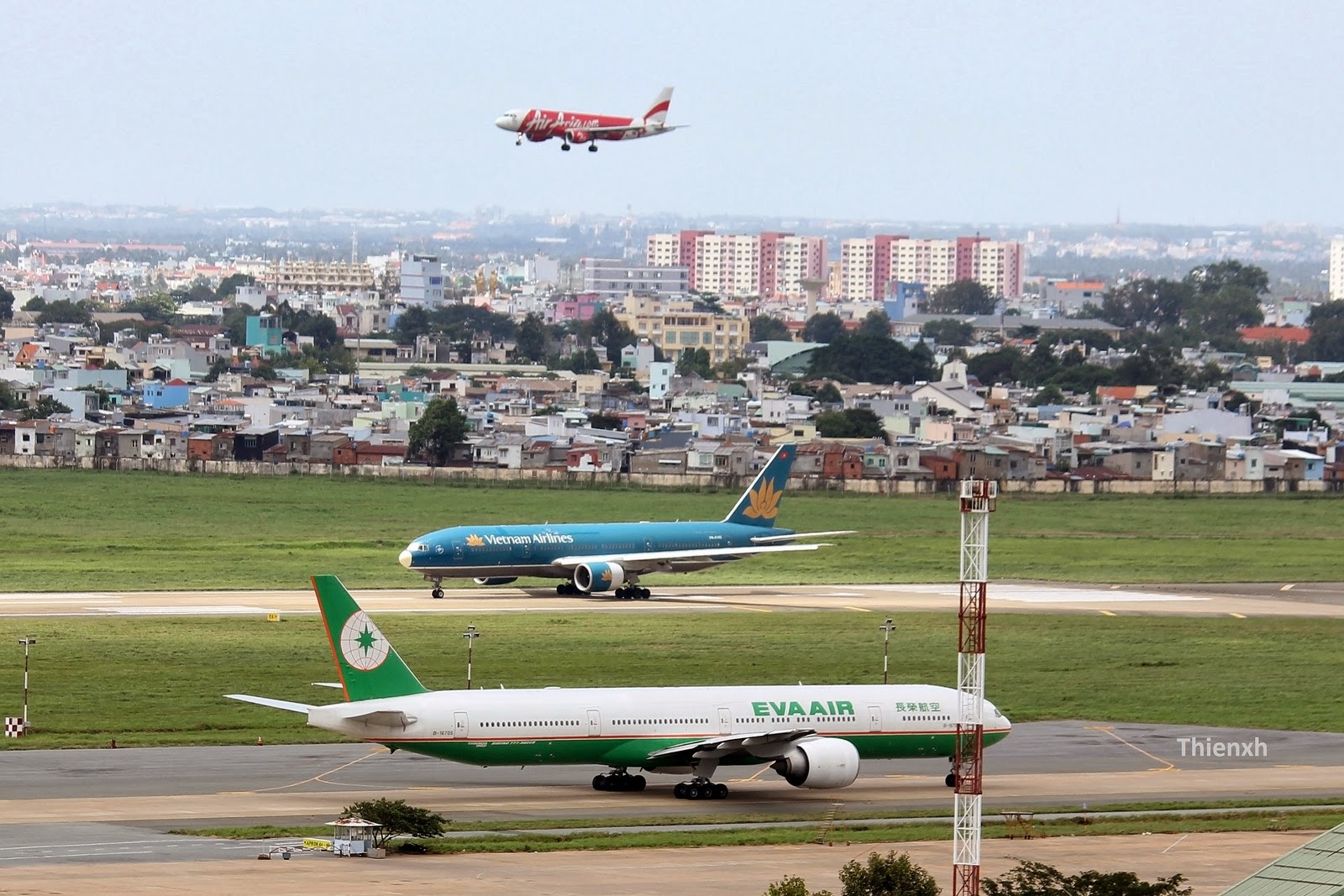
    Despite the steep growth outlook for Vietnam’s aviation sector, passenger growth might may be uneven as the country grapples with capacity constraints at its airports.

    Vietnam’s biggest airport Tan Son Nhat, serving Ho Chi Minh city in the south, receives about 10 million more passengers per year than it is designed to serve.

    The government is planning a second international airport at Long Thanh, 40 km (24 miles) east of Ho Chi Minh City, that will serve 25 million passengers a year starting in 2025.

  • PTT Philippines to supply Cebu Pacific’s jet fuel for 2017

    PTT Philippines to supply Cebu Pacific’s jet fuel for 2017

    PTT Philippines has renewed its deal to supply the bulk of Cebu Pacific airline’s fuel requirements this year. The local unit of the Thailand petroleum company will supply 1, 680,000 US barrel (267 million liters) of aviation fuel to Cebu Pacific for 2017.

    “We are always grateful to have partnered with Cebu Air. Our partnership has been growing stronger that is anchored on trust, loyalty, and commitment to providing the best and quality products and services that we could afford them,” PTT Philippines president and CEO Sukanya Seriyothin said.

    Seriyothin and Cebu Pacific president and CEO Lance Gokongwei recently signed the fuel supply contract for 2017.

    PTT Philippines has been supplying Cebu Pac’s jet fuel for over 10 years, and currently accounts for most of the airline’s total jet fuel requirements, particularly flights at the Ninoy Aquino International Airport, the Diosdado Macapagal Airport in Clark, and its Visayas routes.

    The local unit recently hiked its five-year investment plan to P5 billion for the expansion of its retail network to 300 and the Amazon Café brand from 2017 to 2021.

    The Thailand-based oil firm has been in the country for 20 years and is into retail with over 100 service stations across Luzon and Cebu. Its wholesale business also serves the maritime industry.