Tag: jewellery retail

  • Australian Malls Post AU$118.8 Billion in Turnover as Dining and CBDs Lead Recovery

    Australian Malls Post AU$118.8 Billion in Turnover as Dining and CBDs Lead Recovery

    Australian shopping centres generated AU$118.8 billion in turnover across 516 properties. Food retail, dining and central business district locations drove the post-disruption growth.

    Trading across 14.6 million square metres of gross leasable area and 46,743 tenants stabilized between 2025 and 2026, according to the latest Urbis Shopping Centre Benchmarks. Spending patterns shifted across categories and geographies.

    Dining and Jewellery Drive Tenant Gains

    Food catering delivered the strongest momentum across all centre categories, rising 7.5 per cent year-on-year. Food retail sales gained 6.9 per cent over the same period.

    Discretionary categories diverged. Jewellery sales jumped 11.6 per cent. Entertainment venues rose 8.8 per cent, and retail services advanced 6.2 per cent. Non-food mini-majors expanded sales by 7 per cent. That segment benefited from apparel brands like Uniqlo taking over floor space previously held by traditional department store anchors.

    Central Precincts Outpace Outer Suburbs

    Downtown centres recorded the strongest geographic performance, lifting retail sales by 7.1 per cent. Super-regional malls followed at 5.0 per cent.

    Outer metropolitan centres trailed the national recovery, posting sales growth of 3.9 per cent despite recording the fastest residential population expansion. High mortgage rates and debt servicing costs curtailed spending in suburban family corridors.

    Shifting Floorplates Across Asia-Pacific

    Landlords across Asia-Pacific are cutting department store allocations. They favour high-turnover fast fashion and experiential dining instead. Australian figures confirm that food and beverage tenancies now anchor footfall better than general merchandise.

    Risks remain concentrated in outer suburban assets. If mortgage stress persists, neighbourhood and suburban centres heavily reliant on mass apparel and homewares will face occupancy pressure unless they rebalance toward essential services and food concepts.

    Stabilisation After Years of Pressure

    The 2026 benchmark results follow multi-year trading disruptions marked by rapid interest rate hikes and inflation across the Australian consumer economy. Comparable mall performance over the 2025 to 2026 window points to normalising floor productivity across major retail hubs.

    The shift towards experiences and in-centre consumption also shows the growing social role of shopping precincts and is helping centres remain resilient as e-commerce continues to expand

    Operators now enter the next leasing review cycle with vacancy rates tightest in prime CBD strips and regional assets. Upcoming leasing negotiations will test tenant margins against rising operational costs.
  • Vietnam Gold Prices Hit Seven-Week High as SJC Bars Reach VND150.6 Million

    Vietnam Gold Prices Hit Seven-Week High as SJC Bars Reach VND150.6 Million

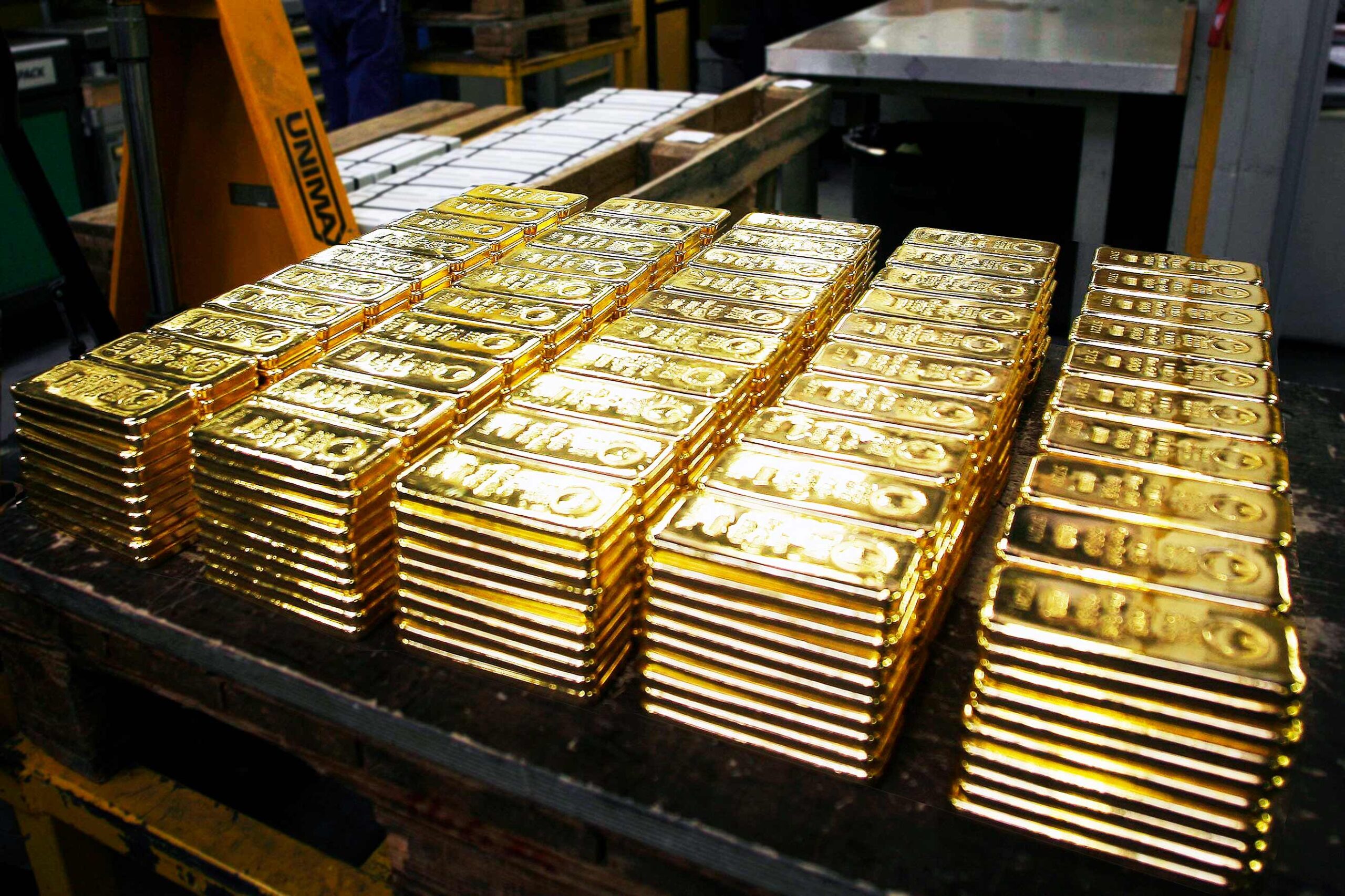
    Gold prices across Vietnam climbed Tuesday morning to their highest level since July 6. The rebound began nearly a week ago. Saigon Jewelry Company lifted its gold bar price by 0.40 per cent to VND150.6 million ($5,757.21) per tael.

    A tael equals 37.5 grams or roughly 1.2 ounces. Plain gold rings climbed faster than bars. Ring prices rose 1.31 per cent to VND155 million per tael across retail counters. Even with the week-long rally, domestic bullion prices remain down 1.4 per cent since the start of the year.

    Retail Premiums Widen on Ring Demand

    The faster rise in ring prices pushed standard jewellery to an unusual premium over SJC-branded bars. Buyers across Ho Chi Minh City and Hanoi continue to purchase physical gold rings as a store of value. Retail counters stay active whenever global benchmarks climb.

    Bullion serves Vietnamese households as an everyday savings tool and an alternative asset. When prices swing, jewellery chains see immediate shifts in store footfall as shoppers rotate cash into metal.

    Global Benchmarks Clear Technical Resistance

    Kitco data showed international spot gold added 0.04 per cent to $4,653.70 per ounce on Tuesday. That followed a combined jump of 2.91 per cent over the previous two trading sessions.

    Overseas bullion cleared several technical resistance levels last week. The metal gained ground even as the US dollar firmed modestly. Safe-haven buying held steady, driven by shifting expectations for American fiscal and monetary policy.

    Traders in Hanoi and Ho Chi Minh City are watching whether international spot gold holds above the $4,650 threshold. That level will determine if local prices can erase the remaining 1.4 per cent deficit from early-year marks.

  • Indonesia sparkles as jewellery retail market

    Indonesia sparkles as jewellery retail market

    Indonesia sparkles in the jewellery retail market, according to a new report from Euromonitor International.

    Buoyed by growth in Asia Pacific, particularly China and India, jewellery will continue to be the best-performing category in the personal accessories segment, according to its research.

    Indonesia is expected to be the fastest-growing country in the world for jewellery sales with 7.8 per cent compound annual growth rate (CAGR) predicted until 2021. It is followed by India at 6.9 per cent.

    Euromonitor’s research shows that jewellery sales will be worth US$316 billion this year. It is the fastest-growing segment within the personal accessories industry with 3 per cent growth over the past year.

    Jewellery, including both costume and fine jewellery, had 15 per cent year-on-year growth of internet retail sales, reaching $19 billion this year, up from $9 billion in 2011. Fine jewellery’s 16 per cent growth in internet retailing beat out costume jewellery’s 12 per cent growth, with more fine jewellery retailers going online.

    “Technology is the answer for the future growth of jewellery and personal accessories,” says industry analyst Jasmine Seng. While global sales of personal accessories are growing at 2 percent, internet retailing is experiencing double-digit growth.

    The lowest performer in internet sales is the watch segment.

    “Facing competition from smartwatches, industry players should collaborate with wearable-technology innovators to drive organic growth for their companies,” says Seng.

    Personal accessories sales are forecast to have 4 per cent CAGR between now and 2021 to reach $633 billion.