Tag: jewelry

  • Chow Tai Fook closes 40 stores after sales slump

    Chow Tai Fook closes 40 stores after sales slump

    Hong Kong-based jewelry group Chow Tai Fook has closed 40 stores in Hong Kong after experiencing a 60-per-cent drop in retail sales there amidst the coronavirus outbreak.

    Sales on the mainland fell 42 percent, according to an update on trading for the first two months of this year.

    “In response to the measures of local governments in containing the spread of COVID-19 virus, the majority of our point of sale in Mainland China were temporarily closed since late January, and in Hong Kong and Macau from early February,” read the update.

    “Businesses in both markets were inevitably affected during the period. As of February 29, approximately 70 percent of our points of sale in Mainland China and 64 percent in Hong Kong and Macau had resumed operations.”

    The company said the interest of public health and the safety of its staff remained of utmost importance to the group despite its heavy loss of business.

    Operations at the Chow Tai Fook’s production facilities in Shunde and Shenzhen have resumed operations gradually. Its inventory remains higher than usual in the short term due to a boost in production for the Chinese New Year period of items that now remain unsold.

  • Luk Fook upbeat despite plans to trim Hong Kong store network

    Luk Fook upbeat despite plans to trim Hong Kong store network

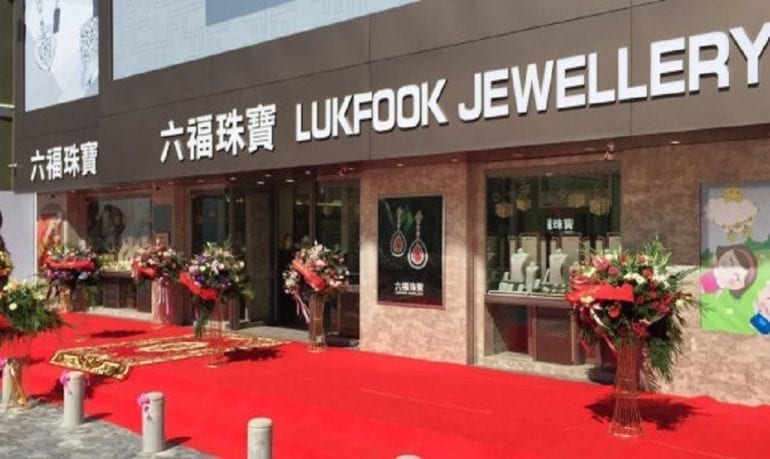
    Hong Kong-headquartered Luk Fook group has followed its archrival Chow Tai Fook in revealing plans to shutter stores in the territory’s tourist areas – but it sees growth opportunities in Macau.

    “The group will reduce the number of shops in areas which are considerably impacted by the social incidents in Hong Kong, and search for opportunities for opening new shops in Macau market,” chairman Wai Sheung Wong advised shareholders in a stock exchange filing.

    However, unlike Chow Tai Fook, which plans to close about 15 stores in Hong Kong when leases come up for renewal from this coming April, Luk Fook still expects to achieve a net gain of three stores this financial year in Hong Kong and Macau.

    “Rental renewal depends very much on whether profit is expected for the relevant shop under new rental,” said Wong. “A single-digit drop in the rental renewal is predicted for the current financial year and a double-digit drop for the next financial year.”

    The continuing impact of the strong gold price, US-China trade war and social incidents in

    Hong Kong on market sentiment saw same-store sales for the jeweler fall by 25 percent during the December quarter. Same-store sales of gold products fell by 20 percent and of gem-set jewelry by 32 percent.

    On a positive note, the overall decline eased when compared to the previous quarter. Sales in Hong Kong and on the mainland fell by a lower rate than in the September quarter, while the Macau market returned to growth since October. Sales in Hong Kong and Macau fell by 27 percent, which the group attributed to a high gold price and a “substantial decline” in the number of visitors to Hong Kong contributed by the recent ongoing social activities.

    In the first two weeks of January, the same-store sales decline gradually narrowed in Hong Kong and there was continued growth momentum in Macau.

    Luk Fook has responded to falling sales by reducing staff, however this has been achieved by natural turnover without the need for a redundancy scheme.

    As of December 31, the group had 1969 Lukfook shops, 45 Goldstyle shops, three Dear Q stores and three 3D-Gold shops operating on the mainland – 2020 in all.

    “Apart from actively seeking expansion opportunities in Macau, the group will also speed up expansion in Mainland, with the target of at least 300 net shop additions there for the 2020 financial year, most of which would be licensed shops at low-tier cities,” said Wong.

  • Chow Tai Fook closing more Hong Kong stores

    Chow Tai Fook closing more Hong Kong stores

    Chow Tai Fook Jewellery Group has revealed plans to shut about one in five of its Hong Kong stores, the majority of them in prime tourist areas.

    The closures will take effect when leases come up for renewal throughout this year, starting from April according to an emailed statement cited by Bloomberg.

    The move follows announcements by Prada and Louis Vuitton they will not renew their leases on stores in Russell Street and Times Square, respectively. Sasa International has previously said it would close up to 30 stores in Hong Kong.

    The network retrenchments follow rapidly declining retail sales in Hong Kong since June last year, especially in the luxury sector, due to ongoing demonstrations and protests in the streets which have spooked foreign visitors, and declining visitor numbers from tier-1 cities in Mainland China. Jewelers have been hit by volatile gold prices as well, sparked by geopolitical tensions and the Sino-US trade war.

    Chow Tai Fook has not specified exactly how many stores it will close, referring to “in the mid-teens” when asked.

    The stores are primarily located in areas popular with tourists, including Tsim Sha Tsui, Mongkok and Causeway Bay.

    Chow Tai Fook believes a trimmer store network will reduce overheads and improve margins after it experienced three consecutive quarters of declining same-store sales. In the three months to December 31, same-store sales fell 35 percent in value in Hong Kong and Macau and by 47 percent in volume.

    However on the mainland, sales rose 17 percent during the quarter, driven by the rapid expansion of the brand’s store network there; it added a net 279 stores. Same-store sales on the mainland rose by 2 percent.

  • Luk Fook sales down with  20 percent

    Luk Fook sales down with 20 percent

    Hong Kong-listed jeweler Luk Fook sales slumped 19.8 percent in the September half as protests, the trade war, and the Renminbi’s value kept mainland tourists away, and the high gold price muted demand.

    The company reported sales of HK$6.3 billion (US$804.86 million) and profit attributable to shareholders of $496 million, down by 25.4 percent.

    Same-store sales in Hong Kong fell by 24.9 percent during the half-year and in Macau by 15.7 percent.

    Luk Fook ended the half with a net addition of 129 stores, taking its global network to 1957 stores.

    Chairman and CEO Wai Sheung Wong said that given the impact of protests on Hong Kong sales, the high gold prices and the impact of the Sino-US trade war on consumer confidence, the group does not expect trading conditions to improve during the second half. He projected a double-digit drop in annual revenue and profit.

    “The group will reduce the number of shops in areas which are considerably impacted by the social incidents in Hong Kong, and search for opportunities for opening new shops in Macau market. [We] expect to have three net shop additions in Hong Kong and Macau,” he said. Luk Fook will also be looking abroad for opportunities, including on the mainland.

    “In view of the anticipated considerable growth of the middle-class population in Mainland China, the group remains optimistic about the mid- to long-term business prospects, and looks forward to bringing its business to a new height in the near future.”

  • Tse Sui Luen profits plummet as Hong Kong protests impact sales

    Tse Sui Luen profits plummet as Hong Kong protests impact sales

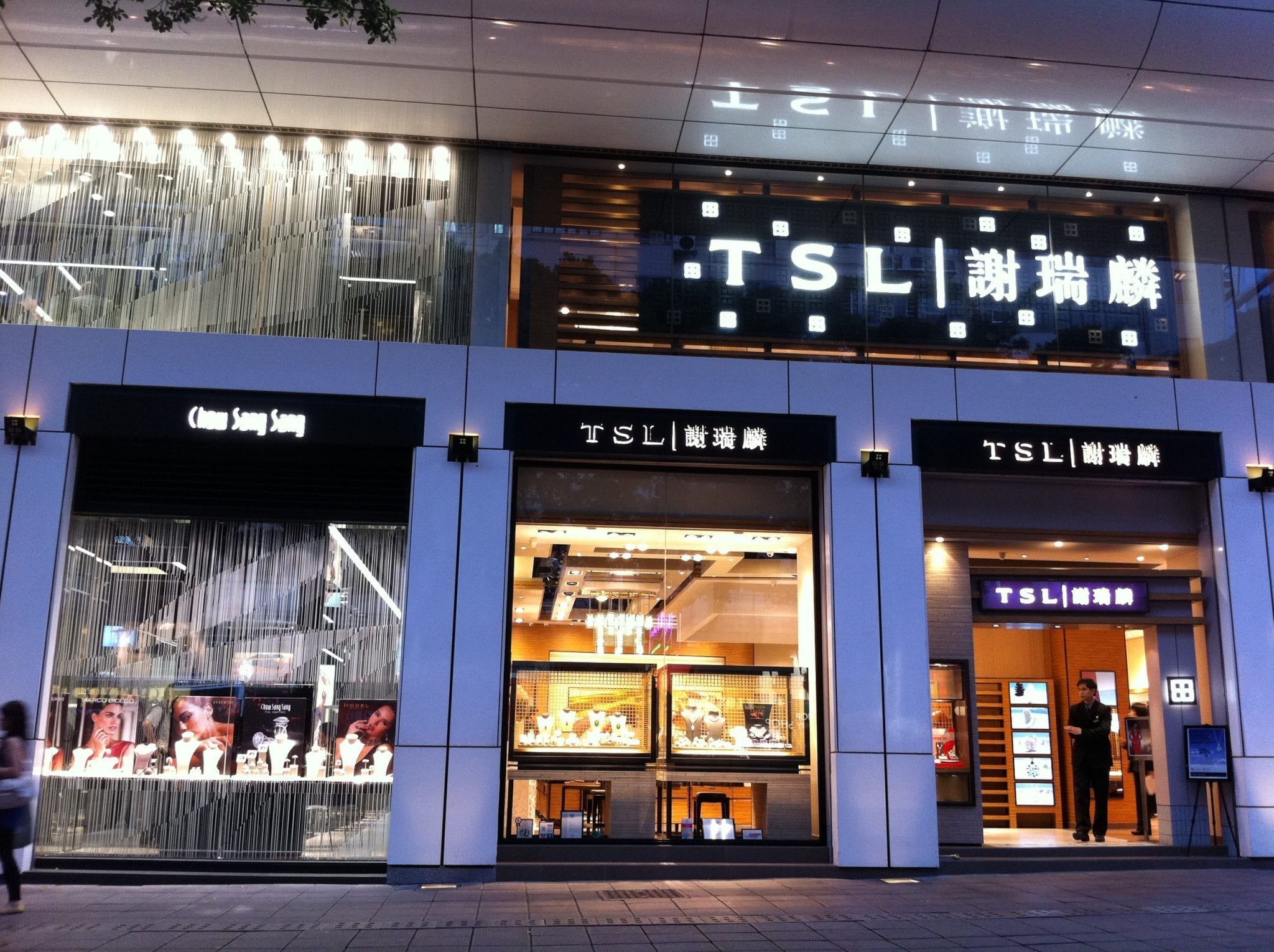
    Tse Sui Luen profits plummeted in the first half as Hong Kong protests took their toll, especially during the September quarter.

    The company, which operates stores under the TSL banner, has reported a 14 percent year-on-year decline in sales to HK$1.6552 billion  ($US211 million) while Tse Sui Luen profits attributable to shareholders fell by 94 percent to just $1.6 million ($204,000).

    Chairman and executive director Annie Lau said the year to date has been challenging for all businesses operating in Hong Kong, where TSL’s sales fell by 23.9 percent in the half-year and same-store sales were down by 26.4 percent.

    “The outbreak of citywide protests and social unrest in Hong Kong in June has, when combined with the downward economic pressure being felt from the protracted US-China trade tensions and Renminbi depreciation, all conspired to devastate our retail business in Hong Kong.”

    She said the depreciation of the Renminbi has reduced spending by mainland visitors, impacting Hong Kong sales, and shrunk earnings from Mainland China businesses in Hong Kong dollar terms, (where the company is listed).

    “While the US and China have resumed trade talks, the economic outlook remains gloomy and shrouded in uncertainties as a trade consensus continues to appear beyond reach.”

    Lau said the social unrest since June has weakened local consumer sentiment and the protests have made it challenging for retailers to operate.

    “The hardship the local retail industry is facing is likely to persist or even worsen in the remainder of this financial year.”

    She said the company was continuing to optimize its store network in Hong Kong and work with landlords to reduce its rental costs.

    In Mainland China, TSL sales through self-operated stores were down by 8.5 percent overall and same-store sales fell by 7.5 percent, “mainly attributed to the protracted US-China trade war with tit-for-tat tariffs”.

    During the six months, seven new self-operated stores and 41 new franchised stores were opened, taking the Mainland China network to 448.

    “Going forward, we will take a cautious approach and optimize our retail network in Mainland China with the volatile market conditions being taken into consideration,” said Lau.

    Meanwhile, TSL has now expanded its Malaysia store network to six after opening at Mid Valley Southkey Megamall in April. Sales there were up 16.5 percent.

    On a more positive note, TSL’s e-commerce business grew by 27.7 percent year on year.

    “We believe that this sector will grow to be a significant source of revenue for the group going forward,” said Lau. “Encouraged by the great response received from the group’s official website for Mainland China, we are working on developing an official website for Hong Kong and establishing our online presence on e-business platforms in order to further facilitate the online-to-offline and offline-to-online retail practice.”

  • Luk Fook sales plunge in Hong Kong

    Luk Fook sales plunge in Hong Kong

    Jeweler Luk Fook Holdings has revealed its September-quarter Hong Kong sales plunged 39 percent, dragging group-wide sales down by 37 percent.

    Chairman and CEO Wai Sheung Wong said in a stock-exchange filing that the decline was the result of high gold price and a strong comparative quarter last year “together with a substantial decline in the number of visitors to Hong Kong due to the recent ongoing social activities”.

    Group-wide same-store sales of gold products were down 43 percent (46 percent in Hong Kong) and of gem-set jewelry by 25 percent.

    He said August was the worst-performing month for the overall same-store sales in both the Mainland China and Hong Kong & Macau markets, due to the high comparative base. However, that was also the worst month of retail sales in recent years due to protest activities shutting down Hong Kong’s airport.

    “Same-store sales in the first two weeks of October further declined due to [the] widened drop in the number of visitors to Hong Kong.”

    Wong said Luk Fook has adopted natural turnover as a cost-saving measure for staff costs without any redundancy scheme so as to ride out the storm together with employees, meaning departing staff is not replaced.

    “At the same time, the group is also proactively negotiating with all landlords in Hong Kong for rental reduction. Rental renewal depends very much on whether the relevant shop is still profitable under new rental. A single-digit drop in the rental renewal is expected for the year and a double-digit drop is expected for the next financial year,” he said.

    Mainland China sales were down 25 percent, largely due to the high gold price and the macro-economic downturn in connection with the US-China trade war.

  • DFS Group launches ‘World of Watches and Jewelry’ event

    DFS Group launches ‘World of Watches and Jewelry’ event

    Travel retailer DFS Group is launching its first ‘World of Watches and Jewelry’ event through October, targeting millennial, fashion-minded clientele and first-time watch buyers.

    The event is described as “a celebration of watches and jewelry” and will be held in five T Galleria by DFS stores globally: Macau, Hawaii, Okinawa, Guam and Saipan.

    The stores will host a series of activations featuring more than 40 watch and jewelry brands, including 10 that are new to DFS.

    “With our discerning millennial customers in mind, we have sought to develop and curate relevant products and experiences that respond to their needs with creativity and flair,” said Matthew Green, senior VP watches and jewelry at DFS Group.

    The ‘World of Watches and Jewelry’ is interpreted through four themes that reflect the different moods and lifestyles of our consumers.” Those are: Time to Move, Time to Think, Time to Play and Time to Style.

    In addition to this, in Macau, DFS has teamed up with SevenFriday to create a curated pop-up that includes a relaxing lounge bar and a game of chance to win a range of prizes. A Swarovski pop-up featuring mystical moon and star motifs adorns the space, highlighting the Swarovski Symbolic and Swarovski Remix Collections. And Tag Heuer will celebrate it heritage and its presence in motor-racing in collaboration with Aston Martin. Limited-edition watches will be on sale, inspired by Aston Martin’s racing cars.

  • Swarovski says sorry for ‘misleading’ communication over Chinese sovereignty

    Swarovski says sorry for ‘misleading’ communication over Chinese sovereignty

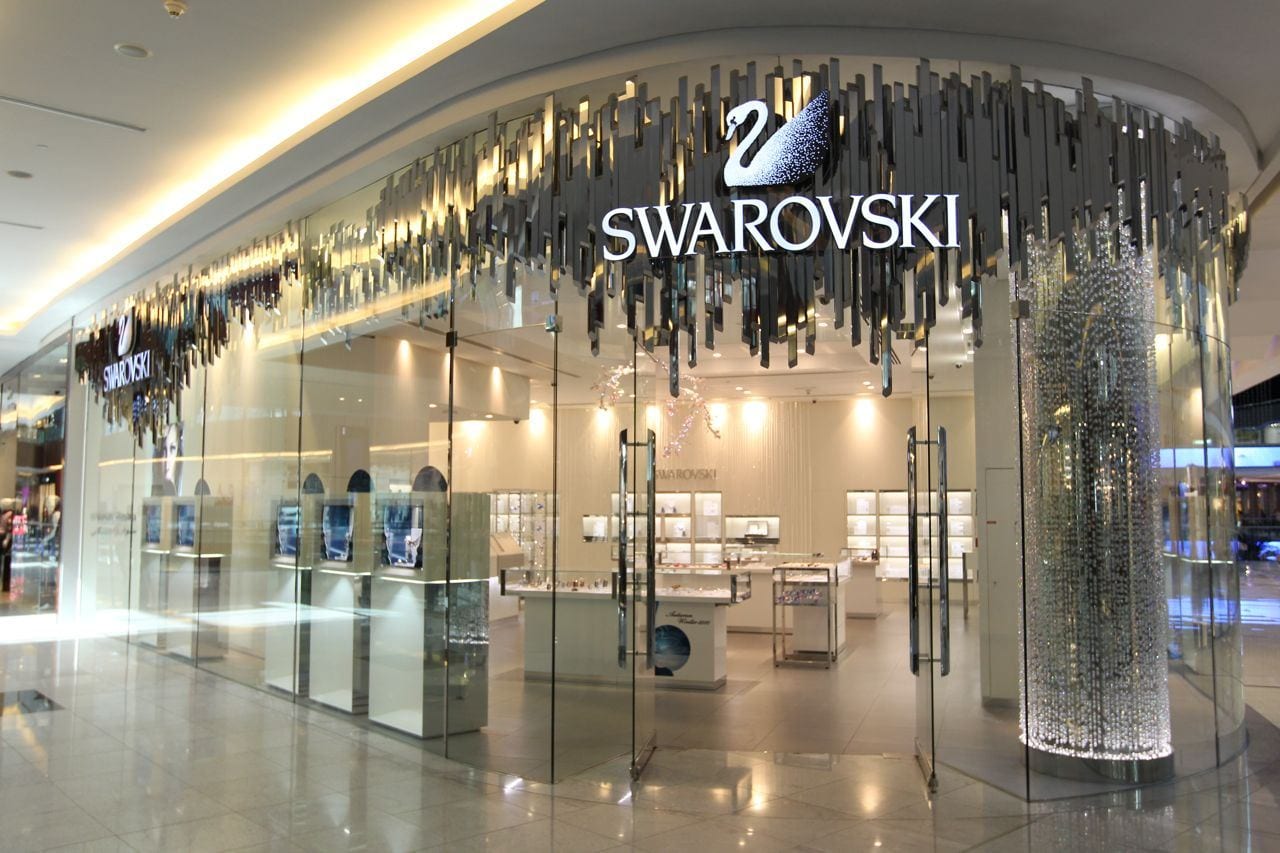
    Jewelry retailer Swarovski has issued a sweeping apology over implying Hong Kong is not part of China, the latest international brand to fall foul of rising nationalistic sentiments on the mainland.

    The apology followed the resignation of its Chinese brand ambassador Jiang Shuying and follows a string of social-media controversies in recent weeks over fashion brands differentiating Hong Kong and China, including Coach, Givenchy, and Versace.

    Instances of Hong Kong is portrayed as an independent country or market have garnered far more attention since June, coinciding with growing protests in the territory against perceived mainland encroachment on Hong Kong laws and governance.

    “Considering the recent happenings in China, Swarovski takes full responsibility and sincerely apologises to the people of China, as well as to our collaborative partners and brand ambassador, Ms Jiang Shuying, who have been deeply disappointed due to misleading communication on China’s National Sovereignty,” Swarovski wrote in a statement distributed via social media.

    “We have strengthened our global brand awareness and we will continue to review all our digital platforms globally to correct any inaccuracies,” the statement continued.

    “We abide by our commitment to act as a responsible corporate citizen, which has been embedded in the way we do business since the foundation of our company in 1895. In keeping with this tradition, Swarovski has always firmly respected China’s national sovereignty and territorial integrity, providing the Chinese market with unified worldwide services and products.

    “Swarovski will continue to support a harmonious society, together with the Chinese people.”

  • Losses widen for Larry Jewelry in subdued luxury-goods market

    Losses widen for Larry Jewelry in subdued luxury-goods market

    Listed Hong Kong jewelry and Chinese-medicine retailer Larry Jewelry has reported a higher loss as its sales plunged 23.1 percent in the six months to June.

    Sales in its jewelry business fell by 17.6 percent, largely in the Hong Kong market, however, the group achieved a better profit margin both there and in Singapore. The company said the luxury-goods market remained soft in the first half of the year.

    The Tung Fong Hung (TFH) business, which retails Chinese pharmaceutical products, dry seafood, health products, and foodstuffs in Hong Kong, Macau and Mainland China, recorded a sales decline of about 25 percent. TFH has 15 stores in Hong Kong, two in Macau and 36 on the mainland.

    The company said it will review the sales network and customer focus of TFH and introduce more locally made products to suit the needs of domestic market through its newly refurbished food and traditional Chinese medicine production facilities.

    The loss attributable to shareholders was HK$49.485 million for the six months to June 30, up from $41.066 million in the same period last year, on group sales of $147.138 million, down from $191.236 million.

    A 31.2-per-cent decrease in gross profit margin was attributed to changes in the company’s product mix during the period.

    Executive director Danny Wong said that in light of the recent business environment and financial resources on hand, the group will continue to seek suitable business opportunities to diversify its existing business stream.

    “The group remains cautiously optimistic in the luxury jewelry market in the long-run. [We] will explore opportunities to broaden the geographic base of customers to markets outside Hong Kong and Singapore and increase its visibility across Southeast Asian countries,” he said.

    “The group also seeks to achieve a diversified customer base through the introduction of new distinctive and unique product designs to more youthful, cosmopolitan audience.”

  • Rita Ora becomes new face of Thomas Sabo

    Rita Ora becomes new face of Thomas Sabo

    British singer Rita Ora has become the new global ambassador of German jewellery and watch brand Thomas Sabo.

    Known for her creative style and individuality, the singer will be the face of Thomas Sabo worldwide for the next two years.

    The first collection with Rita Ora will be the Autumn/Winter 2019, to be revealed from July 15.

    “My Thomas Sabo campaign aims to empower women to experience this magical boost of jewellery and to inspire other women to create personal looks full of energy and liveliness,” said Rita Ora at the announcement of the cooperation.

    The focus of the range is on bright jewellery colours and unique statements such as magical lucky charms and cat motifs.

    Established in 1984,  Thomas Sabo has 300 company-owned shops around the world.

  • Luk Fook Plans to Expand in China to maintain growth

    Luk Fook Plans to Expand in China to maintain growth

    Luk Fook will add at least 150 stores in Mainland China this year as it looks to mitigate falling sales in Hong Kong.

    Releasing its results for the financial year to March 31, Luk Fook said profit attributable to shareholders rose 9 percent to HK$1.5 billion on sales up 8.8 percent to $15.9 billion.

    During the year the company added 194 stores on the mainland taking its global network to 1833.

    “As Mainland China remains to be a market with promising growth potential in the mid- to long-term, the group will continue to focus on business expansion [there],” said Luk Fook chairman and CEO Wai Sheung Wong.

    “The target for net addition of shops in Mainland China in the coming year, including newly developed brands, is not less than 150 shops and will expand its network to lower-tier cities by opening mainly licensed shops. The group is also committed to further developing its e-commerce business and strengthening cooperation with e-commerce platforms in Mainland China, aiming to grow e-commerce revenue by 20 per cent,” he said.

    “In light of the enormous spending potential of young consumers on online sales platforms, the group will step up its efforts to promote the sales of affordable luxury jewelry products to expand its footprint in the young consumer market.”

    Last year was one of two differing halves for Luk Fook, the first half of growing sales in Hong Kong and Macau, the second of declining sales as trade tensions grew between China and the US and consumer sentiment dived. That trend continued from April through to three weeks into this month with same-store sales in Hong Kong and Macau down by the low-double digits and on the mainland by the mid-single digits for company-owned stores and low-single digits for licensed shops.

    Given the continuing uncertainties on the macro-economic environment arising from the US-China trade war, Luk Fook expects “flattish” revenue and profit growth for the current financial year but hopes to maintain profitability at last year’s level.

    Last year, the retail business was Luk Fook’s main source of revenue, rising by 9.8 percent

    Year on year to $12.075 billion and accounting for 76.1 percent of total sales.

    The group’s retail revenue in the Hong Kong market increased by 11.6 percent to $7.44 billion, despite a lackluster second half.

  • Ebay expands authentication platform to luxury jewelry

    Ebay expands authentication platform to luxury jewelry

    U.S. e-commerce giant Ebay announced plans to extend its product authentication program to cover luxury jewelry, in a bid to stem the resale of counterfeit jewels across its global marketplace. Dubbed “EbayAuthenticate”, the luxury jewelry category is the newest addition to Ebay’s new verification platform, which first launched in 2017 with the resale of luxury handbags. Following its success, Ebay went on to add luxury watches to the authentication service in early 2018.

    This month, Ebay confirmed it wants to offer “holiday shoppers more than 45,000 high-end diamond and other gemstone jewelry, verified by professional authenticators,” according to press release.

    Ahead of the busy Christmas period, Ebay customers can browse for high-end necklaces, earrings, rings, and bracelets, which are now all marked with an “Authenticity Verified” label.

    That’s in addition to engagement and wedding bands, loose diamonds and gemstones, and fine, vintage and fashion jewelry.

    Much like the verification its luxury handbags and watches already go through, all jewelry items will be approved by third-party authentication experts and sourced from more than two dozen of Ebay’s top-rated sellers.

    “Ebay is home to the largest selection of luxury goods, which includes tens of thousands of jewelry items, fine watches, and rare and designer handbags,” said James Hendy, Senior Director of Ebay Authenticate.

    “Expanding the Ebay Authenticate service provides customers an added layer of trust and confidence as they shop for fine jewelry this holiday and beyond.”

    The popularity of Ebay’s jewellery, and an industry-wide crackdown on fake goods across online marketplaces, means the authentication of goods is fast-becoming a perquisite for customer satisfaction and therefore, sales growth.

    Some 50,000 jewelry items are sold per day on Ebay (approx. 2,000 item sold per hour), with one diamond ring sold every minute, according to figures released by Ebay.

    Ebay said its most popular jewelry stone is diamonds, followed by sapphires, acquamarine, amethysts and onyx rounding out the top five precious stones sold online.

  • Gucci fine jewelry new style revealed

    Gucci fine jewelry new style revealed

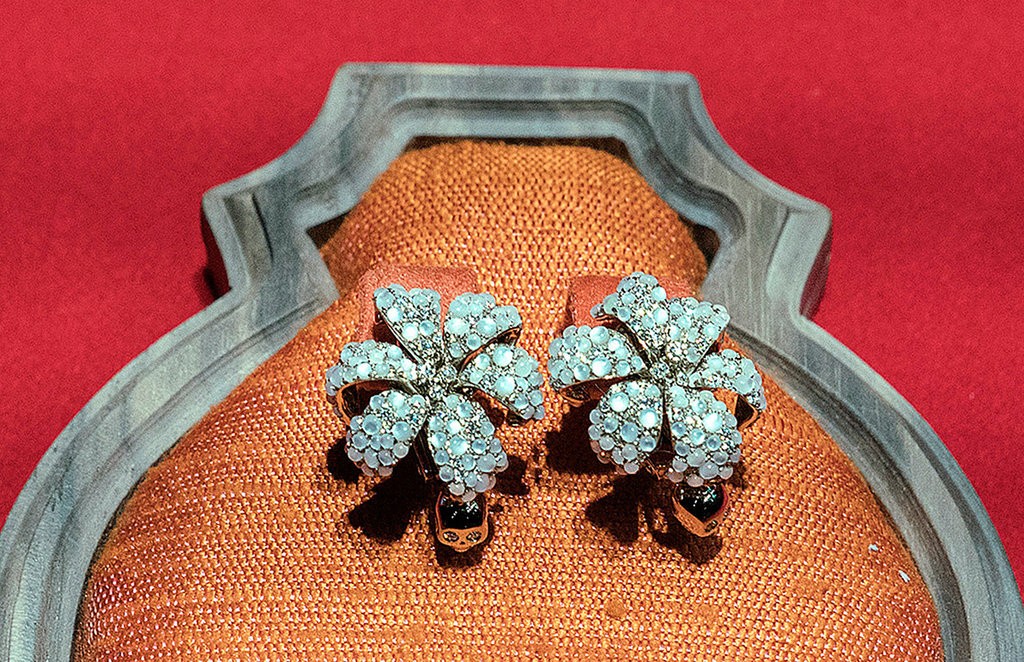
    These are flush times for Gucci, the 96-year-old house that in recent years has become fashion’s all-conquering luxury brand. And amid booming sales, Alessandro Michele, Gucci’s creative director since 2015, has introduced the brand’s first high-end fine jewelry line, a series of extravagant styles that present the designer’s florid evocations of flea market finds as gem-encrusted treasures.

    Talking of the nostalgic inspiration behind many of his creations, Mr. Michele said, “I’ve dressed a number of women in things that were gathering dust in vintage archives — they no longer existed.”

    “That includes jewelry as well,” he added. “It’s beautiful to bring them back to life and give them importance once again.”

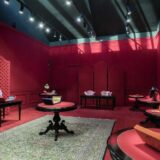
    At the Gucci Hub, a former aeronautical factory here where the brand opened its headquarters last year, the jewelry showroom reflects Mr. Michele’s opulent touch: red velvet-covered walls, red velvet room dividers, red velvet-topped tooled wood tables around a densely floral Oriental rug, and bright-toned velvet coffers lined in silk to showcase the designer’s well-established motifs rendered as precious jewels.

    Tigers, snakes, lions and foxes form necklaces, bracelets and rings, mirroring earlier versions that Mr. Michele created for both the costume and the mid-market fine jewelry lines at Gucci. But the new higher-end collection — which has no specific name — is more elaborate, its 25 design styles accented with a range of gemstones.

    The new line appears to expand the reach of Mr. Michele’s remarkably successful universe for his most ardent and wealthy collectors. It’s Gucci style for Cartier spenders — at a time when Gucci has pledged to go fur-free, eliminating what had been the brand’s biggest-ticket items.

    Mr. Michele, who calls himself “a passionate student of antique jewelry,” has resurrected animalier styles, like those of the midcentury American jewelry designer David Webb, and for this new collection he has employed some vintage techniques like the intricate hand engraving used to create the animals’ faces, skipping the rhodium plating now common on white gold so it retains a yellowish cast, and the use of old-fashioned raised settings for the tiny diamonds spangled across the fishtail of a ring.

    “When you see the way I combine things with each other, you perceive everything together as a new language,” he said, referring to his fashion aesthetic that mashes up the animal motifs with Chinese silks and Mexican embroideries, Renaissance gowns, Victoriana, disco drama, high ’80s glam, shades of Elton John and Dapper Dan, and more. “There’s a complete fusion of ideas. This ‘disruption’ that everyone’s talking about is found in the dialogue between these elements.”

    From the new collection, Marco Bizzarri, the chief executive of Gucci, wears a woven gold bracelet with black diamonds that is embossed with the phrase “Blind for Love” in capital letters across the top.

    Mr. Michele himself has a gold ring with a fox’s head, a large brown diamond set between its ears.

    Though the pieces look like styles that, in their antique forms, were made for women, in the Gucci context, anyone can wear them.

    “Clothes, like jewelry, don’t have very revolutionary roots, meaning that what’s revolutionary is the way you wear a piece of jewelry,” the designer said.

    So far the collection, with prices that mostly range from 15,000 euros to 70,000 euros (US$17,900 to US$83,500), has been offered only to favorite clients through private sales in Japan, China and the United States and private appointments that began in July.

    Gucci refers to the pieces, which are not high jewelry (typically starting in the $100,000 range and going into the millions), as “medium-high,” or as “unique pieces” when it repeats designs using different gems.

    However, the brand says it is considering a move into the bigger stones and larger price tags of true high jewelry for its next collection.

    Gucci is not the first fashion house to enter the upper echelons of jewelry.

    Chanel, Dior and Louis Vuitton have all made it big business, as the high jewelry market has flourished through and beyond the economic downturn of the last decade.

    And the brand’s fortunes have been growing at a clip that has shocked industry watchers.

    Kering, its parent group, reported that Gucci’s revenue soared 42 percent to €1.5 billion in the three months to the end of September. And its biggest boost has been coming from millennials, who, Kering says, account for at least half of its 2017 sales thus far.

    “The new generation is going to want a more modern jeweler,” said Maurizio Pisanu, the house’s director of jewelry merchandising. “So it’s up to the brand that realizes that first, and Gucci already had the right intuition two years ago — to break the rules.”

    Gucci has hired its first staff gemologist to search for stones worldwide and maintains a jewelry workshop with about 30 goldsmiths and stone-setters near Milan.

    All of the brand’s existing fine jewelry and now most of its high-end fine jewelry pieces are made there, with some help from an external atelier in Valenza, a center of Italian jewelry fabrication about 60 miles to the south.

    According to the brand, sales of the initial pieces have been brisk (although it won’t provide specifics).

    So if the collection does expand, Mr. Michele’s antique-tinged, everything-is-precious aesthetic might disrupt the higher stratospheres of the jewelry sector in the way that he has already reset Gucci and the fashion desires of a vast public.

    The collection has arrived at a moment when the codes of high jewelry are in flux — important stones are becoming more difficult to find, and a new generation of customers is more interested in showing off wearable (and possibly recognizably branded) design than owning the special occasion gem-encrusted parures of the past.

    Mr. Pisanu said design-driven jewelry customers “benefit a brand like Gucci, where jewelry isn’t our core business but we have the ability to make high-quality jewelry like the other brands — and with a different aesthetic that’s much more innovative than what a classic brand would ever dare to make.”

  • Folli Follie To Open 50 New China Stores

    Folli Follie To Open 50 New China Stores

    Greek jewelry- and timepiece-maker Folli Follie plans to open 50 new stores in China next year, showing a renewed faith in a market in which its presence has shrunk in recent years.

    Twenty of the locations will be directly operated by the company, five to seven of which will become its flagship stores in major Chinese cities, including Beijing, Shanghai and Shenzhen, Folli Follie China Director Connie Law told Caixin.

    The other 30 shops will run on a franchise model, Law said.

    The brand recently launched a necklace that includes depictions of dogs ahead of the Chinese year of the dog, the first time the company has launched such a design and a clear attempt to appeal to Chinese consumers.

    Folli Follie became well-known to Chinese fashionistas in 2011 when domestic conglomerate Fosun Group became its second-largest shareholder. The brand had 220 stores in China in 2014, according to a Fosun financial report. This figure has since declined to only 150, Law said.

    An industry insider said that the decline was in part caused by some Folli Follie franchisees switching to rivals such as Austria’s Swarovski.

    Law told Caixin that Chinese consumers are buying entry-level luxury goods at home rather than abroad as the price gap between China and other countries has narrowed.

    As e-commerce continues to rapidly expand in China — online sales grew 32% in the first 11 months of 2017, compared to a 10% increase in total retail spending — Folli Follie has also established stores on online marketplaces, including Alibaba’s Tmall and JD.com.

    But 75% of the company’s spending in China goes to its offline stores, Law said, adding that the company will never abandon its brick-and-mortar business.

  • Degussa GoldHandel exits Singapore after two years

    Degussa GoldHandel exits Singapore after two years

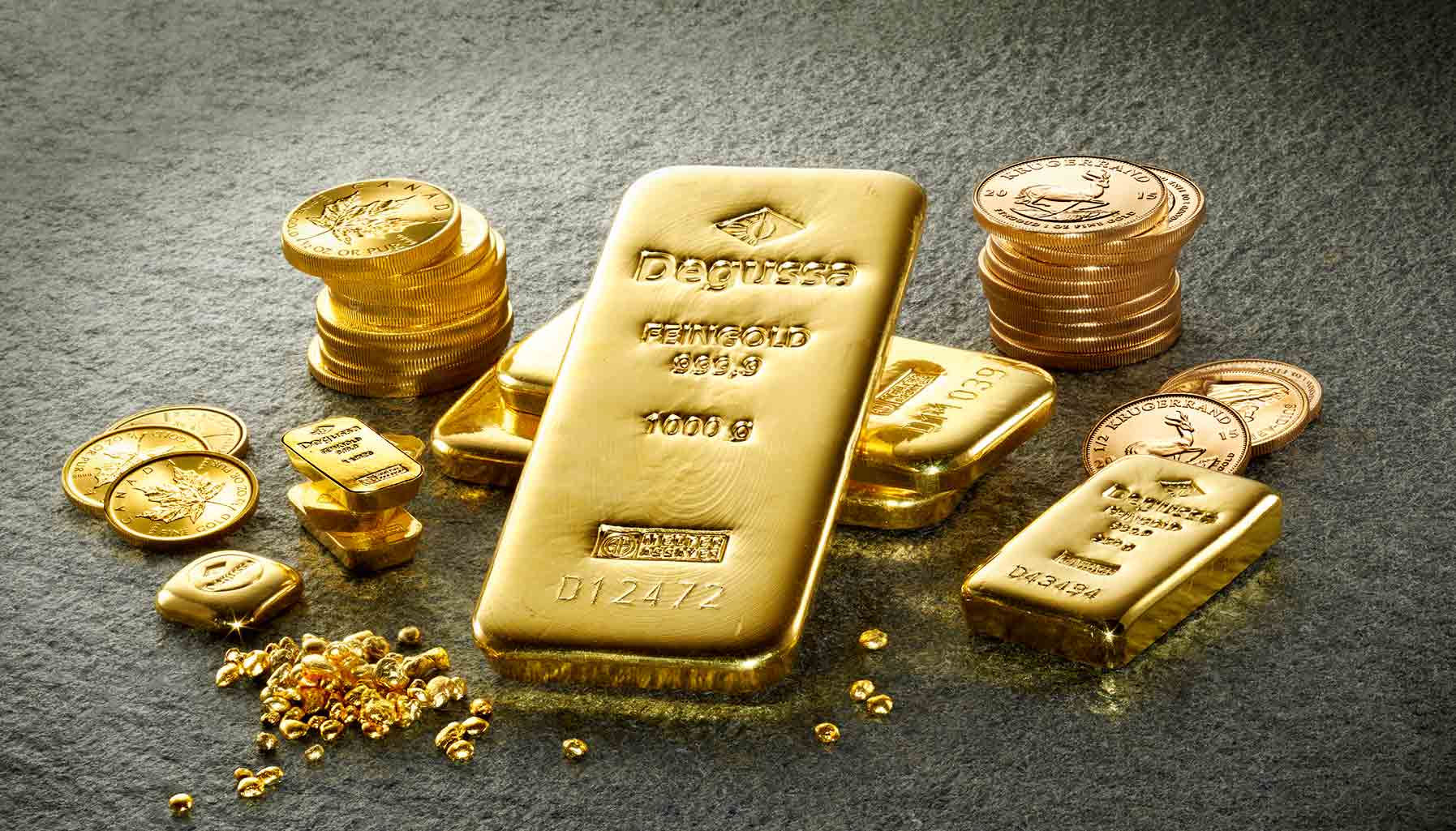
    Two years after opening its first precious metals store in Asia, on Orchard Road, German company Degussa GoldHandel has decided to close it at the end of the month.

    Its website carried the surprise one-sentence announcement.

    When it opened the branch in October 2015 as part of an international expansion strategy, the company said it saw Singapore as an “ideal market”.

    Near Dhoby Ghaut MRT station, the 93sqm Degussa Singapore store was run by Degussa Precious Metals Asia, offering branded precious-metal bars, coins and collectibles, plus safety deposit boxes and other secure storage.

    Degussa GoldHandel has 10 bullion product stores in Germany as well as branches in Spain and Switzerland.

    Degussa Precious Metal Asia last year had a net loss of S$2.8 million (US$2 million) on revenues of $59 million. At the same time, Degussa Singapore’s total liabilities exceeded total assets by $4.35 million.

    World Gold Council (WGC) data shows overall gold demand in Singapore this year totalled 17.1 tonnes, compared to 18.1 tonnes last year, while the demand for gold bullion has dropped to five tonnes from 5.9 tonnes.