Tag: Johor Bahru

  • GetGo Launches Cross-Border Car Sharing from Singapore into Malaysia

    GetGo Launches Cross-Border Car Sharing from Singapore into Malaysia

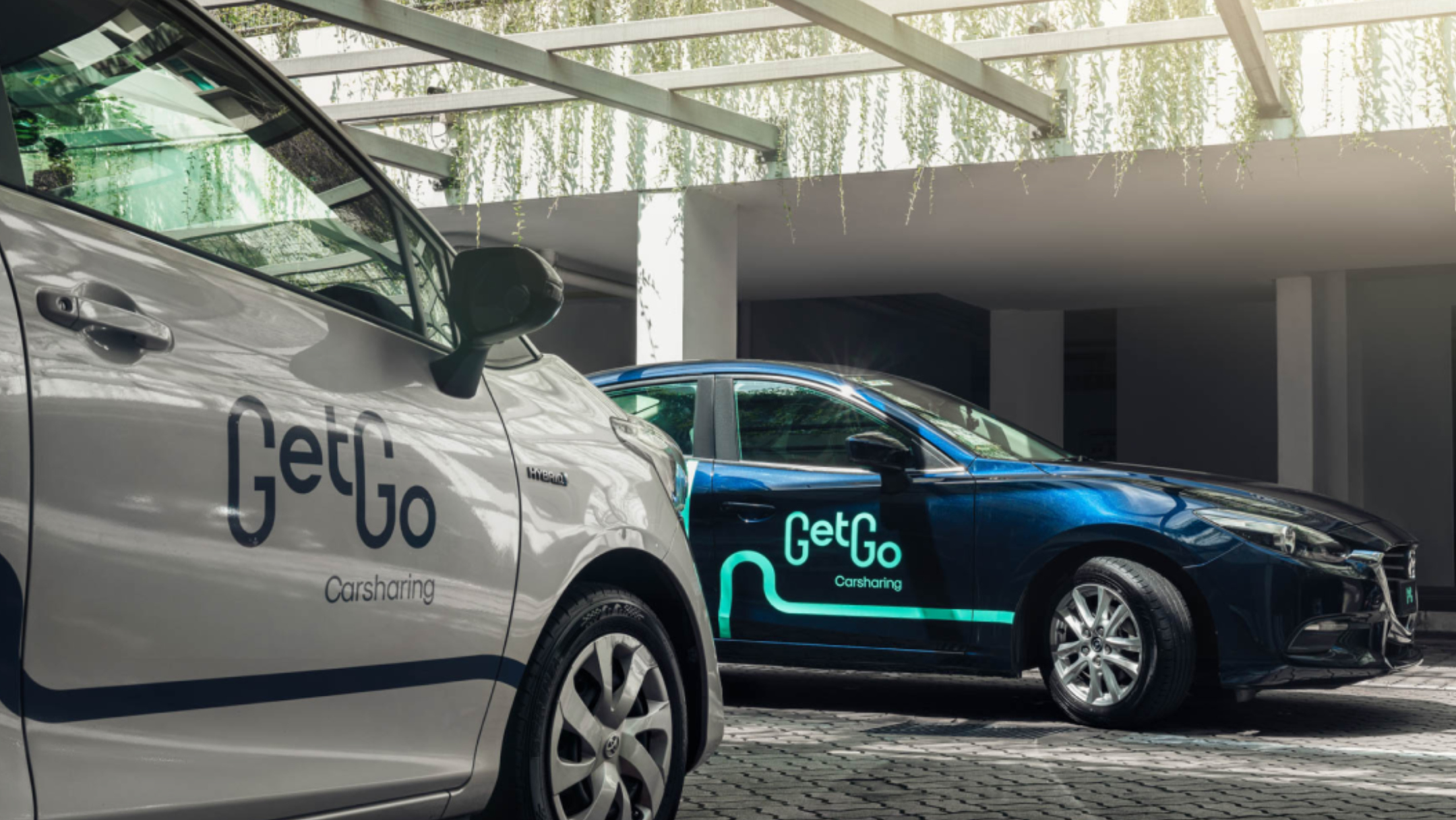
    Singapore car-sharing operator GetGo rolled out a cross-border rental feature letting users drive vehicles directly across the Causeway into Peninsular Malaysia. The service gives drivers access to cars pre-registered with Malaysia’s mandatory Vehicle Entry Permit.

    Users can collect a car from local Singapore neighbourhoods and drive across the border to destinations including Johor Bahru and Kuala Lumpur. Unlike point-to-point cross-border taxis and ride-hailing services, the rental imposes no fixed route requirements or designated drop-off points during the booking window.

    How the Causeway booking works

    The feature, branded Drive to Malaysia, handles the regulatory paperwork required by Malaysian transport authorities before drivers leave the city-state. Each eligible vehicle comes fitted with a registered Vehicle Entry Permit RFID tag, avoiding the administrative delays that private vehicle owners face when securing cross-border clearance.

    Drivers retain full control of the itinerary throughout Peninsular Malaysia for the entire duration of their scheduled reservation. They pick up the car at an assigned Singapore bay and return it to the same spot once their trip concludes.

    Shifting border transit demand

    The service targets weekend shoppers, business commuters, and holiday travellers who previously depended on cross-border coach networks, licensed cross-border cabs, or private vehicle ownership. Cross-border transit across the Johor-Singapore Causeway ranks among the busiest land crossings worldwide, yet car-sharing models in the region historically restricted fleets to domestic borders.

    By clearing regulatory permit hurdles in advance, fleet operators open a new revenue line during peak travel weekends. The next operational test for cross-border car sharing centres on fleet availability and user adherence to Malaysia’s digital toll and fuel regulations during peak holiday travel periods.


  • Johor Bahru Set to Dominate Malaysia’s Data Centre Capacity with 60% Share by 2030!

    Johor Bahru Set to Dominate Malaysia’s Data Centre Capacity with 60% Share by 2030!

    Capacity is expected to reach 500MW this year.

    In a development poised to reshape the digital landscape of Southeast Asia, JLL has projected that Johor Bahru will hold 60 percent of Malaysia’s total data centre capacity by the year 2030. This transformation solidifies the city’s status as a vital digital hub in the region.

    According to JLL’s recent findings, Johor has rapidly ascended to become Malaysia’s premier data centre hub, with capacity surging from just 10 MW in 2021 to an astounding 500 MW anticipated by 2025. This impressive growth can be attributed to its strategic location near key regional networks, competitive costs, and robust government backing.

    The Johor-Singapore Special Economic Zone: A Catalyst for Growth

    At the heart of this evolution lies the Johor-Singapore Special Economic Zone (JS-SEZ), a groundbreaking initiative designed to propel the data centre industry in the region. Industry giants such as Bridge DC, GDS, and OpenDC are playing pivotal roles, enriching Johor’s reputation as Southeast Asia’s largest data centre market.

    Hyperscale Demand Fuels Expansion

    Meanwhile, a significant hyperscaler has ramped up investments, acquiring land within the Nusa Cemerlang Industrial Park. With a pipeline projected at 2,570 MW, Johor is on track to potentially surpass Singapore’s data centre capacity, a formidable feat that underscores the strong market demand. Fully occupied hyperscale facilities provide a glowing testament to this demand, offering investors enticing growth opportunities with manageable risks amid the booming digital economy.

    Operational Challenges Loom on the Horizon

    However, it’s not all smooth sailing; data centres face looming challenges beyond mere regulatory compliance. An impending rise in electricity tariffs set for July 1, 2025, poses a significant threat to operational viability, especially given that power costs are a major expense for these facilities.

    A Bright Outlook for Users and Providers

    For users, hyperscale pre-commitments will likely continue steering demand. Furthermore, the rapid developments in AI are expected to influence enterprise strategies significantly, while lease rates are predicted to hold steady. On the provider side, Johor’s strategic positioning, complemented by superior cable connectivity for digital infrastructure, attracts more hyperscalers. In response to the evolving landscape, the government is shifting its approach from unchecked expansion to a more regulated approval process, ensuring adequate infrastructure support. Developers are also embracing innovative strategies, integrating alternative water sources, renewable energy options, and sustainability frameworks to navigate these changes.

    Questions & Answers

    What is the projected data centre capacity for Johor Bahru by 2030?
    Johor Bahru is expected to hold 60 percent of Malaysia’s total data centre capacity, reaching 500 MW by 2025 and maintaining that dominance through 2030.

    Which initiatives are fueling Johor’s data centre growth?
    The Johor-Singapore Special Economic Zone (JS-SEZ) is a key initiative designed to enhance the data centre landscape, attracting major companies such as Bridge DC, GDS, and OpenDC.

    What challenges might data centres face in the near future?
    Data centres may grapple with increased electricity tariffs coming into effect on July 1, 2025, which could significantly impact their operating costs.

  • Foodpanda Malaysia expands

    Foodpanda Malaysia expands

    Foodpanda, Malaysia’s monopoly food delivery business, has relaunched its operations in Johor Bahru, in the nation’s south.

    Foodpanda Malaysia says it is “already a household name” in other major Malaysian cities – Kuala Lumpur, Ipoh, Melaka and Penang.

    “We are happy to be back in Johor Bahru. I think this service would add convenience to the residents in Johor Bahru,” said Uffe Jordan, MD of Foodpanda Malaysia.

    The relaunched service will start by offering online ordering and delivery of wellknown quick service restaurant brands such as Kenny Rogers Roasters, Nando’s, and Sakae Sushi.

    “We will be launching in the city centre and are looking forward to expand our delivery areas soon. We are also working on bringing in more local favorite restaurants in Johor Bahru,” said Uffe.

    Rocket Internet owned Foodpanda Group operates in 39 countries on five continents under its own name and the additional brand hellofood.