Tag: johor

  • Sunway Healthcare Starts Work on $196M Hospital in Johor

    Sunway Healthcare Starts Work on $196M Hospital in Johor

    Sunway Healthcare broke ground on an RM800 million ($196.2 million) tertiary hospital in Johor. The project is its first medical facility in Malaysia’s southern state.

    Planned for completion in 2030, Sunway Medical Center Iskandar Puteri will house more than 400 beds. It will employ over 1,400 healthcare staff.

    Located inside Sunway City Iskandar Puteri, the hospital sits within a 2,000-acre development launched in 2014. Around 7,000 residents live in the township today. Developers have completed more than 30 per cent of the master plan and sold roughly 2,000 homes.

    Expanding Footprint Across Johor

    The Iskandar Puteri facility anchors a series of specialized care projects across the state. Sunway Healthcare plans to open the Sunway Fertility Centre at Sunway Citrine in 2027. An ambulatory care centre will follow in 2028 near the upcoming Johor Bahru to Singapore Rapid Transit System link.

    Group leadership is also evaluating dedicated elder-care properties in the area. By 2032, the company intends to operate eight hospitals throughout Malaysia. That network will exceed 3,400 beds.

    Cross-Border Healthcare Demand

    Placing medical assets near the Singapore border targets two patient groups: local residents in suburban corridors and international medical tourists seeking private care at lower currency valuations. The Johor-Singapore Special Economic Zone adds tax and operational incentives to draw cross-border traffic.

    Competition for clinical talent will intensify for regional operators such as IHH Healthcare and KPJ. Medical staffing remains tight across Southeast Asia. Execution will depend on hiring and retaining senior doctors across competing networks.

    Consolidated Balance Sheet Backing

    Funding for the Johor site follows Sunway Healthcare’s debut on the Main Market of Bursa Malaysia in March. The business posted a net profit of RM111.48 million on revenue of nearly RM1.26 billion for the six months ended June 30. Those results represent year-on-year gains of 39 per cent and 27 per cent respectively.

    Sunway Group, led by founder Jeffrey Cheah, controls diversified holdings in construction, real estate, education, and infrastructure. Cheah’s net worth stood at $5.3 billion in April, ranking him eighth among Malaysia’s wealthiest individuals.

    Next Milestones for Delivery

    Site preparations included buying four land parcels within Sunway City Iskandar Puteri for RM45.37 million to accommodate the medical campus. Construction schedules now track progress on the RTS corridor connecting Johor Bahru and Singapore.

    Operations begin with the fertility clinic launch in 2027. That opening will test the southern medical network before the main hospital opens in 2030.
  • China’s Coffee Giant Luckin Coffee Brews Rapid Expansion in Malaysias Johor Bahru with Trio of New Outlets

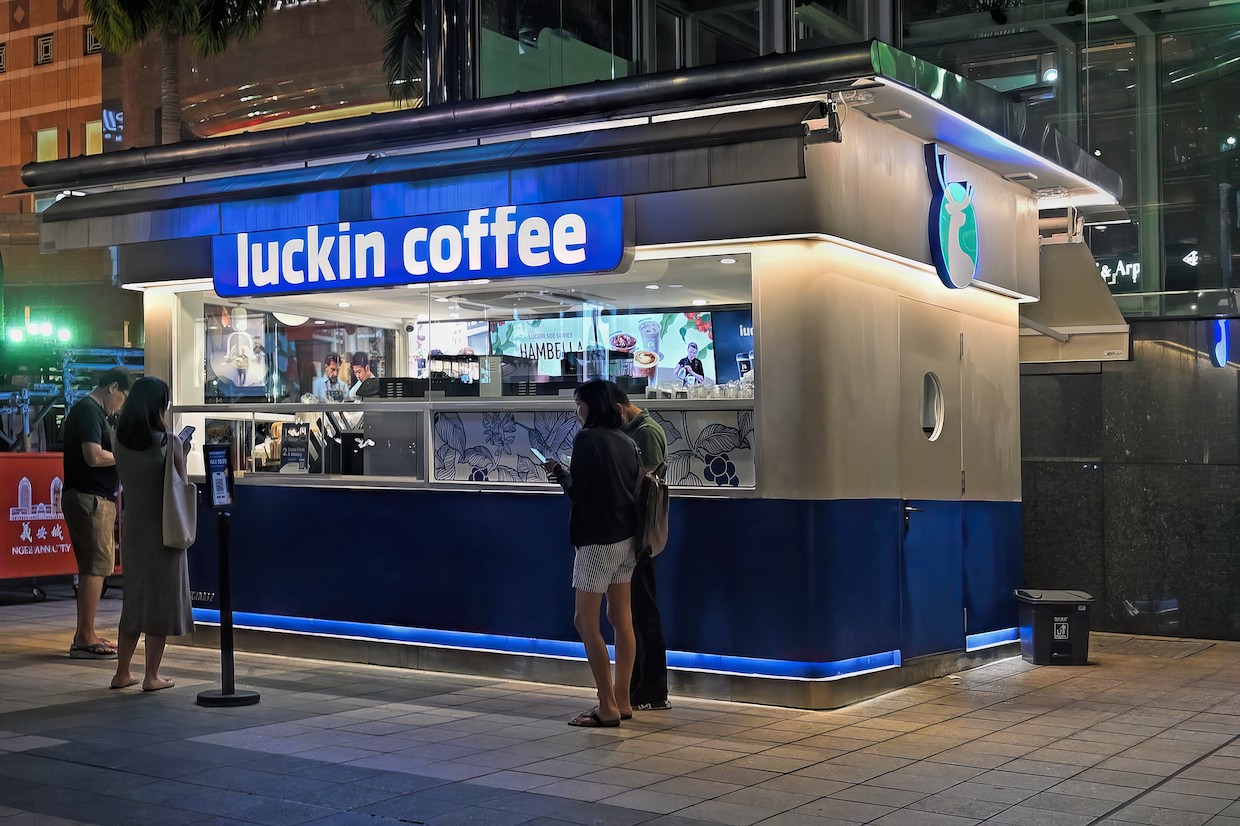
    China’s Coffee Giant Luckin Coffee Brews Rapid Expansion in Malaysias Johor Bahru with Trio of New Outlets

    Luckin Coffee, the largest cafe chain in China, has bolstered its presence in Malaysia by establishing three new outlets in the city of Johor Bahru last July. The first two branches were launched at Sutera Mall and Austin Heights early in the month, followed by a grand opening at the Sutera Mall location. A third branch was then opened in Taman Ungku Tun Aminah.

    Targeting Growth in Johor

    Dr. Jeff Lim, the CEO of Luckin Coffee Malaysia, has highlighted the strategic importance of Johor, Malaysia’s southernmost state, to the company’s expansion plans. He mentioned the potential of a more localized supply chain, job opportunities, and wider access to their digital-first coffee retail experience as key elements supporting the company’s growth in the region.

    Luckin Coffee was established in 2017 by a former tech executive and soon became a notable competitor to Starbucks in China due to its unique, app-driven cafes. Despite a setback in 2019 when the company was delisted due to an accounting scandal and subsequently filed for bankruptcy in 2021, it has made a robust recovery.

    Global Expansion and Achievements

    Luckin Coffee’s expansion efforts have seen it spread to over 300 cities in China, with most of its outlets located there. The company has also made inroads into international markets, such as Singapore, Malaysia, and the U.S. In February, just over eight years after its inception, Luckin Coffee opened its 30,000th store worldwide, an accomplishment achieved six times faster than Starbucks.

    As of the first quarter of 2026, the company has seen further growth with a total of 33,596 stores globally after adding more than 2,500 outlets during the quarter. Luckin Coffee made its debut in Malaysia last year and has since been growing rapidly. With the addition of the new outlets in Johor, the total number of stores across the country has now exceeded 120.

    Questions & Answers

    What is the significance of the Johor market for Luckin Coffee?
    Johor, being the southernmost state of Malaysia, is seen as a key market that can support Luckin Coffee’s growth through a more localized supply chain, job creation, and wider access to its digital-first coffee retail experience.

    How many outlets does Luckin Coffee have globally?
    As of the first quarter of 2026, Luckin Coffee has 33,596 stores across the globe.

    When did Luckin Coffee enter the Malaysian market and how many outlets does it have in the country?
    Luckin Coffee entered the Malaysian market last year and with the addition of new stores in Johor, it now operates more than 120 outlets in the country.

  • Johor Eateries Resist Price Hikes Amid Surging Ingredient Costs, but Future Increase Likely

    Johor Eateries Resist Price Hikes Amid Surging Ingredient Costs, but Future Increase Likely

    Even as the cost of raw materials rises, food service operators in Johor, the southernmost state of Malaysia, have not yet increased their prices. However, if the Middle East conflict continues, these increases may become unavoidable.

    Adapting to Rising Costs

    Hussein Ibrahim, the Secretary of the Johor Indian Muslim Entrepreneurs Association, shared that member restaurants have maintained current prices despite a 20-30% increase in raw ingredient costs since March. “We can’t just raise our prices as Malaysians are cost-conscious, which could impact our business,” he stated.

    The association boasts 338 members, including around 200 Indian-Muslim food service operators throughout Johor, with the majority in Johor Bahru, a city on the Singapore border. To deal with increasing expenses, many operators are considering reducing portion sizes, according to Hussein. He also mentioned that unavoidable price increases might be on the horizon if the current crisis continues.

    Roland Lim, head of the Johor Bahru City Businessmen and Traders Association, reported a similar narrative, affirming that member restaurants have also kept their prices steady. He pointed out that downtown Johor Bahru restaurants have been hit hard by tighter security measures at the Johor-Singapore Causeway. These new procedures, established earlier this year, have caused Malaysians commuting to work in Singapore to skip their usual breakfast stops and go straight to immigration checkpoints. Reduced dining out by families, combined with ongoing infrastructure projects and subsequent traffic congestion, have further decreased restaurant patronage.

    The Impact of Rising Food Prices

    The ongoing conflict has resulted in increased food prices in Johor and other regions of Malaysia since February 28. By March’s end, vegetable prices in Johor Bahru had surged by 20-30%, attributed to higher transportation costs due to diesel price hikes and a prolonged heatwave.

    More recently, Economy Minister Akmal Nasrullah Mohd Nasir reported price increases for certain food items in the first week of May. For example, the price of Indian mackerel increased by 3.9% to RM17.42 (US$4.43) per kilogram; white prawns were up 1.2% to RM32.11 per kg; and fresh coconut milk rose 6.7% to RM16.88 per kg. Despite these increases, he reassured that food prices remain within a manageable range, with some items, such as beef, experiencing price reductions.

    Mohamad Sabu, the country’s Agriculture and Food Security Minister, warned that food prices could escalate in the upcoming three to six months due to increased production costs, such as fertilizer, animal feed, and fuel. “When these costs rise, market prices may also be affected,” he stated.

    Questions & Answers

    What are the potential consequences of the Middle East conflict on Malaysian food service operators?
    If the Middle East conflict continues, price hikes may become unavoidable due to rising costs of raw materials.

    How are food service operators in Johor dealing with the increasing costs?
    To cope with the rising costs, many operators are considering reducing portion sizes.

    How have recent price increases in various food items affected the overall food prices in Malaysia?
    Despite recent price increases in certain food items, the country’s Economy Minister reassured that food prices remain within a manageable range, with some items experiencing price reductions.

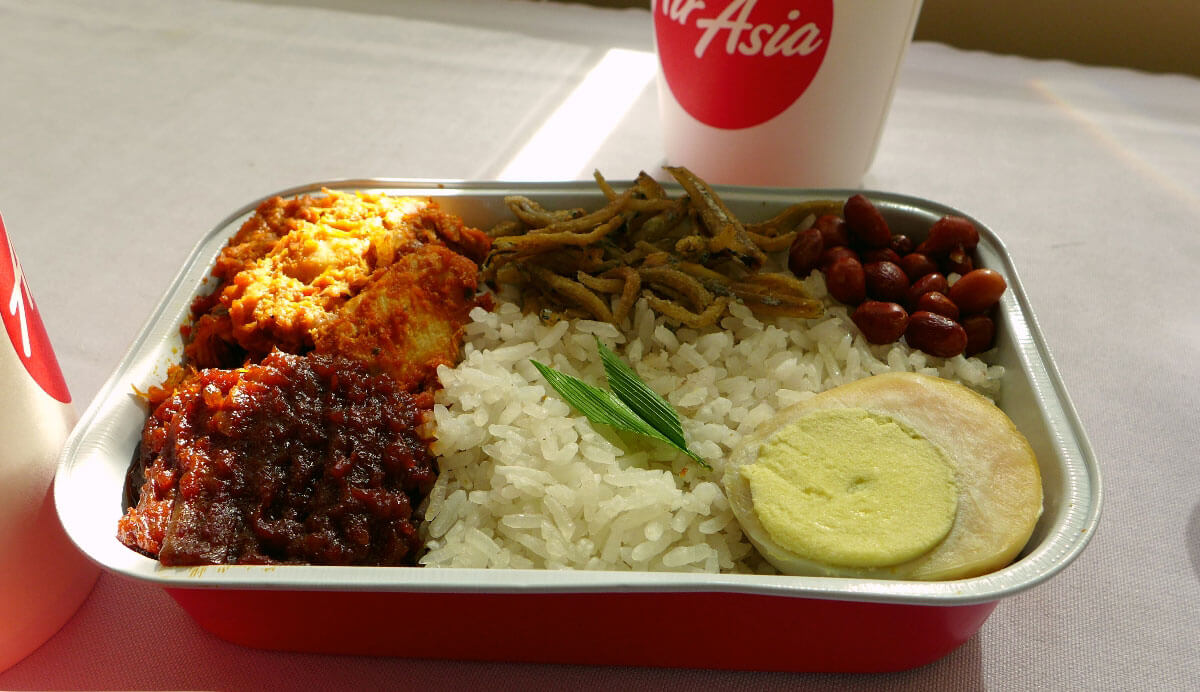
  • AirAsia Food to spread its wings to Johor and Penang next month

    AirAsia Food to spread its wings to Johor and Penang next month

    Almost a year since its introduction in the Klang Valley area, AirAsia food is now set to spread its wings to other major cities in the country starting with Johor and Penang next month.

    AirAsia Bhd chief executive officer Riad Asmat said the business was recording very positive growth, especially during the return of Conditional Movement Control Order between October to December 2020, and the trajectory remained promising into 2021.

    He said under its expansion plan, the company had started an entrepreneurial program to recruit more talents to grow AirAsia food together in the upcoming potential markets, as well as securing more merchants under its umbrella”

    People are ready and looking for more (food delivery services) options right now and our offerings at AirAsia food, be it from the customer and merchant’s perspective, can accommodate their needs within the market,” he told Bernama in an interview recently.

    Riad named Ipoh, Kota Kinabalu, Kuching, Miri, and Kota Bharu as the next potential markets.

    As for the international market, he said the company aimed to mark its presence in Singapore next month, and other markets such as Indonesia, the Philippines, and Thailand soon.

    Launched during the Movement Control Order (MCO) in May 2020, AirAsia food is a seamless, fuss-free, and affordable food delivery platform for merchants as it runs on a flat-rate model that is equivalent to only a 10 percent commission rate.

    He said at present, it has the lowest commission rate in the market as other platforms’ commission fees range between 15 percent and 30 percent, and AirAsia food is the only platform that offers a flat rate.

    Merchants can also easily control their menu and prices and receive extended delivery coverage of up to 60 kilometers compared to a 15-kilometer coverage by other food ordering platforms.

    Riad said although there are service providers that have been in the market much longer, AirAsia food believes that the market is big enough for one more alternative with the advantages it can bring to the table.

    He said AirAsia food provides merchants with a competitive offering, which directly and indirectly can help them reap a greater return in terms of profitability and low cost, which in turn benefits their customers.

    As one of the businesses under the airasia.com Asean super app, AirAsia food is supported by airasia.com’s ecosystem of over 60 million users who are able to earn and pay with their BIG Points, he said.

    “The advantages of merchants joining us will be on the basis of the strong structure, including from the technology and client perspectives. A merchant now will get a potential exposure of up to 60 million clients within our ecosystem,” he said.

    On prospects, Riad said sales picked up during the lockdowns but the business would remain relevant in the future after vaccines are made available, as technology helps people to meet their needs in a very convenient way.

    “If you give the right products that people want and keep enhancing the business with innovation, surely you can sustain the business for a long period.

    “Our growth at AirAsia food does not only help local food businesses, but also has a spillover effect in creating more job opportunities,” he said.

    To-date, AirAsia food employs more than 1,500 teleporters (riders) offering services to 1,200 restaurants around the Klang Valley

  • Lay Hong to invest RM16.6 million in liquid egg processing facility in Pasir Gudang

    Lay Hong to invest RM16.6 million in liquid egg processing facility in Pasir Gudang

    Lay Hong Bhd will invest RM16.6 million for a new pasteurised liquid eggs processing facility in Iskandar Halal Park, Pasir Gudang, Johor to cater the needs of the southern region and Singapore market as well as addressing logistics costs.

    The group told the stock exchange that the investment will include the purchase of a semi detached factory from Tentu Teguh Sdn Bhd for RM5.2 million. The project is expected to be completed within six to seven months upon delivery of certificates of fitness from the developer.

    The investment cost will be financed through a combination of internally generated funds and bank borrowings.

    Lay Hong said the new facility is also in line with the group’s focus on enhancing the sales of downstream products.

    Its share price gained one sen or 1.05% to close at 96 sen with 4.97 million shares done.