Tag: joint

  • Singapore’s Jumbo Group Launches Joint Venture to Propel Ng Ah Sio Bak Kut Teh Brand in China

    Singapore’s Jumbo Group Launches Joint Venture to Propel Ng Ah Sio Bak Kut Teh Brand in China

    The popular Singapore-based Jumbo Group has recently announced its intention to broaden the reach of its Ng Ah Sio Bak Kut Teh brand in China, commencing with a focus on Shanghai.

    Joint Venture for International Expansion

    Jumbo Group’s wholly-owned subsidiary, Jumbo F&B Services, has partnered with K Grand Resources and investor Yap Kok Kiong to establish this venture. K Grand Resources is the major stakeholder, owning 60% of the project. Jumbo F&B Services and Yap Kok Kiong each have a 20% stake.

    The newly formed Singapore-based company will possess the area franchise rights for the Ng Ah Sio Bak Kut Teh brand in Shanghai and other designated locations throughout China. Its responsibilities encompass sourcing franchisees and facilitating the brand’s growth within the Chinese market.

    As part of the agreement, the joint venture will have permission to utilize the Ng Ah Sio Bak Kut Teh trademark and associated intellectual property, granted by Jumbo Group.

    Strategic Growth and Funding

    Jumbo has clarified that the investment necessary for this initiative will be sourced internally and is unlikely to significantly impact the group’s earnings or net tangible assets for the financial year ending September 30.

    This strategic move aligns with Jumbo’s larger expansion plans. The group is determined to fortify its presence in China and Southeast Asia, with a specific focus on Shanghai, Jakarta, and Ho Chi Minh City. The group also hopes to diversify into institutional catering, thereby broadening its business portfolio.

    Questions & Answers

    Who are the partners in this joint venture?
    The joint venture partners are Jumbo’s subsidiary, Jumbo F&B Services, K Grand Resources, and investor Yap Kok Kiong.

    What are the responsibilities of the new company?
    The Singapore-based company will hold the area franchise rights for the Ng Ah Sio Bak Kut Teh brand in Shanghai and other agreed locations in China. It will be responsible for appointing franchisees and driving the brand’s expansion in the market.

    What is the broader growth strategy of Jumbo Group?
    The Jumbo Group aims to expand its presence in China and Southeast Asia, targeting growth in cities like Shanghai, Jakarta, and Ho Chi Minh City. The company also plans to diversify into institutional catering.
  • Berjaya Food Exits Paris Baguette Joint Venture, Redirects Focus on Core Businesses

    Berjaya Food Exits Paris Baguette Joint Venture, Redirects Focus on Core Businesses

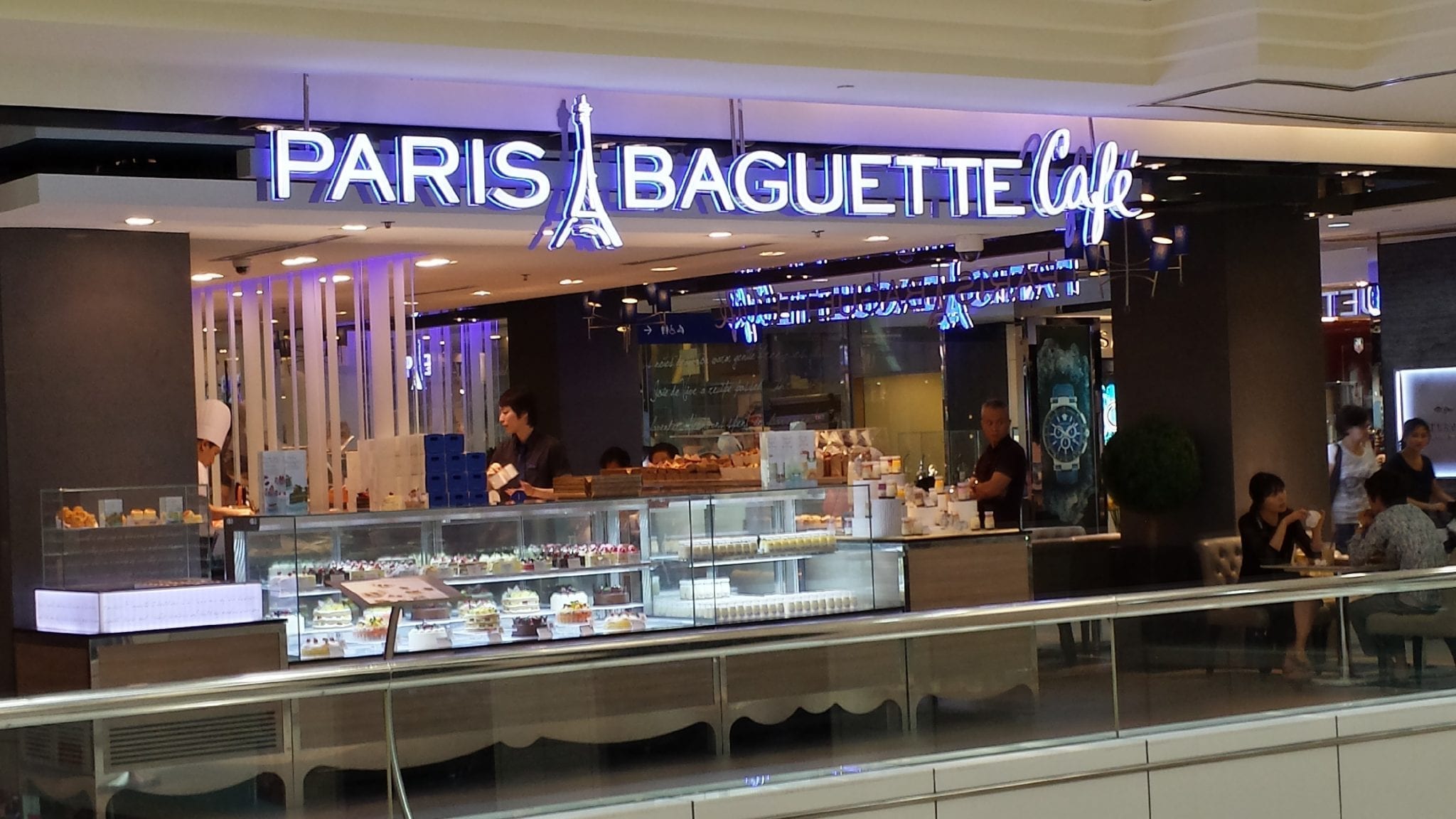
    Berjaya Food, a major player in the food and beverage industry, has concluded their collaboration with Paris Baguette, marking the end to the alliance that brought the esteemed South Korean bakery chain to Malaysia in 2023.

    In an effort to sever ties with the financially draining venture, Berjaya Food divested its 50% share in Berjaya Paris Baguette (BPB) to Paris Baguette Singapore for a token sum of RM1 (US 24 cents). Executed on June 30, this transaction included the transfer of 20 million ordinary shares. This was accompanied by Berjaya Food’s settlement of RM3.91 million (about $960,920) in outstanding liabilities.

    A Challenging Operation

    The Malaysian branch of the business has persistently reported losses since its commencement. As per recent records, BPB reported an unaudited, post-tax loss of RM67.09 million ($16.49 million) and net liabilities of RM33.41 million ($8.2 million). The RM20 million ($4.9 million) pumped into the venture by Berjaya Food is fully impaired.

    Berjaya Food has clarified that the divestiture of BPB is a strategic move to step away from the “Paris Baguette” chain of bakery and retail stores in Malaysia, which has continually underperformed since its introduction in the country. This decision, they explain, will help to eliminate the group’s exposure to BPB’s continuous financial losses.

    Looking Ahead

    Berjaya Food can now channel its resources and managerial attention to its principal businesses and future growth prospects. Paris Baguette, on the other hand, first set foot in Malaysia in 2023 and currently manages 16 locations across the country.

    Berjaya Food’s decision to divest comes at a time when the group is grappling with wider earnings pressure. Last year, the company reported its fifth consecutive quarterly loss, largely contributed by weaker performance at its Starbucks Malaysia business.

    Questions & Answers

    Why has Berjaya Food chosen to exit the joint venture with Paris Baguette?
    Berjaya Food decided to exit the joint venture due to consistent financial losses, deciding instead to focus on their core businesses and future growth opportunities.

    What was the extent of Berjaya Food’s investment in Berjaya Paris Baguette?
    Berjaya Food’s investment in the venture amounted to RM20 million ($4.9 million), which has now been fully impaired.

    What has been the impact of the divestment on Paris Baguette’s presence in Malaysia?
    Paris Baguette continues to operate in Malaysia, currently managing 16 locations across the country. The divestment has not affected its operational presence.

  • UBS China Joint Venture Faces Backlash Over Unexpected Benchmark Switch in Silver Fund

    UBS China Joint Venture Faces Backlash Over Unexpected Benchmark Switch in Silver Fund

    A silver fund run by UBS’s Chinese partner has drawn a wave of complaints from investors. The grievances have been sparked by a decision to change benchmarks, a move that has reportedly resulted in greater losses than investors had anticipated.

    Over 200,000 individuals have raised concerns against UBS’s domestic Chinese partnership with the state-controlled SDIC Group. The objections are primarily focused on UBS SDIC Fund Management’s decision to alter the valuation mark for the UBS SDIC Silver Futures Fund LOF. The company shifted from Shanghai Futures Exchange settlement prices to international market prices without giving investors prior notice. It is thought that this change transformed losses from an expected cap of 17 percent, due to a daily price limit, to over 31 percent.

    This alteration took place during a significant collapse in silver prices on January 30, which saw the value of the precious metal plummet by over 30 percent. In response to this situation, the company formed a task force and subsequently announced a compensation plan for investors who redeemed their investments on February 2.

    Questions & Answers

    What caused the wave of complaints against UBS’s Chinese partner?
    Investors were unhappy with UBS SDIC Fund Management’s decision to switch the valuation mark for the UBS SDIC Silver Futures Fund LOF from Shanghai Futures Exchange settlement prices to international market prices without any prior notice.

    What was the impact of the benchmark switch on investors?
    The change is believed to have amplified losses from an anticipated cap of 17 percent due to a daily price limit, to an actual loss of over 31 percent.

    What measures did the company take in response to the silver price crash?
    In response to the silver price crash and the resulting investor complaints, the company formed a task force and announced a compensation plan for investors who redeemed their investments on February 2.

  • Cafe Amazon Retreats From Vietnam: Intense Competition Spurs Strategic Pivot For Centel

    Cafe Amazon Retreats From Vietnam: Intense Competition Spurs Strategic Pivot For Centel

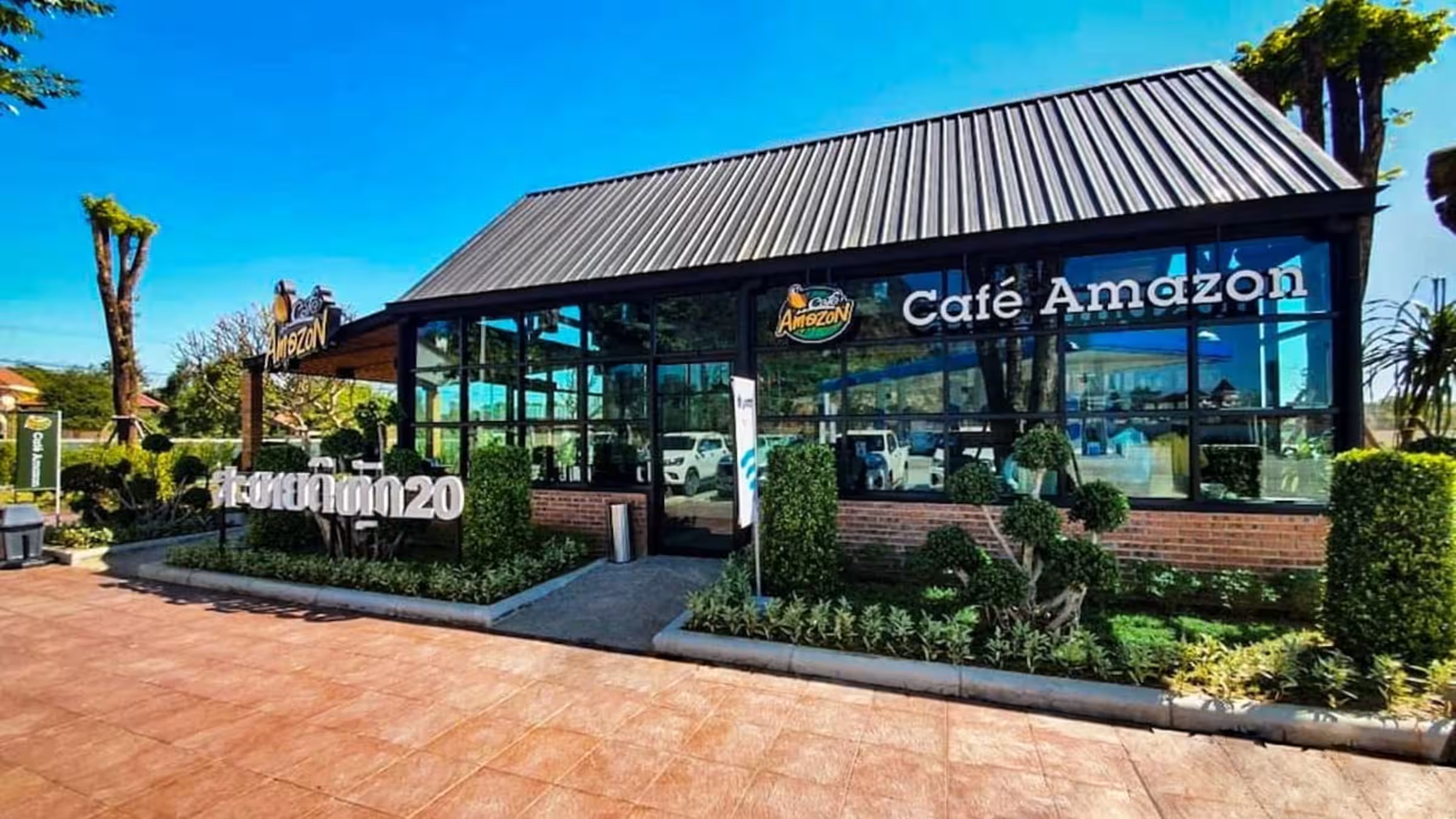
    Thailand’s Cafe Amazon seems prepared to bow out from the local market after a half-decade attempt to square up with local coffee chains. At the forefront of this decision is Central Plaza Hotel Public Company Limited (Centel), who will be stepping away from the Cafe Amazon joint venture in Vietnam. This move indicates a strategic pivot in response to the fierce competitive landscape in Vietnam’s coffee sector.

    Centel’s withdrawal implicates the dissolution of the ORC Coffee Passion Group Joint Stock Company (ORCG), the corporation responsible for the operations of Cafe Amazon within Vietnam. ORCG was a partnership between Centel’s indirect subsidiary, Central Restaurants Group (Vietnam), which owns a 40 per cent stake, and PTTOR International Holdings (Singapore), another subsidiary of the publicly-traded Thai firm PTT Oil and Retail Business, with a 60 per cent stake.

    In an official statement, Centel underscored the necessity to “realign business priorities” and adapt to the pressing challenges in the market. As of the end of August, the company’s investment in the venture amounted to THB 56 million (US$1.72 million).

    This decision marks the end of Centel’s involvement in Cafe Amazon’s expansion into Vietnam, an ambitious initiative that was launched in 2020 with the goal of becoming a top global coffee brand. Unfortunately, the stiff competition from both international and local chains proved to be too daunting.

    Questions & Answers

    What is the primary reason for Cafe Amazon’s exit from Vietnam?
    Intense competition from local and international coffee chains is the main reason behind Cafe Amazon’s exit from the Vietnamese market.

    What percentage of ORC Coffee Passion Group Joint Stock Company (ORCG) does Central Restaurants Group (Vietnam) hold?
    Central Restaurants Group (Vietnam), an indirect subsidiary of Centel, holds a 40 per cent stake in ORCG.

    When did Cafe Amazon originally plan its expansion into Vietnam?
    Cafe Amazon initiated its ambitious expansion into Vietnam in 2020, with the goal of becoming a top global coffee brand.