Tag: Jollibee

  • Jollibee secures approval to lift foreign ownership limit

    Jollibee secures approval to lift foreign ownership limit

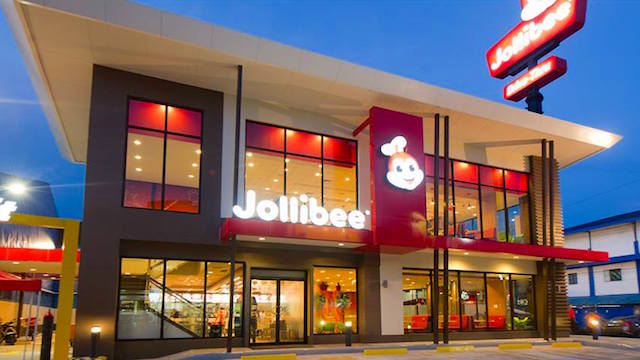
    F&B giant Jollibee Foods Corporation (JFC) has received approval from the Philippine Stock Exchange (PSE) to remove its 40 percent foreign ownership limit.

    The decision follows the company’s amendment request to its articles of incorporation, which also includes removing its ability to own, acquire, mortgage, pledge, or encumber land.

    Article 12 of the Philippine Constitution restricts foreign ownership of land and certain businesses to 40 per cent, with the remaining 60 per cent reserved for Filipino citizens or corporations.

    Following the change, JFC is now positioned to accommodate more foreign investors.

    AP Securities research analyst Jose Cipres said the move allows the company to raise additional capital for expansion through a sale-leaseback transaction.

    “They could use the proceeds from the sale of land to expand their current store portfolio, translating to higher earnings,” explained Cipres.

    Meanwhile, Unicapital equity research analyst Jeri Alfonso said removing the foreign ownership limit is a good catalyst for JFC.

    “Given this current market condition, this will provide a big boost to the company in terms of trading volume,” Alfonso added.

  • Jollibee Foods takes full ownership of Tim Ho Wan

    Jollibee Foods takes full ownership of Tim Ho Wan

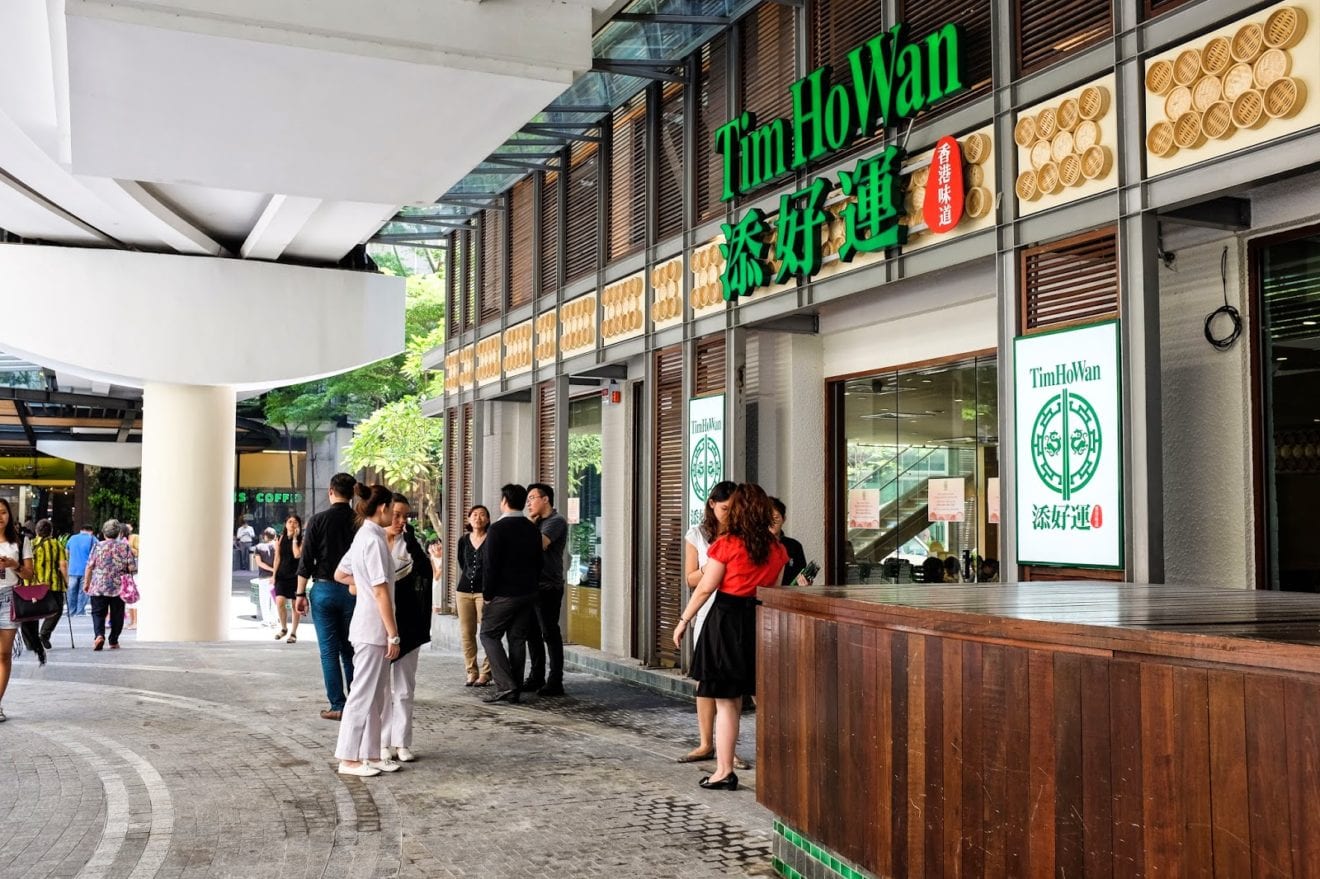
    Jollibee Foods Corporation has fully acquired Tim Ho Wan, taking over the remaining 8 percent of the Hong Kong restaurant business for SG$20.2 million (US$15.1 million).

    Since January this year, Jollibee has held a 92 percent stake at Titan Fund, the owner and manager of Tim Ho Wan.

    In a stock exchange filing, JFC said its subsidiary Jollibee Worldwide signed an agreement with Titan Fund to acquire the remaining minority stake.

    Founded in 2009, Tim Ho Wan now has 80 stores across 11 countries. It will be Jollibee’s flagship brand for its Chinese cuisine segment.

    Aside from its dimsum, Tim Ho Wan is also known for barbecue pork buns, steamed rice roll stuffed with barbecue pork, pan fried turnip cake, and steamed egg cake.

  • Jollibee data breach may impact almost 11 million customers

    Jollibee data breach may impact almost 11 million customers

    Jollibee Foods Corporation (JFC) has reported a potential unauthorised access to its data, which might affect approximately 11 million customers.

    The breach compromised sensitive personal information, including dates of birth and senior citizen identification numbers, according to the company’s report to the Philippines’ National Privacy Commission (NPC).

    “Approximately 11 million data subjects are affected, the majority of whom are Jollibee customers,” the NPC said. “Other impacted brands include Mang Inasal, Red Ribbon, Chowking, Greenwich, Burger King, Yoshinoya, and Panda Express.”

    The company has requested an additional 20 days to complete its internal investigation.

    By law, companies processing personal data must notify the NPC and individual affected subjects within 72 hours of discovering a breach.

    JFC said that its e-commerce platforms, including its subsidiaries, were unaffected by the incident and remained operational.

    “JFC recognises the value and importance of the confidentiality of its stakeholders’ personal information,” said the company.

    “The company assures the public of its commitment to prioritise the protection and confidentiality of such personal information, including customer data, by continuously fortifying its defences against future threats,” it added.

  • Jollibee Singapore opens first drive-thru store

    Jollibee Singapore opens first drive-thru store

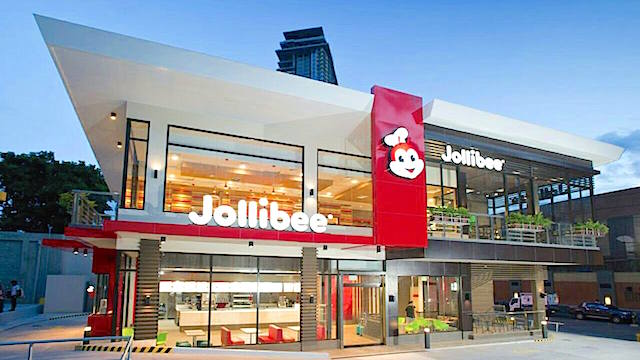
    Jollibee Singapore has opened its 20th location in Singapore – and its first in the city to feature a drive-thru service – at Caltex Jurong Spring station.

    “This milestone coincides with our 10th anniversary in Singapore, during which time we have expanded from a single outlet in Lucky Plaza to 20 stores across the country, growing our consumer base from serving primarily Filipinos, to now serving the mainstream Singaporean market who comprise the predominant majority of our customers today,” said Dennis Flores, president of Jollibee Europe, Middle East, Asia and Australia.

    The launch of Singapore’s first drive-thru restaurant follows the recent opening of a Jollibee store in neighbouring Malaysia, its 10th in the country, located at the Kuala Lumpur International Airport.

    Jollibee launched 38 locations internationally in the first half of 2023, with 23 of them located outside of the Philippines.

    Last month, Jollibee Foods Corporation (JFC) completed the acquisition of a 60 per cent stake in Jollibee Hong Kong’s master franchisee Meko Holdings Limited, which is valued at US$16.08 million.

  • Jollibee Group brings two Singaporean chains to the Philippines

    Jollibee Group brings two Singaporean chains to the Philippines

    Jollibee Foods Corporation (JFC) has formed a joint venture company with Singapore-based Food Collective Pte. Ltd. (FCPL) to launch Common Man Coffee Roasters and Tiong Bahru Bakery in the Philippines.

    The joint venture company will franchise the café chains in the country, with JFC owning 60% of the business and FCPL the remaining 40%. JFC will also take the lead in the management and operations of the joint venture, with both companies committing up to P250m ($4.5m) in the partnership

    Founded in 2013, café concept and coffee roaster Common Man Coffee Roasters currently operates five outlets in Singapore alongside a single site in Malaysia.
    JFC expects to open at least one Common Man Coffee Roasters in the Philippines this year. However, the joint venture remains subject to regulatory approval.

    Tiong Bahru Bakery currently operates 16 cafés across Singapore.

    “We are excited to enter this joint venture with FCPL to own and operate the Tiong Bahru Bakery and Common Man Coffee Roasters in the Philippines. These brands will be a strong addition to JFC’s foreign franchised brands and will allow JFC to capture an even greater opportunity and strengthen JFC’s position for further growth in the Philippine market,” said Ernesto Tanmantiong, CEO, JFC.

    Based in Singapore, FCPL is a majority-owned subsidiary of Titan Lifestyle Holdings Pte. Ltd., a division of Titan Dining LP, in which JFC has a 90% participating interest. Common Man Coffee Roasters and Tiong Bahru Bakery are its primary brands.

    JFC operates more than 6,500 outlets globally across its 16-strong food and beverage portfolio, which includes its eponymous fast-food restaurant chain Jollibee and coffee chains Highlands Coffee and The Coffee Bean & Tea Leaf.

  • Philippines’ Jollibee in talks to sell a stake in Vietnam’s Highlands Coffee

    Philippines’ Jollibee in talks to sell a stake in Vietnam’s Highlands Coffee

    Jollibee Foods Corp, the biggest fast-food operator in the Philippines, is in advanced discussions to sell a minority stake in its Vietnamese coffee chain Highlands Coffee, two sources with knowledge of the matter told Reuters.

    Jollibee, controlled by Philippine billionaire Tony Tan Caktiong, is considering a sale that could value the fast growing coffee chain at roughly $800 million, one of the sources said, declining to be named as the information is confidential.

    The group is looking to sell 10% to 15% of its stake in Highlands Coffee to an investor, the source added, declining to name the party.

    Jollibee declined to comment. Highlands Coffee did not respond to requests seeking comment on Tuesday.

    Jollibee initially bought a small stake in Highlands Coffee a decade ago and then took a controlling interest. Highlands Coffee, which was established in 1999, began as a coffee products packager in Hanoi and has since grown to become a chain with more than 500 stores in Vietnam and the Philippines.

    The sources said the stake sale, if successful, could eventually pave the way for an IPO of Highlands Coffee, a move that Jollibee has been considering since many years.

    Vietnam, with a population of 99 million, is Asia’s fastest growing economy with gross domestic product seen expanding 8% this year and 6.5% next year, the government said last month.

    A boom in coffee drinking has spawned big domestic brands in Southeast Asia. Last year, Indonesian coffee chain Kopi Kenangan was valued at more than $1 billion in a funding exercise.

    Jollibee has been rapidly expanding overseas and especially across Southeast Asia, aiming to capture growing consumer spending in the region of some 680 million people.

    Jollibee operates the largest food service network in the Philippines with more than 1,500 stores in 17 countries, including U.S. brand Coffee Bean & Tea Leaf and its own fast-food chain with the ubiquitous smiling bee logo.

  • Jollibee terminates Dunkin’ Donuts franchise business in China

    Jollibee terminates Dunkin’ Donuts franchise business in China

    Filipino foodservice giant Jollibee Foods Corporation will end its operation of Dunkin’ in China after struggling to expand the business.

    The joint venture agreement with the US coffee and donut chain began in January 2015 with Jollibee planning to open more than 1,400 outlets over 20 years across select Chinese regions, including Beijing. However, Jollibee has only opened seven stores in total to date.

    Jollibee’s partner Jasmine Asset Holdings and the US-based Dunkin’ Donuts Franchising organization have terminated the partnership and the seven Beijing stores will now close, which could result in the US chain exiting the market altogether.

    Richard Shin, Jollibee’s Chief Financial Officer, said it was the right decision to ‘reallocate’ the company’s resources. He added that Dunkin’ was not a core Jollibee business in China, stating that the market is more accustomed to tea than coffee.

    The Chinese branded coffee shop market presents an attractive opportunity for international brands, but a sustained period of trading restrictions since the start of the pandemic and a nationwide zero-Covid policy have impeded sales growth for businesses.

    In its third quarter reporting, US coffee chain Starbucks said its Chinese revenues fell 16%.

    However, the Seattle-based company predicts a turnaround in fortunes in its second-largest market, targeting a 50% increase in Chinese outlets to reach 9,000 locations in the country by 2025.

    Jollibee continues to scale its brands across China but will now focus on building its Taiwanese restaurant chain Yonghe King and porridge shop Hong Zhuang Yuan. The two brands currently have 418 and 55 stores respectively.

    Despite ending its association with Dunkin’, Jollibee retains two coffee businesses. The company acquired US-based The Coffee Bean & Tea Leaf for $350m in 2019 and also operates Vietnamese coffee chain Highlands Coffee.

    According to Jollibee’s second quarter results, shared in August 2022, The Coffee Bean & Tea Leaf achieved 16.5% revenue growth in the three months ended 30 June 2022 and operated 1,059 outlets.

    Highlands Coffee, which Jollibee highlighted in 2021 as ‘the fastest growing business in the Jollibee Group’, currently operates 525 stores.

    Jollibee also owns Taiwanese bubble tea brand Milksha, which has 269 outlets.

  • Jollibee plots Tim Ho Wan expansion in China

    Jollibee plots Tim Ho Wan expansion in China

    Philippine fast food chain operator Jollibee Foods on Wednesday said it will inject over $60 million into its dim sum chain, Tim Ho Wan, to expand in mainland China, where strict COVID-19 lockdowns have battered the restaurant industry.

    Jollibee, which aims to join the likes of McDonald’s and Yum Brands as one of the world’s largest quick-service restaurant companies, has seen its business rebound as economies reopen. But recovery in China has hit a snag due to President Xi Jinping’s zero-COVID strategy, which relies on lockdowns and wide-scale testing to fight outbreaks.

    Yet Jollibee remains upbeat about its prospects in China, announcing fresh funding for Titan Dining, the fund that owns the Michelin-starred Tim Ho Wan chain.

    Jollibee owns 90% of Titan Dining and will raise its committed capital in the fund to 315 million Singapore dollars ($217 million) from SG$225 million in November, the company said.

    The fresh capital, Jollibee said, will mainly fund Tim Ho Wan’s store expansion and capital requirements.

    Jollibee Foods aims to open 100 Tim Ho Wan branches in mainland China in the next four years. It currently has 11 stores there, mostly in Shanghai.

    Jollibee Foods had over 6,300 branches worldwide under more than a dozen brands, as of August. The company regards China as one of its three key markets. The others are the U.S. — where it has taken over Los Angeles-based Coffee Bean & Tea Leaf and Denver-based Smashburger — and the Philippines, where the company started out as an ice cream shop before becoming an industry leader that outsells McDonald’s in the country.

    Before investing in Tim Ho Wan in 2018, the company had built other businesses in China, such as Yonghe King, a Taiwanese food-inspired restaurant famous for its freshly prepared soy milk, and Hong Zhuang Yuan, which serves congee and other hot dishes. Yonghe King and Hong Zhuang Yuan have 410 and 54 branches, respectively.

    But the pandemic has hit the restaurant industry hard and a recovery in China has been derailed by the government’s continued reliance on strict lockdowns.

    In its latest quarterly report ended June, Jollibee reported record systemwide (franchised and company-owned stores) sales of 73.1 billion Philippine pesos ($1.24 billion), up 44.8% on the year. But while most of its business units expanded during the quarter, China sales fell 28% “due to COVID-related restrictions” that forced the company to temporarily shut some stores.

    Even before the pandemic, China has not always been an easy market for Jollibee, which was founded by company Chairman Tony Tan Caktiong, who was born to emigrant parents from Fujian province.

    In 2017, the company closed over a dozen hot pot outlets after selling its stake in a beef noodle chain as part of a restructuring the previous year. In 2015, the company announced plans to open more than 1,400 Dunkin’ Donuts shops in China over 20 years under a franchise deal, but it had only opened seven outlets as of June.
  • Jollibee Foods struggles to make profits in Vietnam with 4 brands

    Jollibee Foods struggles to make profits in Vietnam with 4 brands

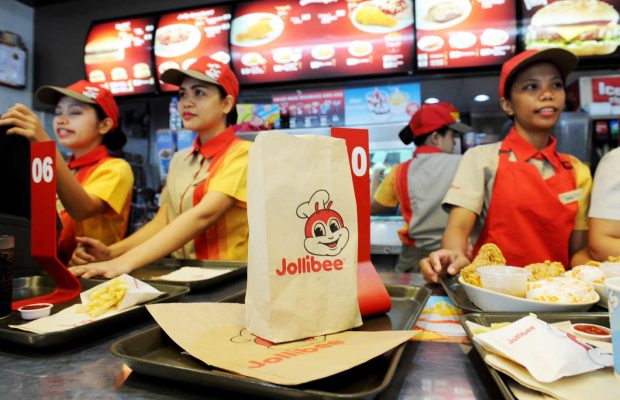
    All four brands that Jollibee Foods Corp of the Philippines operates in Vietnam, including coffee chain Highlands Coffee, posted losses last year.

    The corporation, founded by Filipino billionaire Tony Tan Caktiong, established its first company in the country, Jollibee Vietnam, in 2005, as a fast food operator.

    Since then it has branched into other food and beverage brands: Pho 24, Highlands Coffee and Coffee Bean & Tea Leaf Vietnam. But Highlands Coffee is its only profitable brand (except for last year), while all three other chains have been making losses for years

    Jolibee Vietnam planned to have 300 outlets in the country by 2020, but it only has 150 as of now, lower than its competitors KFC and Lotteria.

    It posted a loss of VND43.9 billion (1.83 million) last year.

    Pho 24, which sells the traditional Vietnamese rice noodles soup, is also struggling to make profits nearly 20 years after it was established.

    At one point, it had targeted 1,000 outlets, but only has 22 now, mostly in Ho Chi Minh City. It also has outlets in South Korea, Indonesia and the Philippines.

    It posted a loss of VND89.4 billion last year.

    The Coffee Bean & Tea Leaf is in an even worse situation with just six outlets in HCMC after 14 years in Vietnam. Its prices are 1.5-2 times higher than that of Highlands Coffee and its outlets are mostly located in large malls.

    It has been reporting an annual loss of VND26-29 billion in the last four years.

    Highlands Coffee, meanwhile, has reported profits for seven of the last eight years.

    The chain topped the VND1 trillion revenue mark in 2017 and doubled it in two years to cross VND2 trillion.

    Except for last year when it posted a VND19 billion loss due to Covid-19, Highlands Coffee had posted annual profits of VND55-100 billion in the previous four years.

    The chain now has 525 outlets in Vietnam and the Philippines.

  • Jollibee takes stake in Milkshop

    Jollibee takes stake in Milkshop

    Jollibee Foods Corp has acquired a majority stake of Milkshop International, operator of Taiwanese milk tea chain Milksha, through its subsidiary Jollibee Worldwide.

    The acquisition deal, equivalent to 51 per cent ownership, is valued at approximately US$12.8 million. Meanwhile, one of the co-founders of Milkshop will retain the remaining 49 per cent.

    “This gives JFC the opportunity to participate in this fast-growing beverage category and together with Milkshop’s Founder, grow the Milksha brand globally,” the Philippine multinational company said in a disclosure statement.

    Founded in 2008, Milkshop International is primarily involved in the development, operations and franchising of specialty tea shops under the trade names Milkshop and Milksha (for international markets). Currently, the company operates more than 250 outlets, with 231 stores in Taiwan, four in Hong Kong, two in Melbourne, two in Vancouver and 12 in Singapore.

    Despite the pandemic, the chain generated $47.7 million in system wide sales, higher than the year before when the sales amounted to $66.5 million.

    “Milkshop is generating modest net income and positive earnings before interest, taxes and depreciation,” the company said.

    JFC and its subsidiaries, Fresh N’ Famous Foods and Mang Inasal Philippines, now have the exclusive rights, through a licensing agreement with Milkshop, to sell and market products under the Milksha brand in their stores. Jollibee said Milksha products will be sold in Chowking stores soon.

  • Jollibee takes full control of Tim Ho Wan business

    Jollibee takes full control of Tim Ho Wan business

    Jollibee Foods Corp (JFC) is to buy out its minority joint-venture partners in the private-equity firm that owns the Tim Ho Wan business, giving the Philippine company full control.

    Jollibee Worldwide, which already owns 85 per cent of Titan Dining, will pay US$52.7 million for the remaining stake in the business which owns the brand and the company-owned stores.

    JFC and Titan Dining established a joint venture in September last year to open a Tim Ho Wan restaurant in Shanghai and now plans to expand the network to 100 stores within four years.

    “JFC aims to build as an important part of its portfolio a significant business serving Chinese cuisine in different parts of the world,” the company said in a statement.

    Tim Ho Wan was founded by Mak Kwai Pui – previously of three Michelin starred Lung King Heen restaurant at Hong Kong’s Four Seasons Hotel – and partner Leung Fai Keung. The two chefs opened their first 20-seater top dim sum eatery in Mongkok in 2009.

    Under private-equity ownership – and latterly JFC’s control – the chain has expanded to 53 restaurants across Asia.

  • Jollibee plans to open Tim Ho Wan outlets in China

    Jollibee plans to open Tim Ho Wan outlets in China

    The Jollibee Group opened their third Michelin-starred Tim Ho Wan branch in China on Sunday, July 11, in Shanghai’s Changning District, located at Nanfeng City Shopping Mall. The new store is located a few minutes away from the Shanghai Hongqiao International Airport.

    Customers can expect the usual mainstays of the famous Hong Kong dimsum restaurant – their famous baked BBQ pork buns, rice rolls, pan-fried radish cake, noodles, and more. The branch, which can accommodate up to 126 customers, boasts two floors and an al fresco dining area.

    The Jollibee Group plans to further expand within mainland China in the next four years with a target of 100 Tim Ho Wan branches. By September 2021, three more stores will be opening in Shanghai’s Hongkou, Jing’an, and Minhang Districts.

    The first Tim Ho Wan branch in mainland China was launched in September 2020 at Shanghia’s Jing’an Kerry Center. Tim Ho Wan’s Hong Kong branch in Sham Shui Po has been awarded a Michelin for 11 consecutive years.

    The Jollibee Group bought the master franchise holder of Tim Ho Wan in the Asia Pacific in 2018, entering into a joint venture agreement with the Tim Ho Wan Group to open restaurants in mainland China.

  • Jollibee increases stake in Tim Ho Wan

    Jollibee increases stake in Tim Ho Wan

    Despite uncertainties in the food industry due to the coronavirus pandemic, Jollibee Foods Corporation is increasing its stake in the ultimate holding entity of popular restaurant chain Tim Ho Wan.

    Through its subsidiary Jollibee Worldwide, it increased its stake in the Michelin-starred restaurant to 85% from 60% by purchasing the 25% interest of Aragon Investments in Titan Dining, the private equity fund and ultimate holding entity of Tim Ho Wan.

    The transaction worth SGD36.3 million to be paid in cash is expected to be completed on October 30.

    In May 2018, Jollibee invested SGD45 million in Titan Dining, representing a 45% stake. The deal gave Jollibee an opportunity to acquire a “substantial ownership” in the dim sum restaurant chain’s master franchisee in the Asia Pacific in 7 years.

    When the deal was made, Tim Ho Wan and its affiliate Dim Sum Pte Ltd, which owns and operates Tim Ho Wan stores in Singapore, also had franchisees in Cambodia, Indonesia, Japan, Macau, Taiwan, Thailand, Vietnam, Australia, and the Philippines.

    In October 2019, Jollibee increased its investment to SGD120 million, representing a 60% stake.

    Jollibee then opened the first Tim Ho Wan restaurant in China in September 2020.

    Jollibee currently has 3,247 restaurants in the Philippines and 2,566 stores overseas.

  • Jollibee Foods vows to make the most of Covid-19 virus opportunities

    Jollibee Foods vows to make the most of Covid-19 virus opportunities

    Filipino restaurant operator Jollibee Foods is set to open 171 stores globally and renovate 96 outlets this year, aiming to capture prime locations made available in a weak economic climate brought on by the coronavirus pandemic.

    While that number of planned new stores is less than it predicted prior to the advent of Covid-19, the company still sees an opportunity to expand despite an extremely challenging start to the year globally.

    The firm will also spend US$137.9 million on a restructuring of its international business, which will include attention to non-performing stores, store network, supply chain facilities, and management and support group structure.

    Jollibee Foods will devote some resources to the establishment of new delivery and take-out services – including unmarked delivery outlets without dine-in facilities – in anticipation of a slow return to business-as-usual following the resolution of the pandemic.

    “2020 is an extremely challenging year for JFC as for most other businesses, but out of this transformation, we aim to emerge in 2021 as an even stronger business and organization,” said Jollibee chairman Tony Tan Caktiong.

    CFO Ysmael Baysa said the company expects its profit for 2020 will “not be good at all due to the overall economic environment. But like Caktiong, he put a positive spin on the crisis: “We are taking this opportunity to implement truly major changes in 2020 so that JFC will start 2021 in a much stronger position in terms of business model, operating efficiency, profitability and organization strength.

    “We will then resume strong and consistent profitable growth for the years ahead.”

    In January, Jollibee Foods reported a 14.4-per-cent drop in earnings after operating income fell by 25.1 percent.

    However a strong fourth quarter prevented a worse annual result, with operating income up 11.6 percent on a 23.2-per-cent boost on systemwide sales.

    “Practically all brands in the Philippines improved their same-store sales growth quarter on quarter, led by Jollibee, Red Ribbon, Greenwich and Burger King,” said a spokesperson then.

    Besides regional expansion across Vietnam, China and other Asian markets, the company is trying to restructure the troubled Coffee Bean business it bought last year and Smashburger, a year earlier. It is also looking to expand the Tim Ho Wan business in China and wants to open new restaurants under various banners in North America.

  • Jollibee Singapore fined for flouting social-distancing rules

    Jollibee Singapore fined for flouting social-distancing rules

    A Jollibee Singapore outlet is among several businesses fined SG$1000 for breaches of the government’s social distancing mandate.

    Official enforcement measures found the franchise’s Woodlands MRT branch had neglected to ensure queueing customers and food delivery workers maintained one-meter spacing between them, despite issuing previous warnings.

    “The infringements included failure to implement a crowd management system and allowing customers and delivery personnel to crowd together without one-meter spacing between one another,” read a statement by the Singapore Tourism Board and Enterprise Singapore. “If these stores continue to flout the rules, they will face higher fines and can be charged in court.”

    In an official apology, Jollibee explained that a staff member on duty had been unable to control the queue due to “a strong surge in delivery orders and a corresponding increase in third-party delivery riders in the store.”

    The one-meter distance requirement, as well as mandatory wearing of face masks, has been in effect since April 12. Members of the Singapore public are encouraged to report infringements by email to Covid_GoBusiness@mti.gov.sg.