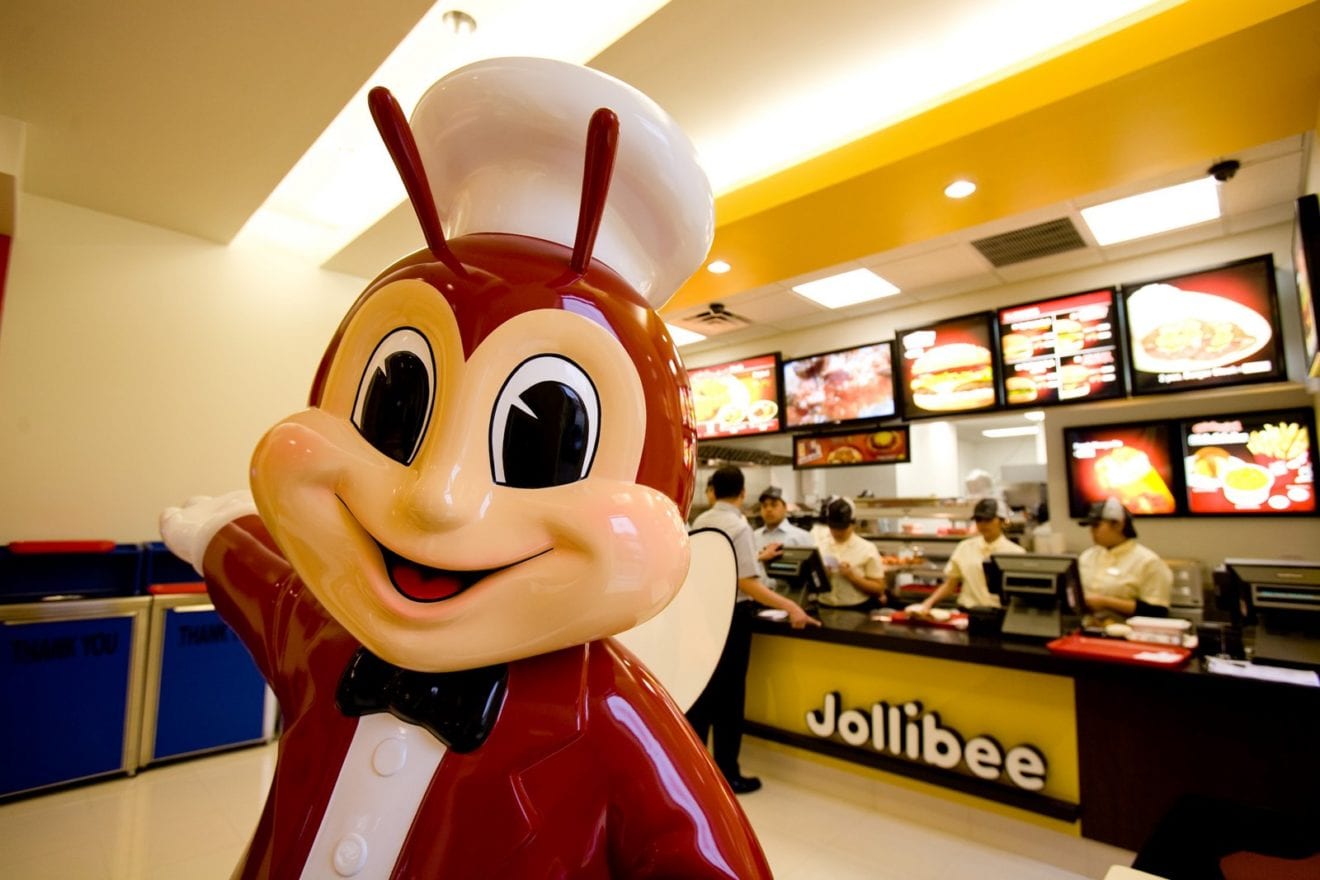
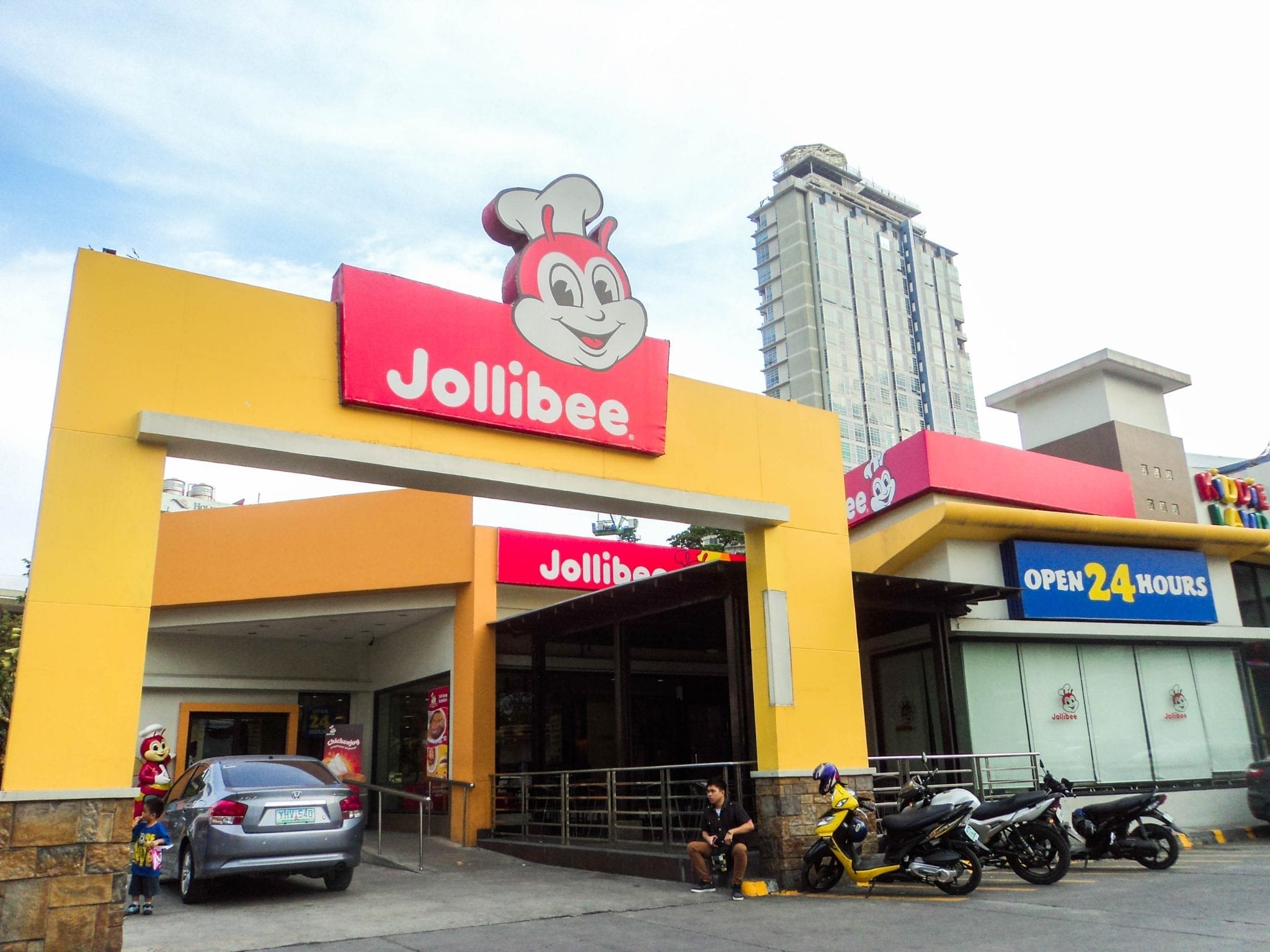
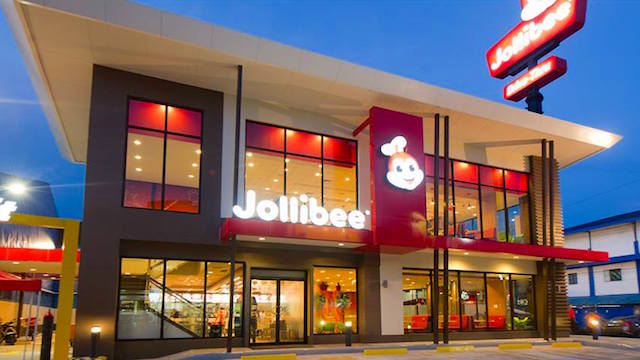
Jollibee US will open its first fast-food restaurant in Florida on March 18, to be followed by more outlets in the city.
A former A&W Restaurants and Kentucky Fried Chicken building covering nearly 3500 sqft (325 sqm) in Jacksonville has been renovated by the Philippines-based chain. It is next to The Potter’s House Soul Food Bistro in Keman Village shopping centre.
Starting as an ice cream parlor in the Philippines in 1975, Jollibee expanded into the US in 1998, opening in Daly City, near San Francisco, to cater to Filipino and Filipino-American families. The Jacksonville metro area also has a Filipino community of about 17,200 people, according to the US Census Bureau.
Jollibee says the Jacksonville move is the forerunner of further expansion in the US, where it already has 35 locations, nearly half of them in California. The group has 1111 stores worldwide.
Philippine-headquartered quick-service restaurant chain Jollibee Foods income jumped 24.6 per cent to 6.14 billion pesos (US$123.26 million) last year, thanks to aggressive store openings.
Jollibee says it opened 340 outlets across nine brands – its biggest expansion in a single year – of which 243 stores were in the Philippines. Including JVs, such as Smashburger in the US and Highlands Coffee in Vietnam, Jollibee opened 468 stores last year.
This pushed system-wide retail sales, derived from franchised and company-owned stores, by 14.1 per cent to 149.14 billion pesos.
Jollibee Foods Philippines CEO Ernesto Tanmantiong says the company is spending 14 billion pesos this year, up from 10.4 billion pesos last year, to open more outlets and expand its commissaries.
Jollibee says its business in China – about half of its overseas interests – has returned to growth, with sales expanding by 6 per cent in the fourth quarter.
Poor sales in China earlier prompted the company to reorganise there. It unloaded its San Pin Wang noodle chain and took over a food-processing company.
Filipino restaurant company and global fast-food chain Jollibee Foods Corporation (JFC) has opened its first Canadian outlet, Jollibee Winnipeg.
With 35 stores already in North America, it plans to continue its march into Canada with three more outlets next year, at Winnipeg Northgate, Scarborough, and Mississauga, to be followed by Edmonton in 2018.
In the US, it is also set to open its first store in the state of Florida, in Jacksonville, and its first store for Manhattan, New York.
“It has been a joy to see the happiness families experience when visiting our locations in the US, and we are thrilled to now bring that same feeling into Canada at such a festive time like this,” says JFC group president for north America and foreign franchise brands Jose Minana.
“Winnipeg is a fitting choice for Jollibee’s first Canadian store because it has largest density of Filipinos to the total population of the city,” says JFC North America VP/GM Maribeth dela Cruz.
JFC is currently the largest Asian restaurant company in market capitalisation, working in 12 markets including Brunei, China, Hong Kong, Singapore and Vietnam. It has 3236 stores globally, of which 1111 are Jollibee branded. Other brands in its portfolio are Burger King, Chowking, Greenwich, Hong Zhuang Yuanm Mang Inasal, Red Ribbon and Yonghe King.
JFC also has investments with the brands 12 Hotpot, Highlands Coffee, Pho 24, Dunkin Donuts in China, and US-based burger chain Smashburger.
“The divestment is part of the company’s intention to concentrate its resources on businesses with greater potential,” Jollibee said in its statement, essentially admitting the business was not performing to expectation.
The company will now focus on “larger businesses in China”.
SPW has grown from 34 stores to 71 under Jollibee ownership, mostly located in Nanning in Guangxi province in China’s south. The Philippine company expects to raise US$13 million from the sale, with installments staggered over two years.
Jollibee Foods Corp’s subsidiary JSF Investment and its partner Viet Thai International plan to list the Highlands Coffee business on the Vietnam stock exchange.
According to the announcement, Super Foods, the company owns 51 per cent of Highlands Coffee brand, will be listed publicly by July, 2019.
The exact stake of the IPO has yet to be disclosed.
Besides Highlands, Superfoods also owns and operates Pho 24 and the Hard Rock Cafe stores in Vietnam.
After being acquired by Jollibee Food Corp in 2012 with a $25 million deal, Super Foods has rapidly expanded its Highlands chain throughout Vietnam up to 130 outlets in July.
Jollibee Foods has reported 13.8 per cent global sales growth in its nine-month net profit as sales soared to P4.39 billion (US$88.2 million).
Most of the Jollibee profit growth came from the domestic market where sales rose 16 per cent year-on-year, with the expanding offshore business returning 6.4 per cent growth.
During the third quarter, net profit rose 6.1 per cent to P1.33 billion.
“Sales of our businesses continued to be strong. We expect to end the year 2016 with the highest system-wide sales growth in five years and the highest organic growth in at least a decade driven by strong same store sales growth and the highest store network expansion,” said Jollibee CEO Ernesto Tanmantiong in an earnings statement.
Jollibee, Asia’s largest food company, grew systemwide sales in the third quarter by 12.4 per cent to P36.32 billion, taking nine-month sales to P107.76 billion or 14.1 per cent higher.
On a global basis, sales from the same-store network grew by 6 per cent year-on-year while new stores contributed a growth of 6.4 per cent.
Tanmantiong said the company was encouraged by improvements in China, which helped its international business return to growth.
“We look forward to continued recovery of our China business in the months ahead with the introduction of new products. Our plans for 2017 and the years ahead call for continued strong same store sales growth and store network expansion in the Philippines and abroad with the aim of surpassing our historical performance,” he said.
JFC opened 201 new stores between January and September – 133 in the Philippines and 68 abroad. That’s a higher number than for the whole of 2015, when 186 opened.
Jollibee’s CFO Ysmael Baysa said gross profit margins on the company’s products improved in the third quarter as raw material prices stabilised.
At the end of September Jollibee had 3221 stores worldwide, 2547 of them in the Philippines. It also has a stake in Highlands Coffee in Vietnam and the Philippines, Pho 24 in Vietnam, Indonesia, Cambodia, Korea and Australia, Hotpot in China Smashburger in the US.
Following a signing ceremony in Japan last month, founder Tony Tan Caktiong of Filipino fast-food franchise Jollibee says the group may open stores in Japan in 2018.
Attending the Jollibee Japan ceremony were the leaders of Jollibee Foods and egg producer Ise Foods, as well as President Rodrigo Roa Duterte.
Caktiong says he plans to open the franchise to cater to Filipinos either living or visiting Japan, as well as introduce the meals to the Japanese community. He has partnered with Ise Foods in Japan to ensure the food meets local expectations.
Included in the Jollibee Japan partnership is the setting up of poultry farms in Manila, with the eggs to be used for the hamburger and breakfast meals Jollibee will be serving.
Jollibee Foods (JFC) has opened the 991st branch of its flagship brand Jollibee in the Philippines, in the Ma-a area of Davao.
It marks the start of its countdown to its 1000th store, to be unveiled in the first quarter of next year. Its expansion is spread around Cebu, Luzon and Metro Manila “so all the regions will be well represented”, says Jollibee corporate PR and events manager Dennis Reyes.
“The 1000th store is symbolic, but we cannot divulge yet the exact location,” he says.
The company opened its first branch in Cubao, Quezon City, and its latest story is the 26th in Davao and 115th in Mindanao.
Reyes says the countdown campaign is part of Jollibee’s way of thanking its patrons, celebrating its continued expansion as well as the contribution to the local economy with an average of 70 jobs created for every new branch.
JFC is investing P10.4 billion (US$214.8 million) for capital expenditure this year, with P7.5 billion set for the opening of 200 outlets as well renovations.
For its latest six months, JFC netted P3.06 billion, or 13.4 per cent more than the same period last year, following a 14.9 per cent increase in system-wide retail sales to P71.45 billion.
At the end of June, the company had 2528 restaurant outlets in the Philippines under the brands Burger King (62), Chowking (457), Greenwich (237), Jollibee (939), Mang Inasal (455) and Red Ribbon (378).
JFC also has a 50 per cent interest in 12 Hotpot, Highlands Coffee and Pho 24 (Vietnam), plus a 40 per cent interest in Smashburger (US).
Outside the Philippines, Jollibee has 80 stores including Vietnam (32) and Hong Kong (1).
With the Philippines’ consumption-driven economic boom showing no signs of abating, modern retail enterprises are sprouting outside the capital. Some are new companies eager to make a mark alongside the country’s established conglomerates.
DoubleDragon Properties is one of the up-and-comers. Back in April 2014, when its valuation was less than $100m, the company listed on the Philippine Stock Exchange. In its first day of trading, the stock shot up by 50 per cent, hitting the bourse’s daily limit. Since then, it has continued to be a strong performer.
The share price on Friday was nearly 30 times the price at flotation. This year, DoubleDragon’s stock has surged 140 per cent, making it the best-performing real estate company in the PSE’s property index. The price has climbed in conjunction with the rise of Rodrigo Duterte, the country’s first president from the southern island of Mindanao who came into power in June. He has promised to boost economic activity in rural areas.
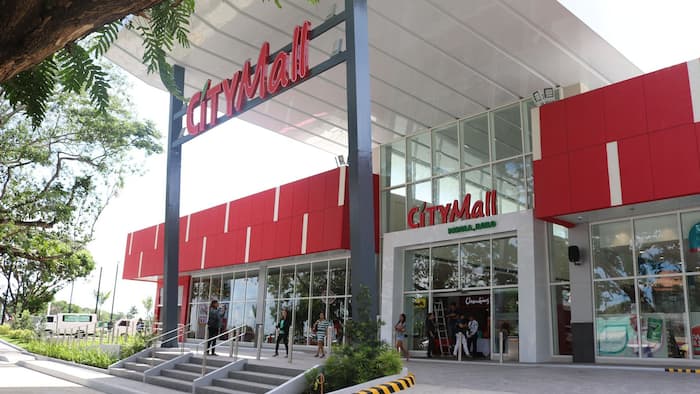
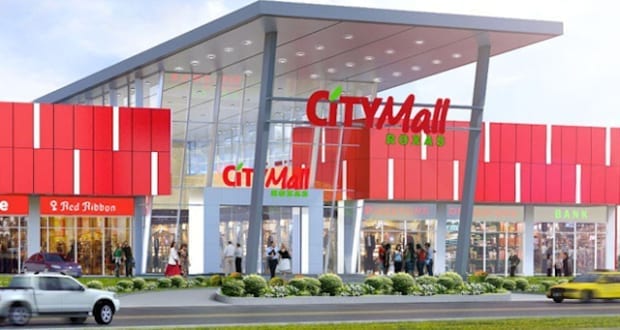
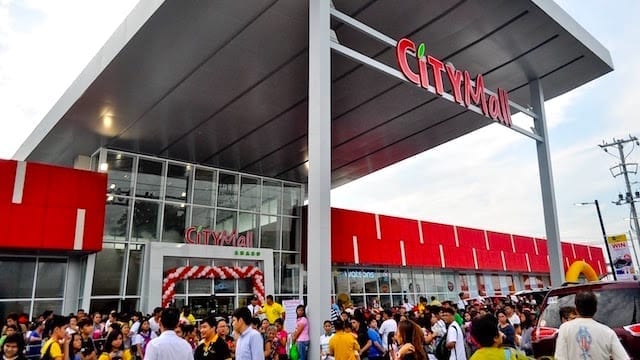
DoubleDragon’s priority is the construction of 100 shopping centers, each measuring 5,000 to 10,000 sq meters, by 2020. As of June, the company had secured 53 sites for these CityMalls, as it calls them, but built only eight.
Yet, even if some of the projects are behind schedule, its market capitalisation of 131.5bn pesos ($2.72bn) has eclipsed that of Robinsons Land — a unit of conglomerateJG Summit Holdings that has built 44 large shopping complexes and dozens of residential and office developments nationwide.
DoubleDragon is led by Edgar “Injap” Sia, a 39-year-old businessman from Visayas in the central Philippines. The self-made entrepreneur is best known locally as the founder of Mang Inasal, a fast-food company that specialises in grilled chicken.
When Mr Sia started his entrepreneurial journey about a decade ago, success was anything but a foregone conclusion. Born to a Chinese-Filipino-Japanese parents that own a grocery store in Roxas City in Visayas central Philippine region, Mr Sia dropped out of college to go into businesses. In 2003, he opened a grilled chicken eatery in the parking lot of a mall in Iloilo City, also in Visayas. Its chicken specialty, paired with unlimited rice, became a phenomenon, shaking up a fast-food market dominated by western-style fried chicken.
In 2005, Mr Sia established Mang Inasal as a franchise operation, creating the nation’s quickest-growing fast-food chain at the time.
An encounter with Tony Tan Caktiong, the founder of Jollibee Foods, the Philippines’ largest fast-food group, proved to be a key turning point. The two men share Chinese ethnicity and were both born in the Year of the Dragon in the Chinese lunar calendar, albeit 24 years apart. The “two dragons” opened a dialogue about the future of Mang Inasal.
Mr Sia’s business was becoming a threat to Jollibee. Mr Tan Caktiong offered to take control. In 2010, Mr Sia agreed to sell Jollibee a 70 per cent stake. This past April, he sold it the remaining 30 per cent. The transactions valued Mang Inasal at 5bn pesos.
From Mr Sia’s perspective, selling to Jollibee made sense on two levels. First, it would put Mang Inasal under the control of an experienced fast-food company that would nurture — rather than kill — his brand. Second, he needed the money to pursue his second dream: building a property and retail empire.
“I really like the [real estate] business, but it needs substantial resources,” Mr Sia said.
In late 2011, after Mr Sia relinquished management of Mang Inasal to Jollibee Foods, Mr Tan Caktiong approached him again. He, too, had been eyeing real estate. Sometime in 2012, the pair mapped out a plan to transform Injap Land, an Iloilo-based developer, into DoubleDragon, a nationwide player.
“We want to become one of the largest property companies in the Philippines,” Mr Sia said.
While clearly ambitious, Mr Sia is also pragmatic. Before the IPO, he accepted an offer from SM Investments — the Philippines’ largest conglomerate, owned by the Sy family — to acquire a 34 per cent stake in City Mall Commercial Centers, the entity that runs CityMalls under DoubleDragon.
This gave Mr Sia two powerful backers: Jollibee, a giant on the Asian fast-food scene; and SM Investments, which owns top Philippine lender BDO Unibank, mall developer SM Prime Holdings and retailer SM Retail.
All sides stand to benefit. Jollibee and SM Group see DoubleDragon and CityMalls as vehicles to tap provincial markets. As the principal shareholders of each company, Jollibee and SM will be priority tenants in the CityMalls.
The malls are “barely in Luzon and mostly in Visayas [and] Mindanao, which are exactly the under-penetrated regions where we think we would like to grow,” SM Group consultant Tim Daniels was quoted as saying in a local media report in 2014.
Mr Sia is avoiding Manila and broader Luzon, where more established players have secured land strategically. Instead, DoubleDragon plans to open 70 per cent of its branches in Visayas and Mindanao. To this end, he is taking advantage of know-how gleaned from the expansion of Mang Inasal. The fast-food chain now has about 450 locations, many in the same outlying areas where Mr Sia intends to build CityMalls.
He sees Mang Inasal as a barometer of local readiness for a modern shopping experience. Like the chicken restaurants, CityMalls will be situated in places with large concentrations of people — near transport terminals and markets, for example.
In October, a CityMall is set to open in the Mindanao city of Cotabato. The city is located west of Davao — the home town of Mr Duterte. Cotabato used to be a hotspot for terrorism and Muslim insurgents. “There are no SM or Robinsons malls there,” Mr Sia said, “but there has been Mang Inasal for eight years.”
Mr Sia is confident he has chosen the right target markets. “We strongly believe in the great potential of Visayas and Mindanao,” he said. “I personally had a very good first-hand business experience … in [the] Visayas and Mindanao areas during the expansion of Mang Inasal.” He added that the chain had “over 150 stores in Visayas and Mindanao in operation for several years.”
In 2015, Metro Manila’s annual economic growth rate of 6.6 per cent topped Luzon’s 5.4 per cent, Visayas’ 5.8 per cent and Mindanao’s 5.3 per cent. However, the Duterte government’s agenda for achieving “inclusive growth” is expected to brighten the prospects for rural regions. The president aims to preside over annual growth in the 7-8 per cent range for the next six years, with provinces making a greater contribution than in the past.
Since the Metro Manila market is maturing, established retail players are also eyeing opportunities in the provinces. Their strategies vary. SM Retail is building its own shops while tapping CityMalls to expand its network. Robinsons Retail Holdings and Puregold Price Club, the second and third-largest players, are in a race to acquire provincial retailers with a couple of branches.
Meanwhile, around 70 per cent of the retail sector remains informal, with myriad mom-and-pop shops. There are also independent provincial shopping centre operators running scattered locations in first-tier cities. Of the 145 cities in the Philippines as of June 30, a third were so-called “first class” municipalities, meaning they have annual revenues exceeding 400m pesos.
When it comes to creating a strategic network of shopping malls in the first-tier cities, Mr Sia hopes to be a step ahead. He envisions CityMalls as one-stop shops for daily errands. He said he did not intend to compete with bigger malls, where customers often spend the whole day on weekends, for dining, shopping and entertainment.
“The transition from the traditional unbranded fast food to modern fast food [was] already done in the Philippine provinces a decade ago,” Mr Sia said. “The transition from traditional retail to modern retail in the provincial areas has just started, and is expected to be completed in the next few years.” Mr Sia hopes to spearhead this new phase of retail industry through the expansion of CityMalls in the provinces
He continued: “That is the market where we are currently positioning CityMall, and once the transition cycle is done, CityMalls are poised to be the biggest beneficiary.”
Still, while the stock market is cheering Mr Sia’s strategy of focusing on Visayas and Mindanao, DoubleDragon does face its share of challenges.
Some analysts argue the company is overvalued, partly because most of its investors are retail investors, who tend to play up stocks. It was only in July last year that DoubleDragon managed to attract long-term institutional investors, and it may need to do more to improve its credibility with bigger funds.
“The price is not warranted at this time,” said Richard Laneda, an analyst at COL Financial in Manila.
The company’s first-half net income rose 16 per cent to 144m pesos, as revenue jumped 15 per cent to 706m pesos. It is targeting net income of 4.8bn pesos by 2020.
DoubleDragon’s price-earnings multiple is 100, higher than those of SM Prime andAyala Land, which are both trading at around 30, noted Luis Limlingan, managing director of Reginal Capital Development.
Mr Sia said analysts should look beyond that metric. “Clearly, our investors are not looking at the ‘now,’ they are looking at the next five, 10 or maybe 15-year horizon.”
Anton Alfonso, an analyst at RCBC Securities, warned that Visayas’ and Mindanao’s under-developed infrastructure could hamper DoubleDragon’s mall network build-up. Convenience store chains looking to expand there have faced similar challenges.
Despite some delays in branch openings, Mr Sia said the company was confident it would meet its targets. “We should be able to announce the next phase of our business in the next few years,” he said, adding that DoubleDragon is open to overseas opportunities as well.
To be sure, DoubleDragon has the Philippines’ consumption-driven growth going for it. Consumption generates two-thirds of the country’s gross domestic product, and projections indicate the economy should keep expanding by an average of over 6 per cent for the next six years on the back of steady remittances from overseas Filipino workers and a growing business process outsourcing industry.
Mr Sia is hardly the only new-generation entrepreneur looking to ride this wave. Steve Benitez, from the central Philippine island of Cebu, hopes to turn his Bo’s Coffee chain into the world’s next Starbucks. It currently has 60 domestic branches. Ben Chan, another self-made entrepreneur, is building an apparel company, Bench, and is taking it into other Southeast Asian countries and China.
Then there are the heirs who are taking the reins of their family businesses. In 2015, Puregold Price Club appointed the son of founder Lucio Co, Ferdinand Vincent, as chief executive. Puregold’s parent company, Cosco Capital, plans to compete with Mr Sia in the community mall segment.
Mr Sia believes the completion of the 100 CityMalls is just the beginning of his new empire — and a rock-solid foundation. “Once we complete that, our presence will be powerful, and the confidence in our company will be higher.”
In Southeast Asia huge family businesses, conglomerates and state-owned companies still dominate the region’s economies. While it remains to be seen whether Mr Sia will accomplish his ambitions, the new-generation entrepreneurs will be key in taking the region to its next stage of growth.
Listed Philippine property developer Double Dragon plans to build a network of 100 neighbourhood style shopping malls across the Philippines by 2020.
The company has already opened eight CityMall centres and secured 53 sites to date. The new centres will range anywhere between 5000 sqm and 10,000 sqm.
Last week DoubleDragon announced it was issuing P15 billion in retail bonds to fund the development of its projects next year.
“The majority of the proceeds will be deployed in our projects within 2017 as by 2018, we expect to already have substantial rental revenues from our provincial community mall chain, CityMalls and our Metro Manila office projects such as Double Dragon Plaza in DD Meridian Park and Jollibee Tower in Ortigas CBD, both of which are expected to be completed within 2018,” Sia said.
Listed back in April 2014, Double Dragon Properties, has increased its stock value 29-fold since then – it’s risen 140 per cent this year alone.
CEO Edgar “Injap” Sia, 39, from Visayas, co-founded Double Dragon with Jollibee founder Tan Caktiong, who bought a controlling interest in Sia’s fast food chain Mang Inasal in 2010, acquiring the 30 per cent balance last April. Each deal was valued at 5 billion pesos.
In 2012, the two businessmen acquired an Iloilo-based property developer, turning it into Double Dragon and setting a course for a nationwide property group. Before the float, Sia accepted an offer from SM Investments to acquire a 34 per cent stake in City Mall Commercial Centers, which runs CityMalls on Double Dragon’s behalf. That gives fast food entity Jollibee a ready entry into regional markets – and SM Investments an interest in retail property outside the main cities in which it dominates with its larger-sized malls. As part of the broader SM group, CityMalls has a large, ready-made pool of potential tenants every time it opens a new facility- across food, hardware, health & beauty, grocery retailing and fashion, among other categories.
About 70 of the 100 malls planned initially will be built in the Visayas and Mindanao. The next scheduled to open – in October – will be at Cotabato in Mindanao, west of Davao and a location where neither Robinsons or SM have yet opened shopping centres.
One of those is at the 116ha Northtown residential complex being developed by Alsons Development and Investment in the northeastern part of Davao.
Sia said the mall, expected to be completed by the end of 2017, will anchor the residential development, serving residents and locals.
“We can clearly see the vision behind Northtown to soon become one of the most vibrant areas in Davao City,” he said.
CityMalls are positioned in the market as one-stop shops for daily purchases – not destinations to spend a day shopping, watching movies and eating with family or friends. Sia does not aim to compete with larger regional malls, the likes of which SM is rolling out across urban areas nationwide.
Sia is also considering opportunities outside the Philippines long-term, as well as more locations at home.
“Once we complete [100 malls], our presence will be powerful, and the confidence in our company will be higher,” he said in a recent interview.
Three Filipino companies made it into Forbes’ list of 50 best-performing listed firms in Asia this year.
Jollibee Foods Corp., Puregold Price Club, Inc. and Robinsons Retail Holdings Inc. were included among “Asia’s Fab 50 Companies,” compiled by Forbes Magazine.
Companies are selected based on their record of revenues, operating earnings and return on capital over the last five years.
“These 50 companies have solid financial track records, coupled with great management and entrepreneurial skill,” Forbes said in its website.
China dominated the list with 21 companies, including frontrunner Alibaba Group Holding Ltd. The e-commerce giant has a market value of $242.5 billion.
With three representatives on the list, the Philippines beat out countries like Australia, Indonesia, Japan, Malaysia, Thailand and Vietnam, with only one company each.
The Philippine firms, however, still had considerably lower market value than their regional counterparts.
Fast food company Jollibee was the largest among the three Philippine companies, with a market value of $5.9 billion. Other than the iconic Jollibee brand, it also owns Chowking, Greenwich, Red Ribbon, Mang Inasal, and Burger King in the country.
Supermarket operator Puregold followed with $2.6 billion. The Lucio Co firm runs the Puregold and S&R Membership Shopping chains.
Lastly, Robinsons Retail notched $2.5 billion. The company handles Robinsons’ supermarkets and department stores, as well as Ministop convenience stores, South Star Drug pharmacies, among others.
Meanwhile, property developer SM Prime Holdings, Inc. was cited as one of “Asia’s Stars in the Making.”
Forbes listed a dozen Asian companies “waiting in the wings” — just narrowly missing out on the Fab 50 for the year. These “rising stars” are considered “potential candidates in the coming years,” Forbes said in its website.
The Sy-led SM Prime operates SM’s portfolio of shopping malls, residential properties, office buildings, and hotels.
Jollibee Hanoi has opened its fifth outlet, taking its Vietnam store count to 81.
“The outlet in To Hieu St in Cau Giay district is a key, strategic location for us to serve customers,” Tran Ngoc Hoai Thuong, PR manager at Jollibee Vietnam, said in an interview.
Earlier, Jollibee Vietnam announced plans to add 20 outlets in the country every year, and that it would seek partners for further expansion through franchising.
Jollibee Foods Corp (JFC), Jollibee’s parent company, has reported that its system-wide sales grew by 15.1 per cent in the second quarter compared to sales for the same period of 2015.
As of June 30, JFC has a 50 per cent interest in joint ventures with Highlands Coffee (Vietnam, Philippines), Pho 24 (Vietnam, Indonesia, Cambodia, Korea and Australia) and 12 Hotpot (China). It also has a 40 per cent interest in Smashburger that has 366 outlets, mostly in the US.
JFC was operating 2528 restaurant outlets in the Philippines and more than 600 abroad, according to its latest financial report.
Jollibee Foods Corp (JFC) has reported that its system-wide sales grew by 15.1 per cent in the second quarter compared to sales for the same period of 2015.
For the first half of the year, sales of the Philippines’ largest foodservice company grew by 14.9 per cent to Php71 billion, while revenues grew 13.7 per cent to Php54 billion, compared with the first half of 2015. In the same period, profits rose by 14.8 per cent to Php3.1 billion from Php2.7 billion.
JFC CEO Ernesto Tanmantiong said the Philippine business, which accounts for at least 80 per cent of the company’s worldwide sales, has been experiencing its strongest organic growth in many years.
Tanmantiong said all brands performed ‘very well’ and he attributes the record growth to continued improvement in product quality and value offering supported by focused marketing campaigns, store expansion and renovation, low inflation rate, healthy growth of the country’s economy and election-related spending.
Sales growth in the Philippines accelerated to 17.9 per cent in the second quarter, with brands growing in double digits.
“Our business abroad had mixed performance. Southeast Asia grew by 37 per cent, led by Singapore with 56 per cent and Vietnam with 49 per cent. The Middle East rose by 17 per cent and the US increased by 11 per cent. China’s sales decreased by 5.7 per cent due to competitive pressure on Yonghe King, our largest brand there,” said Tanmantiong.
“We look forward to a strong recovery of our Yonghe King business in the months ahead with the launch of new products with high value and taste scores supported by strong marketing campaigns and continuously building a significant business in the People’s Republic of China and other parts of the world.”
JFC CFO Ysmael Baysa said: “We look forward to continued strong profit growth while preparing for likely higher inflation rate in 2017 in the Philippines and other parts of the world and improving the profitability of our joint venture businesses.”
JFC has a 50 per cent interest in the following joint ventures with the number of stores indicated: Highlands Coffee (Vietnam, Philippines) 131, Pho 24 (Vietnam, Indonesia, Cambodia, Korea and Australia) 32, 12 Hotpot (China) 20, others 8; and a 40 per cent interest in Smashburger that has 366 outlets, mostly in the US.
As of June 30, JFC was operating 2528 restaurant outlets in the country: Jollibee 939, Chowking 457, Greenwich 237, Red Ribbon 378, Mang Inasal 455 and Burger King 62. Abroad, it had 655 stores: Yonghe King (China) 321, Hong Zhuang Yuan (China) 40, San Pin Wang (China) 59, Dunkin’ Donuts (China) 4, Jollibee 151 (US 33, Vietnam 79, Brunei 14, Saudi Arabia 10, Qatar 2, Kuwait 4, Hong Kong 1, Singapore 4, Bahrain 1 and UAE 3), Red Ribbon in the US 33, Chowking 44 (US 16, UAE 20, Qatar 4, Oman 2, Kuwait 1 and Saudi Arabia 1), Jinja Bar (US) 3.
Philippine fastfood giant Jollibee Foods Corp is keen to expand its footprint in China.
Jollibee China is likely to add 20 to 40 new stores to its 400 outlets, according to Jollbee CEO Ernestro Tanmantiong. He said the company continues to target 5 to 10 per cent growth in stores.
“We are exploring acquisitions. Our focus is on food service,” he said, adding that the company had acquired a commissary to support its business.
Early this year, Jollibee Foods took over a food manufacturing facility that services Yonghe King, a famous non-Western restaurant in China.
Asked about the recent international ruling on the West Philippine Sea and its impact on the business, Tanmantiong said the company thinks the ongoing dispute is unlikely to hurt the company’s operations in China.
“I think the move of the government to employ diplomacy is the best way to settle the differences. It is the best solution,” Tanmantiong said.
“Our vision in the future is to achieve a 50-50 ratio of international versus Philippines. Today, it’s 80 per cent Philippines and 20 per cent international. We hope to achieve a 50-50 ratio but it doesn’t mean we are slowing down in the Philippines,” he said.
Jollibee Food Corp has taken its Chikenjoy and other Filipino favourites to Manhattan.
The third Jollibee store in New York is located in what is dubbed the busiest bus terminal in the world, Port Authority Bus Terminal, Manhattan’s major gateway. It is on 609 Eighth Avenue between West 39th and 40th streets.
Jollibee Manhattan, which has 255 sqm in floor area, takes the total number of stores in the US to 34.
Recently Jollibee hit a milestone when it opened its 1000th global store at The Dubai Mall. It has also opened two stores in Singapore in addition to the first one it set up on Orchard Road. The company now sets its sights on high-expansion growth in the US, Middle East, Europe, Australia and Southeast Asia.