Tag: jordan brand

  • Jordan Brand Unveils Three Air Jordan 11S for Space Jam 30Th Anniversary

    Jordan Brand Unveils Three Air Jordan 11S for Space Jam 30Th Anniversary

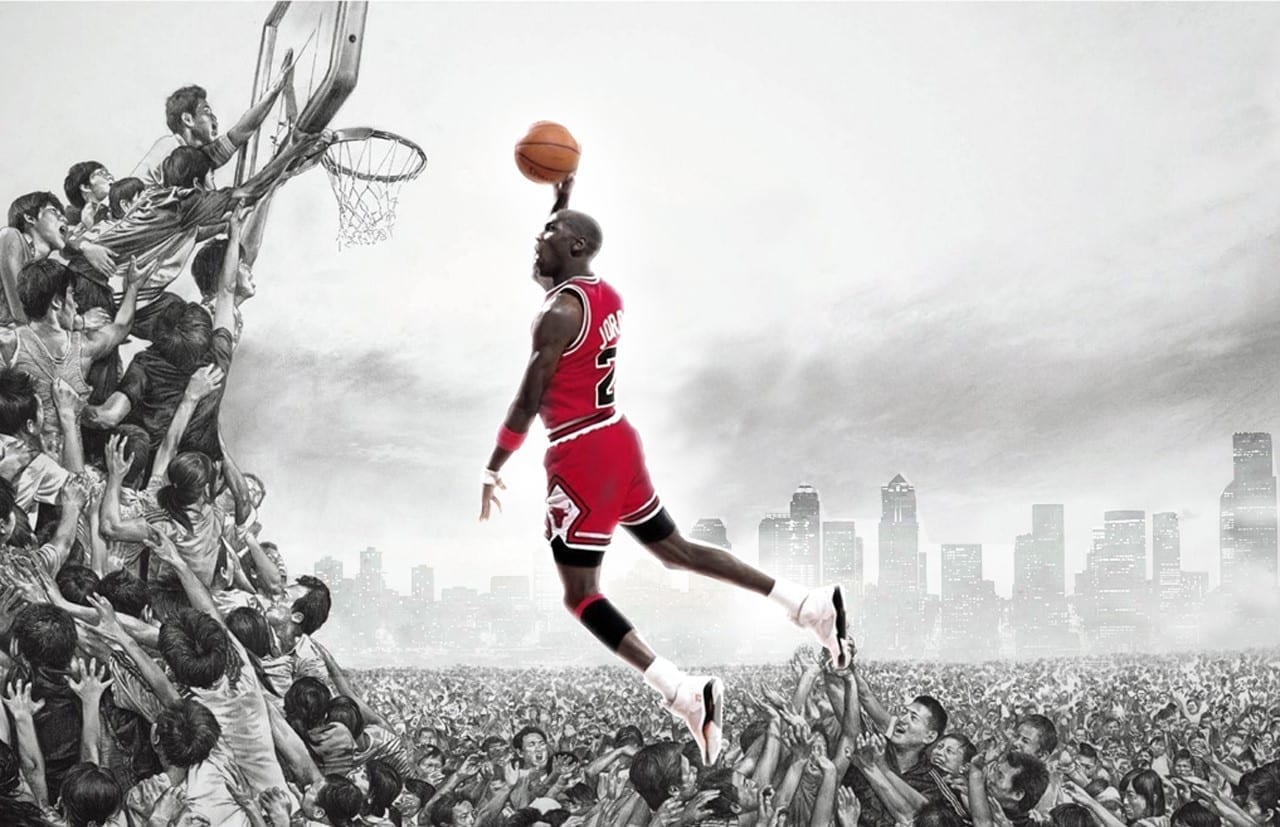
    Jordan Brand will release three separate versions of the Air Jordan 11 starting November 5, 2026, anchoring a wider retail collection to mark the 30th anniversary of Space Jam.

    Adult pairs of the core retro will retail for $235 when they reach global store shelves on December 12, 2026, leading the brand’s crucial year-end release window.

    The collection revives the original 1996 movie partnership between Michael Jordan and Warner Bros. With both historical retros and redesigned footwear iterations. The headline retro recreates the traditional black patent leather cut with mesh uppers, incorporating Varsity Royal blue Jumpman embroidery on the lateral collar and tongue. It also restores the Jumpman Jam tongue script and features stitched number 23 branding on the heel, departing from the screen-printed numbers used in previous commercial runs.

    New builds and technical fabrications

    Two new designs sit alongside the classic silhouette. The Green Screen edition discards traditional patent leather for tonal green nubuck across the mudguard, paired with Tirrenina suede covering the midsole and inner lining. Designers added a translucent green outsole over bright orange pods that reference Bugs Bunny, packaging the model in a custom green box with film iconography.

    A third model, titled Magic Ball, targets female consumers with sizing extending up to a men’s 12.5. The upper uses a four-way color-shifting finish modeled on the glowing basketball from the film, accented by metal Jumpman hardware and specialized box art featuring the antagonist Monstars.

    “Knowing that it’s the 30th anniversary, knowing where the state of the footwear business is right now, we know we have to continue to deliver the best in class around our most coveted product,” Harvey said. “Especially with \[the significance\] of the [Air Jordan 11](https://wwd.com/tag/air-jordan-11/) in the holiday season. We can’t just release the OG and expect that 15-year-old kid to think that’s cool anymore. So we have to step into creative worlds where they are and bridge those generations.”

    Apparel lines and exclusive runs

    Terrance Harvey, Jordan global expert for Streetwear Footwear Product Management Icons, oversaw the line’s conceptual development. Alongside the footwear, the brand produced graphic heavy sportswear led by a varsity jacket decorated with sports card patches and a glossy long-sleeve Lola Bunny jersey. A separate laser-etched patent leather version of the sneaker was restricted to an internal run of 30 pairs for friends and family of Jordan Brand and Warner Bros.

    Internal teams rejected earlier concept work that borrowed Galaxy print materials from the Nike Air Foamposite One line, choosing instead to focus strictly on original movie elements. Initial proposals for 12 character-specific colorways and a design referencing Jordan’s water bottle were similarly shelved during product testing.

    Retail implications across Asian markets

    For multibrand retailers and franchise operators across Tokyo, Seoul, and Shanghai, the Air Jordan 11 remains the most dependable single-day revenue driver of the fourth quarter. Expanding the release from a single retro into a three-shoe package gives retailers more inventory depth, but it also tests whether younger consumers outside North America share the same nostalgia for 1990s cinema tie-ins.

    Jordan Brand faces rising competition across Asian department stores and specialty boutiques from technical running labels and domestic sportswear manufacturers. By layering experimental textiles and unisex sizing onto its most valuable legacy silhouette, the company is attempting to protect its allocation sell-through rates while guarding premium price tiers above the $200 mark.

    Decade-long retro cadence

    The mainline Space Jam shoe last appeared in December 2016 for the movie’s 20th anniversary, which featured Concord purple accents and number 45 stitched on the heel counter. The upcoming release returns to the blue detailing first introduced during the sneaker’s initial public retail launch in 2000.

    Retail rollout begins November 5 with initial apparel and select footwear drops on the Nike digital ecosystem, before the Air Jordan 11 Retro Space Jam arrives at partner retailers worldwide on December 12.
  • Nike Merges Asia Operations and Cuts Outlook as Greater China Revenue Drops 22%

    Nike Merges Asia Operations and Cuts Outlook as Greater China Revenue Drops 22%

    Nike reported a 22 percent revenue decline in Greater China for its first quarter, forcing a regional restructuring that will merge its Asian operations and cut corporate jobs next year.

    Total group revenue fell 4 percent to $11.2 billion in the three months to August 31, weighed down by the steep slide across Chinese retail channels and a 28 percent drop at Converse.

    Chief executive Elliott Hill outlined an operational overhaul called Pace to combine Nike’s geographic footprint into three operating divisions. Under the plan, Asia Pacific and Greater China will merge into a single entity named APGC. The Americas will combine North America and Latin America, while Europe, the Middle East and Africa will continue operating as EMEA.

    The company is also establishing a corporate campus in Bengaluru, India, while reallocating capital toward product design, supply chain flexibility and core athletic categories. The restructuring will involve an unspecified number of layoffs across the business in 2027.

    Consolidation Across Asian Markets

    Folding Greater China into the broader Asia-Pacific division reflects a sharp change in how Nike manages its most lucrative growth engine of the past decade. Greater China previously ran as an autonomous reporting region with dedicated commercial teams in Shanghai.

    Lumping the market with Southeast Asia, Japan, South Korea and Australia reduces administrative overhead, but it also signals that standalone hyper-growth in China is over. Local Chinese sports brands have steadily captured domestic market share across lower-tier cities, leaving Western labels to fight over promotional retail space in tier-one malls.

    For retail landlords and franchise partners across Asia, the reorganization brings tighter product allocations and reduced exposure to lifestyle footwear. Department stores and mono-brand franchise operators in China and Southeast Asia face inventory adjustments as Nike curbs deliveries to clear excess stock.

    Inventory Backlog in Jordan and Lifestyle Lines

    Nike acknowledged that its Jordan brand suffers from severe market oversupply, requiring the company to pull back retro releases and clear wholesale pipelines. That overhang mirrors broader softness in fashion sneakers, where demand for retro basketball silhouettes has cooled sharply across Asian metropolitan centers.

    While North American sales rose 2 percent during the quarter, the rebound was not enough to offset declines in overseas territories. Nike’s core Air Force 1 franchise stabilized after several quarters of intentional volume cuts, but executives cautioned that sports apparel and lifestyle ranges remain under severe pressure.

    To fix the pipeline, Nike is shifting resources away from direct-to-consumer lifestyle channels and redirecting budget into performance running, basketball and training gear. The pivot requires rebuilding wholesale ties with multi-brand sports retailers across Asia who lost access to top-tier allocations during Nike’s direct-selling push.

    Restructuring Follows Repeated Timeline Shifts

    Pace represents Nike’s third corporate restructuring effort since fiscal 2024. Previous initiatives, including the Win Now framework, failed to generate operating use as consumer demand slowed across Asia and Europe.

    The group issued revised guidance warning that full-year revenues will fall in the high-single digits. Management conceded that corrective actions will depress wholesale shipments and retail margins through the remainder of the current fiscal year and into the next.

    Work will now focus on establishing the Bengaluru technical campus and completing regional management appointments across the newly formed APGC unit ahead of the next fiscal reporting cycle.

  • Nike Shares Drop to 12-Year Low as China Slump and Product Overhaul Delay Recovery

    Nike Shares Drop to 12-Year Low as China Slump and Product Overhaul Delay Recovery

    Nike shares dropped 8 per cent to 32.22 dollars on Friday. The drop followed deeper projected sales declines through 2028 and another round of job cuts.

    The stock now trades at its lowest level in 12 years. It is down more than 80 per cent from its 2021 peak of about 175 dollars. Earnings and market value have both halved since chief executive Elliott Hill came out of retirement in October 2024 to lead a corporate turnaround.

    Delayed savings and revenue pressures

    Management disclosed that financial benefits from its current restructuring program will not flow through until fiscal 2029 and 2030. That extended timeline forces the company to absorb lower revenue across wholesale partners and direct-to-consumer storefronts. Working through excess stock remains a hurdle.

    Three core segments continue to drag on performance: classic sportswear, the Jordan brand, and the Greater China business. Together, these categories generate more than half of Nike’s total revenue. Any recovery depends on stabilizing demand in those lines.

    Wholesale friction across Asian retail corridors

    For department store operators and multibrand sneaker retailers across Asia, the slow recovery alters floor plans. Retailers previously relied on high-margin Jordan releases and volume lifestyle sneakers. Many have reallocated shelf space to competitors that offer clearer product roadmaps and faster inventory turns.

    Nike previously cut back wholesale allocations to chase higher digital margins, a decision that damaged long-term relationships with Asian distributors. Hill has worked to restore wholesale supply agreements over the past two years. Still, retail partners are no longer guaranteeing premium display real estate without stronger consumer pull.

    Discounting risks in mainland China

    In mainland China, consumer spending has shifted toward value. That shift forced Nike to clear discounted inventory across digital platforms and factory outlets. Heavy promotions eroded brand equity in tier-one and tier-two cities, where local sportswear brands and specialized performance labels have gained market share.

    RBC Capital Markets analyst Piral Dadhania noted that revenue pressure is unlikely to ease quickly. “Things are going to get worse before they get better,” Dadhania said.

    The steps that led to the slump

    Strategic pivots made earlier in the decade created the current downturn. At the time, the business prioritized direct-to-consumer sales, reduced tie-ups with wholesale distributors, and leaned on lifestyle iterations of existing footwear franchises rather than new athletic performance models. Hill returned to reverse those missteps. He trimmed headcount by 1,400 staff earlier in 2026 and refocused development on core sports.

    Investors and retail partners now look to Nike’s upcoming investor day on November 16 and 17. Executive leadership must present a multi-year roadmap detailing product delivery schedules and margin targets for the fiscal year ending in May 2028.