Retail News CRM

Tag: journey

  • School Dropout to Billionaire: The Remarkable Journey of Chua Thian Poh, Singapores Sentosa Cove Property Mogul

    School Dropout to Billionaire: The Remarkable Journey of Chua Thian Poh, Singapores Sentosa Cove Property Mogul

    After dropping out of school at 16, Chua Thian Poh embarked on a business venture that would ultimately lead him to become a pioneer in Singapore’s prestigious Sentosa Cove with his company, Ho Bee Land. Today, Sentosa Cove is an exclusive residential district, and Ho Bee Land stands as its largest private developer.

    The Journey to Sentosa Cove

    Back in the early 2000s, Sentosa Cove was nothing more than a reclaimed segment of land with few believing in its potential to become a prime residential enclave. However, Ho Bee Land was the first private developer to take a bold risk on the area. Chua recounts, “At that time, the concept of luxury waterfront living was new to Singapore, but we saw Sentosa Cove’s potential to become a world-class seafront precinct.”

    While this is arguably his most recognised success, the establishment of Ho Bee Land predates Chua’s move to Sentosa Cove. As one of fourteen siblings, Chua left high school early and borrowed S$15,000 (roughly US$11,600) from his mother to start a business manufacturing hooks and spikes for logging companies. He later ventured into commodity trading in Indonesia, generating the capital needed to launch his property business back in Singapore in 1987. With the purchase of an industrial building, Ho Bee Land began developing small and medium-sized projects, eventually going public on the Singapore Exchange in 1999.

    A significant move was made in 2003 when Chua and Ho Bee Land ventured into Sentosa Cove. They built eight buildings in the following years, with buyers from numerous countries quickly purchasing the first five buildings at increasingly high prices. The profits from these projects pushed Ho Bee Land into the spotlight as one of Singapore’s stock market’s standout performers between 2006 and 2010.

    However, by the early 2010s, housing prices in Sentosa Cove began to fall from their 2008 peak in response to Singapore’s property cooling measures. Instead of selling in a weak market, Chua cleverly converted a major project into a rental property. Sales of the project finally began in 2022, with half of the 50 units released being sold on the launch day.

    Expanding A Global Approach

    Over the years, Chua has made several strategic moves that have transformed Ho Bee Land into a leading property developer with presence extending to Australia, China, the UK and Europe. In 1996, Chua shifted his investment focus from Singapore to London, a move which fortuitously shielded Ho Bee Land from the 1997-98 Asian financial crisis.

    Ho Bee Land continued its expansion with The Metropolis, a 23-story twin-tower office development at one-north on the city fringe. This put Ho Bee Land ahead of the curve yet again, attracting a number of multinational tenants and establishing one-north as a flourishing business and research hub.

    In addition, the company has also been expanding its investments in Australia, purchasing a 181-hectare landholding in Queensland for A$318.5 million (around US$220 million) earlier this year. Ho Bee Land also contributes to the community through the Ho Bee Foundation, supporting causes such as education, healthcare, social welfare, and the arts.

    Chua, now ranked among Singapore’s wealthiest individuals with an estimated net worth of US$1.4 billion, has gradually been handing over the reins to his eldest son, Nicholas Chua, who joined Ho Bee Land in 2002 and is now its CEO and executive director.

    Questions & Answers

    What was Chua Thian Poh’s first business venture?
    Chua Thian Poh’s first business venture involved manufacturing hooks and spikes for logging companies, which he started with a loan from his mother.

    How did Ho Bee Land become a standout performer in Singapore’s stock market?
    Ho Bee Land became a standout performer in Singapore’s stock market through the profits it earned from its projects in Sentosa Cove between 2006 and 2010.

    What was Ho Bee Land’s strategy when housing prices in Sentosa Cove began to fall?
    When housing prices in Sentosa Cove began to fall, Ho Bee Land chose not to sell in a weak market. Instead, they converted their major project into a rental property, generating income to cover the cost of holding the development until a more opportune time for sales arrived.


  • End of an Era: Singapores Beloved PaperMarket Set to Close Final Store After 20-Year Journey

    End of an Era: Singapores Beloved PaperMarket Set to Close Final Store After 20-Year Journey

    After two decades of operation, PaperMarket, a Singaporean lifestyle and craft brand, has announced plans to shutter its final physical location. Amid challenging business conditions, the local retailer has decided to refocus its efforts on its digital storefront.

    A Tough Decision for a Small Business

    In a recent statement, PaperMarket shared the tough decision to close its last brick-and-mortar outlet. “We’ve done everything possible to keep running,” the statement reads, “but due to escalating costs, it’s no longer feasible for us to carry on as a modest, locally established brand.”

    Despite the closure of their physical store, PaperMarket assured its customers that online operations will continue. They further clarified that the physical store would remain open till May 31, 2026.

    Established in 2005 by entrepreneur Elaine Ong, PaperMarket is renowned for its craft supplies including stickers, stationery, DIY kits, and scrapbooking materials. It also offers a diverse range of lifestyle products from labels such as Lynk Artisan, Muzik Tiger, and Baggu. Before the impending closure, PaperMarket had outlets in popular locations such as Raffles City and Plaza Singapura malls.

    A Farewell Sale and Emotional Goodbyes

    To mark the closure, PaperMarket has launched a clearance sale with discounts reaching up to 70%, and it is also selling its store fixtures and furniture.

    The announcement of the store closure elicited a surge of emotional responses online. Many social media users expressed their sorrow at the news, reminiscing about their experiences with the brand. One Instagram user commented, “Sad to see spaces like PaperMarket go… they’ve inspired so many people to create and gift with meaning.”

    Questions & Answers

    Why is PaperMarket closing its final physical store?
    PaperMarket has cited financial reasons for its closure, stating that rising costs make it unsustainable for the small, locally established brand to continue its brick-and-mortar operations.

    When is the final day of operation for PaperMarket’s physical store?
    The physical store of PaperMarket is scheduled to close on May 31, 2026.

    What is the future of PaperMarket post the physical store closure?
    After the closure of its physical store, PaperMarket plans to continue its operations online, focusing on its digital storefront.

  • Turbocharging Indonesia’s Digital Journey: GSMA Calls for Heightened Investment in 5G and AI Technologies

    Turbocharging Indonesia’s Digital Journey: GSMA Calls for Heightened Investment in 5G and AI Technologies

    The GSMA has highlighted the need for a more robust, investment-focused strategy to expedite Indonesia’s digital transformation and stimulate innovation, according to its recent findings published in the reports GSMA Digital Nations 2025 and ASEAN Consumer Scam 2025.

    Moving Towards a Digital Future

    The GSMA has proposed a feasible strategy to facilitate the unlocking of private capital and hasten the roll-out of 5G spectrum, fiber backhaul, and AI-optimized data centers. This strategy is underpinned by policy consistency and cooperation across sectors. There is a strong inclination among Indonesian businesses towards digital transformation.

    Indications of such enthusiasm were evident in a recent GSMA Intelligence survey where over 580 firms spanning across ASEAN were surveyed. The results revealed that Indonesian companies intend to dedicate an average of 10% of their revenues to digital transformation between 2025 and 2030, exceeding both the ASEAN (10.4%) and global (9.8%) averages. Two-thirds of the participants prioritized AI in their top three expenditure areas, with over half deeming 5G-powered Internet of Things (IoT) vital for future growth. This underscores Indonesia’s ambition to capitalize on cutting-edge technologies to fortify its competitive edge and security.

    Economic Impact of 5G

    GSMA Intelligence anticipates that the ensuing wave of 5G investments in Indonesia could inject an extra USD 41 billion into the country’s GDP between 2024 and 2030, underlining the transformative economic potential of digital connectivity. Since 2015, mobile operators have pumped nearly USD 29 billion into Indonesia’s network infrastructure and services. Given the right investment conditions, the sector, including operators and ecosystem partners, is projected to inject an additional USD 16 billion from 2024 to 2030, primarily targeting 5G proliferation.

    Julian Gorman, Head of Asia Pacific at the GSMA, expressed his thoughts on the matter, highlighting the unique opportunities presented by Indonesia’s significant scale, entrepreneurial vigor, and youthful, tech-savvy population. The focus now should be on targeted investment in areas such as affordable, dependable spectrum; robust backhaul; and AI-compatible, sustainable data centers, coupled with clear consumer protections.

    Assessing Progress and Challenges

    The GSMA’s Digital Nations report evaluated the advancement of Asia Pacific nations in five key areas: infrastructure, innovation, data governance, security, and people. It provided insights into where investment could yield the highest returns.

    Indonesia ranked midway among the 21 nations assessed. The report underscored Indonesia’s advantages in terms of its population, digital skills, and cybersecurity, while also pointing out areas in need of enhancement, particularly in innovation and investment. Potential obstacles to progress include delays in mid-band spectrum allocation, inconsistent rural coverage, and limited AI-ready capability. Consumer trust is also a matter of concern.

    Findings from the ASEAN Consumer Scam Report 2025 indicate that Indonesia mirrors the wider ASEAN trend, with 45% of adults admitting to having been scammed at some point, and 68% of victims losing money. In Indonesia, scam contacts are predominantly mobile-oriented, with over-the-top (OTT) messaging (50%) and voice calls (44%), both exceeding the ASEAN average.

    Preventing Fraud and Enhancing Security

    On a brighter note, 81% of Indonesians endorse operators sharing minimal, purpose-specific network signals such as SIM-change and number-verification during high-risk instances to prevent fraud, thus setting the stage for a broader application of GSMA Open Gateway anti-fraud APIs. Indonesia’s three primary mobile operators, Telkomsel, Indosat, and XL Axiata, have teamed up to shield customers from scams and other cybersecurity threats by collectively adopting Open Gateway APIs, such as SIM swap, number verification, and device location, to secure payments and logins.

    Questions & Answers

    What approach does the GSMA recommend to accelerate Indonesia’s digital transformation?
    The GSMA suggests a more robust, investment-focused strategy to expedite Indonesia’s digital transformation. This includes unlocking private capital and hastening the roll-out of 5G spectrum, fiber backhaul, and AI-optimized data centers.

    What potential economic impact could the next wave of 5G investment have on Indonesia?
    GSMA Intelligence anticipates that the ensuing wave of 5G investments in Indonesia could inject an additional USD 41 billion into the country’s GDP between 2024 and 2030.

    How are Indonesia’s major mobile operators responding to cybersecurity threats?
    Indonesia’s three major mobile operators, Telkomsel, Indosat, and XL Axiata, have formed an alliance to protect customers from scams and other cybersecurity threats by jointly adopting GSMA Open Gateway anti-fraud APIs, such as SIM swap, number verification, and device location, to secure payments and logins.

  • Siri: The Underdog of AI Yet Surprisingly Handy – A Personal Journey

    Siri: The Underdog of AI Yet Surprisingly Handy – A Personal Journey

    I vividly recall the unveiling of the iPhone 4S. Being a high school senior at the time, it felt as if the future had arrived in the persona of Siri – a smart, virtual personal assistant that Apple had persuasively marketed as the dawn of a new era.

    While Siri was a groundbreaking introduction at the time, the first mainstream voice virtual assistant on a significant smartphone, it fell short of perfection. More than a decade has passed since then, with the development of more sophisticated and natural-sounding AI assistants that readily outperform Siri.

    Despite its limitations and the derision it often attracts, I’ve found myself unexpectedly impressed by Siri’s capabilities on several occasions. Here are a few instances where Siri demonstrated its value, despite being considered an underdog in the realm of voice assistants.

    Indispensable Music Companion

    One of my primary uses for Siri, apart from querying about the weather, is to identify currently playing tracks. This comes in handy when I’m driving, dining out, or streaming music from my own phone.

    While on the topic of music, I often command Siri to add songs to my favorites. This feature proves particularly convenient when I’m on a run and shuffling through my “Discover” playlist, as manually doing so can be cumbersome.

    Adjusting Specific Percentages

    Another surprising capability of Siri is its ability to adjust brightness and sound volume to a specific percentage. I’ve found this feature useful in scenarios where I’m unable to manually adjust these settings.

    Handy Utilities

    Despite being considered basic features, Siri’s ability to convert units and currencies, perform simple mathematical calculations, and set reminders has been surprisingly beneficial. I’ve also frequently used Siri as a dictionary and a tool to convert written content into a sort of podcast.

    One of the most useful features is Siri’s ability to remember where I’ve parked my car, especially in unfamiliar locations. Additionally, Siri’s capability to log details like weight and medication in the Apple Health app greatly simplifies the process.

    Future of Siri

    Apple is reported to be preparing one of Siri’s most significant upgrades ever, with a fully re-architected version in the works. This includes testing a chatbot system, Veritas, as the foundation for the revamped assistant.

    The new Siri will reportedly integrate more deeply with Apple Intelligence and include AI-driven “agents”, hinting at the evolution of Siri into a more personalized coach. There are also plans to allow third-party assistants to use the iPhone’s side button in certain regions, suggesting a shift towards a more flexible approach to voice assistants on the iPhone.

    If these upgrades materialize as expected, Siri could transition from being the underdog to a genuinely intelligent assistant in the coming year.

    Questions & Answers

    What are some surprising capabilities of Siri?
    Siri can identify currently playing tracks, add songs to a user’s favorites list, adjust brightness and sound volume to a specific percentage, convert units and currencies, perform mathematical calculations, set reminders, remember where a user has parked their car, and log details in the Apple Health app.

    What are the plans for Siri’s future?
    Apple is reportedly preparing a significant overhaul of Siri, including a fully re-architected version that incorporates a chatbot system, deeper integration with Apple Intelligence, and the introduction of AI-driven “agents”.

    Can Siri integrate with third-party assistants?
    Apple is testing a framework that allows third-party assistants to use the iPhone’s side button in certain regions, suggesting a move towards a more flexible approach to voice assistants on the iPhone.

  • Triumph Bids Farewell to China: Decades-Long Journey of Lingerie Giant Ends

    Triumph Bids Farewell to China: Decades-Long Journey of Lingerie Giant Ends

    The international lingerie brand, Triumph, has announced plans to exit Mainland China, one of the world’s largest retail markets, by the end of this year. This decision marks the end of a long-standing presence in the region, spanning over several decades.

    Gratitude for Loyal Customers

    In a recent statement, Triumph expressed its appreciation towards its Chinese consumers, acknowledging their support over the past three decades. The company expressed gratitude to all customers and members who trusted and supported the Triumph brand over the years.

    They further emphasized how fortunate they have been to grow alongside their customers in China. Ever since their initial venture into the Chinese market, Triumph states that it has been a privilege to work closely with their consumers, witnessing the brand’s growth and transformation in the country.

    Phased Withdrawal Strategy

    The brand has decided to employ a phased approach to its withdrawal, initially focusing on its digital ecosystem. Triumph’s WeChat mini-program, which offers after-sales services, will cease operation as of midnight, December 10.

    Other digital platforms that offer after-sales support, including Taobao, Tmall, Tmall Outlet, JD, Pinduoduo, Douyin, and VIPshop, will end their association with Triumph no later than midnight, December 5.

    Following the digital shutdown, Triumph’s physical presence will also be phased out. All offline locations are slated for closure by December 31.

    The decision was issued by Hainan Youmei Underwear and Yancheng International Women’s Fashion, the entities that manage Triumph’s operations in China.

    Questions & Answers

    When will Triumph’s WeChat mini-program cease operation?
    Triumph’s WeChat mini-program will stop offering after-sales services at midnight on December 10.

    What is Triumph’s strategy for exiting the Chinese market?
    Triumph is employing a phased approach to its withdrawal, first focusing on its digital ecosystem and then moving to its physical locations.

    When are all of Triumph’s offline stores set to close?
    All of Triumph’s physical stores in China are set to close by December 31.

  • Café Amazon Bids Vietnam Goodbye: Thai Coffee Giant Wraps up 5-Year Journey Amidst Competitive Market

    Café Amazon Bids Vietnam Goodbye: Thai Coffee Giant Wraps up 5-Year Journey Amidst Competitive Market

    The Thai coffee shop chain, Café Amazon, ended its operations in Vietnam on November 18. This closure concludes the brand’s five-year tenure in the Vietnamese market.

    The Closure

    Staff at Café Amazon locations commemorated their last day at work by sharing farewell images. The company returned its store leases, and its branches are no longer visible on prevalent food-delivery applications in the region.

    This decision follows Central Plaza Hotel Public Company Limited’s withdrawal from the Vietnamese Café Amazon joint venture in the previous month. The move demonstrates a well-planned shift in the company’s strategy due to Vietnam’s intensely competitive coffee business landscape.

    Future Plans

    Café Amazon has unveiled plans for global expansion, but Vietnam is notably absent from their target markets. The company has yet to provide an official comment on its departure from Vietnam.

    Questions & Answers

    Why did Café Amazon close its stores in Vietnam?
    Café Amazon closed its stores in Vietnam due to the intense competitiveness of the country’s coffee market. The company also underwent a strategic shift following Central Plaza Hotel Public Company Limited’s withdrawal from the Vietnamese Café Amazon joint venture.

    What steps did Café Amazon take after deciding to close its Vietnam operations?
    After deciding to cease its operations in Vietnam, Café Amazon returned its store leases and eliminated its presence from food-delivery applications in the region.

    Is Vietnam included in Café Amazon’s future expansion plans?
    No, Vietnam is not included in Café Amazon’s announced plans for global expansion. The company is yet to release an official statement on this move.

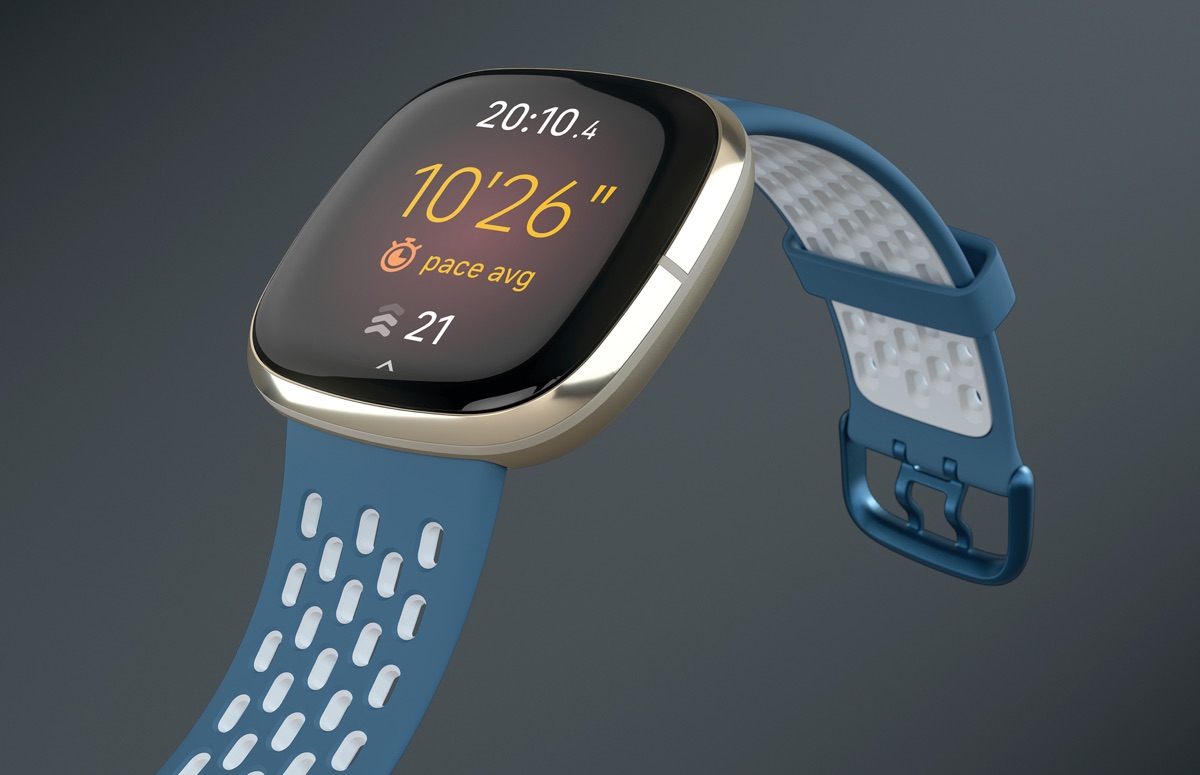
  • Revolutionize Your Fitness Journey with Fitbit’s Innovative AI-Powered Personal Health Coach

    Revolutionize Your Fitness Journey with Fitbit’s Innovative AI-Powered Personal Health Coach

    Fitbit Introduces Public Preview of Gemini-Powered Personal Health Coach

    The wearable device company, Fitbit, is unveiling a public preview of its new, Gemini-powered personalized health coach. This rollout serves as an intriguing introduction to the future of personalized fitness, and it will be available for eligible users to test from this week.

    The Launch of Fitbit’s AI-Powered Personal Coach

    Fitbit’s new artificial intelligence (AI)-powered coach, developed using Google’s Gemini technology, is set to revolutionize health and wellness practices. This AI coach is designed to function as a comprehensive fitness trainer, sleep counselor, and health advisor. Users can interact with the coach to establish goals or seek advice on their health-related queries. Examples of prompts that can be used include “Devise a 30-minute upper body workout I can do in my hotel room” or “Why did I wake up tired today?”. This AI can even assist you in framing questions for your next doctor’s consultation.

    However, it’s important to note that this AI coach is currently in its “preview” stage. It is being developed and modified based on active public feedback to improve its efficacy and user experience.

    Missing Features and Workarounds

    Since the AI coach is in its preview phase, it currently lacks some features that are standard in the traditional Fitbit app. Important elements such as health logging (including menstrual health, nutrition, and water logging), key metrics (the stress management score and cardio fitness score), and social features (friends, groups, leaderboards, and badges) are not included in the preview version.

    Recognizing these limitations, Google has designed a mechanism that allows users to switch between the new preview and the standard Fitbit app experience, providing the opportunity to test the AI coach while still being able to access the complete features of the traditional app.

    The Future of Health and Wellness

    This preview stands as a significant step towards Google’s grand vision of AI-driven health and wellness. The potential of a Gemini-powered coach to analyze user data and yield profound, actionable insights is phenomenal. Google emphasizes that the development of this AI coach is being conducted responsibly, backed by scientific evidence, and ensuring user data security and personalization. Early access for dedicated Premium users will enable them to test these potent features and provide valuable feedback.

    This development indicates the direction health and fitness technology is taking, with competitors such as Apple also rumored to be heading in a similar direction with their Health application. While it cannot replace professional medical advice or personalized gym training, this technology can assist in addressing quick health-related queries.

    The current version may be lacking some core features, but the objective of this preview is to provide a hands-on experience of the future of fitness technology, inviting users to be part of this exciting journey.

    Fitbit Premium users are encouraged to explore this new feature. Its easily toggled nature means users can try it with no downside. The updated experience will be available for Fitbit tracker and Pixel Watch owners, starting from October 28th.

    Questions & Answers

    What is the new Fitbit AI coach?
    The AI coach is a new personalized health guide developed by Fitbit, powered by Google’s Gemini technology. It acts as a fitness trainer, sleep counselor, and wellness advisor.

    What features are missing in the AI coach’s preview version?
    The preview version currently lacks certain features such as health logging (including menstrual health, nutrition, and water logging), key metrics, and social features.

    When will the updated experience be available?
    The updated experience will be available for Fitbit tracker and Pixel Watch owners from October 28th.