Tag: judydoll

  • Judydoll Enters Turkey with Displays Across More Than 300 Gratis Stores

    Judydoll Enters Turkey with Displays Across More Than 300 Gratis Stores

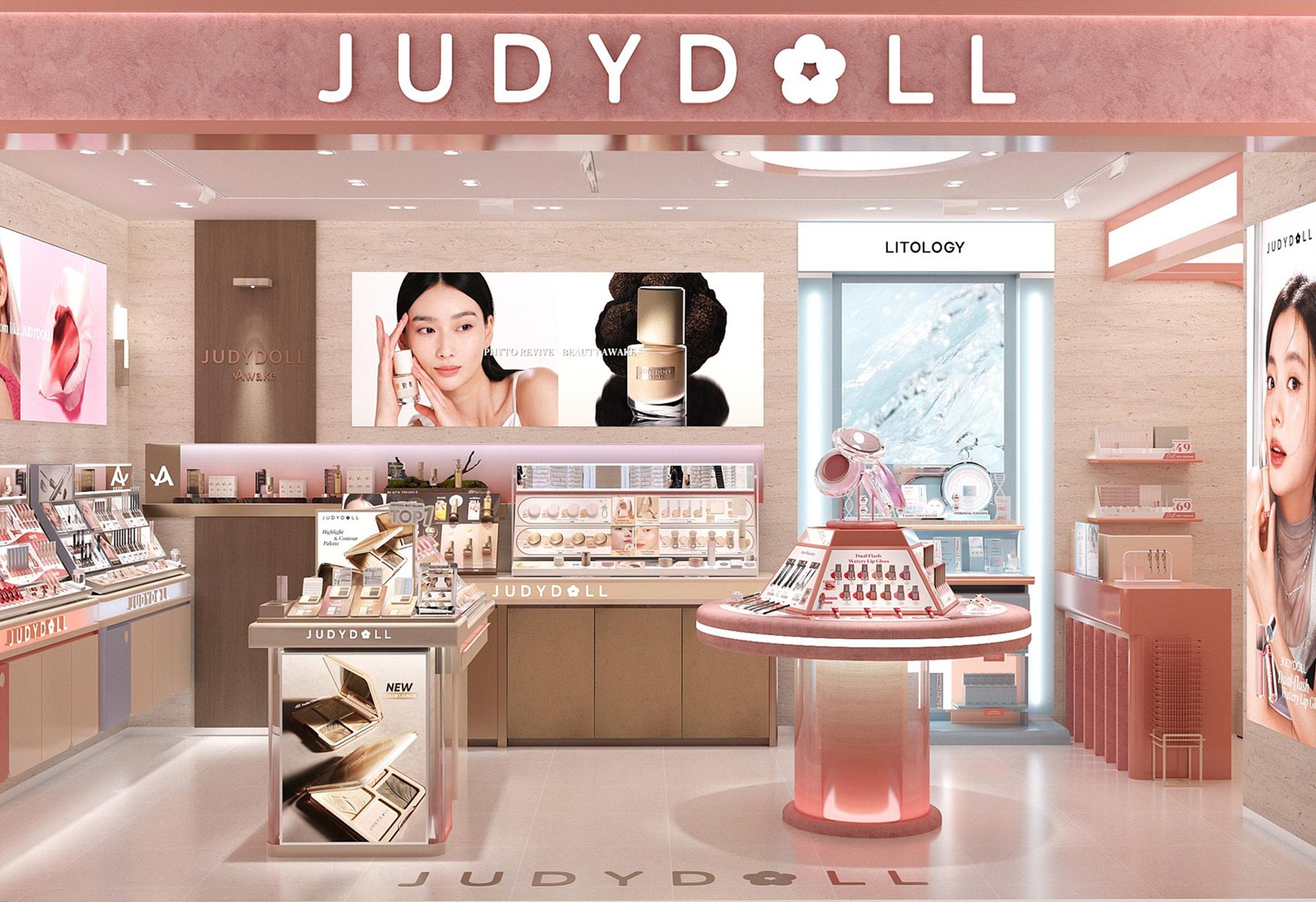
    Chinese cosmetics label Judydoll entered Turkey in October 2026, marking its latest push into Europe and broader international markets.

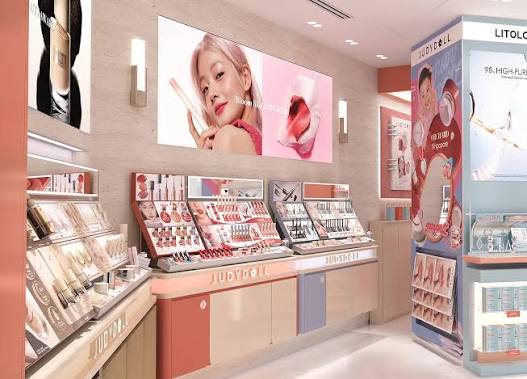
    The company partnered with personal care retailer Gratis to place dedicated branded displays across more than 300 physical stores nationwide.

    Alongside the brick-and-mortar rollout, Judydoll launched online on Turkish e-commerce platform Trendyol, working with Turkish distributor Afili Brands and the GloworKs team.

    Physical Reach through Gratis

    Securing space in more than 300 Gratis branches gives the cosmetics label immediate shelf presence in major retail corridors across Turkey. Physical beauty displays allow consumers to test formulations directly, which remains a key driver for cosmetics adoption in competitive mid-tier price segments.

    Selling through Trendyol covers the digital side. The marketplace dominates local e-commerce volume, letting the brand capture consumer demand outside the core metropolitan store network without heavy direct capital investment.

    The C-Beauty Export Path

    Domestic cosmetics competition in China has pushed domestic brands to look overseas for margin stability and volume growth. While Southeast Asia served as the initial proving ground for Chinese beauty exports, brands are increasingly testing peripheral European and Middle Eastern consumer markets.

    Turkey sits at the crossroads of European and Asian retail networks. Consumer demographics skew young, and demand for affordable colour cosmetics aligns with the pricing and product architecture that mainland Chinese beauty labels perfected through domestic livestream selling.

    Distribution Model and Local Execution

    Relying on Afili Brands and GloworKs keeps operational overhead light. Working with third-party logistics and regional distributors shields manufacturers from managing local import compliance, currency volatility and retail inventory directly on company balance sheets.

    The structural risk sits in retail partner concentration and Turkish lira fluctuations. Distributor-led wholesale agreements offer immediate distribution points, yet long-term margin retention depends on whether the label builds independent brand recognition or stays confined to discounted promotional shelves.

    Tracking Market Penetration

    The Turkish launch serves as a testing ground for wider retail introductions across southern Europe and neighbouring markets. The immediate benchmark to watch is sell-through velocity across the initial more than 300 Gratis branches and whether the distributor adds further stock-keeping units to Trendyol inventory in coming quarters.


  • C-Beauty Brands Accelerate Global Expansion with State Support, as K-Beauty Shifts Focus

    C-Beauty Brands Accelerate Global Expansion with State Support, as K-Beauty Shifts Focus

    Chinese cosmetics companies are significantly accelerating their global expansion, backed by a thriving domestic market and increasing institutional support from Beijing. This surge sees major C-beauty players establishing a strong presence in international markets, shifting the competitive market for beauty brands in Asia and beyond. This aggressive push comes as South Korean beauty brands, or K-beauty, are experiencing a decline in their long-standing dominance within the Chinese market, prompting them to explore new growth regions.

    Chinese Beauty’s Global Offensive

    Proya, China’s largest cosmetics firm, is making a significant move into the US brick-and-mortar retail sector. Following its initial online sales success, Proya is partnering with Ulta Beauty to introduce two of its skincare lines across approximately 400 stores and Ulta’s online platform starting in November. This expansion is part of Proya’s ambitious “Double-Ten” plan, aiming to become one of the world’s top ten cosmetics companies within the next decade. The company has also bolstered its offline network in Southeast Asia, including a major campaign with Guardian in Kuala Lumpur, and acquired a 51% stake in color cosmetics brand Flower Knows, which already operates in markets such as the US, Japan, South Korea, and Southeast Asia.

    Other Chinese brands are also aggressively pursuing international growth. Florasis is using traditional Chinese aesthetics to enter premium markets in Japan and Europe, initially through online channels like Amazon, Shopee, and Lazada, before moving into upscale physical retail. Judydoll built its international customer base via Shopee and TikTok Shop, then accelerated its offline presence, including entry into about 12,000 FamilyMart stores in Japan, becoming the first Chinese color cosmetics brand in that country’s convenience-store channel. Perfect Diary, under Yatsen Holding, quickly became a leading online cosmetics brand across Southeast Asia via Shopee and has expanded its global platform through acquisitions of European brands GalĂ©nic and Eve Lom, with plans for further supply-chain integration and overseas market expansion.

    Domestic Strength and Government Backing

    The robust performance of the Chinese domestic cosmetics market is a key enabler for this international expansion. Chinese companies have developed economies of scale, brand recognition, and product expertise at home, providing a strong foundation for global ventures. Despite a broader economic slowdown, China’s cosmetics retail market showed significant growth, with sales reaching approximately $4.20 billion in July, a 6.8% year-on-year increase. Cumulative sales from January to July rose 6.3% to about $40.16 billion, significantly outpacing overall retail sales growth. This strong momentum has been highlighted by the Ministry of Commerce and the China National Commercial Information Center, classifying cosmetics as a consumption-upgrade product with strong demand.

    The Chinese government is actively supporting the domestic cosmetics industry. The National Medical Products Administration (NMPA) recently issued new regulations aimed at promoting innovation and high-quality development. These changes simplify licensing and registration processes for new products, including exemptions from certain toxicity tests and reduced requirements for submitting product documentation. Companies can now reuse existing test data when shifting production locations and choose their own efficacy assessment methods for certain claims, reducing regulatory hurdles and fostering a more agile environment for product development and market entry.

    K-Beauty’s Strategic Re-evaluation

    As Chinese beauty brands gain momentum, the long-standing influence of K-beauty in China is diminishing. South Korean cosmetics giants like Amorepacific (Sulwhasoo, Laneige, Innisfree) and LG Household & Health Care (The History of Whoo) once thrived on the Korean Wave and demand from Chinese tourists and daigou resellers, with China accounting for 53% of South Korea’s cosmetics exports in 2021. However, boycotts, reduced exposure to Korean pop culture, and the impact of the COVID-19 pandemic on duty-free sales have significantly weakened K-beauty’s position. Chinese domestic brands, bolstered by social media marketing and patriotic consumption, have effectively filled this void.

    This shift has prompted a strategic recalibration for South Korean firms. Amorepacific’s sales in Greater China fell 27% year-on-year in 2024, with its Americas sales surpassing China for the first time. Similarly, LG Household & Health Care’s North American sales surged 47.3% to approximately $147 million in the second quarter, exceeding its China revenue of about $126 million. Both companies are now focusing on profitability in their Chinese operations while diversifying their growth strategies across markets like the United States, Europe, and Japan. RetailNews Asia has observed similar moves by other regional players, as companies seek to de-risk their reliance on single markets and build more resilient global portfolios.

  • Chinese Beauty Brand Judydoll Conquers Europe via Joybuy E-commerce Platform

    Chinese Beauty Brand Judydoll Conquers Europe via Joybuy E-commerce Platform

    Judydoll, a renowned beauty brand from China, has made its grand entrance into the European market. This move was achieved through a successful launch on the e-commerce platform, Joybuy, spanning multiple countries including the UK, Germany, the Netherlands, France, Belgium, and Luxembourg.

    Established Origins and Expanding Presence

    Having its roots in Shanghai, Judydoll was established under the Joy Group in 2017. Recognized for its economically priced color cosmetics, Judydoll has been able to solidify its presence through various online marketplaces such as Tmall and Taobao. Subsequent to this online success, the brand ventured into physical retail, growing its network of stores.

    Presently, Judydoll operates over 100 stores throughout China. Furthermore, it has managed to broaden its international footprint by opening flagship stores in Singapore, along with retail collaborations throughout the Gulf Cooperation Council region.

    European Expansion Supported by Efficient Logistics

    Judydoll’s launch in Europe is backed by Joybuy’s effective logistics network. This collaboration ensures local fulfillment along with the promise of next-day delivery, making it easier for customers to access their products.

    In the company’s words, “Judydoll and Joybuy’s collective effort is aimed at bringing superior beauty products closer to European consumers.”

    Questions & Answers

    When was Judydoll established and by whom?
    Judydoll was established in 2017 by the Joy Group.

    How did Judydoll establish its initial presence?
    Judydoll initially established its presence through online marketplaces such as Tmall and Taobao, and later expanded into physical retail.

    What facilitates Judydoll’s launch in Europe?
    Judydoll’s European launch is facilitated by Joybuy’s logistics network, ensuring local fulfillment and next-day delivery.

  • Chinese Beauty Giant JudyDoll Debuts First Physical Store in Trendy Hong Kong

    Chinese Beauty Giant JudyDoll Debuts First Physical Store in Trendy Hong Kong

    JudyDoll, a popular beauty brand from mainland China, has recently ventured into the physical retail space, having inaugurated its first store in Hong Kong. This move signifies the brand’s ongoing efforts to expand its horizons beyond e-commerce, marking a significant stride in its international growth strategy.

    JudyDoll’s Expansion Strategy

    JudyDoll was established in 2017 by Juyi Cosmetics in Shanghai. It became a part of the Joy Group and quickly made a name for itself due to its youthful aesthetics and budget-friendly product selection. The brand boasts more than 800 stock-keeping units (SKUs) in its product portfolio, spanning across categories such as eye, lip, and face cosmetics. Some of the brand’s top-selling products include the 3D Curling Iron Mascara, Iced Watery Lip Gloss, and the Highlight & Contour Palette.

    JudyDoll’s senior sales and marketing manager in Hong Kong, Clair Chau, highlighted that Hong Kong, with its deep-rooted makeup culture and trendy spirit, is a fitting location for JudyDoll’s first physical venture. Chau expressed confidence in the brand’s potential to appeal to a broader consumer base in Hong Kong’s thriving and reliable retail market, which is highly regarded for its energetic and youthful brand personality.

    InvestHK’s Deputy Head of Consumer and Hospitality, Angelica Leung, expressed hope that JudyDoll will utilize Hong Kong as a springboard for its broader expansion initiatives. Leung anticipates that JudyDoll’s physical store will bring a fresh makeup experience to consumers in the city, complimenting the brand’s already creative online presence, and further solidifying Hong Kong’s position as an international trendsetter.

    Since its inception, JudyDoll has made a significant impact in numerous international markets including Japan, Southeast Asia, Australia, Canada, the Middle East, and North America.

    Questions & Answers

    What is JudyDoll known for in the cosmetics industry?
    JudyDoll is renowned for its youthful aesthetic and affordable range of beauty products, which includes over 800 SKUs spanning eye, lip, and face cosmetics.

    Why did JudyDoll choose Hong Kong for its first physical store?
    Hong Kong was chosen for its vibrant makeup culture and fashionable spirit. The city’s thriving retail market offers JudyDoll the potential to showcase its brand to a broader range of consumers.

    What are JudyDoll’s future expansion plans?
    While specific plans have not been disclosed, it is anticipated that JudyDoll will use Hong Kong as a stepping stone for future international expansion.