
Tag: just

  • Skyrocketing Demand: Docomos Starlink Direct Soars to 5 Million Subscribers in Just Two Months

    Skyrocketing Demand: Docomos Starlink Direct Soars to 5 Million Subscribers in Just Two Months

    NTT DOCOMO, a prominent telecommunications company, has reported a remarkable surge in subscribers for its innovative Docomo Starlink Direct service. The subscription numbers exceeded 5 million just over two months after the service was launched, signaling a robust initial demand for direct-to-device (D2D) connectivity in Japan.

    A New Era in Mobile Connectivity

    The Docomo Starlink Direct service, which was launched on April 27, achieved this impressive milestone within approximately two months. The service facilitates a direct link for compatible smartphones to SpaceX’s Starlink satellites, bypassing the need for terrestrial base stations. It provides comprehensive coverage across Japan, extending up to 12 nautical miles offshore.

    The company attributes this rapid adoption to the growing interest in satellite-enabled mobile connectivity. Among the operator’s 92 million mobile subscribers, a substantial percentage of users with compatible devices have already activated the feature.

    Currently, the company supports 89 smartphone models for the service. Over 25 million compatible devices are already in operation. The Docomo Starlink Direct service contrasts with traditional satellite services, which necessitate specialized hardware. Instead, this service operates intuitively on supported smartphones, eliminating the need for users to register or subscribe separately. Furthermore, the company ensures that satellite data usage is not deducted from customers’ monthly mobile data allowances. Currently, the service is offered at no extra charge.

    The service allows for text messaging, location sharing, and compatible data applications in places where terrestrial mobile networks cannot reach.

    The Future of D2D Satellite Market

    The launch of this service firmly establishes NTT DOCOMO’s foothold in Japan’s burgeoning D2D satellite market. In this space, all major mobile operators are introducing satellite-supported connectivity.

    Operators in Japan view satellite connectivity as a solution to close the remaining mobile coverage gaps in the country’s remote and mountainous regions. This is despite the fact that terrestrial networks already cover over 99% of the country’s population. In addition to extending coverage, these services aim to ensure resilient communication when typical mobile infrastructure is compromised by natural disasters, such as earthquakes and tsunamis.

    Questions & Answers

    What is the Docomo Starlink Direct service?
    The Docomo Starlink Direct is a service offered by NTT DOCOMO that allows compatible smartphones to connect directly to SpaceX’s Starlink satellites, providing coverage across Japan and up to 12 nautical miles offshore.

    How is the service different from traditional satellite services?
    Unlike traditional satellite services which require dedicated hardware, Docomo Starlink Direct operates automatically on supported smartphones, without requiring users to register or subscribe separately.

    What is the purpose of these satellite connectivity services?
    The main purpose of these services is to close the remaining mobile coverage gaps in remote and mountainous regions and provide resilient communications when conventional mobile infrastructure is disrupted by unforeseen circumstances like natural disasters.
  • Apple’s First Foldable Iphone: Predicted Lower Hinge Costs May Impact Retail Price

    Apple’s First Foldable Iphone: Predicted Lower Hinge Costs May Impact Retail Price

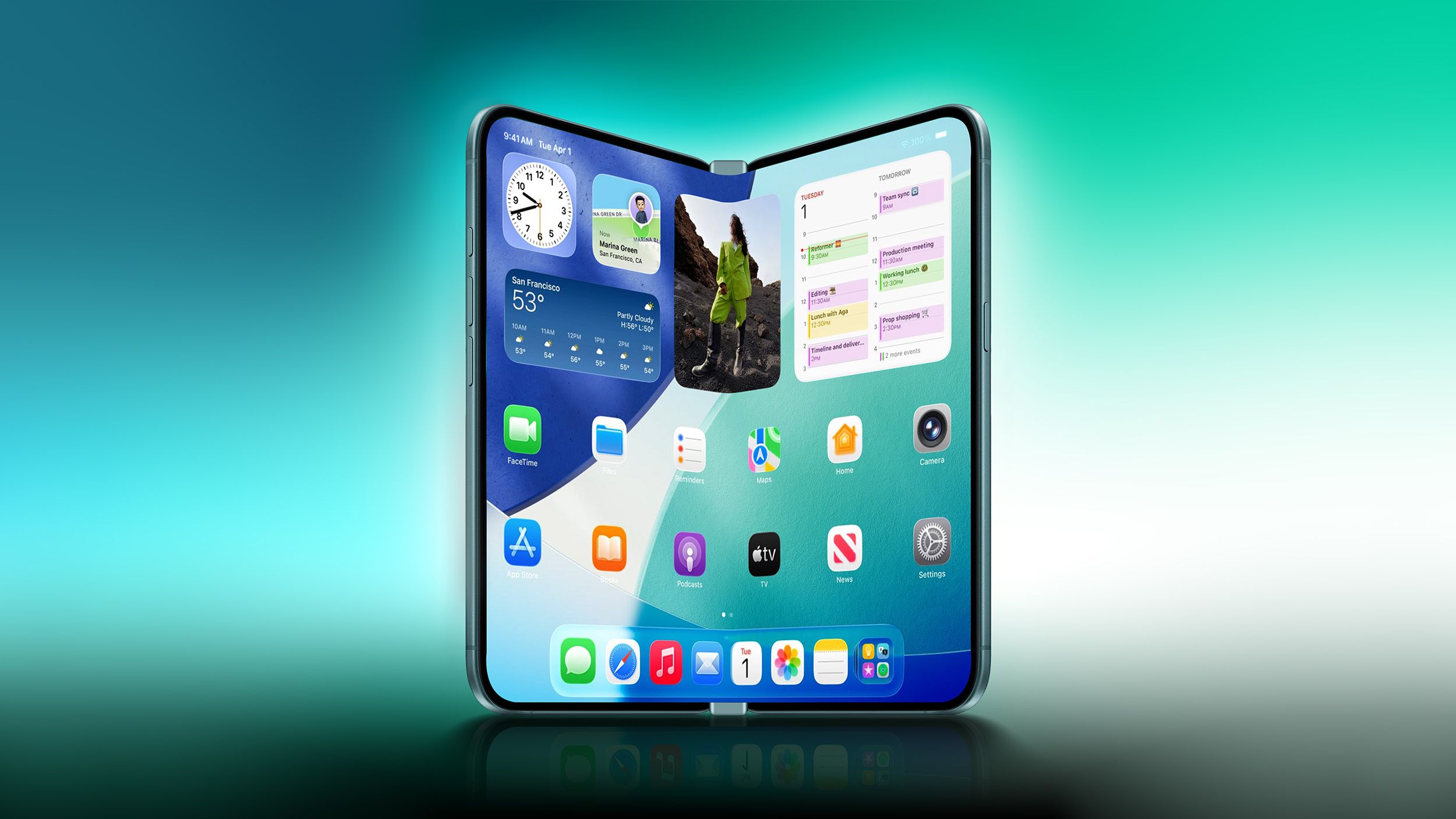
    Apple is reportedly developing its first foldable iPhone, a topic that has been garnering significant interest in recent months. The latest inside information comes from industry analyst Ming-Chi Kuo, who has offered some insight into the potential cost of the phone’s integral component, the hinge.

    Predictions on Hinge Cost for the Foldable iPhone

    Ming-Chi Kuo suggests that the hinge for Apple’s foldable iPhone might be more cost-effective than currently expected, potentially by $20 to $40. The hinge is a crucial component in a foldable phone as it supports the flexible display, enabling it to open and close.

    Creating the ideal hinge for such devices can be challenging, often leading to high production costs. However, Kuo proposes that Apple’s choice of hinge design could reduce these costs significantly.

    Kuo predicts that when the hinge enters mass production, the average cost could be around $70 to $80 per piece. This estimation is considerably lower than the current market expectation of $100 to $120 or even more.

    Partnership for Hinge Production

    It is reported that the task of producing the hinge will be shared between two companies. Foxconn, a long-standing partner in Apple’s supply chain, and Shin Zu Shing are expected to jointly undertake the manufacturing process.

    This partnership is believed to have secured a significant portion of hinge orders from Apple, accounting for around 65% of the total. The remaining orders are anticipated to be fulfilled by Amphenol.

    There are rumors of a potential third manufacturer, Luxshare, joining the production chain. However, this is contingent on the success of the initial foldable iPhone and may not occur until after 2027.

    Expectations for the Foldable iPhone

    Earlier speculations suggested that the foldable iPhone might feature a frame composed of titanium and aluminum, enabling the phone to be both thin and robust. This contradicts Kuo’s previous assertions that stainless steel might be used.

    The launch of the first foldable iPhone is currently projected for late 2026. It remains uncertain whether the potential lower cost of hinge production might lead to a reduction in the retail price of the foldable iPhone. Apple considers various factors when pricing its products, and this approach will likely apply to the new foldable iPhone as well. Current estimates suggest the foldable iPhone could cost around $2,000 to $2,500.

    Questions & Answers

    What is the estimated cost for the hinge of the foldable iPhone?
    The estimated cost of the hinge, when it enters mass production, is around $70 to $80 per piece. This is considerably lower than the current market expectation of $100 to $120 or more.

    Which companies are rumored to produce the hinge for the foldable iPhone?
    Foxconn and Shin Zu Shing are expected to jointly produce the hinge, securing about 65% of the total orders from Apple. The remaining orders are likely to be fulfilled by Amphenol. There is also speculation about a third manufacturer, Luxshare, joining the production later.

    When is the foldable iPhone expected to be launched?
    The launch of the first foldable iPhone is currently projected for late 2026.

  • Google’s Android Auto Enhances Driver Safety With Innovative Call Screening And Notes Features

    Google’s Android Auto Enhances Driver Safety With Innovative Call Screening And Notes Features

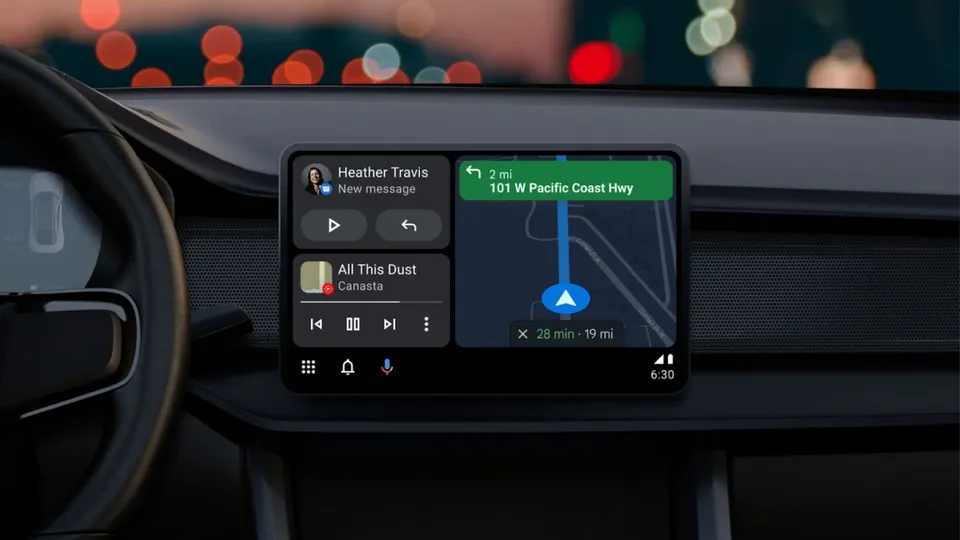
    Google has announced the implementation of new features to Android Auto, designed to augment safety and convenience for drivers. The recent update incorporates Call Screening and Call Notes, enabling drivers to handle calls in a more sophisticated way, without diverting their attention from driving.

    Call Screening in Your Car

    The latest update allows Android Auto to screen incoming calls, particularly from unknown or unsaved numbers, on behalf of the driver. When a call is received, the system prompts the caller to identify themselves and state the purpose of the call. The driver is then relayed the responses, providing them the choice to accept or reject the call without having to answer it manually.

    This innovative feature helps to deter unwanted interruptions while driving, ensuring that drivers only receive pertinent calls. By reducing distractions, it offers a smart safety solution.

    Call Notes: Keep Track of Key Points

    Android Auto plans to support Call Notes later this year. This tool automatically generates a summary of your calls in text format. It proves particularly beneficial for business or crucial conversations that cannot be recorded while driving.

    Call Notes was initially introduced with Google’s Pixel 9 phones. Now, by incorporating it into Android Auto, it aims to enhance productivity on the move.

    Why These Additions Matter

    These two enhancements offer tangible benefits for drivers:

    Reduced Distractions: Drivers no longer need to physically manage each incoming call while driving.

    Better Context: Call Notes enables drivers to capture key points from calls without the necessity of manually taking notes.

    Keeping Up with Competition: Apple’s iPhones already provide call screening within CarPlay. Google is maintaining its competitive edge by integrating this feature into Android Auto.

    Questions & Answers

    What are the new features introduced in Android Auto?
    The new features introduced are Call Screening and Call Notes, aimed at reducing distractions and improving convenience for drivers.

    What is the purpose of the Call Screening feature in Android Auto?
    Call Screening allows Android Auto to screen incoming calls on behalf of the driver. The system prompts the caller to identify themselves and state their reason for calling, giving the driver the option to accept or reject the call without manually answering it.

    What is the function of Call Notes in Android Auto?
    Call Notes is a feature that automatically creates a text summary of your calls. It assists drivers in keeping track of important points from calls without having to manually take notes.