Tag: kansai

  • Aesop brings Japanese-inspired sanctuary to Kansai International Airport

    Aesop brings Japanese-inspired sanctuary to Kansai International Airport

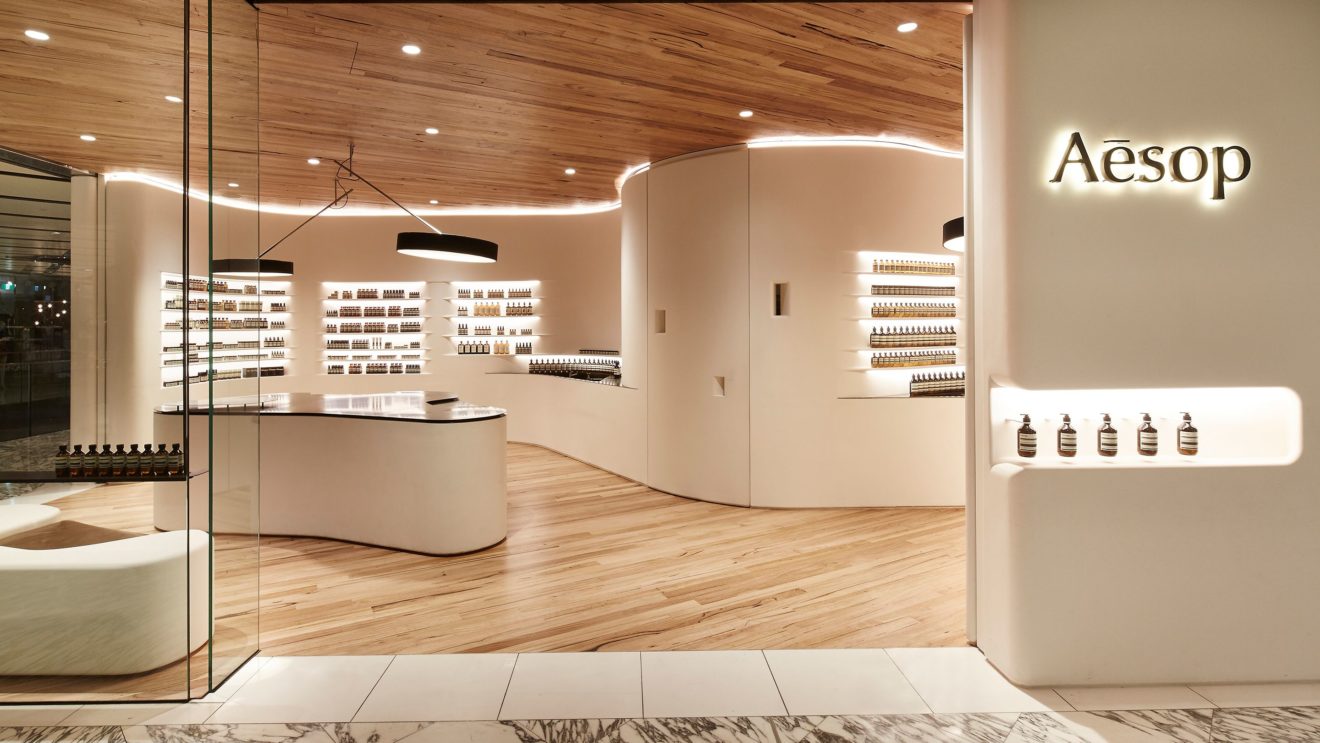
    Aesop, the renowned skincare brand, has recently inaugurated a new outlet at Kansai International Airport (KIX). This launch, a collaborative effort with Lagardère Travel Retail, is seen as a major push to extend Aesop’s presence in the Asia Pacific’s travel retail sector.

    Embracing Traditional Japanese Aesthetics

    Aesop’s new store brings to life the essence of traditional Japanese aesthetics. The store design takes cues from paper walls and the iconic Noguchi lamps, resulting in an inviting, soothing, and softly lit environment. The brand states that the store layout is intended to enhance the dwell time of shoppers, creating a serene oasis for those in transit. This strategy is expected to boost customer engagement and conversion rates.

    A Store Experience Centered on Sensory Exploration

    Aesop’s retail strategy is built around enriching the sensory experiences of its customers. The store features a signature sink where patrons can explore the texture and scent of various Aesop products. Visitors are also greeted with oshibori (Japanese moist hand towels) or tea, setting up a warm and welcoming shopping environment.

    Moreover, the store also offers a hand-picked collection of books and a travel-themed music playlist for customers to enjoy during their journey. To further enhance the shopping experience, customers are gifted a uniquely designed tote bag which includes a Kansai-inspired quote and local tea as a keepsake.

    The Aesop Difference

    Jesus Abia, the Managing Director of L’Oréal Travel Retail Asia Pacific, emphasized that Aesop’s environmental synergy is a unique selling proposition for the brand. He highlighted that the Japanese-inspired design at the Kansai International Airport outlet enhances the travel experience, nurturing the skin, invigorating the senses, and creating harmonious surroundings.

    Questions & Answers

    Where has Aesop opened its new store?
    Aesop has opened its new store at Kansai International Airport (KIX), Japan.

    What is the design strategy of Aesop’s new outlet?
    The design of Aesop’s new store pays homage to traditional Japanese aesthetics, incorporating elements like paper walls and Noguchi lamps to create a tranquil atmosphere.

    What unique offerings does the store provide to its customers?
    Apart from offering an array of skincare products, the store also provides a sensory exploration experience with a signature sink to sample products. Visitors are welcomed with tea or oshibori. There’s also a curated selection of books and travel-themed music. Customers also receive a specially designed tote bag with a local tea as a memento of their visit.
  • Iconic Jewellery Brand Fabergé Sold For $50m: Gemfields Shifts Focus Back To Core Mining Operations

    Iconic Jewellery Brand Fabergé Sold For $50m: Gemfields Shifts Focus Back To Core Mining Operations

    Gemfields, the mining group, has disclosed the sale of its entire ownership in the esteemed jewellery brand Fabergé. The purchaser, U.S.-based SMG Capital, procured the brand for a sum of US$50 million – a cost that many in the industry have described as unusually low for a brand with such a rich history.

    Financial Breakdown

    As of December, Fabergé had net assets amounting to $50.35 million. Nevertheless, the brand had experienced operating and net losses totaling $5.7 million and $11.3 million, respectively. These financial results likely influenced the final sale price.

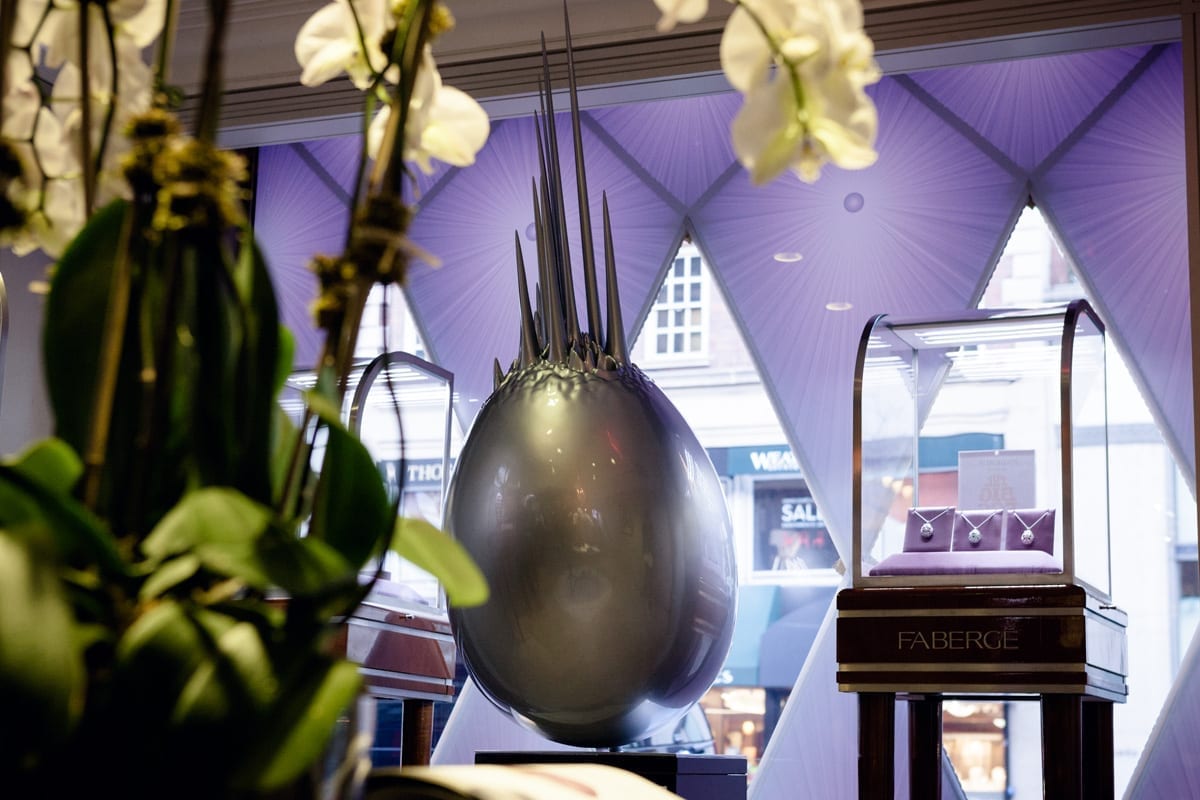
    Fabergé, renowned for its extravagant creations, boasts the Third Imperial Easter Egg amongst its portfolio. Created in 1887, this masterpiece, featuring a solid gold case adorned with sapphires and diamonds, and containing a women’s watch with diamond-set gold hands, was once valued at $33 million. The egg remains in the hands of an unidentified private collector.

    Deal Details

    Gemfields is set to receive $45 million upon the deal’s closure, which is anticipated by the end of August. The remaining $5 million will be dispersed in the form of quarterly royalties, equivalent to 8% of Fabergé’s revenue. Notably, the deal does not necessitate any regulatory approvals or additional authorizations.

    The sale enables Gemfields to concentrate its efforts on its fundamental operations in coloured gemstone mining. These activities encompass the launch of a new ruby processing facility in Mozambique and the growth of emerald mining in Zambia.

    End of an Era for Gemfields

    Sean Gilbertson, CEO of Gemfields Group, referred to the sale as signifying the conclusion of an era. He stated, “Brands as iconic and beautiful as Fabergé do not change hands very often. We wish the team and Mr. Mosunov every success.”

    SMG Capital, under the proprietorship of tech entrepreneur and venture capitalist Sergei Mosunov, plans to maintain Fabergé’s focus on jewellery, accessories, and timepieces. Mosunov also expressed his eagerness to offer exceptional service to existing customers while attracting new brand enthusiasts.

    A Historical Overview of Fabergé

    Established in 1842 in St Petersburg, Russia, Fabergé is famed for its intricate, gem-encrusted eggs, which were originally manufactured for the Russian imperial family during the late 19th and early 20th centuries.

    Questions & Answers

    What is the essence of the deal between Gemfields and SMG Capital?
    The deal entails the sale of Gemfields’ entire stake in Fabergé to SMG Capital for US$50 million.

    What are the future plans for Gemfields following the sale of Fabergé?
    Gemfields plans to focus on its core operations in coloured gemstone mining, including the launch of a new ruby processing plant in Mozambique and the expansion of emerald mining in Zambia.

    What will be the future focus of Fabergé under the new ownership of SMG Capital?
    Under the ownership of SMG Capital, Fabergé will continue to concentrate on its jewellery, accessories, and timepieces.