Tag: karachi

  • Pakistan Used Car Imports Top 2,000 Units in October

    Pakistan Used Car Imports Top 2,000 Units in October

    More than 2,000 used vehicles entered Pakistan under the overseas gift scheme in October, defying state restrictions and accelerating an influx of foreign-built automobiles into the domestic market.

    The arrival volumes represent an aggressive rebound from May this year, when tighter customs oversight had temporarily squeezed monthly gift-scheme imports down to just seven units, according to former Pakistan Association of Automotive Parts and Accessories Manufacturers (PAAPAM) chairman Aamir Allawala.

    By September, shipments had expanded to 2,238 units before holding above the 2,000 mark through October. Domestic automotive parts vendors say these transactions bypass conventional banking channels, relying on payments to Japanese auction houses through informal hawala networks and cash settlement inside Pakistan.

    Surging Influx of Built-Up Vehicles

    Official trade data tracks the broader import trend. Inward shipments of completely built-up units, covering both new and second-hand passenger cars, jumped 40 per cent to $126 million during the first quarter of fiscal year 2026-27, compared with $90 million in the same three months of the prior fiscal year, according to the Pakistan Bureau of Statistics.

    Automakers entering the market account for part of the increase. Brands are bringing fully assembled vehicles into showrooms to test consumer appetite across major urban centers before committing capital to domestic assembly lines.

    The commercial friction deepened following the release of the government’s revised automotive policy in early November. Engineering groups say the framework shifts incentives toward finished imports and complete assembly kits, weakening the 1,200 local manufacturing firms that supply parts to domestic car plants.

    The Breakdown of Local Content

    The domestic parts footprint varies sharply across competing brands operating in Pakistan. Vehicles assembled from Japanese partners currently integrate between 50 per cent and 65 per cent locally produced components. Korean models carry 20 per cent to 25 per cent domestic content, while newly introduced Chinese vehicles operate with zero to 5 per cent local parts.

    Locally assembled vehicles typically absorb between Rs1.5 million and Rs2.5 million worth of parts produced by domestic engineering shops. The Pakistan Association of Automotive Parts and Accessories Manufacturers warned that lowering trade barriers will induce vehicle assemblers to import foreign components rather than procure them from local suppliers.

    The association said the domestic component manufacturing sector directly employs 300,000 workers and supports 1.5 million indirect jobs across the wider automotive value chain.

    Tariff Disparity with Regional Assembly Hubs

    Auto suppliers take particular issue with the proposed application of Pakistan’s National Tariff Policy to the vehicle sector. PAAPAM Chairman Abdul Rehman Aizaz pointed out that the draft auto policy sets duties on completely built-up units at 15 per cent, running counter to the protective tariff walls maintained by regional assembly hubs.

    India levies tariffs of 120 per cent on completely built-up vehicles, while Thailand applies an 80 per cent duty and Indonesia charges 52 per cent to protect domestic plants and supply networks.

    “All these vehicles are imported through payments to Japanese auction houses via hawala channels and unregulated domestic sales through cash transactions,”

    The revised policy also establishes a 5 per cent duty on fully imported small electric vehicles alongside reduced sales tax rates. Parts makers argue that while these tax cuts may lower retail prices for vehicle buyers by 5 per cent to 7 per cent, car purchasers represent barely 0.1 per cent of the national population.

    Shifting Rules from Consultation to Policy

    The standoff follows an abrupt pivot in industrial policy formulation between the middle and end of the calendar year. Component manufacturers stated they took part in formal consultative sessions with the Ministry of Industries through June 2026, agreeing on a localization-focused roadmap.

    That consensus dissolved when the final policy emerged in November with lower barriers for commercial imports, completely built-up electric cars, and 100 per cent completely knocked-down kits. Manufacturers say the resulting import bill will drain foreign exchange reserves at the State Bank of Pakistan while leaving revenue shortfalls at the Federal Board of Revenue.

    Industry groups are now pressing the Ministry of Industries to review the import rules and address the gift scheme trade, with assembly plants monitoring whether government customs enforcement stops the flow of Japanese auction arrivals.


  • Karachi Port Lifts Cargo Traffic to 19.3 Million Tonnes

    Karachi Port Lifts Cargo Traffic to 19.3 Million Tonnes

    Karachi Port handled 19.286 million tonnes of cargo between July and October 2026, lifting throughput 3.8 per cent as shipping lines rerouted vessels away from Middle East disruptions.

    Total ship calls climbed 13.7 per cent to 764 vessels during the four-month window, up from 672 calls a year earlier.

    Export cargo rose 10.5 per cent, while dry bulk volumes jumped 26.1 per cent across the same period. The gains follow fiscal year 2025-26, when terminal operators processed an all-time peak of 55.438 million tonnes, handled 2.749 million 20-foot equivalent units and berthed more than 2,100 vessels.

    Fee Cuts and Free Storage

    Commercial incentives drove the shift. Federal authorities rolled out a unified transshipment framework in August 2026 that lowered wet cargo vessel tariffs by 20 to 80 per cent and gave shippers 14 days of free terminal storage at Karachi Port Trust facilities.

    Port Qasim Authority waived wharfage completely and expanded free storage to between 7 and 21 days. Terminal concessions followed quickly.

    Four private container handlers, Karachi International Container Terminal, South Asia Pakistan Terminal, Karachi Gateway Terminal Limited and Qasim International Container Terminal, reduced terminal handling charges by up to 25 per cent.

    Customs agencies also opened the gates to off-dock transshipment, sea-to-air cargo transfers, around-the-clock physical checks and pre-arrival paperwork to clear quayside bottlenecks.

    Direct European and Gulf Links

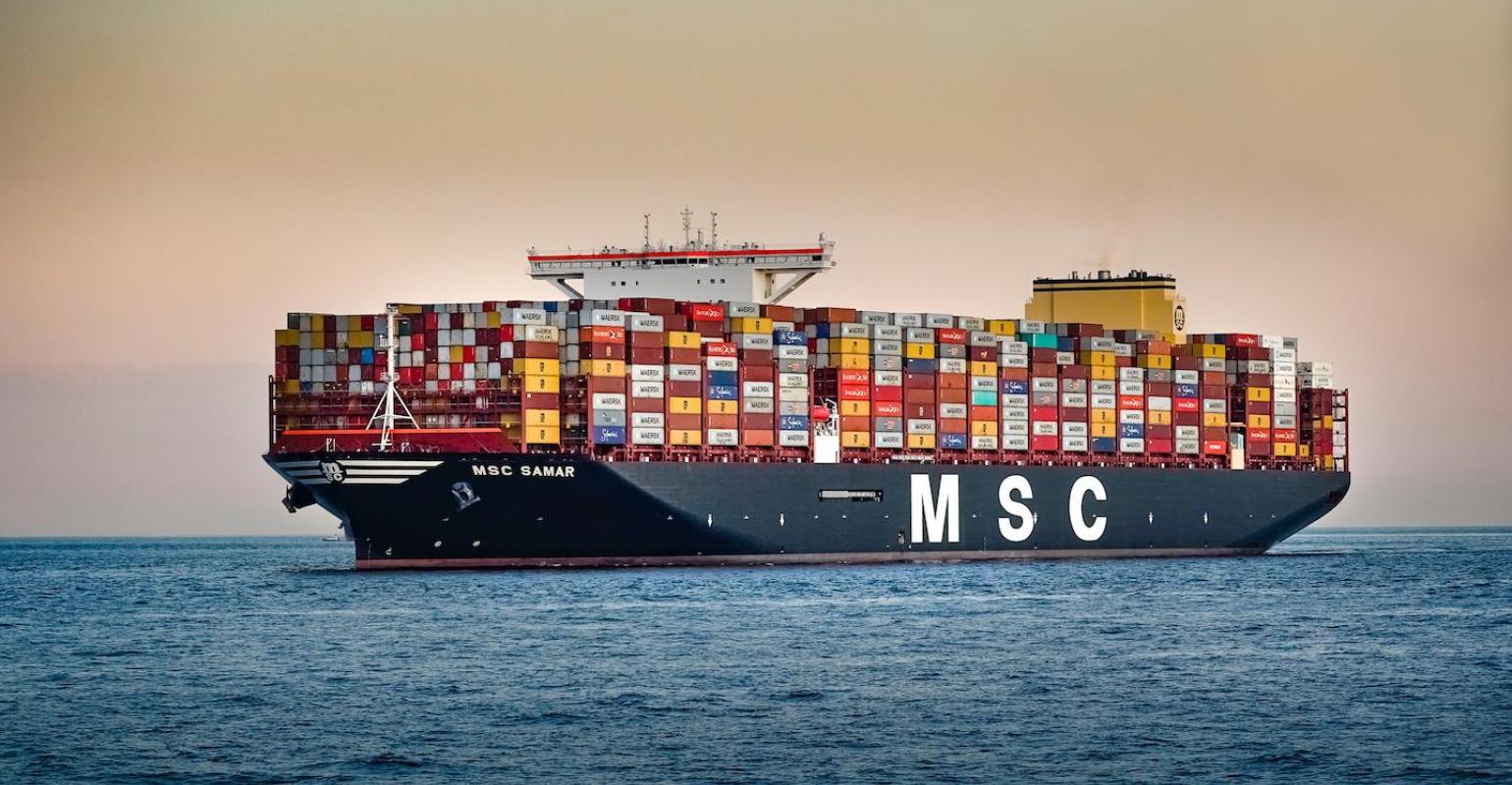
    Global carriers responded by adding direct tonnage. Mediterranean Shipping Company opened a weekly direct European loop called Premium IPAK through Karachi Gateway Terminal Limited in October 2026.

    A dedicated feeder run connects Karachi directly to Khor Fakkan in the United Arab Emirates. These links bypass congested regional transfer hubs and cut transit days for consumer goods entering and leaving South Asia.

    Connectivity scores tracked the added routes. Karachi Port gained 30 spots to place 69th on the Container Port Performance Index for 2025, while its Port Liner Shipping Connectivity score climbed from 309 in the first quarter of 2026 to 357 in the third quarter.

    The Logistics Bottleneck Outside the Gate

    Terminal efficiency alone does not protect supply chains if cargo stalls on city streets. Retailers and manufacturers moving freight into northern Pakistan face crumbling municipal roadways between terminal gates and national transport corridors.

    Karachi Port Trust delivers 12 billion rupees annually in federal taxes and 5 billion rupees to Sindh province, while provincial authorities collect 160 billion rupees through the Sindh Infrastructure Development Cess on seaborne goods. Yet freight corridors linking maritime docks to inland distribution hubs remain heavily congested, inflating drayage fees and stretching inventory holding costs for importers.

    The maritime trust wants provincial administrators to allocate 50 per cent of provincial cess receipts straight into access road repairs. Without quick road fixes, transit gains made at berths evaporate once containers clear the main gates.

    Reforms After Red Sea Shifts

    Government initiatives began taking shape in March 2025 with targeted tariff reductions and cargo discounts designed to draw mainline vessels skipping high-risk waterways. The country later climbed to 34th place on the global Liner Shipping Connectivity Index, up from 35th.

    Long-stay auction containers were shifted out of primary yards to secondary off-dock facilities, clearing physical ground for transshipment boxes. The country also secured removal from Lloyd’s war-risk list, lowering marine insurance surcharges for commercial fleet owners.

    Contractors will finish capital dredging across the main Karachi Port navigation channel by December 2026 to clear access for deeper-draft mother vessels. Commercial managers are also tendering 250 acres for fresh terminal buildouts alongside 140 acres earmarked for an integrated marine commercial district.

  • Pakistan Fuel Marketers Add 96 Retail Stations Across Country

    Pakistan Fuel Marketers Add 96 Retail Stations Across Country

    Oil marketing companies across Pakistan expanded their fuel retail forecourts during 1QFY27, commissioning dozens of new petrol pumps despite national targets aimed at electric vehicle adoption. Market leader Pakistan State Oil completed 37 new retail sites during the three-month period, lifting its nationwide network to 3,727 stations, the largest footprint in the country.

    Wafi Energy Pakistan Ltd added 54 new Shell retail sites and nine electric vehicle charging locations during the first nine months ending Sept 30. The sustained commercial buildout indicates that forecourt operators continue betting on rising petrol demand over official electrification goals.

    Under the Auto Policy 2026-31, the government aims to make 30 per cent of all new vehicles electric by 2030. Yet distributors on the ground are responding to daily road traffic anchored by petrol-powered two-wheelers and 660-1,000cc cars, which remain the primary mobility choice for consumers navigating weak public transit networks.

    Network Expansion Along Freight Corridors

    Attock Petroleum commissioned five new retail outlets during the quarter while decommissioning six underperforming locations under a network optimisation programme. Its operational network counted 816 stations on September 30, including 46 company-owned, company-operated sites.

    Private distributors are chasing traffic along newly built highways, bypasses and motorways linking northern transit points. Forty-eight licensed distributors maintain active operations across the country out of 50 permits issued by regulators. Forecourt operators focus investments on high-throughput intercity arteries where commercial vehicle flow guarantees daily volume.

    Commuters rely on personal two-wheelers because metropolitan transit systems remain patchy and overburdened. When petrol prices fluctuate following international supply shocks, consumers turn to smaller displacement engines rather than abandoning combustion models entirely. That consumer preference shields forecourt retailers from sudden drops in fuel transactions.

    Slow Build for Charging Hubs

    Electrification investments remain modest additions to existing forecourt footprints. Pakistan State Oil installed chargers in Faisalabad and Multan during the quarter, bringing its charging network to 16 locations nationwide.

    Attock Petroleum activated highway charging points at the Dandiwal Service Areas on the M-4 Motorway through a venture with Hubco Green. The distributor also installed a heavy-duty charger at a company-owned site in Islamabad with Huawei Technologies Pakistan and AE Power Energy, with plans to equip 13 more stations.

    Forecourt operators argue that gas stations represent poor locations for battery recharging. Globally, drivers of electric bikes and passenger cars recharge at homes, apartments and commercial shopping centres rather than sitting at roadside forecourts. State pressure to add chargers at petrol stations therefore runs against natural consumer refuelling habits.

    Motorcycle Volumes Sustain Forecourt Footfall

    Vehicle fleet economics heavily favour gasoline distributors. The country holds 30 million motorcycles, five million cars and 10 million rickshaws on its roads, with no statutory retirement policy requiring old combustion engines to be scrapped after decades of use.

    Between 50 and 60 per cent of two-wheelers rely on petrol. Local assembly plants turned out 442,179 motorcycles during July and August, up from 321,788 units in the prior-year period. Assembly reached 2.416 million two-wheelers in fiscal 2026, compared to 1.692 million in fiscal 2025.

    Electric alternatives gained ground from a low base, with electric two-wheeler sales rising to 240,000 units in fiscal 2026 from 60,000 units in fiscal 2025. Passenger car sales for the first quarter of fiscal 2027 reached 41,872 units, climbing from 29,318 units a year earlier, even as purchases of larger sport utility vehicles, pickups and vans dropped to 8,608 units from 12,949.

    Attock Petroleum plans to install charging hardware across 13 additional retail locations as oil marketing companies monitor whether state regulators will force further capital spending into commercial charging hubs.

  • Pakistan Construction Growth Surges to 19.2% as Subsidised Loans Spur Housing

    Pakistan Construction Growth Surges to 19.2% as Subsidised Loans Spur Housing

    Pakistan’s construction sector reached 19.2 per cent growth in the first quarter of FY26, rebounding from a negative 3.3 per cent reading recorded in the first quarter of FY25, according to State Bank of Pakistan data. Builders credit the turnaround to a surge in domestic liquidity following the introduction of a federal housing scheme and declining capital outflows to Dubai.

    Hassan Bakhshi, chairman of the Association of Builders and Developers (Abad), noted that middle-class buyers who were previously priced out have returned to the market. This renewed purchasing activity has enabled builders across urban centres to recover capital that had remained locked in unbooked apartments.

    The growth comes despite strict lending constraints from commercial banks, which continue to withhold financing from applicants who lack full documentation or proper approvals from the Sindh Building Control Authority. Even with these documentation hurdles, the State Bank reported that construction expanded 14.6 per cent in the first half of FY26.

    Financing Terms Clear Stalled Inventories

    The state-backed Ghar Ho Tu Apna programme rolled out in September last year to offer loans capped at Rs10 million on extended instalment structures. Markup subsidies absorb borrowing costs above the baseline rate to pull middle-income buyers into the market.

    Property firms used the influx of bank liquidity to recover capital locked in unbooked apartments. Hassan Bakhshi, chairman of the Association of Builders and Developers, confirmed that the release of purchasing funds allowed builders to restart stalled balance sheets across major urban centres.

    Commercial banks continue to enforce strict paperwork requirements, rejecting applications lacking formal clearance from agencies such as the Sindh Building Control Authority. Most self-built residential developments fail those compliance hurdles, keeping retail lending volumes below developer expectations despite broader sector gains.

    Capital Shifts from Dubai Drive Karachi Land Values

    Regional instability, including military conflict involving the United States and Iran, halted retail investment outflows from Pakistan into Dubai real estate. Domestic investors redirected liquidity into home markets, triggering sharp price jumps in prime Karachi neighbourhoods.

    Defence Society property valuations climbed as much as 60 per cent during the initial capital flight before settling. The market underwent a 20 per cent price correction over the past month as initial transaction spikes normalised.

    For retailers, materials suppliers and real estate operators, the shift re-establishes Karachi as the primary repository for private wealth during Gulf market downturns. The domestic concentration of funds provides steady consumer liquidity for local retail developers, even as general inflation strains lower-income households.

    Infrastructure Budgets Accelerate Allied Trades

    Development momentum also stems from central government infrastructure spending. Public Sector Development Programme outlays grew 41.8 per cent during the first half of fiscal 2026, bouncing back from a 1.1 per cent contraction during the prior comparative period.

    Building materials pricing remains disputed between suppliers and contractors. While official figures point to falling wholesale material rates, developer groups maintain that actual project input costs remain historically elevated.

    The broader market faces a nationwide structural shortfall of 10 million housing units, with 48 per cent of the domestic population living below the poverty line. Bank mortgage compliance rates under the 5 per cent financing facility remain the immediate metric to watch as secondary city developers prepare second-half unit releases.

  • Pakistan Ad Market Shifts to Influencers as Social Media Reaches 80 Million Users

    Pakistan Ad Market Shifts to Influencers as Social Media Reaches 80 Million Users

    Pakistan’s advertising market is shifting toward content creators as of October 2026, with the country recording around 80 million adult social-media user identities.

    TikTok alone has an advertising reach approaching 80 million adults, while YouTube reaches around 54 million and Instagram reaches approximately 22 million.

    Individual creators are amassing major audiences, including Jannat Mirza with over 25 million TikTok followers, Hania Aamir with over 20 million Instagram followers, Ducky Bhai with over 10 million YouTube subscribers, and Rajab Butt with around 9 million.

    Performance Models Replace Flat Sponsorship Fees

    Commercial deals are shifting from flat fees to direct affiliate commissions. Smaller creators take free merchandise or modest cash retainers, while top celebrities still charge premium rates. Retail brands now deploy trackable discount codes and custom referral links.

    A merchant offering unique promo codes across 100 creator accounts can measure exact conversions within days. That turns endorsements into direct sales channels. For consumer startups and domestic cosmetic lines, performance deals offer instant distribution without the steep upfront costs of television runs.

    Niche Conversion Challenges Follower Scale

    Relevance now matters more than raw follower totals in campaign planning. A specialised account with 50,000 motorcycle enthusiasts regularly delivers higher conversion rates for vehicle parts suppliers than a general entertainment channel with five million subscribers.

    This mirrors digital commerce across Southeast Asia and China, where live-stream selling ties demonstrations straight to payment and fulfilment. Pakistan holds the same ingredients: expanding smartphone adoption, digital payment rails and a young urban population accustomed to mobile buying.

    Metrics Move Toward Acquisition and Retention

    Rapid growth has brought friction over audience authenticity and transparency. Brands face risks from synthetic engagement, bought follower counts and unclear commercial disclosures. These hazards run highest in regulated sectors like consumer health and financial services.

    Marketing teams now evaluate creator deals against customer acquisition costs, basket sizes and repeat order rates instead of vanity impressions. That demand is fueling dedicated talent management agencies, affiliate platforms and analytics firms across Karachi and Lahore.

    Traditional Media Monopolies Recede

    Billboards, print ads and television commercials still draw institutional budgets, but legacy networks no longer control consumer reach. Independent creators now build audiences larger than broadcast stations from home setups.

    Budgets will track verified checkouts as consumer brands watch whether creator live streams deliver steady sales through upcoming festive shopping cycles.

  • MSC Restores Direct Karachi Service to Seven European Ports

    MSC Restores Direct Karachi Service to Seven European Ports

    Mediterranean Shipping Company has reinstated its direct weekly container service linking Karachi to seven major European ports, Federal Maritime Affairs Minister Muhammad Junaid Anwar Chaudhry announced in Islamabad on Thursday.

    The return of the weekly calls at Karachi Gateway Terminal International gives apparel and textile producers a direct sea link to Felixstowe, Rotterdam, Hamburg, Bremerhaven, Antwerp, Le Havre and London Gateway via Colombo.

    Weekly Rotations on the Restored Route

    MSC reinstated the PREMIUM IPAK service after Pakistani export houses petitioned the maritime ministry for dedicated capacity to Europe. Red Sea shipping reroutings around Africa had stretched voyage times, inflated container freight rates and disrupted delivery schedules for overseas retail buyers.

    Vessels will berth weekly at Karachi Gateway Terminal International, taking aboard export cargo destined for European and British retail distribution hubs while handling regional transshipment flows through Colombo. The maritime ministry confirmed that Karachi Port will handle full-swing transshipment volume under the restored service rotation.

    Relief for Textile and Apparel Exporters

    Pakistani textile manufacturers, who generate the bulk of the country’s outbound containerised freight, faced severe margin compression throughout 2024 as longer transit times compromised order delivery dates for European fashion brands. Factory operators had informed the ministry that diverted vessels and round-Africa voyages were eroding their pricing competitiveness against regional textile exporters in South Asia.

    Restoring dedicated European sailings cuts intermediate handling delays for factory shipments leaving Karachi. Fast and predictable transit schedules allow apparel vendors to commit to seasonal delivery windows across Britain and continental Europe without building excess safety stock into supply chains.

    Port Operations and Night Clearance Upgrades

    Sustaining the restored shipping link requires faster turnaround times on the quay. At a meeting of the Working Group on Shipping Connectivity and Optimisation held at the Karachi Port Trust head office, the KPT chairman proposed standardising 24/7 electronic delivery orders alongside risk-based container inspections, joint sampling and non-intrusive scanning.

    Terminal operators at Karachi confirmed they are prepared to conduct night inspections to clear vessel backlogs quickly. Pakistan Customs has been asked to operate round-the-clock clearance shifts to match the terminal schedule and eliminate physical cargo bottlenecks before vessels dock.

    “The restored service will improve connectivity with major European ports and provide exporters with greater options for planning and moving their shipments,” he said.

    Supply Chain Pressures on Global Trade

    Chaudhry cautioned that while the dedicated carrier service restores direct capacity from Karachi, it does not resolve the wider security disruptions across international maritime lanes. Ocean carriers worldwide continue to navigate elevated operating costs and longer sailing itineraries on voyages between Asia and the West.

    The maritime ministry plans to maintain discussions with international ocean lines and domestic export lobbies to defend trade route connectivity. Customs clearance authorities in Karachi are now reviewing procedural steps to implement the round-the-clock electronic cargo inspection system.

  • Better Cotton Farmers Cut Synthetic Nitrogen 69 Percent in Five-Year Audit

    Better Cotton Farmers Cut Synthetic Nitrogen 69 Percent in Five-Year Audit

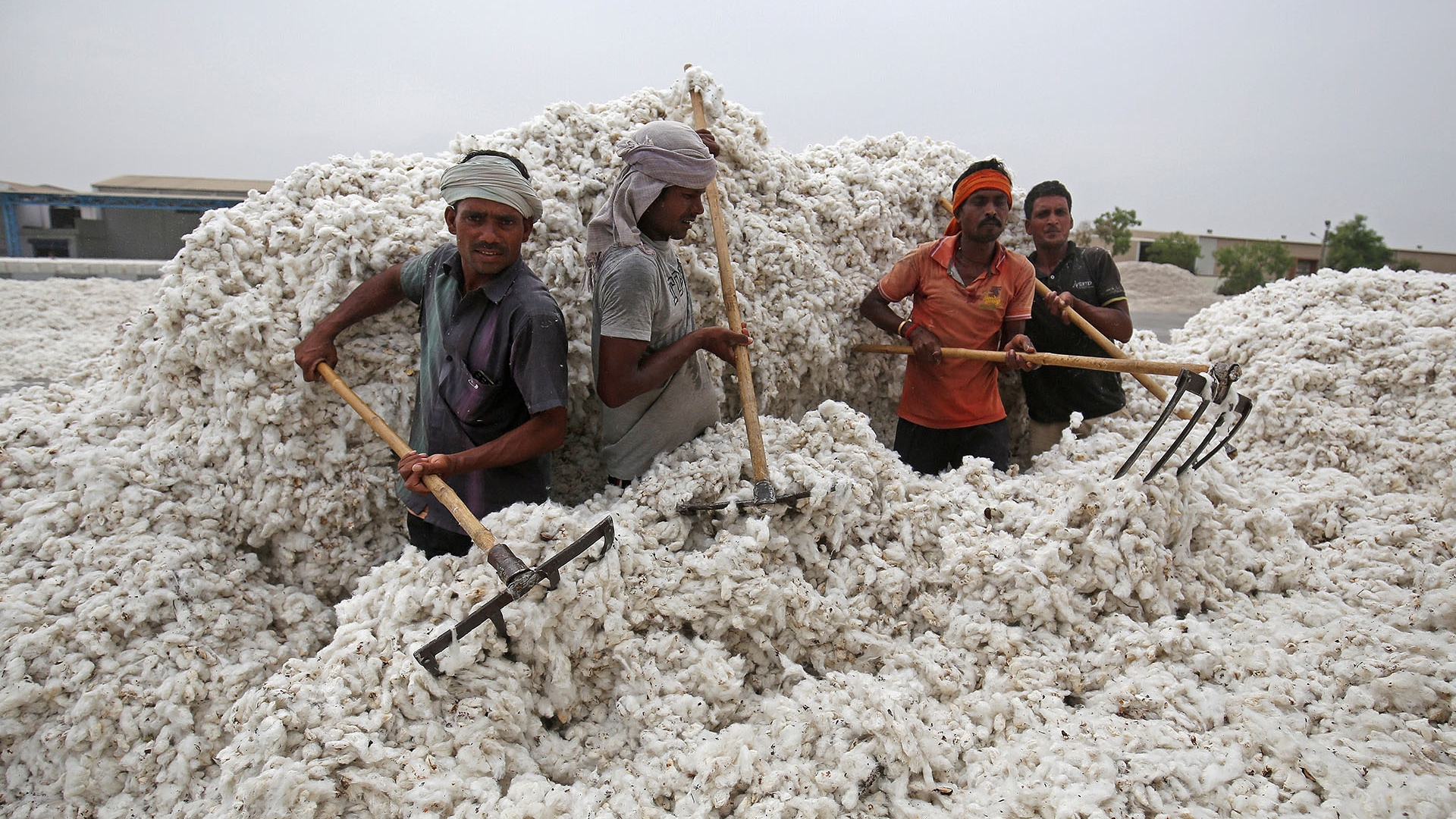
    Better Cotton member farmers cut synthetic nitrogen use per kilogram of cotton by 69 percent and pesticide volume by 65 percent, according to the group’s five-year impact audit.

    The benchmark covers field-level operations supplying roughly 24 percent of the global raw cotton crop to textile mills and apparel retailers worldwide.

    Researchers drew on more than 20 million annual data points gathered across commercial operations and smallholder plots. Alongside chemical cuts, 54 percent of licensed growers lowered their carbon footprint, while 52 percent of irrigated farms cut water use per kilogram of lint by an average of 29 percent.

    Lower input expenses delivered financial relief across rural growing belts. About 59 percent of participating smallholders lifted net farm income after adopting standard agronomic practices. These practices substitute biological controls and composting for commercial chemical inputs.

    Field Cuts Across Water and Chemicals

    Pest management shifts accounted for much of that cost drop. Across participating networks, 65 percent of growers reduced active synthetic pesticide ingredients per hectare. A network of 11,000 bio-input production and distribution centers established with local program partners supported the shift.

    Irrigation efficiency improved across arid basins through structured water stewardship training. Partner organizations conducted field sessions for 690,000 farmers and 175,000 agricultural workers. That outreach reached 65,000 female farmers and 77,000 female field workers.

    Female representation in administrative roles also rose over the five-year tracking window. Women now occupy 17 percent of field facilitation and producer unit management posts across participating organizations. Five years earlier, that figure was 9 percent.

    Pakistan Smallholders and Yield Economics

    Growers in Asia facing volatile weather and high fertilizer costs provided key proof points for the standard. In Pakistan’s Sanghar district, 37-year-old farmer Samina Khaskheli cut operating costs by 15.6 percent across three seasons. She did so by adopting botanical pest treatments, compost applications, and organic bio-fertilizers.

    Certified volumes give Asian spinning mills and garment exporters verifiable scope-3 carbon and chemical data under tighter brand procurement rules. Operational risks remain concentrated upstream. The main challenge sits with certification integrity at farm aggregators and ginning facilities along fragmented rural supply routes.

    Exporters in Pakistan and regional processing hubs face persistent scrutiny over raw material traceability. Standardized field reporting gives manufacturers defensible documentation when shipping finished textiles to regulated European and North American retail channels.

    Season Results Across Global Acreage

    Data from the single 2024 to 2025 growing season confirmed steady adoption rates. During that twelve-month cycle, 61 percent of participating growers reduced synthetic nitrogen per kilogram compared to the previous crop year. Another 49 percent cut their carbon footprint.

    Pesticide reductions continued across the single-season cohort. The report tracked 40 percent of growers lowering active synthetic pesticide usage per hectare. Meanwhile, 34 percent applied organic fertilizers such as livestock manure across their acreage.

    Local program partners ran at least 19,900 demonstration plots during the season. These trials validated alternative pest control methods before farmers risked seasonal capital on broadfield deployment.

    “BCI is committed to rigorous impact reporting, which gives confidence through diligently collected, interpreted, and disseminated findings drawn from reliable and complete data,” said Iain Gardiner, senior director of impact and development at BCI.

    Soil Health Targets for 2030

    The report represents the organization’s first comprehensive global impact assessment in five years. It follows a baseline cycle focused on expanding grower enrollment across South Asia, Africa, and the Americas.

    Attention now turns to the organization’s binding 2030 target. That benchmark mandates that 100 percent of its licensed cotton farmers document measurable improvements in soil health across their cultivated acreage.

  • Rajby Textiles Opens 500,000-Piece Denim Plant in Karachi

    Rajby Textiles Opens 500,000-Piece Denim Plant in Karachi

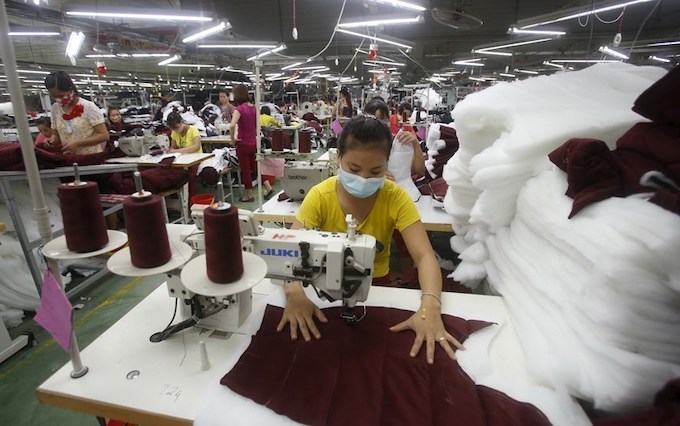
    Rajby Textiles Pvt. Ltd. Opened a garment manufacturing facility in Karachi, adding initial capacity for 500,000 finished denim pieces per month.

    A planned second phase will double output to 1 million pieces monthly, fed directly by the company’s existing mill that weaves 3.2 million meters of denim fabric each month.

    Automation on the Factory Floor

    The Karachi unit incorporates automated spreaders, pocket setters, automatic hemmers and loop attachers to accelerate assembly times and maintain stitch uniformity across bulk production runs. Finishing operations rely on Jeanologia ozone systems, laser distressing equipment and industrial washers engineered for lower resource consumption.

    Integrating garment assembly with on-site fabric milling removes transit delays between raw material production and cut-and-sew operations. The shift turns Rajby into a fully vertical supplier for international apparel labels seeking shorter order lead times in South Asia.

    “For over 50 years, [Rajby Textiles](https://wwd.com/sourcing-journal/sj-denim/adriano-goldschmied-relaunches-house-of-gold-rajby-textiles-filippo-donati-1238822229/) has built its reputation on manufacturing excellence, quality, and continuous innovation,” said Daniyal Saleem, CEO at Rajby Textiles. “With this new garment facility, we are bringing that same commitment to the finished product. By combining modern automation with sustainable technologies, we are offering our global brand partners an integrated, responsible, and agile supply chain.”

    Shifting Pressure to Vertical Hubs

    Global clothing retailers continue to consolidate their vendor rosters, favoring South Asian manufacturers that control spinning, weaving and sewing under a single corporate umbrella. Fragmented supply chains that ship yardage between disparate subcontractors face rising freight expenses and compliance penalties from European and North American buyers.

    Pakistani denim exporters are racing to match integrated rivals in Bangladesh and India by adding downstream stitching operations. The risk sits in execution: running high-speed garment lines demands tighter labor coordination and rapid turnaround on seasonal design changes than bulk fabric production ever required.

    Environmental Targets and Water Treatment

    To align the new sewing floor with brand sourcing rules, Rajby is upgrading its wastewater infrastructure. The company is retrofitting its effluent treatment plant with moving bed biofilm reactor biological and tertiary systems to meet the Zero Discharge of Hazardous Chemicals Progressive standard.

    Plant managers have scheduled installation of a wastewater recycling system designed to reclaim 30 per cent of process water by 2027. The company calculates that initial threshold will save volume equal to the daily water consumption of 17,280 people.

    Power Generation and Waste Milestones

    Rooftop solar generation will supply 800 kilowatt-hours of power directly to the apparel unit, cutting site-level emissions by 25 per cent. Management set an interim target to reduce total greenhouse gas emissions across the garment division by 50 per cent by 2030.

    The apparel plant builds on earlier energy systems installed at the fabric mill, which uses biomass boilers and waste heat recovery units to generate 95 per cent of its industrial steam from renewable inputs. The broader roadmap calls for achieving 100 per cent wastewater recycling and zero manufacturing waste sent to landfill across the Karachi complex by 2030.

  • State Bank of Pakistan Holds Benchmark Interest Rate at 11.5%

    State Bank of Pakistan Holds Benchmark Interest Rate at 11.5%

    The State Bank of Pakistan kept its benchmark interest rate at 11.5 per cent on Monday, pausing monetary adjustments after a divided committee vote.

    Seven of the ten Monetary Policy Committee members backed the hold. They resisted calls for an increase after annual headline inflation accelerated to 11.1 per cent in August from 9.2 per cent in July.

    Officials attributed the decision to Middle East geopolitical friction, which lifted global oil prices and strained supply chains. Domestic core inflation came in slightly below central bank expectations. Remittance flows and external financing helped stabilize the balance of payments.

    Inflation Pressures and Factory Output

    Consumer and corporate sentiment deteriorated heading into September as both groups reported higher price expectations. Industrial production softened at the end of the fiscal year. Large-scale manufacturing output fell 3.5 per cent in June, capping cumulative growth for the year ended June 2026 at 5 per cent.

    For retail chains and consumer goods manufacturers in Pakistan, elevated borrowing costs continue to weigh on inventory financing and store expansions. Policy settings remain adequate to steer inflation toward the medium-term target band of 5 to 7 per cent, the central bank said.

    High interest rates and rising energy tariffs continue to squeeze household disposable incomes in urban retail centers. Consumer businesses face an ongoing margin crunch. Production and transport expenses are climbing faster than shelf prices can adjust.

    Foreign Reserves and Fiscal Buffers

    State finances found temporary relief through higher non-tax revenue and sovereign debt operations. Moody’s upgraded Pakistan’s sovereign credit rating to B3 with a stable outlook after a 3 billion dollar Eurobond issuance lifted foreign exchange reserves above 21 billion dollars.

    Fiscal consolidation beat initial targets after the central bank transferred 1.9 trillion rupees in profit to the federal government, against a budgeted 1.4 trillion rupees. Revenue collection by the Federal Board of Revenue also met targets during July and August.

    Shifting Policy Trajectory

    Monday’s pause follows a 100-basis-point rate hike in April, the central bank’s first monetary tightening in nearly three years. Before that increase, the benchmark rate held at 10.5 per cent through the first quarter after a surprise 50-basis-point cut in December 2025.

    The benchmark rate sits well below the peak of 22 per cent recorded in June 2023. That reflects 1,050 basis points of cumulative easing since mid-2024 as price spikes receded from record highs.

    Committee members will review the policy stance again at the next meeting, tracking crude import bills and the September consumer price index.