Tag: karl lagerfeld

  • Karl Lagerfeld opens first standalone store in Malaysia

    Karl Lagerfeld opens first standalone store in Malaysia

    Karl Lagerfeld has opened its first store in Malaysia, located at the Pavilion shopping center in Kuala Lumpur.

    The new store offers a wide range of the brand’s items including apparel for men and women and fashion accessories such as handbags, bucket hats, and runners.

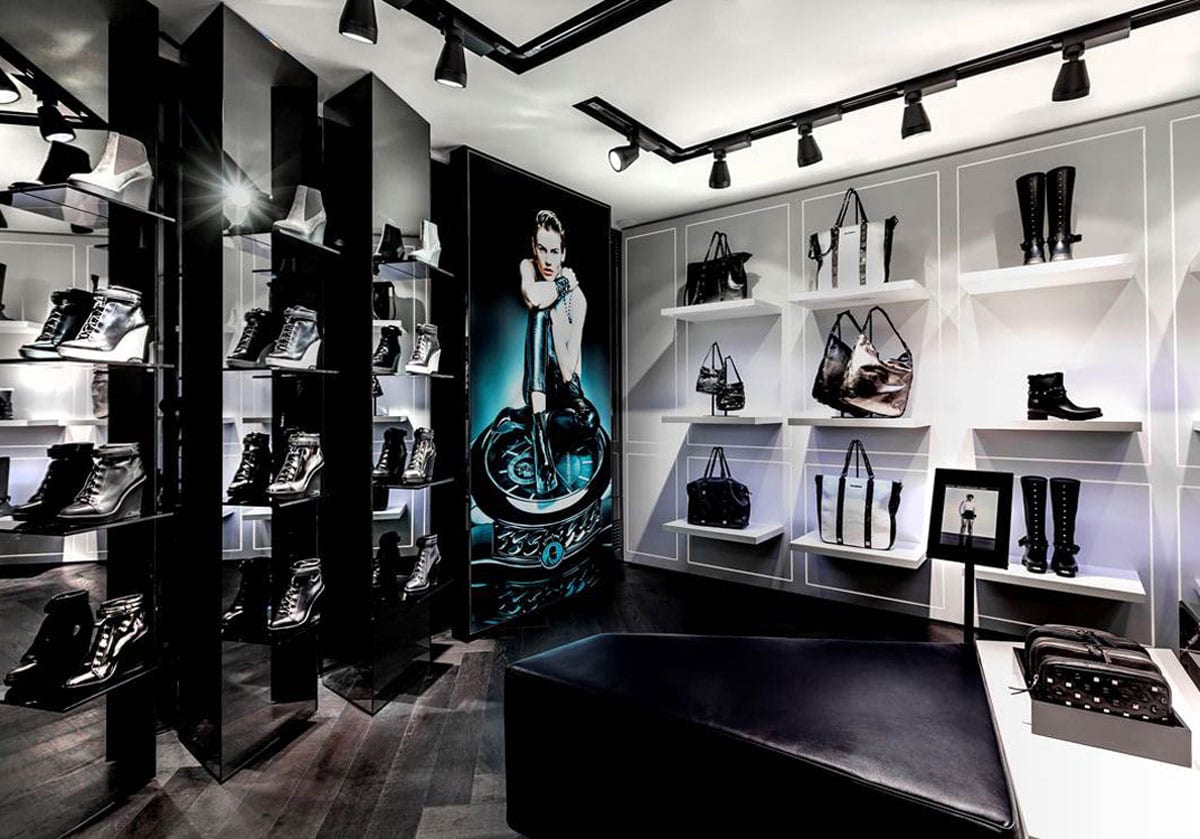
    Karl Lagerfeld Malaysia’s first store features a modern design with floor-to-ceiling glass doors and wooden floors. Steel racks and colorful carpet are used inside the store.

    Karl Lagerfeld is sold through more than 100 mono-brand points of sale around the world, including flagships in Paris, New York, Moscow, London, Dubai, and Shanghai.

    The global online store on Karl.com reaches 96 countries.

  • Karl Lagerfeld to launch in India this month

    Karl Lagerfeld to launch in India this month

    Fashion house Karl Lagerfeld is collaborating with premium Indian brand Cover Story to enter the Indian market.

    A limited-edition collection is being sold in selected Future Group stores in cities such as Ahmedabad, Pune and Hyderabad.

    “The collection is very global,” said Future Style Lab CEO Manjula Tiwari, according to a CNBC report. “The idea is to introduce the best of international fashion to India, but tailored for the Indian customer, whether it is in shape, color or even fabrics that work for our weather.

    “While scaling the operations for Future Style Lab, I realized there were lots of opportunities for international quality fashion. That is how we had conceived Cover Story to occupy the premium end of the Indian market. Our retail strategy also positions us next to some of the best high-street and luxury brands in malls. Maison Karl Lagerfeld approached us in London. The collaboration has been in the works for the past year.

    “There has been no attempt to play around with the House of Karl Lagerfeld’s DNA, which ensures that the clothes look like they have been bought in any world city in Europe or in London,” added Tiwari. “Even someone in Pune or Ahmedabad should be able to access global fashion without actually having to travel to say, London, to buy a Karl Lagerfeld. This was the last collection that the designer Karl Lagerfeld himself supervised before he passed away.”

    The brand is not the only international luxury label to make moves into the Indian market, with high-end jewelry retailer Tiffany setting up shop in the territory just two months ago in a joint venture with Reliance Brands.

  • Nadja Swarovski and celebrities honour Karl Lagerfeld with a white shirt

    Nadja Swarovski and celebrities honour Karl Lagerfeld with a white shirt

    Nadja Swarovski is celebrating Karl Lagerfeld’s memory and legacy by joining a global community of creative talents to reimagine his most iconic design: the white shirt, to be showcased during Spring/Summer20 Paris Fashion Week.

    Curated by Carine Roitfeld, a creative visionary and a longtime friend, the project is partnering exclusively with Farfetch, with all proceeds donated to the ‘Sauver la Vie’ charity initiative, which funds medical research at the Paris Descartes University and which Lagerfeld supported for many years.

    Alongside Nadja Swarovski, a host of artists, actors, models, designers and friends have been invited to create their own version of his iconic white shirt, including Amber Valletta, Lewis Hamilton, Sebastien Jondeau and Alessandro Michele. Of his signature garment, Lagerfeld once said: “If you ask me what I’d most like to have invented in fashion, I’d say the white shirt. For me, the white shirt is the basis of everything. Everything else comes after.”

    The Swarovski shirt features cuffs that shimmer with a galaxy of Hotfix stones, as well as crystals hidden inside the placket of the classic fly-front design. In a nod to the playful wit that characterized the work of this giant of the fashion world, Lagerfeld’s image is captured on the reverse of the shirt in a pixelated transfer of 6000 crystals.

    Seven of the project’s designs will each be replicated 77 times and went on sale on Karl.com and Farfetch.com yesterday at €777 per piece.

    The number seven was chosen as it was the designer’s lucky number and represented many elements in his life: his favorite arrondissement in Paris (the 7th), and the name of his bookshop and publishing house (7L). The original shirts went on display at a private exhibition at the Maison Karl Lagerfeld this week and will tour selected Karl Lagerfeld stores worldwide from next week.

    “It is an incredible honor to have been asked to pay tribute to Karl,” said Nadja Swarovski, a member of the Swarovski board. “It was also highly intimidating to attempt to create something aesthetically acceptable in honor of one of fashion’s best talents. Nonetheless, my team and I had a great time completing and realizing our design ideas in his honor. Long live King Karl!”

    Holli Rogers, chief brand officer of Farfetch, described the tribute as “amazing”.

    “The huge level of support that has been pledged by some of the world’s most exciting tastemakers is a testament to Karl’s legacy and the impact he made globally. We are excited to give Farfetch customers the opportunity to own these limited-edition pieces, that will forever be a wonderful tribute to Karl, whilst simultaneously giving back to the ‘Sauver la Vie’ charity, a worthy cause so close to Karl’s heart.”

    Favorite memory

    Nadja Swarovski recalls working with Karl lagerfeld on the jeweler’s Atelier Swarovski collection.

    “We met in his office and he immediately started sketching, flinging them into the air as he worked. In the end, the floor was covered with sketches and three remained on desk, which were the pieces we went on to create,” she recalls.

    “It was inspiring to be around him as he worked. I was also delighted when he agreed to participate in the creation of a jewelry piece to empower the young debutantes of the Vienna Opera Ball. He totally embraced the concept, creating a majestic traditional tiara with a modern twist, featuring a local reference of the Danube river in large, sapphire blue crystals.”

  • Life after Karl Lagerfeld

    Life after Karl Lagerfeld

    Chanel has named Virginie Viard, Karl Lagerfeld’s closest collaborator for more than 30 years, as its new creative director, the French fashion house said in a statement following the death of the legendary designer. The move muffled speculation over whether Chanel might seek out another big name to replace Lagerfeld, who was 85 years old. Potential successors often cited by industry observers over the years included Hedi Slimane, now ensconced at Celine, as well as Phoebe Philo, the designer he replaced there, and Alber Elbaz, formerly of Lanvin.

    Those designers would likely have sought to bring their own vision to one of the world’s biggest luxury brands, with $9.6 billion in sales in 2017. Instead, Chanel’s owners, the billionaire Wertheimer family, emphasised continuity in appointing Viard, who the brand said in a statement had been “entrusted by chief executive Alain Wertheimer with the creative work for the collections, so that the legacy of Gabrielle Chanel and Karl Lagerfeld can live on.” The decision is in character for the Wertheimers, who waited 12 years after Gabrielle Chanel died in 1971 before appointing Lagerfeld in 1983.

    Viard, who has been called “Karl’s secret weapon,” joined Chanel as an intern in haute-couture embroidery in 1987, four years after Lagerfeld became creative director of the brand. (She was recommended for the job by a chamberlain of Prince Rainier of Monaco.) After working together at Chanel, Viard joined Lagerfeld at Chloé in 1992 — where he was also the head designer — and worked there for five years before returning to Chanel and working her way up to become director of the company’s fashion design studio.

    “Virginie is the most important person, not only for me but also for the atelier, for everything,” Lagerfeld said in a Netflix documentary released in 2018. “She is my right arm and even if I don’t see her, we are on the phone all the time.”

    Still, Viard remained largely in the shadow of her larger-than-life boss. “I hate being in the spotlight,” she said last year.

    In recent seasons, she began taking a bow with Lagerfeld at the end of each Chanel show, including the Chanel Métiers d’Art show in New York in December 2018, which marked the designer’s final runway appearance. At the end of Chanel’s haute couture show in January 2019, Viard stepped out solo to take a bow, raising concerns about Lagerfeld’s health and prompting the brand to issue a press release.

    Other fashion houses have tapped studio heads who have demonstrated their ability to channel a departed designer’s vision after their deaths, most notably Sarah Burton, the late Alexander McQueen’s right-hand, who was named creative director of the London-based fashion house after McQueen’s suicide in 2010.

    LVMH-owned Italian house Fendi, where Lagerfeld was the artistic director of women’s ready-to-wear and couture collections, has yet to announce a succession plan, saying it intends to take its time to pay the designer the homage he deserves. Fendi is to present Lagerfeld’s last collection on Thursday in Milan.

  • Karl Lagerfeld dies at 85

    Karl Lagerfeld dies at 85

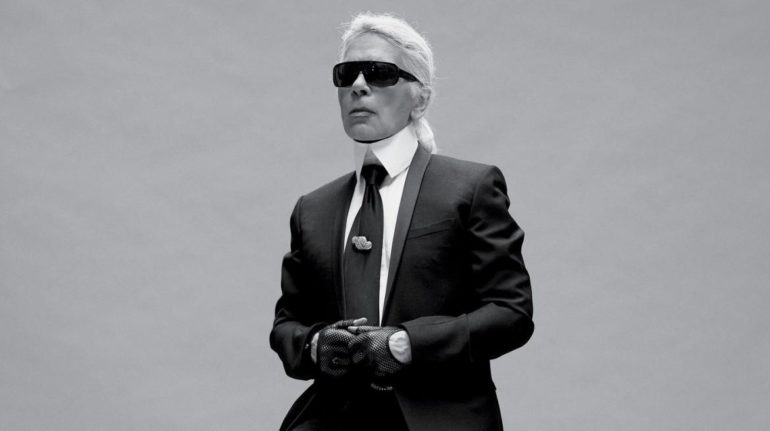
    Karl Lagerfeld, arguably the world’s most iconic designer and undoubtedly the most prolific, has died in Paris. He was 85. In a seven-decade career as fashion’s ultimate free agent, Lagerfeld created collections simultaneously for the celebrated houses of Chanel and Fendi, in addition to his signature label, at a pace without rival in the luxury industry.

    Virginie Viard, director of Chanel’s design studio and Lagerfeld’s closest collaborator for more than 30 years, will take the creative reins at the storied brand’s fashion business. A succession plan has yet to be announced at Fendi.

    For Lagerfeld, to design was to breathe, “so if I can’t breathe, I’m in trouble,” he often quipped to journalists who were astonished by his inexhaustible work ethic and his insistence that he would never retire.

    In fact, his creative output seemed only to become more bountiful in his golden years, a period during which his extravagant runway productions at the Grand Palais in Paris achieved a staggering level of theatrical opulence. At a cost of millions of dollars per season, the events surpassed the mundane boundaries of a fashion show to become something more like large-scale performance art — media spectacles where Lagerfeld, as both gifted designer and visual provocateur, could best demonstrate his ability to interweave the superficialities of fashion with matters of great depth, while also parading seemingly endless ways to keep Chanel’s classic tweeds looking modern and fresh.

    His Autumn/Winter 2017 collection featured a 115-foot-tall mechanical rocket ship that simulated blast off. For Fall 2014, he built a Chanel shopping centre, its superstore-like aisles bursting with more than 500 different products that included a Chanel-logo chainsaw, doormats, candy, and ketchup. For Fall 2010, he imported enough snow and ice from Sweden to create a 265-ton indoor iceberg. Backdrops of a man-made beach with rippling waves (Spring 2019), a scale rendering of the Eiffel Tower (Fall 2017 Couture), a French brasserie with uniformed bartenders (Fall 2015) and an enormous model of a passenger ship (Cruise 2019) suggested no idea was too fantastical, nor expense too decadent.

    His incredible longevity and success as a designer, and, following his logic, the fortunes of the companies for which he worked, owed at least partly to Lagerfeld’s intentional detachment from the business side of fashion. He claimed never to discuss sales figures or budgets with management. “I am a hired gun, even in my own business,” he said in a BBC interview, noting that his contracts with Chanel and Fendi allowed him to do whatever he wanted on the side. “I work my own marionette in a way, my own puppet,” he told The New York Times. “It’s something I control.” That extraordinarily rare freedom from the restraints of financial responsibility enabled him to continually make clothes that inspired consumers to dream.

    “We created a product nobody needs, but people want,” he said. “If you need an ugly old car, it can wait, but if you want a new fashion item, it cannot wait.”

    As designers half his age complained of burnout from fashion’s maddening pace, Lagerfeld made himself even busier by dabbling in a constant stream of publishing, photography, film and design projects, including a rule-breaking “fast fashion” collaboration with the mass retailer H&M in 2004 that predated the industry obsession with disruption by more than a decade. Ignoring the traditional expectations of a luxury player, he also designed hotel rooms, video games, motorcycle helmets, a BMW, and a cosmetics range inspired by his also-famous cat, Choupette, and directed an ad campaign for Magnum ice cream bars that featured a life size sculpture of model Baptiste Giabiconi rendered in chocolate. More than most of his sober-minded peers at fashion’s pinnacle, he relished his iconic status both within the industry and in popular culture. Despite all this extra-curricular output, though, he was driven by one thing in fashion, he said, which was to make his designs better than they were the season before.

    As most profiles of Lagerfeld have noted, another thing that drove him was a desire to know everything. He filled his numerous homes, in Paris, Biarritz, and Saint-Tropez among others, with stacks of history books and biographies, iPods loaded with various types of music, and museum-worthy collections of artwork and furniture that he would, unceremoniously, dispose of every few years, once a new period or style captured his attention. With his vast memory and a rapid-fire way of working and speaking, he could summon details and themes on command, exploit them ruthlessly in a collection, and then immediately move on to the next thing. He once said he had a “Google mind.”

    “Whatever it is, good or bad, it influences fashion,” Lagerfeld said. “You can see that in fashion quicker than in any other thing going on. Fashion is something that reflects our lives and times with the shortest release, because, cars, design and architecture take years to realise.”

    Lagerfeld was, in many ways, a self-drawn caricature of what a powerful designer should look and sound like, a stylistic god who was worldly and intellectual, commanding and capricious. His bitchy quips (“sweatpants are a sign of defeat,” “trendy is the last stage before tacky,” “I think tattoos are horrible — it’s like living in a Pucci dress full-time,” and many, many nasty digs at celebrities he considered fat or unattractive) became as much a part of the Lagerfeld mystique as were his signature white powdered ponytail and dark sunglasses, or his habit of drinking only Coca-Cola (later, Diet Coke or Coke Zero). But his penchant for flamboyance, combined with occasionally reckless comments in recent years, also resulted in backlash for Chanel. His critiques of Angela Merkel drew particular outrage, as when he evoked the Holocaust on a French talk show in 2017 while protesting Germany’s open-door policy toward Muslim refugees fleeing the Syrian civil war. In any event, there had never been any serious repercussions for the designer nor attempts to unseat him, likely as a result of his outsize stature in the industry and his long history of accomplishments.

    He was best known for his work, since 1983, as artistic director at Chanel, which became one of the most profitable and admired luxury brands in the world under his tenure. While the company remains privately held by brothers Alain and Gérard Wertheimer, Chanel took the unusual step of releasing its annual results for the first time last year, stating its sales of $9.6 billion were larger than those of Gucci and approaching those of Louis Vuitton. Chanel’s sales for 2017 were up 11 percent, driving operating profit of $2.69 billion. Chanel said it had decided to reveal its financial strength in response to speculation that the company could be a takeover target, and to demonstrate it was determined to remain independent.

    When Lagerfeld was first approached by the Wertheimer family, which had created the Chanel fragrance business and its blockbuster No. 5 scent in the 1920s, and took control the fashion house after World War II, it had been more than a decade since the death of its founder, Gabrielle “Coco” Chanel. Chanel’s hallmark tweed bouclé jackets and dresses, once viewed as liberating, by then seemed old-fashioned and bourgeois, and the company was in need of new direction. Lagerfeld was already well-known for the soft and poetic party dresses he had been making at Chloé in the 1970s, which was during the dynamic growth of European ready-to-wear movement for easy-to-wear and less precious clothes. At the same time, Lagerfeld, since he first arrived in Paris, had harboured a burning desire to work in high fashion as a couturier, and Chanel’s established atelier offered that chance.

    “People tend to forget that once upon a time, Chanel was old hat,” Lagerfeld said. “It was only Parisian doctors’ wives who still wore it.” But it was Lagerfeld’s belief that the image could be changed with a sense of humour and a lack of nostalgia, in order to make customers forget everything that had come before.

    “Because fashion is about today,” Lagerfeld said in a 2007 New Yorker profile. “You can take an idea from the past, but, if you do it the way it was, no one wants it.”

    Lagerfeld described his first collections for Chanel as reflecting a modern and “chic-sexy” approach, with longer and thinner proportions, unlike Coco’s boxy-proportioned precedent. For his spring 1984 ready-to-wear show, he re-imagined classic suits and dresses with matching hats — all in denim, and for fall that year he added a hockey uniform worn with pearls and a skiing outfit in gaudy, glittering silver and red. His transformation of the brand would combine elements of the alluring (softly tailored pantsuits and charming white camellias affixed to tweed suits) with the shocking (oversize logos, micro-miniskirts, sequinned running shoes, heels moulded to look like pistols). The phenomenal transformation of Chanel became an industry model for how to turn an aging fashion house into a status symbol as its sales continued to soar. Lagerfeld’s role was so secure there he was contractually considered its “designer for life.”

    “Why should I stop working?” he mused to anyone who dared broach the subject of retirement. “If I do, I’ll die and it’ll be all finished.”

    Karl Lagerfeld was born Karl-Otto Lagerfeldt in Germany, and raised in the countryside near Hamburg, on Sept. 10, 1933, according to most recent biographies and some of his relatives, although Lagerfeld had for many years claimed he had been born in 1938 or 1935. In her 2006 book, “The Beautiful Fall,” which chronicled the heady decadence of fashion in the 1970s, the writer Alicia Drake argued that Lagerfeld had inflated many details of his childhood as part of a self-invention as a German aristocrat upon his arrival in the Paris demimonde. Lagerfeld sued the writer for invasion of privacy, but his case was thrown out of court.

    Lagerfeld, who changed the spelling of his name for commercial reasons, himself frequently joked about the discrepancy of his age, saying his mother, Elisabeth, a trim, stylish violinist who was highly critical of her son in his childhood, had chosen the date because it was easier to write. (As recently as 2013, Lagerfeld told Paris Match that he was born in 1935.) Further confusing matters, his father, Christian Ludwig Otto Lagerfeldt, was the wealthy managing director of a company that distributed condensed milk from the United States, and had moved the family to the countryside to shelter them from the hardships of the war years under Hitler, leaving little reliable evidence from the early years of Karl, an older sister, Martha Christiane, and a half-sister, Thea, from Lagerfeldt’s previous marriage.

    In the end, Lagerfeld described his childhood as a misery. He was a gifted scholar and loved to sketch, thinking he would pursue a career in illustration, but he had few friends and his mother often complained about his looks, telling him he should not smoke because his hands were unattractive, and that his nose was so large he should order curtains for his nostrils. Nevertheless, his parents supported his artistic ambition and sent him to Paris, where Lagerfeld found immediate success in fashion. In 1954, he won a design contest, called the International Woolmark Prize, based on the sketch of a coat he submitted that was produced for the competition by the designer Pierre Balmain. Of particular note, a young Yves Saint Laurent also won that year in the dress category, foreshadowing what would become a lifelong rivalry between the two designers.

    In their younger years, Lagerfeld and Saint Laurent were close friends. Whereas Saint Laurent was the tortured, fragile artiste who ascended to the coveted role of couturier at Christian Dior following Dior’s sudden death in 1957, Lagerfeld was a pragmatic mercenary. After working for three years for Balmain, who had hired him as an assistant, Lagerfeld designed collections for Patou, Chloé, Krizia, Charles Jourdan, Mario Valentino, and, beginning in 1965, Fendi, the Italian fur company where he contributed designs for an astounding 50 years. Fendi’s sales were estimated by analysts at $1.3 billion in 2017, while the company, acquired by LVMH in 2001, has experienced a major street style moment over the last year with its logo-driven FF Reloaded collection. (In January, Silvia Venturini Fendi, creative director of accessories and menswear, paid tribute to Lagerfeld’s contributions to the house with a fall men’s collection inspired by him, including styles he designed.)

    By the 1980s, Lagerfeld was widely known to the public, even as he was just beginning to design under his own name (Saint Laurent had started a signature company that popularised the French concept of ready-to-wear in the 1960s). Lagerfeld’s own label, called at different times Lagerfeld Gallery or Karl Lagerfeld Paris, has existed on and off as a licensing venture through various partnerships, including a high-profile venture with Tommy Hilfiger in 2004 and most recently with G-III Apparel Group in the United States since 2016, though it has always been perceived as a side project for the designer.

    Still, Lagerfeld was the more disciplined of the two when it came to image and self-control; he was cast as an aristocratic German designer in one of Andy Warhol’s more obscure films, the 1973 “L’Amour,” playing up his persona as the ringleader in the absurdist circus of fashion. His personal iconography included tightly fitted blazers over starched white shirts with startlingly tall collars, and skinny jeans – a complete look he perfected in the 1990s, only after undertaking a dramatic diet. He said he lost 92 pounds in order to fit into the prevailing silhouette of the day, a modern rock-and-roll style orchestrated by Hedi Slimane, who was then at Dior Homme. Lagerfeld became so recognisable for this look that he started using his own likeness as a logo on T-shirts, handbags and furry key chains for Fendi.

    While his competition with Saint Laurent intensified throughout their lives, until Saint Laurent’s death in 2008, Lagerfeld’s ultimate success with Chanel gave him immense confidence and enabled him to pursue opportunities that no other designer would dare touch. His 2004 collection for the Swedish retailer H&M was especially risky, given the fate of other luxury brands like Halston that had lost their credibility after making a mass play. Lagerfeld described the one-off collaboration, which included slim blazers and T-shirts emblazoned with a cartoon logo of his face, as “mass elitism, which has long been my dream… It’s the future of modernity.”

    The collection was an enormous hit, selling out in many markets, unleashing all manner of unorthodox designer crossovers to follow, and further fuelling Lagerfeld’s fame. He was also the subject of at least three documentaries, “Lagerfeld Confidential” (2007), “Un Roi seul” (2007), and “Karl Lagerfeld se dessine” (2013), and several books, including a compilation of his quotations, “The World According to Karl,” from Flammarion (2013), and “The Karl Lagerfeld Diet,” a weight-loss book he published with his physician, Jean-Claude Houdret (2002). For many years, Lagerfeld ran his own publishing imprint, 7L, photographed his own advertising campaigns, and directed short films that imagined the life of Coco Chanel and highlighted connections from Chanel’s history to his own work.

    At Chanel, Lagerfeld was given the artistic license and financial resources to acquire the best talent, including his longtime collaborators Virginie Viard, the creative studio director and tipped as a likely internal candidate to succeed him as Chanel’s designer, and Eric Pfrunder, Chanel’s director of image. At Lagerfeld’s urging, the company also embarked on a campaign to acquire many specialised French craft ateliers, like Lesage for embroidery, Lemarié for feathers and artificial flowers, Maison Michel for millinery, and Causse for glove making. Those resources were celebrated with lavish Métiers d’Art fashion shows held in far-flung destinations, including in Edinburgh, Shanghai, Hamburg, and most recently at the Metropolitan Museum of Art in New York City in December, while Chanel’s cruise collections have been staged from Dubai to Havana, Cuba, reflecting Lagerfeld’s approach to making Chanel’s interlocking “CC” mark recognisable around the world.

    “Logos are the Esperanto of marketing, luxury, and business today,” he said.

    Lagerfeld often said that his only love in life was his work. But he showed his softer side near the end of his life by casting his godson, Hudson Kroenig, the older son of the model Brad Kroenig, in his runway shows. He also gleefully promoted his lavishly spoiled cat, a gift from Kroenig, in interviews and on social media. He once said he wished he could marry Choupette, in what was presumably a humorous jab at his own cartoon-like image.

    “There is no secret to life,” Lagerfeld said. “The only secret is work. Get your act together, and also, perhaps, have a decent life. Don’t drink. Don’t smoke. Don’t take drugs. All that helps.”
  • Karl Lagerfeld x Mood by Christofle

    Karl Lagerfeld x Mood by Christofle

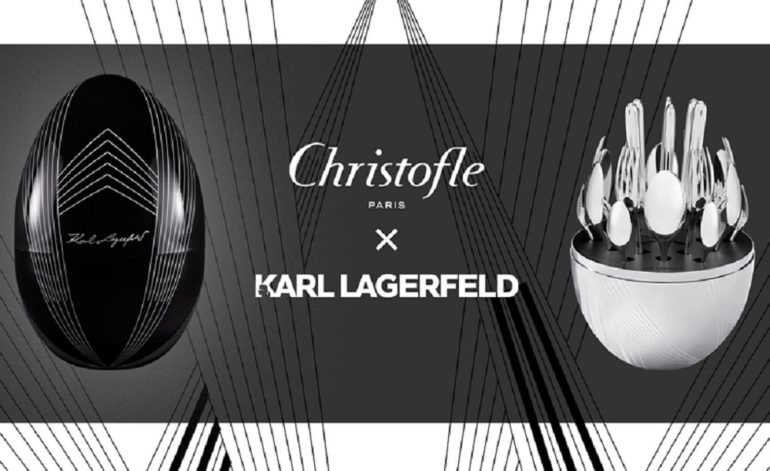
    Karl Lagerfeld has collaborated with Christofle, the luxury Parisian silversmith, on an exclusive edition of the “MOOD” flatware set and decorative case. Taking inspiration from the Art Deco movement, Karl — himself a long-time connoisseur of Christofle — designed a striking, symmetrical pattern of graphic lines to appear on the elliptical egg shape.

    There are two versions that have been created: one in polished silver and one in black, lacquered stainless steel. The sleek MOOD opens to reveal a 24-piece silver-plated cutlery set.

    Each piece is stamped with a subtle linear print, the Christofle hallmark and the iconic Karl Lagerfeld silhouette logo.

    The Mood is Christofle’s most renowned design that reimages the classic codes of table setting; it reflects the brand’s vision for relaxed but refined entertaining.

    The partnership with Karl Lagerfeld marks the first time in Christofle’s 188-year history that it has worked with a fashion brand.

  • More Chanel Flagship for Asian Shoppers

    More Chanel Flagship for Asian Shoppers

    Seoul will have one of six Chanel flagship stores being launched next year, with the brand also about to open in Beijing’s China World mall.

    “These will be either brand new stores or major re-openings, which will be very impactful,” says Chanel fashion and accessories divisions president Bruno Pavlovsky.

    On December 1, Chanel opened a second Tokyo flagship in Ginza following a three-year renovation by architect Peter Marino.

    Just before that, designer Karl Lagerfeld was in Chengdu, where Chanel reprised its Ancient Greek Goddess cruise collection, originally shown in Paris in May.

    “We scored 698 million hits from that show on WeChat and Weibo and so on,” says Pavlovsky. “That impact allows us to create an accessible dream: a chance to see and touch and understand what the brand is all about. That has nothing to do with customers – we don’t have 500 million customers in our boutiques.”

    He believes the key equation in luxury is balancing accessibility to the dream with exclusivity inside boutiques. This is why Chanel’s e-commerce is essentially limited to beauty and eyewear.

    “Chanel is not a click,” says Pavlovsky. “But when you think of a $5000 jacket or a $10,000 dress, the customer experience has to be more than just a click.”

    He says business in China has been boosted by the policy of global price harmonisation he started introducing in 2015. “We see more and more Chinese in China coming to our boutiques regularly.

    They don’t need to travel to Paris, New York or London to buy Chanel, and this is very important.”

    One vehicle to boost sales in China will be harnessing influencers, says Pavlovsky. “What is interesting about influencers in China is their point of view of the brand. Some are followed by 20 or 25 million people, which is quite impressive. And they are very clear that what their followers want from them is a point of view. We have to work with them not to dilute this kind of positioning.”

  • In a bold and surprising move CHANEL debuts capsule of €1000 sneakers

    In a bold and surprising move CHANEL debuts capsule of €1000 sneakers

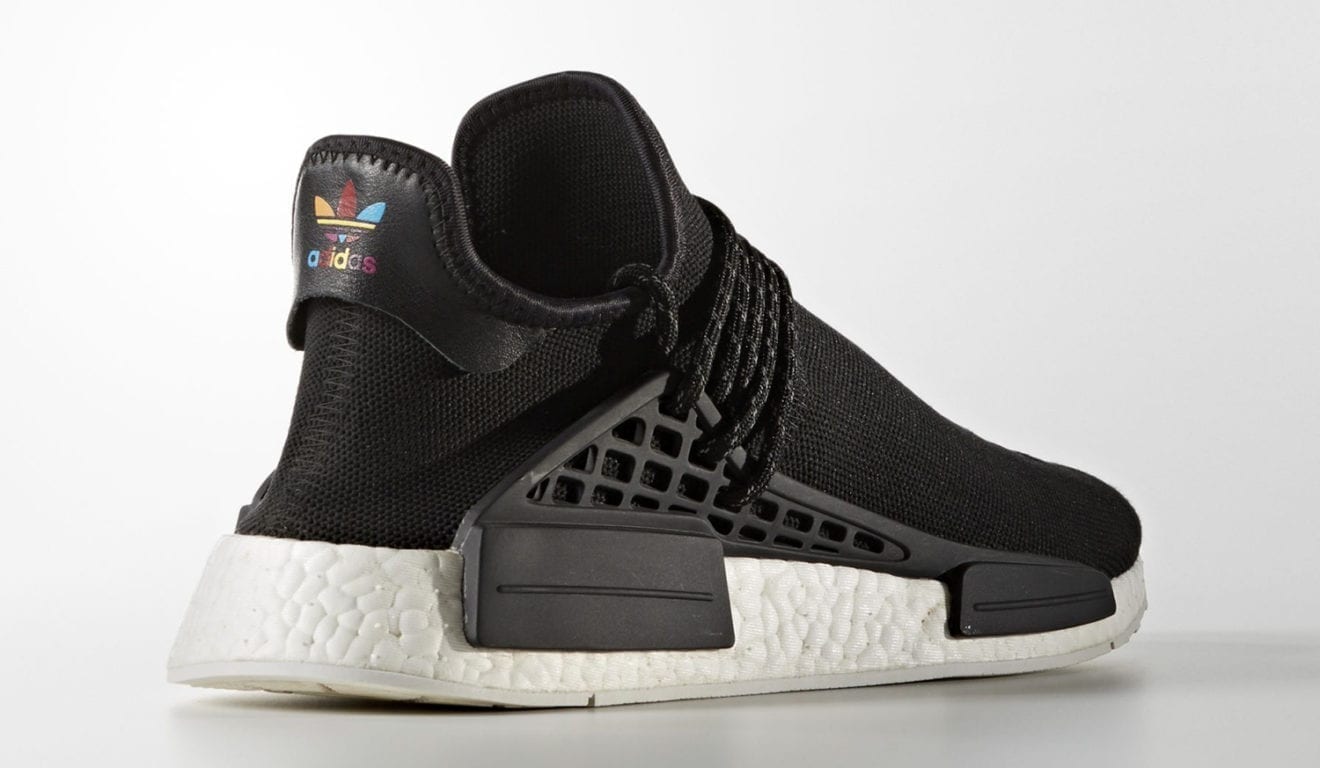
    French luxury brand Chanel has launched a capsule featuring 500 pairs of €1000 (US$1185) sneakers to celebrate its takeover of French high-fashion streetwear retailer Colette.

    Courtesy of Karl Lagerfeld, the sneakers are part of singer Pharrell Williams ongoing collaboration with Adidas Originals.

    The resale value of the sneakers have shot up to $32,000 after 120,000 shoppers registered to buy them. The 500 buyers will be chosen by an independent ballot process.

    Williams says he expects the resale value of the sneakers to go up to $40,000 as any of his merchandise is known to resell for multiple times its value. For example, his Adidas collaboration with his band Nerd is now going for up to $10,000.

    There is also a philanthropic twist to the collaboration as Williams and Chanel plan on donating profits to the Chanel Foundation, which supports women’s empowerment.

    It is one of the final collaborations for Colette with the department store set to close on December 20.

  • Shu Uemura withdrawing from Philippines

    Shu Uemura withdrawing from Philippines

    Japanese cosmetic brand Shu Uemura is withdrawing from the Philippines.

    L’Oreal Philippines has confirmed that all branches and counters of the make-up line will be shut down by the end of April.

    While officially distributed by L’Oreal Philippines, the brand believes the closing of its Philippines outlets will be beneficial in the long term.

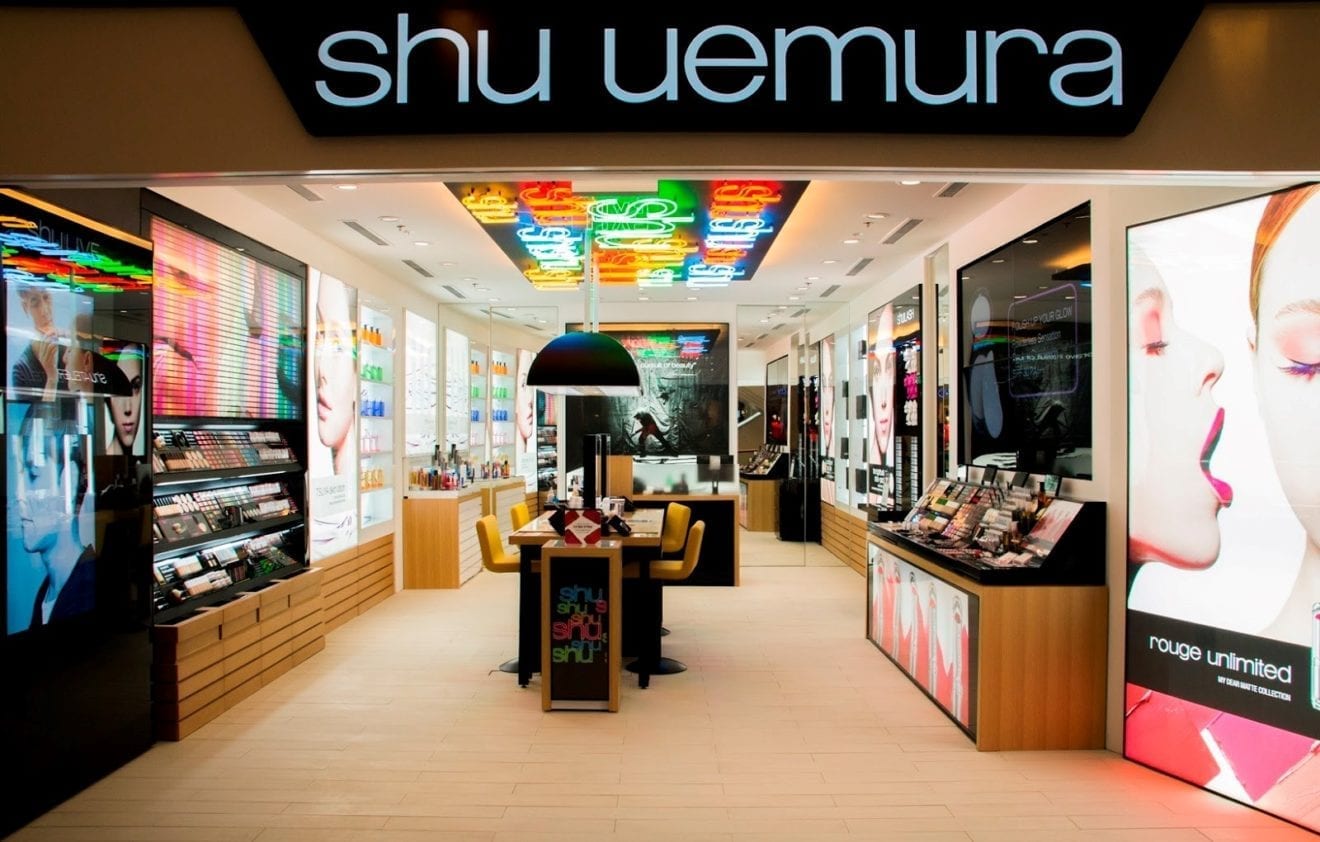
    Shu Uemura is known for its quirky collaborations and neon-filled palettes. One of its most famous collaborations was with iconic designer Karl Lagerfeld.

    Brand founder Shu Uemura went to Hollywood in the 1950s and started working as a makeup artist, becoming in demand after working on the Paramount movie My Geisha in 1962 with actress Shirley MacLaine.

  • Karl Lagerfeld Macau hotel planned

    Karl Lagerfeld Macau hotel planned

    Fashion designer Karl Lagerfeld has announced plans to launch his own branded hotel chain.

    He has already taken a first step in signing on to design a tower for the Lisboa Palace Hotel, planned to launch in Macau in 2018. Besides the Karl Lagerfeld Macau hotel, another tower in the complex is being designed by fashion peer Donatella Versace.

    Lagerfeld’s company says it “in the process of studying other opportunities to open other properties around the world”.

    Under the banner of Karl Lagerfeld Hotels & Resorts, his properties will include members’ clubs, restaurants and residential buildings, all under a licensing agreement with Amsterdam-based Brandmark Collective.

    Lagerfeld’s contribution to the Lisboa complex features a statue of his cat Choupette at the entrance, while his own silhouette graces the room keys. In comparison, Versace’s design is more low key with the lobby decked out in gold trim and white marble, while the pool has mosaic tiles.

    Both designers feature Chinese elements in their designs, with Lagerfeld weaving in Phoenix and peony emblems, and Versace focussing on dragon and chrysanthemum details.

    Born in Germany 83 years ago, Lagerfeld has already collaborated with luxury Parisian hotel Le Crillon and the Metropole in Monaco, but his new business will involve his company designing entire hotels.

  • Karl Lagerfeld to go online in 97 markets

    Karl Lagerfeld to go online in 97 markets

    Fashion designer Karl Lagerfeld is to enter 97 international markets online.

    The move marks a dramatic expansion of the company’s current online strategy which is to partner with leading department store brands, such as Harvey Nichols and Harrods, and selected online-only retailers Stylebob.com, Luisviaroma.com and Zalando.com.

    Now, Karl Lagerfeld is opening online stores under its own name in a raft of countries yet to be listed, but definitely including Japan.

    The brand, founded by the 82 year old French-based German designer and photographer, just two years ago commenced a physical store rollout and now has 20 directly operated and another 20 franchised in markets as diverse as China (eight stores), the Middle East (six) and, of course, Europe. Over the next few years it aims to expand that network to about 100 globally.

    Karl Lagerfeld Group CEO Pier Paolo Righi says online sales already represent “a significant part of the business” and he expects the new program with Italy’s Yoox Net-a-porter Group to soon account for a double digit share of the fashion group’s total revenues.

    The new websites will launch in early November offering broader ranges than its pages on existing partner websites – a broad collection of womenswear along with licensed products including watches, fragrances and eyewear.

  • Karl Lagerfeld goes on-line in 96 nations

    Karl Lagerfeld goes on-line in 96 nations

    Paris based mostly luxurious style home Karl Lagerfeld has partnerd with Yoox Group to launch Karl.com in 96 nations, together with in Asia.

    The location will go stay late in 2015 in a three way partnership partnership described as “long run”.

    Karl Lagerfeld says the enterprise will take “a contemporary strategy to distribution, an revolutionary digital technique and a worldwide 360 diploma imaginative and prescient that displays the designer’s personal type and soul”.

    “Launching eCommerce on Karl.com is the subsequent step right into a full omnichannel distribution mannequin,” the corporate stated in a press release.

    “I’m excited to annouce the launch of our eCommerce website as we speak partnering with the ‘greatest in school’ ecom supplier, Yoox Group. Karl.com will permit us to serve our clients and followers scaling geographical attain and delivering an distinctive expertise,” stated Pier Paolo Righi, CEO of Karl Lagerfeld.

    Karl.com will supply the complete ladies’s way of life mixture of the model – womens able to put on, luggage, footwear and equipment resembling small leather-based items, watches, eyewear, perfume and novely gadgets and restricted editions.

    Karl Lagerfeld luggage shall be on the core of the model’s distribution.

    One of many world’s celebrated trend designers, Karl Lagerfeld is globally famend for his aspirational and cutting-edge strategy to fashion. The designer’s namesake style home displays his personal signature aesthetic by way of artistic, cool and accessible-luxe attire and equipment.

    This yr, the corporate will increase its portfolio into childrenswear.