Retail News CRM

Tag: Karma

  • Karma Drinks launches limited-edition Lemmy bottle for Melanoma awareness

    Karma Drinks launches limited-edition Lemmy bottle for Melanoma awareness

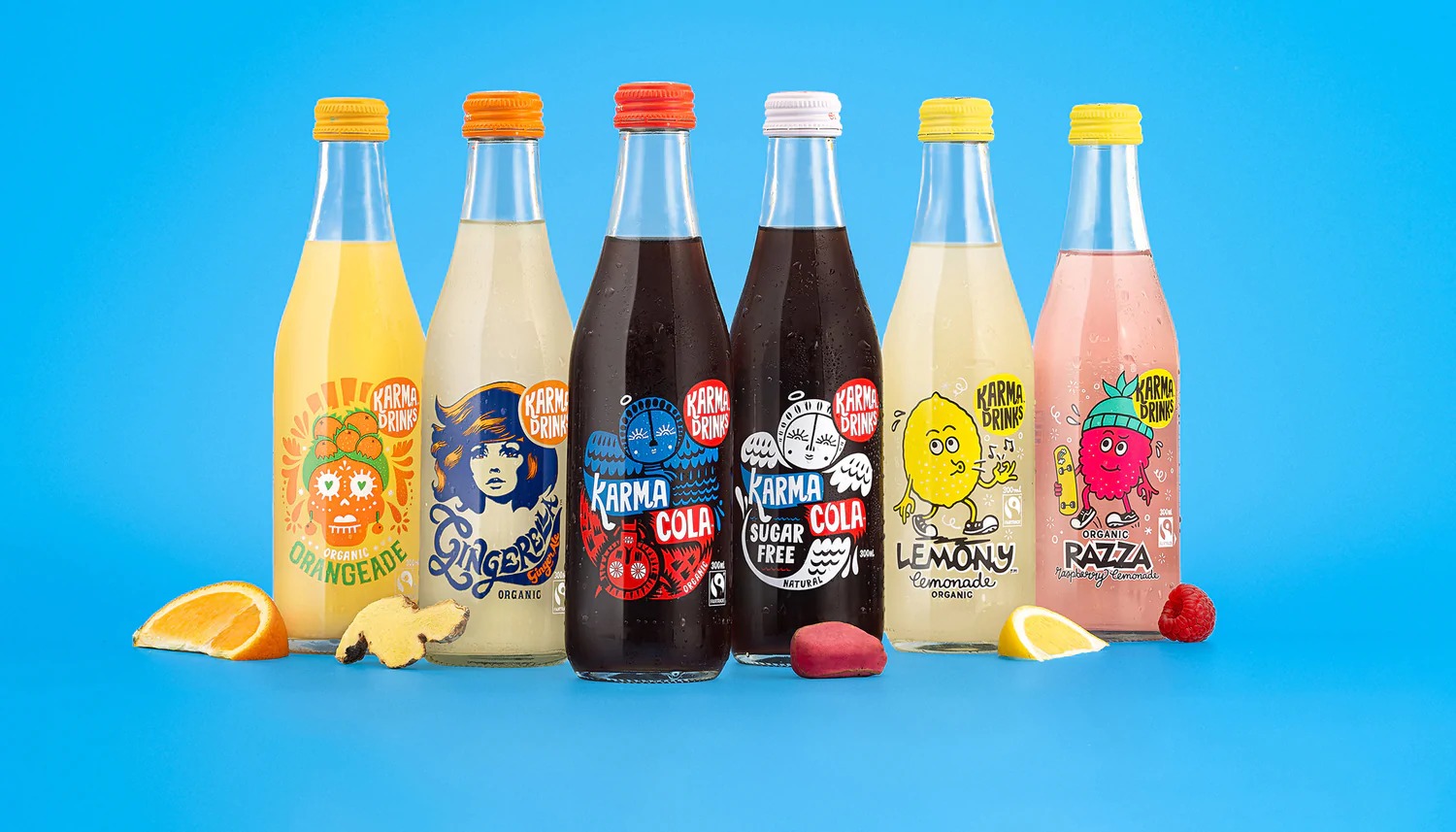
    Kiwi beverage company Karma Drinks has launched a limited-edition bottle of its Lemmy Lemonade to support Melanoma New Zealand. The partnership aims to raise awareness about melanoma prevention and early detection.

    According to Melanoma NZ, more than 6000 New Zealanders are diagnosed with melanoma every year, and approximately 300 people die from the disease. However, the condition can be preventable; if detected and treated early enough, it is almost always curable.

    National sales manager James Boshier said that Karma Drinks is all about being kind and doing good for others through the sales of its drinks.

    “It seems all Kiwis know someone who has unfortunately experienced some form of skin cancer. Key stakeholders at Karma are part of this group, so we highly value the great work Melanoma New Zealand is doing,” said Boshier.

    “Being a beverage company, often consumed outdoors in the summer, the idea of a partnership made complete sense.”

    The new limited edition bottle features the brand’s popular lemonade character, Lemmy, being “sun smart”, including wearing sunscreen and sunglasses and getting into the shade.

    The beverage company will donate proceeds from every bottle and can with the Melanoma New Zealand sticker until $10,000 is raised.

    Andrea Newland, CEO of Melanoma New Zealand, says that the funds will go towards helping to save lives.

    “Melanoma New Zealand is very grateful for Karma’s generous support – the funds will be used to help raise awareness about melanoma prevention and early detection,” added Newland.

    “We love that Lemmy is wearing his sunscreen and sunglasses, getting into the shade, and helping us to educate about the importance of being sun smart.”
  • 2020 Karma Revero Gets BMW’s TwinPower Turbo Engine

    2020 Karma Revero Gets BMW’s TwinPower Turbo Engine

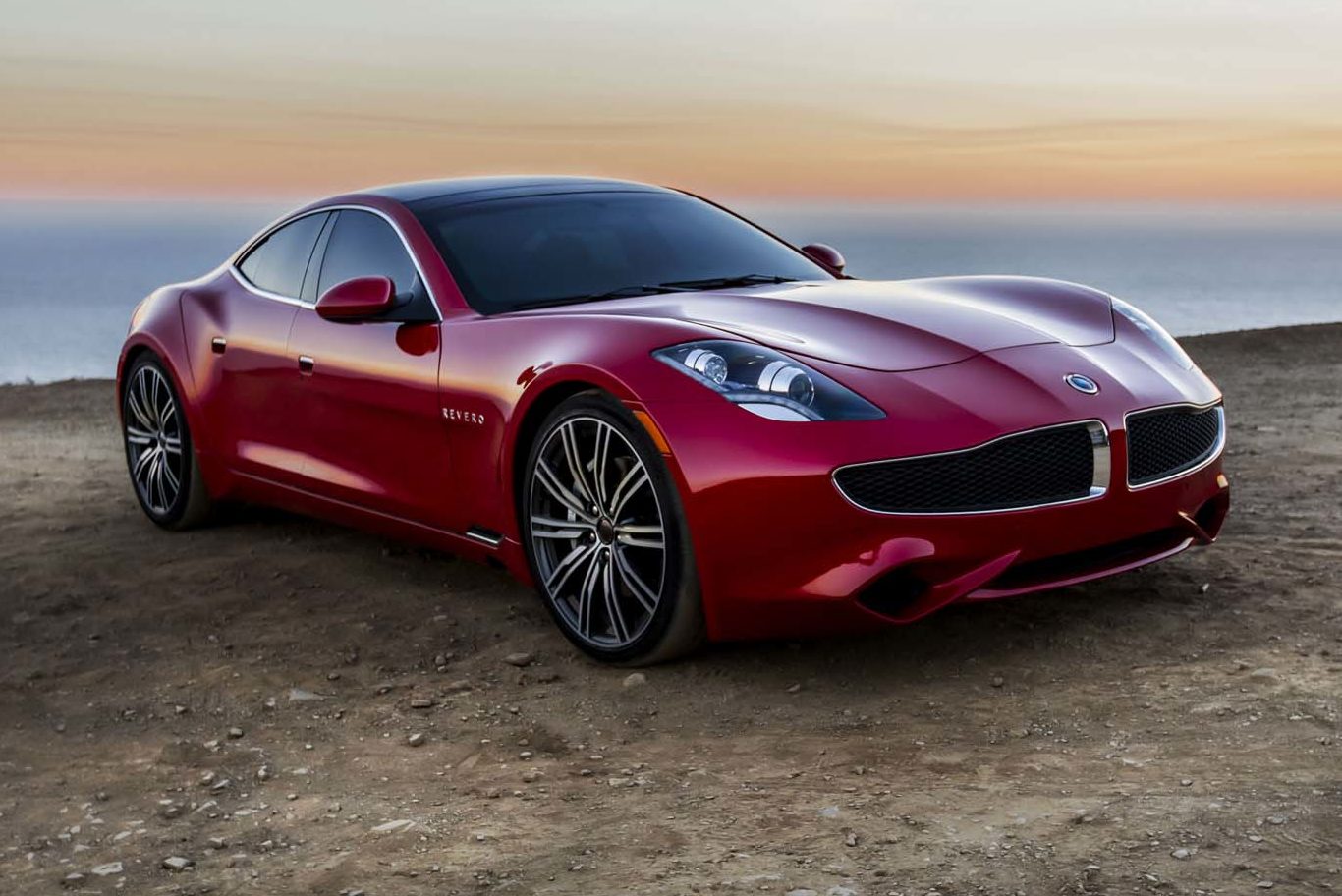
    Karma Automotive is all set to reveal its all new 2020 Revero luxury electric vehicle at Auto Shanghai 2019 and while there’s one teaser out yet, we didn’t know what the car will be powered by. The company announced that the 2020 Revero will use a BMW TwinPower turbo three-cylinder in-line engine supplied by BMW AG to power an on-board electric generator. BMW AG started working with Karma in 2015 to help develop the onboard generator systems used in the company’s new Revero.

    Karma’s engineering team embarked on a complete redesign of the all-electric powertrain that underpins the new 2020 Revero. After extensive evaluation the team selected the highly-charged BMW engine as the optimal choice to support a new and more powerful high-voltage NMC lithium-ion battery pack and a new, transversely mounted, twin-motor rear drive module (RDM).

    Thanks to this engine the performance of the Revero will be improved too and the car will be able to go from 0-96 kmph in just 4.5 seconds which is a second faster than the model it replaced. The 2020 Revero, along with Karma’s Pininfarina-designed concept car and its all-electric Vision concept car, will form the automaker’s product announcement at Auto Shanghai 2019.

    Bob Kruse, Karma’s Chief Technology Officer said, “BMW AG is a natural fit for Karma’s luxury-tech focus because it is a proven technology leader renowned for conceiving and delivering ground-breaking innovations.”

  • Karma queues up 3 vehicles for Shanghai auto show

    Karma queues up 3 vehicles for Shanghai auto show

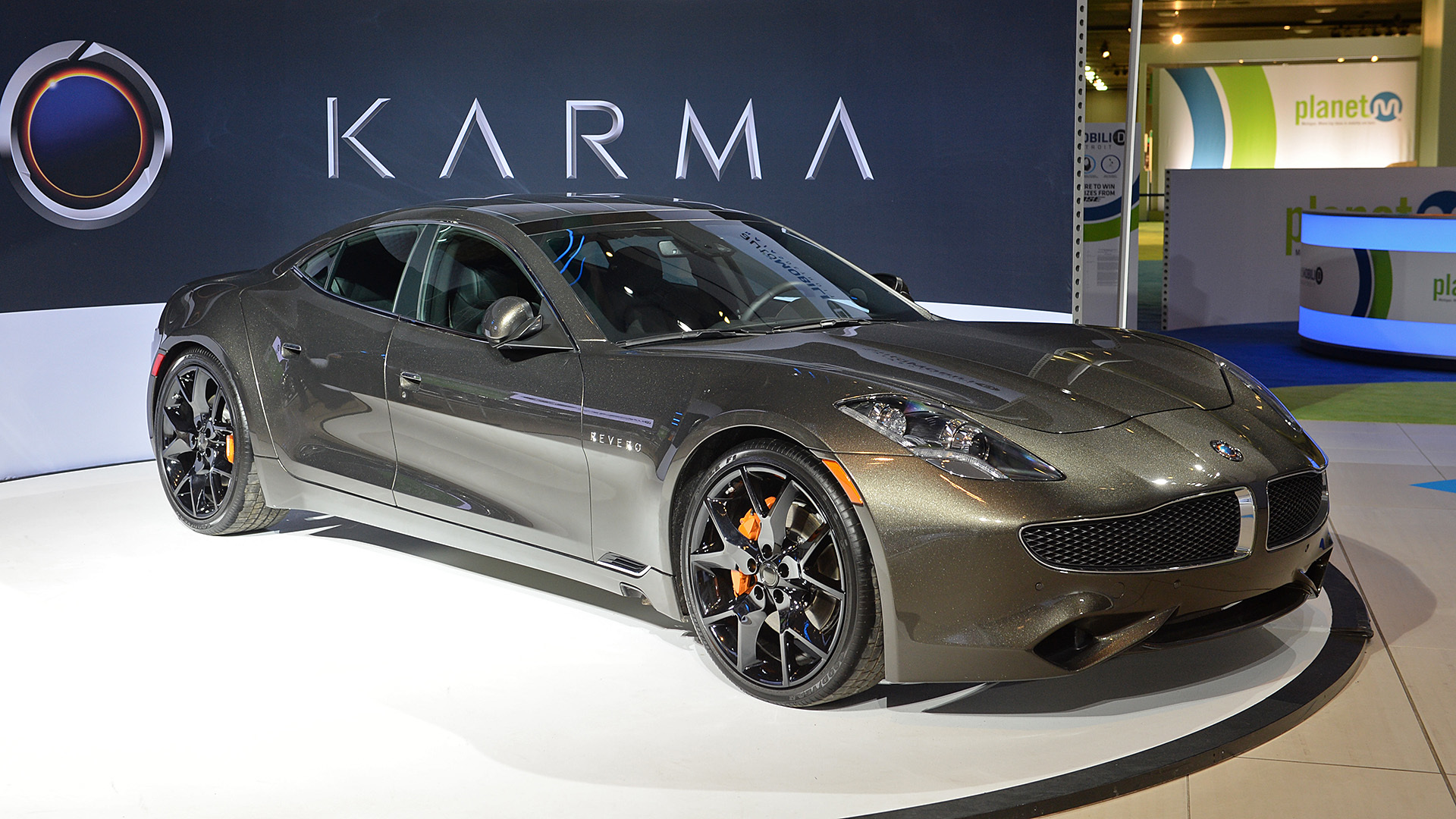
    Karma Automotive is prepping three vehicles — a concept car developed with Italian design house Pininfarina, the next-generation Revero electric car and the Karma Vision concept – that it hopes will propel the brand in a new direction.

    They will debut next month at the Shanghai auto show.

    “Taken together, Karma’s Shanghai Big Three represents our transformation from an old-value car manufacturer to a company building long-term value in part by becoming an open-platform luxury high-tech automotive incubator,” Karma CEO Lance Zhou said in a statement.

    Karma Automotive, headquartered in Irvine, Calif., was founded after the demise of Fisker Automotive, created by noted designer Henrik Fisker. The company’s sole product was the gasoline-electric Fisker Karma luxury car. Chinese supplier Wanxiang Group bought Fisker Automotive in a bankruptcy auction and put a revised version of the Karma back into production as the Revero in 2016.

    Karma plans to introduce a revised version of the Revero this year. The car is sold through a network of 19 stores in the U.S., Canada and Chile.

    The company released little information about the three vehicles scheduled for the Shanghai auto show, which opens April 16.

  • China’s Wanxiang gets approval to produce Karma electric cars

    China’s Wanxiang gets approval to produce Karma electric cars

    Wanxiang Group, a major Chinese auto parts supplier which almost three years ago bought the assets of defunct California-based plug-in hybrid carmaker Fisker Automotive, has received approval from local regulators to produce electric vehicles in China.

    According to a notice on Friday on the website of the National Development and Reform Commission (NDRC), China’s top economic and industrial planner, Wanxiang has the green light to build a factory with capacity to produce 50,000 electric cars a year.

    The move means the former Fisker Automotive, which was founded in part with a U.S. government loan and ceased production of its $100,000 plug-in electric hybrid sports cars in 2012 after a series of technical glitches and cost overruns, continues to survive under Chinese ownership after Wanxiang gave it a second life.

    Wanxiang later changed Fisker’s name to Karma Automotive.

    Wanxiang, a Hangzhou-based company which in 2012 also acquired U.S. lithium-ion battery maker A123, became the sixth company to be allowed to produce new-energy vehicles in China.

    More companies are currently being encouraged to enter the automotive industry in China but only if they are willing to produce so-called new-energy cars, mostly all-electric battery cars and heavily electrified plug-in hybrids.

    China has been making a push for electrically-propelled cars by offering incentives to buyers, forcing global automakers to share their technology, and opening its market to tech firms and others to produce electric vehicles.

    Beijing wants such vehicles to serve the mass market, and hopes the technology will help its auto industry close a competitive gap with global rivals which have a century’s head-start in traditional combustion engines.

    Aside from Wanxiang, NDRC has approved five companies to produce new-energy vehicles, including Ch-Auto’s Qiantu Motor, and Changjiang Auto. More companies such as WM Motor, Future Mobility, Singulato Motors are seeking approval.