Tag: kevin warsh

  • US Lawmaker Asks Fed Chair Kevin Warsh to Review Hong Kong Funding Access

    US Lawmaker Asks Fed Chair Kevin Warsh to Review Hong Kong Funding Access

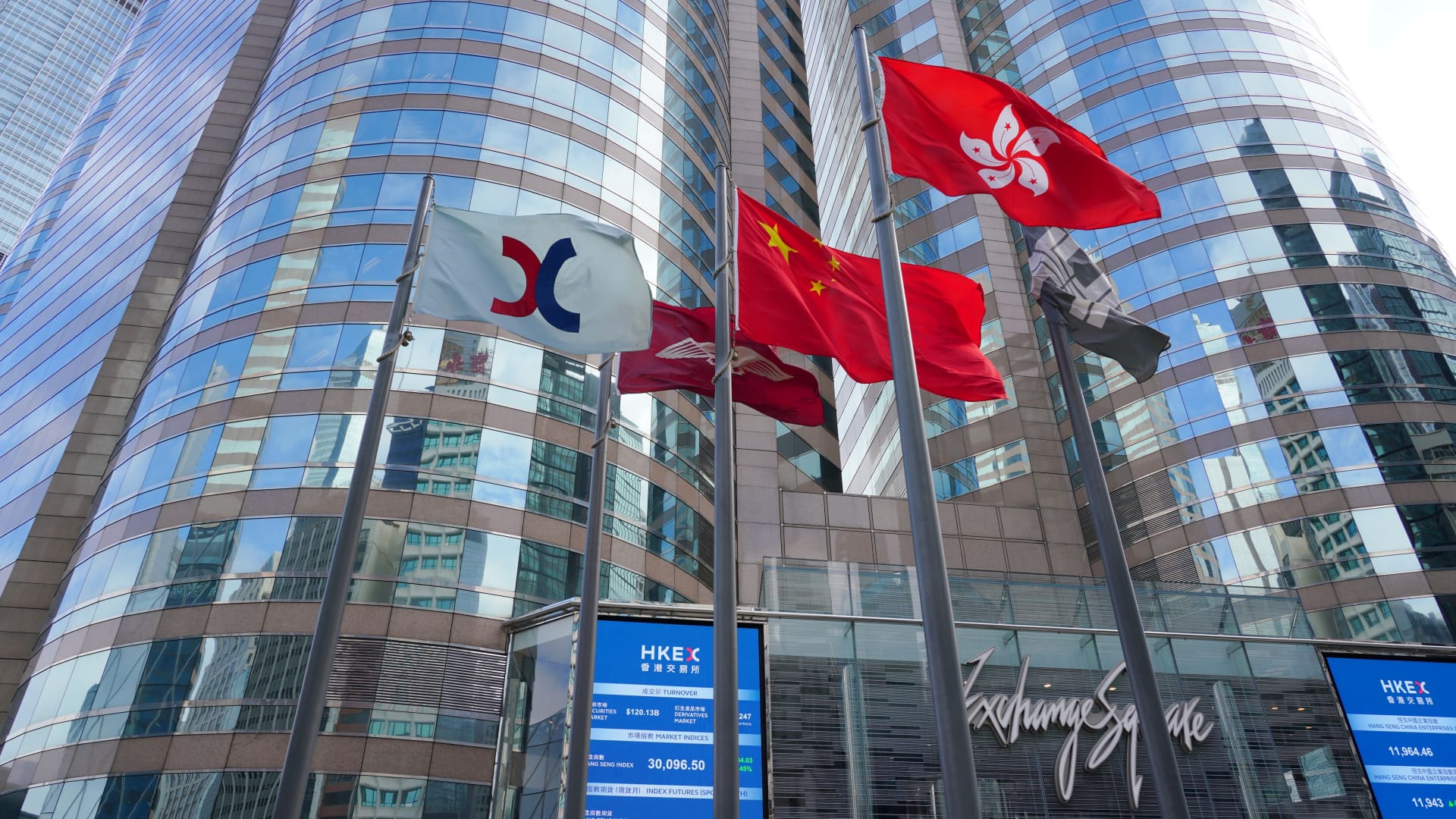
    A US lawmaker asked Federal Reserve Chair Kevin Warsh on 9 October 2026 to review Hong Kong’s access to an emergency short-term dollar funding facility. The request cited Beijing’s global yuan push.

    Hong Kong financial operations face limited fallout from the proposal. The city does not rely on the emergency window for regular financing.

    The Emergency Funding Review

    The facility supplies short-term US dollar liquidity during market disruptions. Washington lawmakers want access re-evaluated as China expands renminbi cross-border settlements and builds alternative payment rails.

    This push targets Hong Kong’s access to central bank swap lines and repo facilities managed in Washington. Curtailing that access would signal an attempt to weaponize core central bank liquidity mechanisms over currency competition.

    Impact on Hong Kong Financial Operators

    Immediate disruption remains negligible for lenders, treasury desks, and corporate borrowers in Hong Kong. Local banks run on deep foreign exchange reserves and private market liquidity rather than standing central bank borrowing lines.

    Market confidence carries the real risk. Restricting access to standard central bank liquidity safety nets creates friction for international institutions managing dollar-denominated assets through Hong Kong.

    Risks to Global Dollar Dominance

    Politicizing access to Federal Reserve backstops creates unintended consequences for the United States. Blocking commercial financial centers from dollar liquidity tools encourages global market participants to diversify reserves into alternative currencies.

    Narrowing access accelerates the shift toward non-dollar settlement platforms across Asia. The policy stance risks undermining the dollar’s status as the global reserve benchmark faster than foreign policy initiatives can contain competing currencies.

    Next Steps for the Fed

    Scrutiny over offshore dollar clearing has increased alongside geopolitical competition between Washington and Beijing. The proposal reflects broader legislative efforts to examine ties between American central banking infrastructure and Asian clearing hubs.

    The Federal Reserve has not issued a formal response to the lawmaker’s request, leaving the review timeline open.

  • China Sovereign Bond Yields Drop to 1.69 per Cent as US Gap Widens

    China Sovereign Bond Yields Drop to 1.69 per Cent as US Gap Widens

    China’s 10-year government bond yield fell to 1.692 per cent on Monday, widening the policy divergence with the United States as domestic economic growth slowed.

    The yield sits near a 12-month low after July retail sales, industrial output, and fixed-asset investment all missed analyst forecasts.

    Brokerages including Great Wall Securities project the 10-year yield will drop further to 1.65 per cent. The slide reflects rising domestic calls for borrowing cost cuts to counter deflation and a prolonged property slump.

    In contrast, long-term borrowing costs in the United States remain elevated. The US 30-year Treasury yield hovered near a two-decade high of 5.304 per cent. Federal Reserve Chairman Kevin Warsh indicated at the Jackson Hole symposium that inflation control remains the primary focus over employment, while eliminating forward policy guidance. US Treasury Secretary Scott Bessent pledged to double a bond buyback programme, yet investors continue demanding higher yields for long-dated American debt.

    Foreign Inflows and Diverging Policies

    Overseas investors purchased 9.5 billion yuan ($1.4 billion) in Chinese government bonds in July, logging their third consecutive month of net buying. Total foreign holdings in China’s nearly 200 trillion yuan debt market stand at approximately 4.3 trillion yuan, representing roughly 2 per cent of the market.

    A stronger yuan alongside lower local yields has helped attract offshore capital seeking insulation from volatile global equities. While the US central bank confronts energy price pressures and heavy fiscal debt issuance under the Trump administration, Beijing faces the opposite challenge of stimulating dormant consumer demand.

    Capital Flows Across Asian Markets

    For corporate borrowers and retailers across Asia, the widening interest-rate spread alters funding strategies. Chinese issuers are leaning harder into yuan-denominated debt to capture ultra-low domestic borrowing costs, while dollar-denominated debt servicing grows heavier.

    Markets now watch whether the People’s Bank of China will deliver an official policy rate cut before the third quarter ends, testing the projected 1.65 per cent floor on sovereign yields.

  • Vietnam Gold Prices Drop to Lowest Level Since July

    Vietnam Gold Prices Drop to Lowest Level Since July

    Gold prices in Vietnam dropped on Saturday morning to their lowest level since July 22, tracking an overnight tumble in global bullion markets.

    Saigon Jewelry Company gold bars declined 1% to VND148.7 million ($5,700.59) per tael, which equates to 37.5 grams. Gold rings slipped 0.99% to VND149.7 million per tael, bringing the total decline for domestic gold to 2.68% so far this year.

    Global Bullion Tumbles on Rate Bets

    The domestic retreat tracked sharp losses across international trading desks. Spot gold fell 2.9% to $4,567.23 per ounce on Friday, marking its lowest reading since August 20. U.S. Gold futures for December delivery settled down 2.9% at $4,529.9 per ounce.

    Traders liquidated positions after Federal Reserve Chairman Kevin Warsh indicated that inflationary pressure remains persistent. The comments prompted markets to price in higher odds of monetary tightening rather than immediate policy relief.

    Domestic Retail Demand Reacts

    The drop reversed an earlier weekly rally that lifted global prices to a high of $4,696.18 on Tuesday. Gold ended the week down 2.9% overall.

    In Vietnam, physical gold remains a primary retail savings vehicle and an inflation hedge. When global spot prices swing rapidly, domestic jewellery retailers adjust their buy and sell spreads within hours to protect inventory margins.

    Market participants now shift their attention to the upcoming Federal Reserve policy meeting in September to gauge whether physical bullion demand in Asia will face further currency and interest rate headwinds.