Retail News CRM

Tag: kirin

  • Kirin to buy Blackmores in $1.88 billion cash deal

    Kirin to buy Blackmores in $1.88 billion cash deal

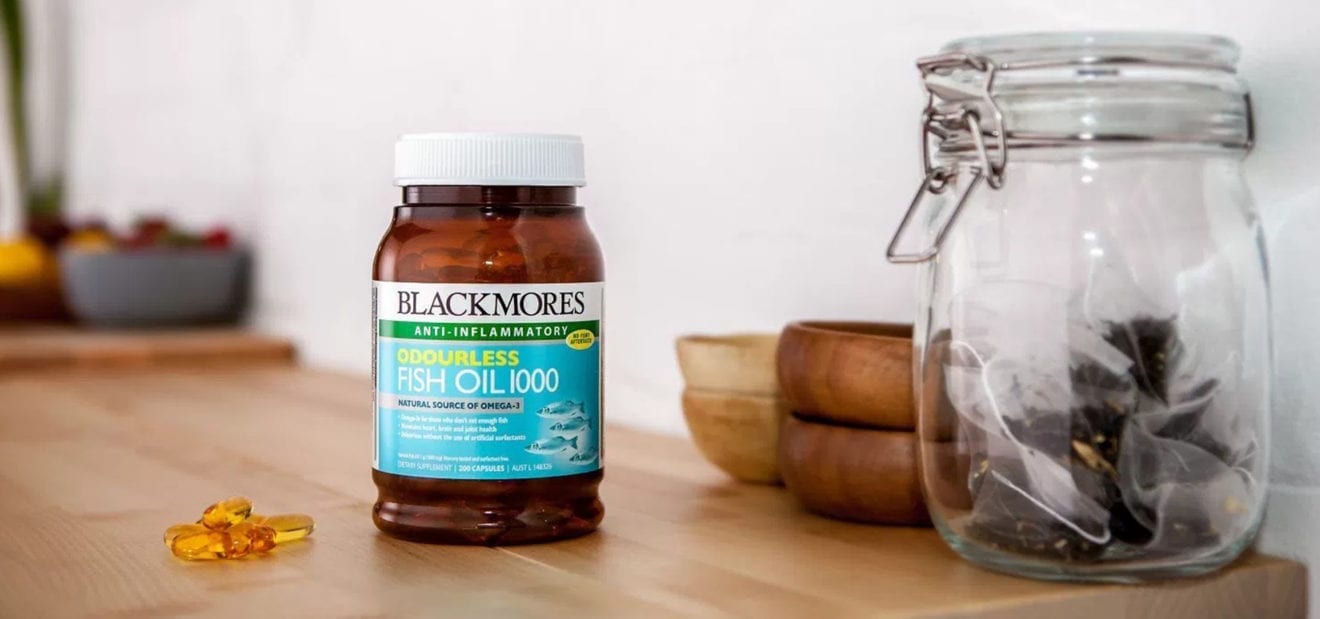
    Japanese drinks giant Kirin Holdings has agreed a $1.2 billion buyout of Australian vitamin maker Blackmores, furthering a diversification push while offering the struggling target’s shareholders a neat exit.

    The deal makes good on a plan by Kirin to broaden its business beyond alcoholic drinks as a growing interest in health raises expectations of tougher regulation.

    It also throws a lifeline to Blackmores shareholders after years of soft returns. The company grew from Australia’s first health food store nearly a century ago into a national success story as it capitalized on Chinese appetite for imported health supplements.

    But COVID-19 containment ended the “daigou” boom, where Chinese consumers bought goods abroad to carry home, and the firm has been struggling to recover sales since. Before the Kirin deal, Blackmores shares traded at one-third their value in 2016, the height of the daigou craze.

    “When you’ve spent 57 years at a business, you don’t want to see the business suffer, and you want to see the business successful,” said former chairman Marcus Blackmore, son of the firm’s founder and its top shareholder with 19%.

    “I have no doubt in my mind that Kirin will deliver on that promise to me,” added Blackmore, 78, in a phone interview.

    Kirin, which makes about half its sales from alcoholic drinks, including top Australian beer brands like Tooheys, said it would benefit by joining a pharmaceuticals unit based in Japan with an already large Australian footprint.

    “In the health sciences area, Kirin is strong in Japan while Blackmores has a strong presence in Australia, China, and Southeast Asia,” Kirin Senior Executive Officer Takeshi Minakata told a Tokyo news conference.

    “The combination of the two companies will enable us to supplement each other’s coverage in areas that have not been covered so far.

    The news pushed Blackmores shares up 23% to A$94.26, their biggest single-day gain, and just short of Kirin’s A$95 purchase price as investors considered the deal final while allowing for dividends that might be paid, which would be subtracted from it.

    “Higher interloping bids are possible, but we think the odds are low given our A$80 stand-alone assessment of Blackmores’ intrinsic value,” said Morningstar analyst Shane Ponraj in a client note.

    Kirin shares fell as much as 3% as analysts wondered if it overpaid.

    “The deal just looked a bit expensive and Japan generally takes M&A negatively. A little surprised it isn’t down more.” said Mio Kato, founder of LightStream Research, who publishes on the SmartKarma platform.
  • Japan brewer Kirin to exit Myanmar

    Japan brewer Kirin to exit Myanmar

    Japanese drinks giant Kirin said Monday (Feb 14) it will withdraw from Myanmar, after a failed bid to disentangle its operations from a joint venture with a junta-owned company after last year’s coup.

    The brewery is the latest foreign company to pull out of Myanmar with international pressure building against the junta since it ousted civilian leader Aung San Suu Kyi and waged a widespread crackdown on dissent.

    Kirin said its decision comes after months of wrangling following the coup last February, which prompted the company to express concerns about human rights and eventually seek to end its joint venture Myanmar Brewery Limited.

    Kirin has decided “to withdraw from the business in Myanmar in order to urgently terminate its joint venture partnership” with military-linked MEHPCL, the company said in a statement.

    Myanmar Brewery, whose beverages include its flagship and ubiquitous Myanmar Beer brand, boasted a market share of nearly 80 per cent, according to figures published by Kirin in 2018.

    Kirin’s attempts to terminate the partnership with MEHPCL were unsuccessful, and the Japanese drinks maker said in November that it would contest a bid to dissolve their joint brewery over fears liquidation proceedings would not be fair.

    On Monday, Kirin said it had taken “every measure to find a way forward that would allow it to continue to contribute to Myanmar’s economy and society”.

    That included filing for arbitration in Singapore in a bid to end the joint venture and proceed without the military-linked partner.

    “In the end, Kirin Holdings determined that it would be difficult to quickly terminate the joint venture in the manner it desires,” the company added in a statement.

    “Therefore, Kirin Holdings has now commenced and is proceeding with discussions with MEHPCL in order to withdraw from the business in Myanmar, giving top priority to the termination of the joint venture as soon as possible.” A junta spokesperson did not immediately respond to a request for comment.

    With the economy tanking and pressure mounting from rights groups, companies from France’s TotalEnergies to British American Tobacco and Norway’s Telenor have upped sticks or announced they will leave.

    After the coup and arrest of Myanmar’s democratic leaders, Kirin said it was “deeply concerned” by the military’s actions.

    The brewery had been under pressure even before the coup over its ties to Myanmar’s military, and launched an investigation after pressure from rights groups into whether money from its joint venture had funded rights abuses.

    In a statement, Justice For Myanmar spokesperson Yadanar Maung welcomed Kirin’s decision to withdraw from the country, praising the firm for “listening to the voice of Myanmar people and Myanmar, Japanese and global civil society”.

    “Kirin should never have entered into business with a brutal and corrupt military conglomerate,” she added, accusing the brewery of having “financed atrocity crimes and enriched top generals.”

    The activist group urged other Japanese firms doing business with the military to cut ties, and called on Kirin to avoid payments to MEHPCL or the military during the withdrawal process.

    Investors piled into Myanmar after the military relaxed its iron grip in 2011, paving the way for democratic reforms and economic liberalisation in the country of more than 50 million people.

    They poured money into telecommunications, infrastructure, manufacturing and construction projects, but the coup upended the democratic interlude and damaged the economy.

    The pandemic and supply chain disruptions have also hit the country, with Kirin saying in its earnings report released Monday that Myanmar’s beer market has shrunk by about 20 per cent.

    It said Myanmar Brewery’s sales volumes had decreased by around 30 per cent compared to the same period last year.

  • Myanmar retail sector ringing up sales

    Myanmar retail sector ringing up sales

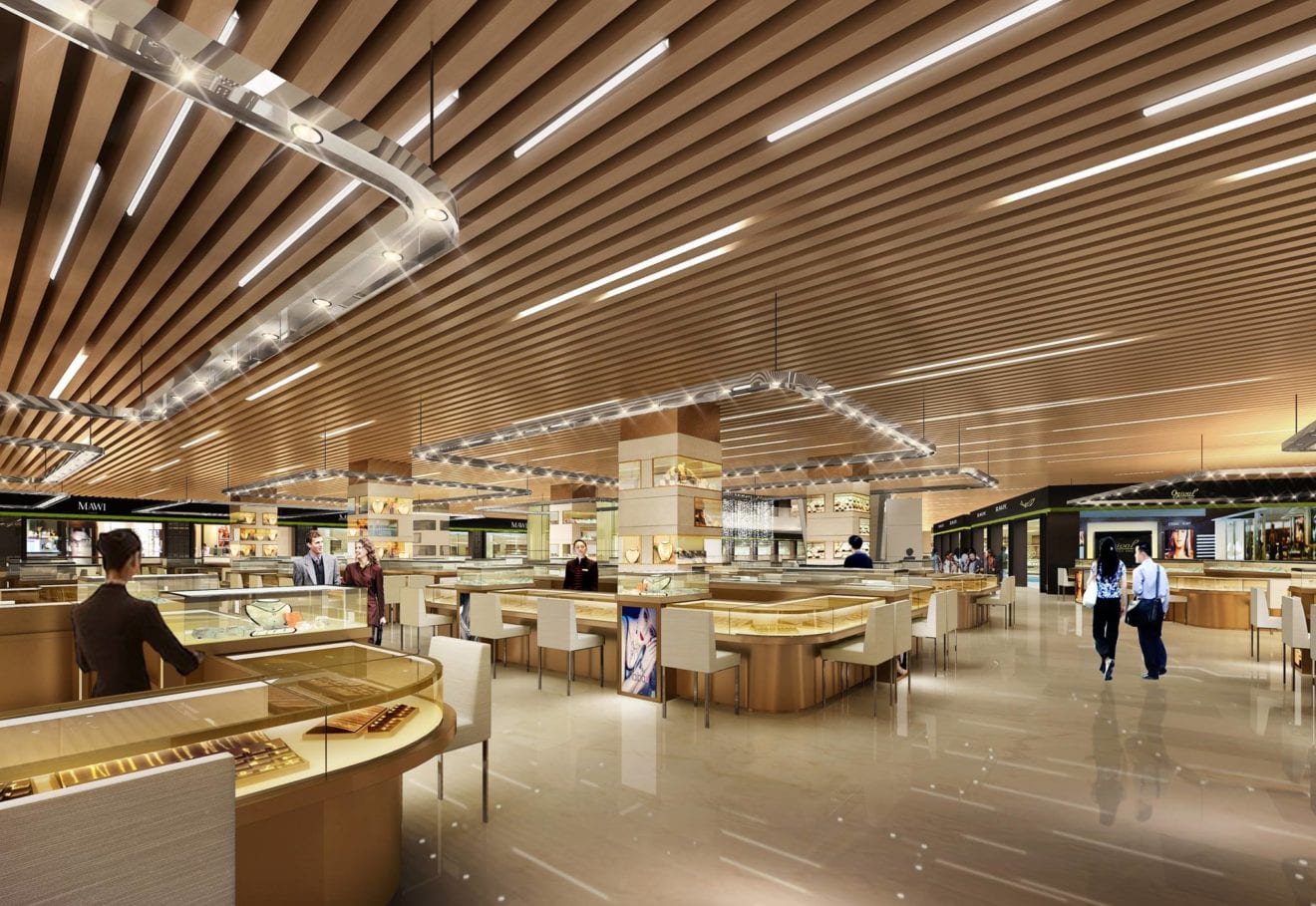
    Rising incomes, an expanding economy and changing consumer patterns are attracting a growing number of international brands to Myanmar. By fuelling competition amongst existing players, their presence is expected to trigger an improvement in the range and quality of products and services on offer.

    International attention has been driven by bullish retail growth, which has expanded by an average rate of 7-15% per annum since 2011.

    Daw Win Win Tint, managing director of leading retailer City Mart Group and president of the Myanmar Retailers Association, told OBG international bands are attracted to Myanmar’s strong economic growth and increasing consumer purchasing power.

    “The average basket of goods continues to grow by around 10% per year mainly due to increasing spending power in urban cities, especially Yangon, where salaries have risen significantly,” she said.

    Fast moving

    Several international brands have made forays elsewhere the retail supply chain, making strategic greenfield investments in local processing. In the fast-moving consumer goods (FMCG) segment, Carlsberg and Heineken both opened brewing factories in Myanmar earlier this year through joint ventures with local partners, and Japan’s Kirin acquired a 55% stake in market leader Myanmar Beer for $560m in August.

    While modern retail currently accounts for just 10% of the FMCG segment, Daw Win Win Tint expects restrictions on foreign retail chains entering the Myanmar market to be lifted sometime in the future. As local purchasing power grows and Myanmar consumers have greater exposure to foreign brands via the internet and international travel, demand in the FMCG segment in particular is expected to rise.

    “There needs to be more awareness of the potential of the FMCG sector, as Myanmar has a population of approximately 51m and the prospects of becoming a manufacturing hub for South Asia,” she told OBG.

    Rising tide of consumerism

    Industry observers forecast a surge in consumer activity in the coming years, with the McKinsey Global Institute predicting in mid-2013 that Myanmar’s GDP would expand by more than four-fold by 2030, from around $45bn to $200bn. The group also predicted that rising incomes would fuel expansion of the country’s consumer class, jumping from 2.5m to 19m over the period, with consumer spending to triple to $100bn per year.

    As the country liberalises its retail market, the division of consumer spending between domestic and international retailers could see a shift. Local consumption habits continue to favour local products, though this is largely due to availability. In the beer segment for example, Myanmar Brewery accounts for more than 80% of sales.

    Though Myanmar consumers may welcome the entry of new brands and chains, such a transformation is likely to be a strain on current operators, who will have to contend with high-profile rivals with international experience and economies of scale. This will force local retailers to adapt to the changing market, which should bolster the portfolio products on offer and promote market efficiency.

    Consumer spending

    In addition to the prospect of greater competition, a decline in consumer confidence has the potential to cool sales in the shorter term. Though consumer sentiment in Myanmar remains among the most positive in the region, according to the most recent MasterCard survey, there has been a recent dip in the outlook of shoppers.

    Myanmar’s rating on the latest consumer confidence index, issued at the end of July, slipped from a regional high of 97.2 in mid-2014 to 81.6. Although still ahead of the South-east Asian average of 71 – second only to Vietnam – the 15.6-point drop was one of the sharpest recorded over the period. Although Myanmar’s position on the MasterCard index may have eased somewhat, any rating above 50 suggests that consumers remain optimistic.

    Weaker sentiment could be due in part to upcoming elections, scheduled for November, though increasing inflation is also likely to be a factor. According to the IMF, inflation reached 8% at the end of May. While low compared to an average of 23% between 2001 and 2010, this represents an increase from the 5% and 6.1% registered in FY 2011/12 and FY 2012/13, respectively.

    The ongoing depreciation of the kyat and crackdown on dollarisation could also be impacting consumer confidence, with the currency falling some 25% year-to-date against the US dollar in August. In addition to affecting the price of foreign goods, this downward movement has also increased the cost of local goods that rely on imported components.