Tag: KKR

  • Weave Living Acquires 108 Tokyo Apartment Units with Japanese Investors

    Weave Living Acquires 108 Tokyo Apartment Units with Japanese Investors

    Weave Living has acquired three Tokyo apartment buildings comprising 108 units backed by a consortium of Japanese investors to expand its domestic capital partnerships.

    The off-market purchase, announced Wednesday, lifts the Hong Kong-based rental operator’s assets under management in Japan to JPY 120 billion ($764 million) across nearly 50 properties. Weave did not disclose the purchase price or the seller’s identity, but confirmed the investor group includes one of the world’s largest financial services institutions.

    Refurbishment and Digital Leasing Plan

    Two of the assets, Ginza Hatchobori and Yoyogi Uehara, sit in Chuo and Shibuya wards inside Tokyo’s central five districts. The third building is in Taito ward’s Asakusabashi district.

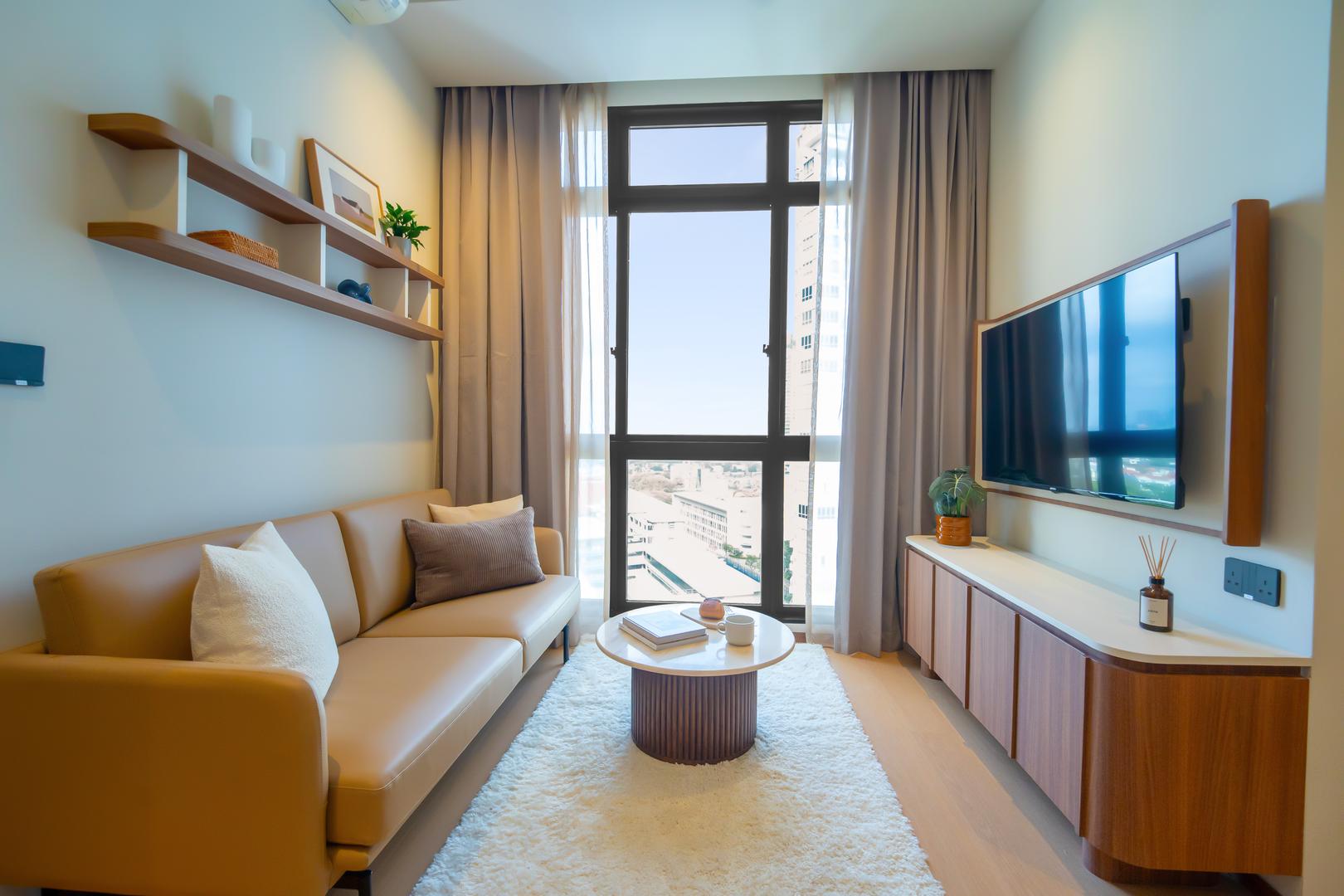
    Plans call for converting the three properties into the Weave Place long-stay furnished accommodation brand. Upgrades will cover common areas and full apartment interiors. Leasing operations will shift to the company’s proprietary mobile app, which bundles utility bills and Wi-Fi into single monthly contracts with minimal upfront costs.

    Furnished units target professional tenants relocating to the Japanese capital. The model bypasses traditional multi-year leasing structures that require heavy initial deposits.

    Institutional Capital in Tokyo Living Sector

    Institutional capital into Japanese residential assets has accelerated as operators look for steady yields backed by urban migration. Furnished formats generate higher revenue per square metre than conventional long-term leases. However, they demand higher operational oversight and carry shorter lease profiles.

    Across the 23 wards, Tokyo residential rents rose 2.8 percent in the second quarter and 5.3 percent year on year to JPY 4,829 per square metre per month. In the central five wards, rents climbed 5.2 percent from a year earlier. Occupancy there edged down 0.8 percentage points to 95.6 percent.

    Weave founder and chief executive Sachin Doshi said the transaction reflects “the continued interest of offshore and domestic capital in seeking a differentiated exposure to the living sector in Japan”.

    Expansion Following KKR Venture Exit

    Recent activity follows a series of programmatic joint ventures across Tokyo. Weave closed its first domestic partnership last November with Mitsubishi UFJ Financial Group anchoring an 11-property, JPY 20 billion portfolio. In January, it added a JPY 22 billion venture with BGO Strategic Capital Partners for 10 buildings.

    In August, Weave partnered with Aberdeen Investments on a JPY 15 billion acquisition of six apartment blocks backed by Dutch pension manager PGGM. On September 7, Weave and private equity firm KKR completed a JPY 55 billion recapitalisation of a 14-property Tokyo portfolio with a Southeast Asian institutional investor. That deal allowed Weave to exit its equity position while keeping long-term management rights.

    Phased unit refurbishments are now underway across the newly acquired buildings. Renovated units are scheduled to roll out onto the company’s digital leasing platform over the coming quarters.
  • Samsung Pledges $1B to KKR AI Infrastructure Vehicle Helix

    Samsung Pledges $1B to KKR AI Infrastructure Vehicle Helix

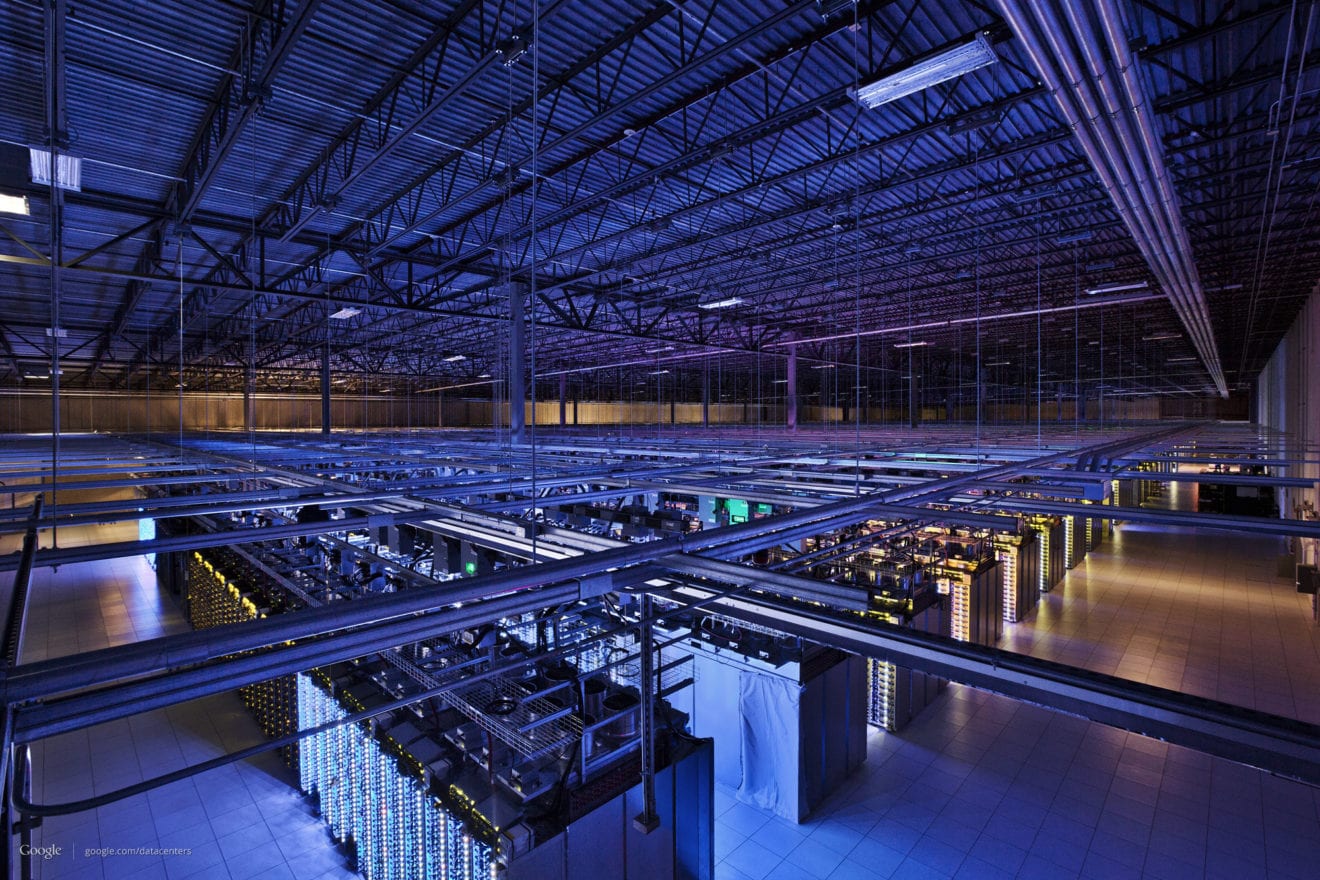
    Samsung committed $1 billion to KKR’s Helix Digital Infrastructure strategy on Tuesday. The deal lifts total capital secured for the artificial intelligence platform past $11 billion.

    Half the capital comes from Samsung Electronics. Five group affiliates will contribute the remaining $500 million to fund data centres, electricity networks and cooling systems for global hyperscalers.

    Affiliate Capital and Supply Rights

    Funding flows directly into Helix’s long-duration capital fund. Samsung C&T, Samsung SDS, Samsung SDI, Samsung Life Insurance and Samsung Fire & Marine Insurance are supplying the non-electronics portion.

    The structure gives Samsung a dual role as an equity backer and a priority supplier. Helix confirmed it will explore tapping Samsung for technology, engineering and construction, power storage, and data centre cooling. Samsung Electronics acquired climate control specialist FlaktGroup last year to expand its cooling portfolio. Meanwhile, Samsung SDI manufactures server backup batteries, and Samsung SDS operates GPU cloud infrastructure.

    KKR created Helix to package property development, power generation, transmission and connectivity into a single vehicle for tech giants. The platform launched in June. It secured anchor capital from KKR’s balance sheet alongside commitments from Nvidia, the Kuwait Investment Authority and US power generator Vistra.

    “Samsung’s commitment is a strong vote of confidence in Helix’s strategy and further deepens the long-term capital base we’ve built to meet the scale of AI infrastructure demand,” said Adam Selipsky, co-founder and CEO of Helix.

    Selipsky runs the platform after leading Amazon Web Services through 2024, where he oversaw annual revenue reaching $100 billion. Helix chief investment officer Waldemar Szlezak heads KKR’s digital infrastructure unit globally. He previously managed telecommunications assets at Soros Fund Management.

    The Conglomerate Supply Play

    This capital injection gives Samsung an inside track on massive construction contracts outside its domestic market. Hyperscale operators face severe shortages of high-voltage power equipment, battery storage and specialised cooling gear. That bottleneck cannot be resolved by real estate capital alone. By pooling six corporate entities into one vehicle, Samsung secures a customer pipeline for its heavy industrial, battery and IT services units.

    For regional infrastructure operators and competing landlords, the tie-up raises the barrier to entry. Standalone data centre developers must now compete against private equity consortiums that bring proprietary equipment, chip partnerships and power agreements to site negotiations. The chief risk for Samsung lies in capital concentration. Matching long-duration equity to hyperscale facility leases leaves cash locked into physical assets if artificial intelligence buildout schedules slow down.

    KKR’s Expanding Footprint in Seoul

    South Korea has become a key target for KKR, which has deployed roughly $3 billion in the country this year. In August, KKR agreed to purchase a 29 percent stake in SK Horizon, the server facility arm carved out of SK Broadband. That deal was part of a KRW 3.08 trillion ($2.2 billion) joint transaction with Korean funds.

    That acquisition followed a July agreement between KKR and SK Inc to launch a renewable energy joint venture. The venture started with 1.7 gigawatts of operational capacity. It holds a stated target to expand to 10 gigawatts by 2031.

    Beyond digital infrastructure, KKR has been active across commercial property and logistics in Seoul. The firm completed the KRW 1 trillion buyout of the 427,354-square-metre Cheongna Logistics Center in Incheon from Brookfield in December, securing leases with Coupang and Emart24. It also manages office assets including Namsan Square and the Shinhan Investment headquarters.

    Regional Data Capacity Expansion

    Digital infrastructure deals across Asia Pacific have accelerated as operators race to match power and compute requirements. KKR and Singtel recently completed their buyout of ST Telemedia Global Data Centres, paying S$6.6 billion to take full control in a deal valuing the platform at S$13.8 billion ($10.9 billion). KKR holds 75 percent of that vehicle. It controls 2.3 gigawatts of design capacity across Asia and Europe.

    Helix has yet to announce its first ground-up Asian development site. Meanwhile, the operational carve-out of SK Horizon is scheduled for completion before the end of the year.

  • Southeast Asia Data Centers Secure 11.5 Billion Dollars in Equity as AI Surges

    Southeast Asia Data Centers Secure 11.5 Billion Dollars in Equity as AI Surges

    Southeast Asian data center operators raised 11.5 billion dollars in disclosed equity across 19 deals, with 85 percent of the total arriving since early 2024.

    Five Singapore-headquartered platforms secured roughly 98 percent of that capital, backed by sovereign funds, pension investors, and global private equity firms building capacity for regional artificial intelligence demand.

    Sector funding expanded sharply after years of modest activity. Between 2020 and 2023, regional data center operators raised a combined 1.68 billion dollars. Annual totals climbed to 3.2 billion dollars in 2024, 1.9 billion dollars in 2025, and 4.7 billion dollars in 2026 to date, driven by mega-rounds such as DayOne’s 4.5 billion dollar Series C.

    Capital concentrates in Singapore

    All five top-funded platforms, DayOne with 6.4 billion dollars, Princeton Digital Group with 2.2 billion dollars, ST Telemedia GDC with 1.3 billion dollars, Nxera with 806 million dollars, and Digital Edge with 640 million dollars, hold their corporate headquarters in Singapore.

    While holding companies domicile in the city-state, physical construction spreads across neighboring growth corridors. DayOne committed over 28 billion ringgit (7 billion dollars) to Malaysia through 2026 and partners with the Indonesia Investment Authority on a 72-megawatt campus in Batam. Princeton Digital Group operates a 1.1-gigawatt portfolio across six Asian markets, while Digital Edge runs sites in Japan, South Korea, India, Malaysia, Indonesia, and the Philippines.

    Mergers and acquisitions accelerated alongside greenfield development. Deal intervals compressed from over four years down to nine months. In the sector’s landmark transaction, buyers followed a June 2024 purchase of an 18.3 percent stake in ST Telemedia GDC by acquiring the remaining 82 percent 20 months later at an enterprise valuation of 13.8 billion Singapore dollars (10.86 billion dollars).

    Debt builds beside equity

    Hyperscale tenant contracts with predictable cash flows have allowed operators to layer large debt packages onto their balance sheets. Digital Edge paired its 640 million dollar equity round with 1 billion dollars in debt. Princeton Digital Group split its 2025 capital raise between 1.3 billion dollars of equity and 1.2 billion dollars of debt, following that with plans outlined in March 2026 to raise up to 5 billion dollars in additional debt facilities.

    Public market debuts remain rare, with Indonesia colocation provider Elitery’s 16 million dollar listing in January 2023 standing as the lone regional listing so far. DayOne filed confidentially for a US initial public offering in August 2026 to raise roughly 5 billion dollars at a 20 billion dollar valuation, while simultaneously seeking to expand an existing 3.4 billion dollar credit line to 7 billion dollars.

  • KKR Agrees to Buy Japanese Beauty Platform Ci Flavours

    KKR Agrees to Buy Japanese Beauty Platform Ci Flavours

    KKR has agreed to acquire Japanese personal care platform Ci Flavours from existing shareholders, including consumer buyout specialist L Catterton.

    The buyout firm will take full ownership from all current equity holders, which include founder Yusaku Horiuchi, Ebeauty Group and Yanagi Capital Partners. Financial terms were not disclosed.

    Horiuchi and Ci Flavours chief executive Yoshiaki Okura will reinvest alongside KKR to retain management stakes in the company. Founded in 2011, the Tokyo-based firm built a retail footprint across Japan and expanded overseas distribution into Asia and North America.

    Brand roster and overseas distribution

    Ci Flavours operates a portfolio spanning haircare, skincare, body care and lifestyle goods. Its primary labels include &Honey, 8 The Thalasso, Unlabel, Theratis and Moroccan Beauty.

    The business handles product lines through multiple channels, including original equipment manufacturing, direct-to-consumer digital storefronts, department store counters and international ingredient sourcing. Mass-market and premium haircare lines in domestic drugstores provided the company with steady cash flow to push into regional export markets.

    Private equity shifts in Japanese consumer assets

    L Catterton backed Ci Flavours in 2022, completing an exit four years later as global private equity funds continue trading established Japanese consumer brands. KKR has actively adjusted its regional consumer portfolio, having completed the sale of supermarket chain Seiyu to Trial Holdings for US$2.55 billion.

    Okura and his executive team plan to deploy fresh capital into foreign market distribution, recruitment and targeted add-on acquisitions in personal care.

  • Neso Brands appoints CEO after $100 million funding round

    Neso Brands appoints CEO after $100 million funding round

    Neso Brands, a subsidiary of eyewear manufacturer Lenskart, has raised $100 million in a seed funding round, which will enable the firm to create a house of brands catering to the global market.

    The company did not divulge the details of the investors involved. However, Lenskart, which owns Singapore-headquarted Neso, has earlier raised large sums in funding from prominent investors such as KKR, SoftBank, Alpha Wave Global and Temasek.

    Founded in 2022, Neso Brands is an eyewear manufacturer and retailer that leverages analytics, tech, and its own supply chain and distribution, to create a large network of co-owned direct-to-consumer (D2C) brands.

    Based out of Singapore, Neso Brands plans to sell its eyewear products to a global market by partnering up with the top entrepreneurs in the industry. It plans to invest in consumer eyewear brands around the world and grow these brands by leveraging synergies across the Lenskart group to accelerate international expansion.

    Neso Brands will utilise e-commerce and technologies such as AR and AI for eyewear brands as a strategy to capture global market share. Neso Brands will house these brands and enable a quicker global rollout by giving the brands access to shared resources – particularly technology, supply chain, distribution, capital and best practices.

    Neso Brands also said Bjorn Bergstrom has joined the founding team as the CEO.

    Bergstrom is an experienced investor and D2C operator, having most recently served as chief growth officer and interim chief product & technology officer for the global fashion brand NA-KD. Bergstrom’s experience prior to that includes working as a venture capital investor focusing on early-stage growth startups, management consulting as well as operational roles at consumer startups.

    “Today, there is a perfect storm in the eyewear industry that makes it ripe for disruption. Consumers have increasingly high demands when it comes to customer experience, branding, and choice, but incumbent players have been unable to keep up. By investing in the most promising new brands in the industry and leveraging centralised resources across technology, manufacturing and distribution, Neso Brands will be uniquely positioned to scale the eyewear brands of the future,” Bergstrom, CEO of Neso Brands, said in a statement.

    “With this investment in Neso Brands, we want to accelerate our mission of transforming the way people see and experience the world. Consumers want better and better every day and while people’s quality of life has been uplifted through all other lifestyle products such as shoes, apparel and wearables, eyewear products are the same old with no innovation, just more expensive. And Neso is our initiative to partner with founders globally to help create eyewear brands of the future,” Peyush Bansal, CEO of Lenskart, said.

  • KKR invests into lifestyle products

    KKR invests into lifestyle products

    Private Equity firm KKR has taken up a “significant stake” in massage chair and lifestyle products group V3, the owner of the OSIM and TWG Tea brands. KKR’s investment is up to S$500 million in V3, valuing V3 at an enterprise value of about S$1.7 billion. However,  Both parties declined to comment on the exact mix of equity and debt financing. KKR is making the investment from its Asian Fund III. What we know is that the investment by KKR represents more than 50 percent increase in enterprise value compared to when the group was taken private.

    Ron Sim remains the Chairman, Chief Executive and Controlling Shareholder of V3. He said: “I am extremely pleased to welcome KKR as a significant shareholder in V3. I am confident this investment will position the company for our next phase of growth, starting with the immediate expansion of TWG Tea in Japan and the US and of OSIM in China. We would also be looking into M&A opportunities that are earnings accretive.”

    KKR partner Jaka Prasetya said the investment underscores KKR’s strong belief in the continued growth of the region’s consumer sector: “We aim to provide support and capital to successful home-grown, regional companies like V3 in order to capture opportunities across Asia and beyond.”

    Headquartered in Singapore, V3 has a presence in over 100 cities in 26 countries around the world. The largest chunk of V3’s revenue comes from sales of OSIM massage chairs.

    V3’s annual revenue climbed back above the S$600 million mark last year, reversing the revenue decline owing to store closures in China in prior years. Profit also rose, Mr Sim said.

    The luxury lifestyle and wellness industry continues to be a sector of exciting growth in Asia, proliferated by rapidly rising consumer affluence throughout the region.

  • KKR to acquire significant stake in V3, TWG Tea

    KKR to acquire significant stake in V3, TWG Tea

    Private equity company KKR is to invest as much as S$500 million (US$366 million) into V3, the parent of cafe chain TWG Tea and massage chair retailer Osim, to fund regional expansion. In a deal which mixes equity and financing, KKR will take an unspecified “significant stake” in V3, which is effectively valued at S$1.7 billion. V3 is the company which resulted from last year’s restructuring of once-listed Osim International after plans for an IPO were shelved.

    Keith Magnus, chairman of Evercore Asia, which advised V3 on the deal said that the investment by KKR represents a more than 50 per cent increase in enterprise value compared to when the group was taken private.

    “This is a phenomenal premium for [Ron] Sim,” said Magnus.

    Sim remains the chairman, chief executive and controlling shareholder of V3. Sim, who remains chairman, CEO and controlling shareholder of the business added in a statement: “I am extremely pleased to welcome KKR as a significant shareholder in V3. I am confident this investment will position the company for our next phase of growth, starting with the immediate expansion of TWG Tea in Japan and the US and of Osim in China.

    “We would also be looking into M&A opportunities that are earnings accretive.”

    V3 also owns the rights to retail GNC nutritional supplements in Singapore, Malaysia, the Philippines and Taiwan.

    Sim says V3’s revenue cleared S$600 million last year and profit was also up.

  • KKR’s Emerald Media leads US$65 million funding in Bangkok startup

    KKR’s Emerald Media leads US$65 million funding in Bangkok startup

    KKR & Co-backed Emerald Media led a US$65mil funding round in aCommerce, a Bangkok-based startup that helps brands including Samsung, Unilever and L’Oreal sell their products online across South-East Asia.

    The four-year-old firm, which already operates in Singapore, Indonesia, Malaysia, Thailand and the Philippines, plans to use part of the proceeds to expand in markets such as Vietnam.

    The firm’s existing backers Blue Sky, MDI Ventures and DKSH also joined the series B round, the company said.

    aCommerce helps about 260 companies such as Samsung Electronics Co and Unilever NV with digital marketing, inventory and delivery for online sales in the region.

    “Brands are realising that in order to stay ahead of the retail game, they need to be omnipresent,’’ said aCommerce co-founder and group chief executive officer Paul Srivorakul.

    “Customers want to reach their favorite brands any time through any platform.”

    The deal marks Emerald Media’s first foray into e-commerce.

    Emerald Media was set up by New York-based private equity giant KKR in 2015 to invest in media, entertainment and consumer technology in Asia.

    KKR has committed US$300mil from its KKR Asia Fund II, and in June, the firm raised US$9.3bil for its third Asian fund to capitalize on the region’s growing consumption.

    “In e-commerce, we see a great deal of convergence in the future between demand generation, data analytics and consumer media and entertainment,’’ said Rajesh Kamat, managing director of Emerald Media.

    “aCommerce, an e-commerce enabler, fits our mandate perfectly.’’

    Emerald is the latest investor to bet on South-East Asia’s online retail industry, poised to surge from US$5.5bil in 2015 to US$88bil by 2025, according to a report by Google and Temasek Holdings Pte.

    Amazon.com Inc., Alibaba Group Holding Ltd, Tencent Holdings Ltd and JD.com Inc have made inroads in the region’s burgeoning industry in the past year.


  • Japan’s Nissan to sell parts maker Calsonic Kansei to KKR

    Japan’s Nissan to sell parts maker Calsonic Kansei to KKR

    Nissan Motor Co has decided to sell its entire stake in Japanese auto parts maker Calsonic Kansei Corp to U.S. private equity firm KKR &Co as part of a $3.8 billion takeover, the Nikkei daily reported, without citing its sources.

    KKR then will try to buy the remaining shares in Calsonic from other shareholders through a takeover bid, bringing the total deal to as large as 400 billion yen ($3.80 billion), the report said.

    Bain Capital and MBK Partners were also bidding to buy the auto parts maker, which has a market value of about 280 billion yen, Thomson Reuters LPC had reported earlier.

    Trading of Calsonic Kansei was suspended by the Tokyo Stock Exchange on Friday morning. A Calsonic Kansei spokesman said the company had not announced a sale to KKR.

  • E-Land Group sells clothing brand to China

    E-Land Group sells clothing brand to China

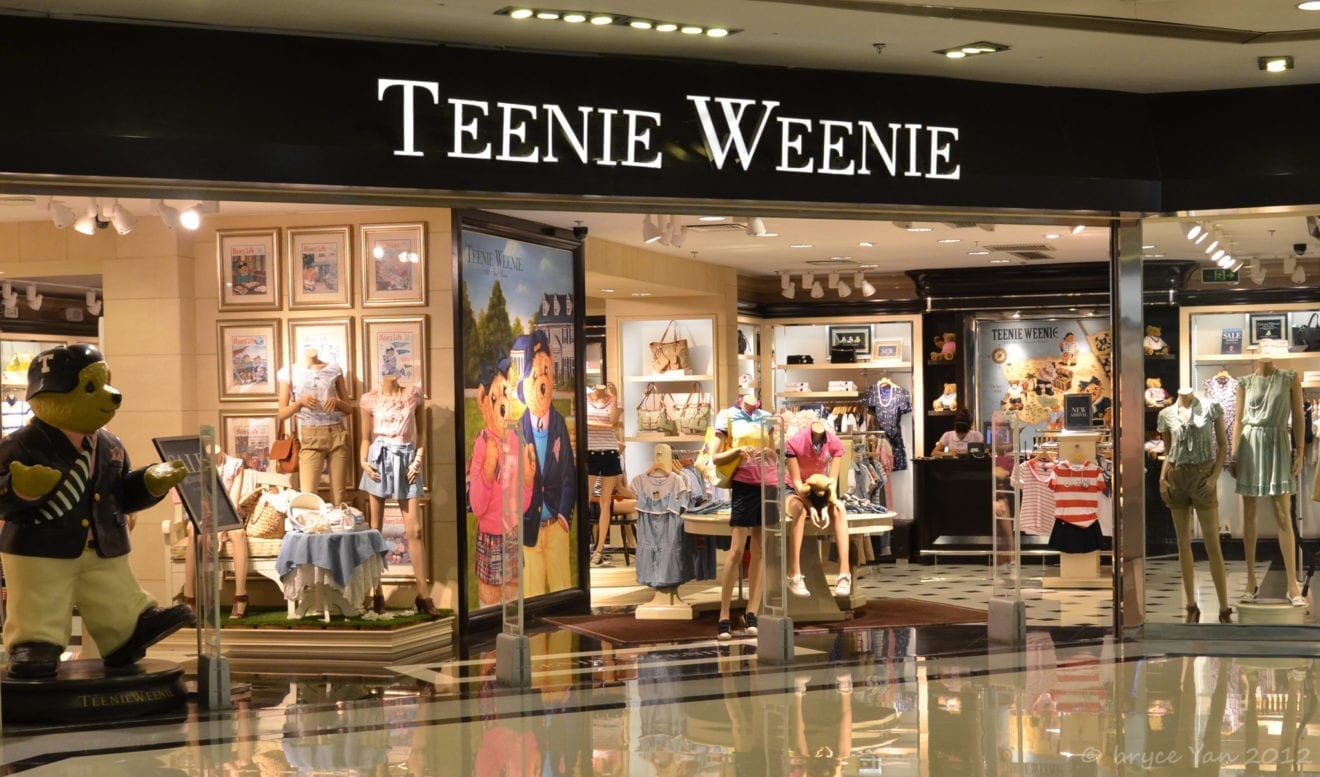
    To raise funds to cut debt, South Korean apparel retailer E-Land Group is selling a youth clothing brand to China’s V-Grass Fashion Co for nearly US$900 million.

    South Korea’s largest apparel retailer, E-Land Group says it expects to close the sale of its Teenie Weenie business for around 1 trillion won by year-end. It says the sale will help cut its debt-to-capital ratio by about a third.

    Led by the success of cosmetics firms, demand in China is surging for Korean products, as well as Korean TV dramas and K-pop music.

    origin_0e7d699c9db0be3878895dcc837751c1

    Teenie Weenie has the strength of both being a Korean firm with a Chinese partner, says VP Lee Gyu-Jin. Launched in China in 2004, it already has a strong profile for its casual clothing. It has 1400 department store and other outlets in China with annual revenue of 420 billion won.

    V-Grass is a Shanghai-listed women’s apparel company with a market value of about $685
    million and is little known outside China. Earlier this year it said it planned to raise up to 1.35 billion yuan ($202 million) in a private share placement “to fund projects”.

    Earlier, E-Land Group dropped a plan to sell its Kim’s Club hypermarket chain to US private equity fund KKR, citing differences over price.

  • SMCP vows to continue China roll-out

    SMCP vows to continue China roll-out

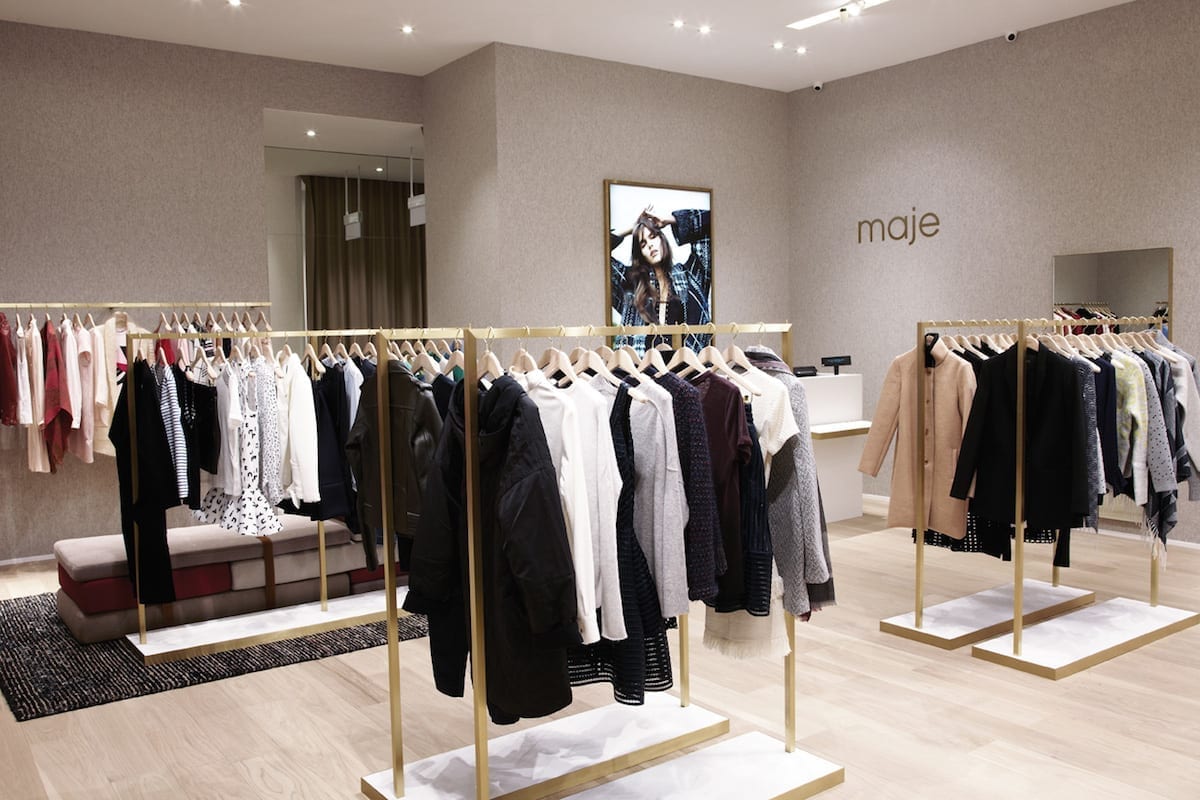
    SMCP, the group behind French fashion brands Claudie Pierlot, Maje and Sandro plans to pursue its international expansion, particularly in China, where it will continue to open about 30 shops a year.

    SMCP president/CEO Daniel Lalonde says the strategy has not changed after majority owner KKR agreed to sell control to China’s Shandong Ruyi in a €1.3 billion (US$1.4 billion) deal that made the company cancel its application for a Paris flotation.

    Shandong Ruyi will own 80 per cent of SMCP while KKR will retain a 10 per cent stake. The balance will be held by founders Evelyne, Ylan Chetrite and Judith Milgrom shared with management.

    Meanwhile, SMCP has bucked the global fashion industry’s sluggish sales growth trends with a 9.3 per cent increase in like-for-like revenue in the first half.

    Including the impact of foreign exchange and new stores, first-half sales were up 19.2 per cent at €377.2 million globally.

    Lalonde says SMCP’s digital strategy is paying off with online sales making up 10 per cent of total revenue, up from 6 per cent last year.

  • Shandong Ruyi confirms SMCP deal

    Shandong Ruyi confirms SMCP deal

    Subject to regulatory approvals, Chinese textile and apparel manufacturer Shandong Ruyi Technology Group has acquired a controlling stake in fashion brand parent SMCP.

    The Chinese company has signed an exclusive agreement along with global investment firm KKR, with the expectation that SMCP’s founders and management will reinvest alongside Shandong Ruyi as minority shareholders, while KKR retains a minority interest.

    SMCP, with its brands Claudie Pierlot, Maje and Sandro, has more than 1000 stores in 34 countries, including China, Hong Kong, Indonesia, Korea, Macau, Singapore, Taiwan and Thailand.

    Shandong Ruyi says it intends to maintain the DNA and unique identity of the SMCP brands, with the SMCP design and creative teams continuing to work from its Paris headquarters. SMCP will retain its strategy and organisational structure while benefitting from Shandong Ruyi’s global retailing expertise.

    “We have been highly impressed by the success of Sandro, Maje and Claudie Pierlot, and hold great respect for the founders and management of SMCP both for their passion and their achievement,” says Shandong Ruyi chairman Yafu Qiu.

    “This would be a significant step for Shandong Ruyi Group in our continued endeavour to become a leader in the fully integrated textiles and fashion business, both in China and globally. By taking on board the expertise of SMCP, a group well-rooted with a strong Parisian heritage, we would combine their merits with our existing strength in Asia, in particular China … We also look forward to supporting SMCP in achieving its long-term objective of becoming a global leader in accessible luxury.”

    “My sister Judith Milgrom and I are delighted to embark on the next phase in the journey of our company alongside Shandong Ruyi Group,” says SMCP founder/MD Evelyne Chetrite.

    “After record results for 2015, with 33 per cent net sales growth, we are very excited by the opportunity to partner with Shandong Ruyi Group, which can support us in our global ambition,” says SMCP president/CEO Daniel Lalonde.

    “We will continue expanding in areas where our brands have significant potential: Europe, North America, the Middle East and particularly Asia.”

    Founded in 1972, Shandong Ruyi Technology Group is one of the largest textile manufacturers in China and ranks among the Top 100 Chinese multinational enterprises.

    The group has a fully integrated value chain from cultivating raw materials, processing textiles and designing and selling brands and apparel.

    In the accessible luxury sector, SMCP has 1118 point of sales, 906 of them being run directly and 212 through partnerships. Its brands are in 33 countries.

    Shandong Ruyi’s bid to buy SMCP has been an “on again, off again” affair. On March 9 it was reported to have collapsed, but by the end of the month it was announced as going ahead again. Rumours of takeover bids for SMCP surfaced in January.

  • US buyer for Korea’s Kim’s Club

    US buyer for Korea’s Kim’s Club

    A US private equity giant is the successful bidder for South Korean hypermarket chain Kim’s Club, part of the fashion and retail conglomerate E-Land Group.

    Named the preferred bidder for Kim’s Club, Kohlberg Kravis Roberts (KKR) will now discuss with E-Land the acquisition of the right to run the 37 hypermarkets as well as the group’s logistics centres, according to Business Korea.

    KKR focuses on online-to-offline (O2O) retail business investment, and with its bid for Kim’s Club seeks to create synergy with its previous investment in the retail industry, both online and offline, says an E-Land spokesman.

    As Kim’s Club is located in E-Land Retail’s department stores and outlets as a food market, the two companies are expected to maintain the partnership. Moreover, KKR is continuing talks for a possible sale of the Gangnam branch of the New Core Department Store.

    E-Land and KKR plan to conduct due diligence and set the selling price before signing a final contract in early May. The sell-off of Kim’s Club is expected to be complete within the first half of the year.

    E-Land is seeking between 700 billion to one trillion won (US$598-$854 million) for the rights to the hypermarket chain, according to wire service Yonhap.

  • Private Equity eyes Yum! China

    Private Equity eyes Yum! China

    US private equity company KKR & Co tops a growing list of potential investors in Yum! China, the fast food giant’s planned spin-off.

    Bloomberg has named KKR, Baring Private Equity China and sovereign fund China Investment Corp as potential bidders for cornerstone stakes in the Chinese fast food company which will operate some 9000 franchised restaurants under the KFC, Pizza Hut and Taco Bell brands.

    Yum! Currently has 7100 restaurants in Mainland China and plans to open 600 more this year. It has also just announced plans to launch Taco Bell in China.

    Yum! Is reportedly planning to retain a controlling stake in the spun-off entity, perhaps limiting the stake sold to 20 per cent. That sized stake could attract an investment of US$2 billion.

    Bloomberg also identified Chinese private-equity firm Hopu Investment Management as another potential buyer.

    Such investments – still speculative at this stage – may offer Yum! Another means of raising capital without a formal float

    Yum! Prevously said it believes that where one united company would have targeted 10 per cent earnings per share growth, each of the two separated companies would achieve a 15 per cent growth rate independently (based on EPS growth and dividend yield).

    “We believe this transaction is a classic example of ‘one plus one equaling more than two’ as it will enable each company to realise its full potential and achieve greater value on a standalone basis,” said Greg Creed, Yum! Brands CEO, announcing the spin-off plan last December..

    “We continue to make solid progress on our planned separation into two independent, publicly-traded companies… each with compelling growth strategies, distinct investment characteristics, and optimised capital structures,” he said.

  • Tesco Asia carve up likely

    Tesco Asia carve up likely

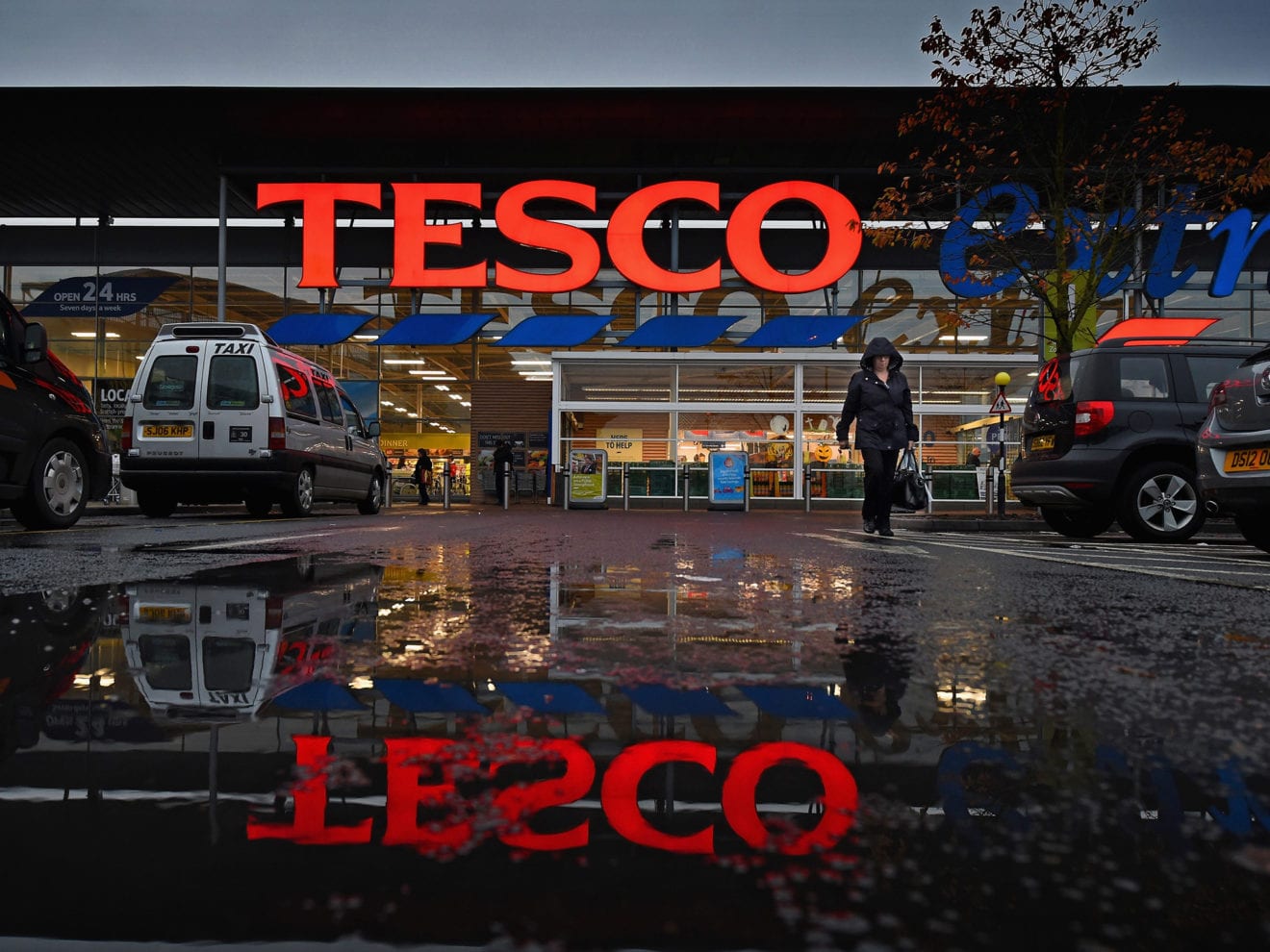
    A carve-up of Tesco Asia operations seems increasingly likely with credible reports in three different nations now of serious expressions of interest.

    While markets await firm news of progress of HSBC’s quest to find a buyer for the Tesco Korea business, the latest news is that Japan’s Aeon has expressed interest in buying Tesco Malaysia, reportedly valued in the region of £900 million.

    That follows an approach from Thai billionaire Dhanin Chearavanont late last year who prepared a speculative bid by his company Charoen Pokphand Group (CP) to buy back the troubled Tesco Plc’s Thai business, which he sold during the Asian financial crisis. That bid was initially rejected but if Tesco is selling its Korean and Malaysian operations it is likely to let Thailand go as well if it can gain a fair price.

    If all three sales were to proceed, it would almost certainly see the Tesco Asia operations rebranded under new owners – in Thailand, most likely under the Lotus brand, in Malaysia stores would be merged into Aeon’s existing network and in Korea – that would entirely depend on the successful bidder.

    Reuters has reported reliable sources confirming Aeon’s interest in Tesco Malaysia. Aeon is cashed up, has a heavy focus on expanding across Southeast Asia and a merger of its network with Tesco’s would give it 29 stores, making it a formidable competitor to local hypermarket operator Giant, which has a lower market positioning to Aeon’s more premium offer.

    The Japanese retail and property giant entered Malaysia by acquiring the Carrefour operation in 2012 for €250 million.

    Meanwhile, KKR has reportedly rejoined the race to buy Tesco Korea’s Homeplus network which is estimated to be worth US$6 billion, after sweetening its preliminary offer. All the prospective shortlisted buyers reported by the UK and Korean financial press are private equity companies, including Affinity Equity Partners, Goldman Sachs, Carlyle Group and MBK Partners.

    However in a market as complex as Korea, it is highly likely any of those bidders would want to partner with a local retail operator for the business connections and local market knowledge.