Tag: Kmart

  • Bodie’z Rolls Out Waterless Functional Sherbet Sachets Across Kmart

    Bodie’z Rolls Out Waterless Functional Sherbet Sachets Across Kmart

    Sydney sports nutrition brand Bodie’z has launched a waterless functional sherbet range called Fizzers across Australia, pricing single-serve sachets at $2.50. The rollout puts the direct-to-mouth powders into discount department store chain Kmart alongside Amazon and the company’s direct retail site this September.

    The launch shifts the company beyond its established ready-to-drink protein water products into portable dry formats. Each sachet delivers active nutritional compounds without requiring water or shaker bottles, targeting consumers seeking faster daily supplement habits.

    Three functional recipes

    Bodie’z built the Fizzers lineup around three specific formulations. Electrolyte Fizz focuses on hydration and mineral replenishment, while Creatine Fizz provides 3 grams of creatine monohydrate per serving. The third option, Lock In Fizz, combines L-tyrosine, matcha, and vitamin B6 for cognitive support.

    Every variant is low in sugar and uses natural flavouring. Founder Bodie Lazar designed the recipes to eliminate common points of friction in sports nutrition, including measuring scoops and swallowing large capsules.

    Waterless formats and retail reach

    Functional food manufacturers across the Asia-Pacific region are increasingly testing waterless and confectionery-inspired formats to capture shoppers who find standard powders and pills inconvenient. Moving into Kmart gives Bodie’z direct access to high-footfall general retail shelves, broadening its consumer base beyond specialist supplement channels.

    Distribution begins this month across Kmart’s national store network, Amazon Australia, and the brand’s e-commerce platform.

  • Mentos rolls out candy-inspired air fresheners

    Mentos rolls out candy-inspired air fresheners

    Perfetti Van Melle, maker of Mentos, has partnered with Balco Brands to launch a candy-inspired air freshener range.

    Available in four fragrances: Grape, Mint, Strawberry, and Pineapple, the gel-based air freshener can be hung anywhere, with the scent lasting up to 30 days.

    Marta Ballesteros, global licensing manager at Perfetti Van Melle, said Balco Brands was able to grasp the value of its company’s icons, such as Mentos.

    “Our popular confectionery has been reinterpreted into a uniquely original and innovative air freshener gel that offers an amazing fruity and minty fragrance experience,” she added.

    “Sold in more than 130 countries, including here in Australia, there is no doubt Mentos is a much-loved brand.”

    Balco Brands’ brand director Kathryn Trivella, said the company set out to create fragrances that encapsulated Mentos’s fun and fresh attributes reminiscent of the candy.

    “Whether for car, home, or office, we are confident the innovative gel design and prominent branding will appeal to those who regularly purchase air fresheners and attract the many millions of us with an affinity to the Mentos candy!” said Trivella.

    The Mentos Air Freshener range is available for an RRP of $4 online and in Kmart stores nationwide.

    Asembl, a leading brand extension agency representing Perfetti Van Melle, brokered the partnership.

  • Kmart opens New Zealand’s first 24/7 store

    Kmart opens New Zealand’s first 24/7 store

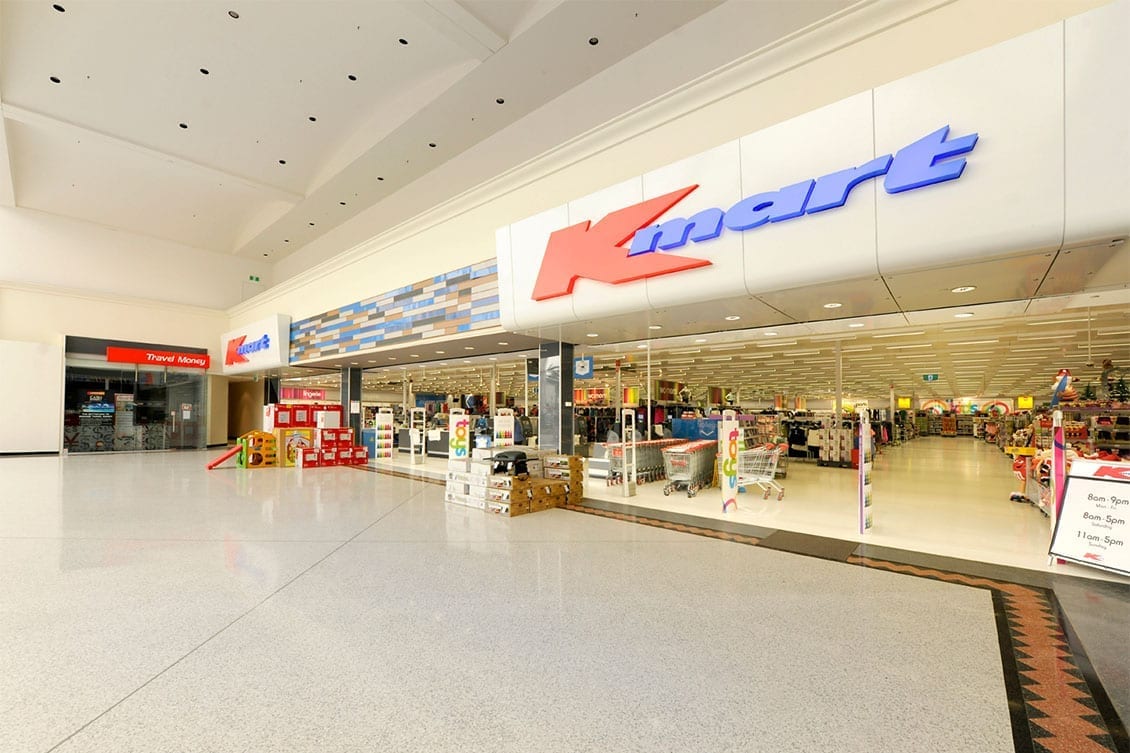
    Kiwis will soon be able to shop at Kmart 24/7 when the retailer’s newly refurbished Sylvia Park store opens on August 15.

    The retailer is billing the store as the first department store in the country to stay open 24 hours a day.

    “For us, it’s about offering better support to New Zealand families who are busy balancing work, family and leisure commitments; and more convenience for shift workers and people working non-traditional business hours,” said Jason Picard, Kmart New Zealand country manager, in a statement about the launch.

    Kmart entered the New Zealand market in 1988 and now has more than 200 stores across Australia and New Zealand. The 5000sqm Sylvia Park store will be the retailer’s seventh location in Auckland when it reopens next month in the space formerly occupied by Countdown Supermarket.

    “At Kmart, we want to make everyday living brighter for our customers, whether that means creating on-trend products at everyday low-prices everyone can enjoy, opening stores in new communities or extending operating hours to make shopping more convenient,” Picard said.

    “We want our customer experience with the brand to be a really positive one, which is why we are proud to offer click and collect services across our entire New Zealand store network; and why we are constantly expanding our online offer.”

    Helen Ronald, Sylvia Park center manager, said the shopping center was “proud to be working with retailers like Kmart that are pushing the boundaries”.

    “This really reinforces Sylvia Park’s standing as New Zealand’s favorite shopping destination.”

    In the last year, the shopping center has added 600 new car parks, ANZ Raranga, and its first office tower. Once the Galleria expansion is complete in 2020, it will have 60 new stores and nearly 5000 car parks.

    Kmart Sylvia Park will open on August 15, celebrating the occasion with a series of family fun activities staggered throughout the day.

    Entertainment will include prize giveaways, face painting from 4 pm, a late-night market, and interactive workshops hosted by the Kmart team.

  • Stagnate sales result for Sears

    Stagnate sales result for Sears

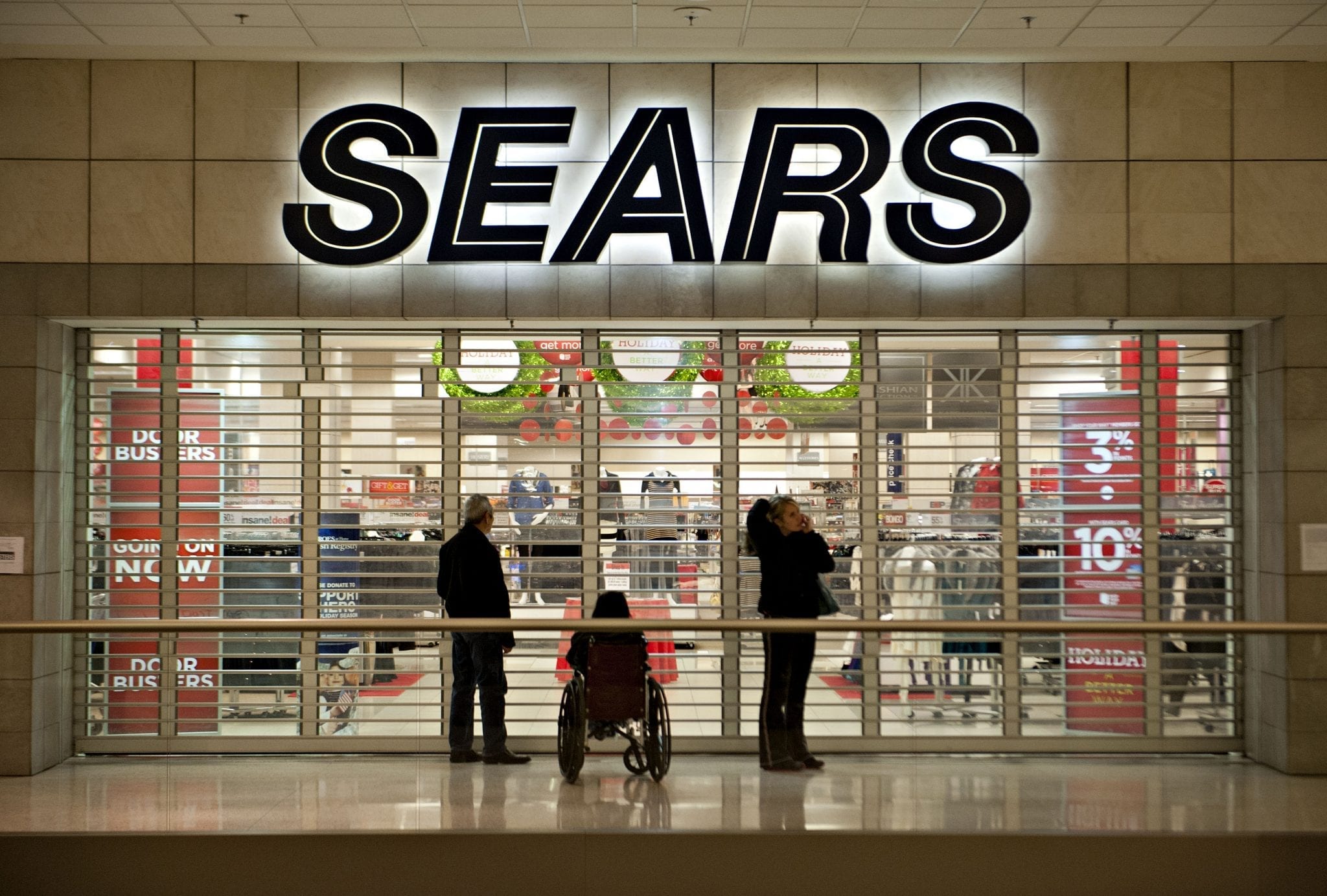
    Dire, dismal, terrible, horrendous, grim, appalling – over the past few years we’ve used up our stock of adjectives to describe Sears results. As the descriptors run dry, so the bad numbers keep on coming.

    This quarter is no exception.

    It is particularly worrying that the strength of declines across all parts of the business is intensifying. In this period, total sales were down by just over 27 per cent. To be fair, more than half of this is attributable to ongoing store closures. However, that program does not explain the slump in comparable sales which were down by 17 per cent and 13 per cent at Sears and Kmart, respectively.

    In essence, the whole group remains in a tailspin, and it is clear that there is no chance of even a levelling-off in sales anytime soon. The dramatic loss of customers at existing stores continues apace, and there is a danger this trend could accelerate into the new year.

    Much has been made of the improvement to the bottom line. But, these warm words – a bromide which has been trotted out at every results announcement for years – do not stack up against reality. It is true that losses have narrowed, but Sears was still in the red by well over US$500 million during the quarter. By no means is this a cause for celebration.

    One small bright spot comes from the agreement with the Pension Benefit Guaranty Corporation. Under this plan, Sears will make an upfront payment into the pension scheme, secured by real estate assets. This will eliminate contributions which were required in both 2018 and 2019. This will certainly take some pressure off the bottom line in those years, although we caution that it does very little to fix the fundamental issues with the business.

    The extent of Sears’ woes is best seen through the growing gap between its assets and its liabilities. Last year this deficit was around $3.4 billion; this year it has grown to just over $4 billion. Given that the group has been selling off assets to fund current operations, this is not particularly surprising. However, the continued growth of the deficit, at a time when the group is deeply unprofitable, simply isn’t sustainable.

    For all the criticism we throw at Sears, it is only fair to praise the initiatives the group is taking to try and bring itself back. While we lack faith that these things will be enough to revive the company’s fortunes, they are not entirely without merit.

    The first of these is the relatively recent decision to sell some Kenmore branded appliances on Amazon. This is a sensible move which should strengthen sales volumes which, in turn, should support the inherent brand value of Kenmore. Arguably, without seeking out alternative distribution channels, Sears’ brands are ultimately in danger of fading into obscurity. However, this move is also a tacit admission that its stores are simply not working effectively as a distribution channel for its own brands.

    The second interesting move was the whole store sale that the group initiated before Black Friday.

    While this was probably borne out of desperation, it did help to drive footfall and interest across many stores. Unfortunately, such a strategy is not sustainable on a permanent basis – but it can be used to give sales and cash-flow a short-term boost.

    Ultimately, Sears is a dying business. Whichever way you cut them, the fundamental economics of the business do not add up. Nothing in this latest set of Sears results changes that view.

  • Kmart slashes prices and looks abroad

    Kmart slashes prices and looks abroad

    Kmart CEO Ian Bailey is expecting increasingly cash-strapped consumers to show out in force for his latest round of price cuts, as the DDS chain looks to a customer-first strategy that widens its price differential with competitors.

    The discount department chain will slash prices by as much as 20 per cent on selected items across its entire range, with 320 products set to be reduced later this week.

    Speaking to us, Bailey said that the move was a reinvestment of cost savings, born from a shift in manufacturing from China to Indonesia, stressing that the cuts weren’t a threat to earnings and would drive sustainable profitability.

    “There’s a strong reaction from customers when we lower our prices, even if we’re already the lowest price on the market,” Bailey said.

    He explained that price investment was primarily for customers and was less about making a defensive play against competitors, but he told shareholders last week that the introduction of international players such as Amazon and Decathlon into the market has prompted Kmart to put “more energy” into assessing its customer offer.

    The plan, which will see key lines such as men’s and children’s tees reduced by 50 and 25 cents respectively, is not the first price cut for the discount department store in recent years and is likely not the last, so long as cost savings can continue to be leveraged, Bailey indicated.

    It’s part of a broader ambition flagged for the brand at Wesfarmers’ strategy day last week, to double annual sales to around $10 billion and lift earnings from $470 million to $1 billion.

    Bailey, who sees the target as an aspiration, said last week that the $80 billion market Kmart plays in is relatively static and that achieving Kmart’s goals would require taking market share from competitors.

    Kmart goes global

    Kmart is looking at alternative growth verticals to achieve its lofty goals, laying the groundwork on an international expansion that’s seen its products trialled in Thailand and India recently.

    Bailey has struck a deal with Southeast Asian retail giant Central Group to launch Kmart’s products in select Robinson Department Stores in Thailand, as concessions.

    While Wesfarmers aren’t interested in taking the Kmart brand overseas, partly due to confusion with the American owned Kmart, the conglomerate is interested in launching Kmart’s products in other countries, leveraging synergies with withstanding production.

    “We have this range of products that we design, develop and produce and then we only offer it to the population of Australia and New Zealand,” Bailey said.

    “Many of our competitors are global competitors who are [selling] across the world, so it’s a logical step for us to say, ‘how do we connect our product with customers elsewhere’.”

    Bailey laid out a 3-5 year timeframe for accelerating growth on the wholesale venture, where Kmart still controls replenishment, ranging and display.

    “The next two-years from here are really about learning, which is us working very closely with Robinsons and maybe a couple of others to really make sure we’ve got a model that works with the end-customer in Thailand or whichever other country we pick,” Bailey explained.

    Kmart doesn’t intend to open its own stores overseas at this stage, but Bailey has already outlined his desire to make wholesale a strong vertical for the business in the medium term.

    Analysts sceptical; Wesfarmers backs stores

    Back at home analysts remain unconvinced that Kmart can emerge unscathed from the entry of Amazon and other competitors, with widely reported Morgan Stanley research predicting that Kmart and Target could lose $201 million in earnings annually to Amazon by 2026.

    While Kmart’s focus on everyday low prices and direct sourcing has seen it emerge as the jewel in Wesfarmers’ Department Stores division in recent years —outpacing its struggling sister company Target with third quarter sales growth of 2.5 per cent this year— concerns remain over its ability to go toe-to-toe with the American e-commerce giant.

    Kmart’s online offer remains an identified point of weakness among some analysts, with delivery currently offered at 3-5 days for metro customers, slower than many domestic competitors and far behind Amazon’s next-day model, which it is looking to roll-out in Australia.

    Bailey said Kmart are working hard on the online side of the business and that a relatively seamless omnichannel strategy was a focus for the team. He doesn’t, however, intend to compete with Amazon or other pure play retailers on their core strengths.

    “We aren’t static in the online space, our offer will continue to improve, but if you compare us to an online pure play player like an Amazon that’s their core expertise and they’ll be very good at that,” Bailey said.

    “We’ve expressly not grown online at an incredible rate until we know we can do it with good economics,” he added.

    Bailey and Department Store CEO Guy Russo are backing Kmart’s network of 217 physical stores across the country in their bid to secure and expand market share, having recently completed a portfolio review that will increase the number of Kmart stores and decrease the number of Target stores.

    The move will see Kmart open between 8-10 stores a year alongside an estimated 35 refurbishments, which is part of a store renewal process to a new format that is currently two-thirds complete.