Retail News CRM

Tag: knight frank

  • Knight Frank Boosts Research Team in APAC

    Knight Frank Boosts Research Team in APAC

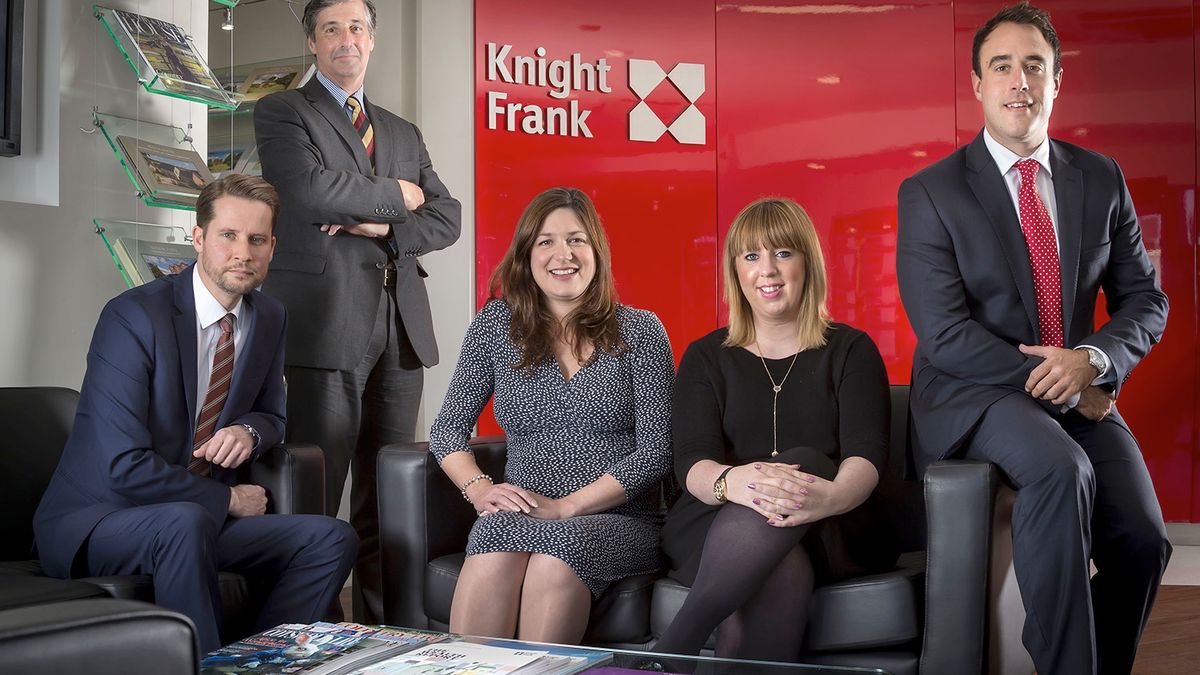
    The global property advisor has appointed an industry veteran to oversee its research teams across the region. Knight Frank has appointed Christine Li as head of research, Asia-Pacific, based in Singapore, it said in an announcement on Monday.

    Li brings over 15 years of industry experience delivering research and strategic analysis for both commercial and residential real estate markets. She joins from Cushman & Wakefield, where she spent six years, most recently as head of research, Singapore and Southeast Asia.

    Li will oversee the firm’s forecasts and insights across office, industrial and residential sectors as well as specialist asset classes such as student accommodation, multi-family and data centres, and will provide an Asia-Pacific perspective on Knight Frank’s global reports, the announcement said.

    Christine’s experience working with Singapore’s leading institutional and private investors, alongside her breadth of expertise across Asia and profile in the market make her the ideal candidate to lead Knight Frank’s research in the region, Kevin Coppel, managing director, Knight Frank Asia Pacific, said.

  • Knight Frank Hires Asia Workplace Strategist

    Knight Frank Hires Asia Workplace Strategist

    Knight Frank appointed an Asia Pacific lead for the workplace and strategic consulting amidst unprecedented transformation of employee conditions driven by the ongoing pandemic.

    Samarth Kasturia joins Knight Frank in the new role, according to a statement, based in the firm’s regional headquarter in Singapore.

    A trained architect with a Master’s degree in finance and investment, Kasturia has over a decade of consulting experience specializing in workplace and real estate strategy. He has previously advised numerous global firms including Royal Dutch Shell, Standard Chartered Bank, Total SA, Novartis, British Petroleum, Nestlé, Maersk, Uber and Facebook.

    Demand for workplace strategy has increased as corporates look for ways to right-size their offices toward a future that integrates an increased need for collaboration, well-being, and flexibility, said Tim Armstrong, APAC head of occupier services & commercial agency.

  • Japanese megastore Don Quijote to open its first Hong Kong store

    Japanese megastore Don Quijote to open its first Hong Kong store

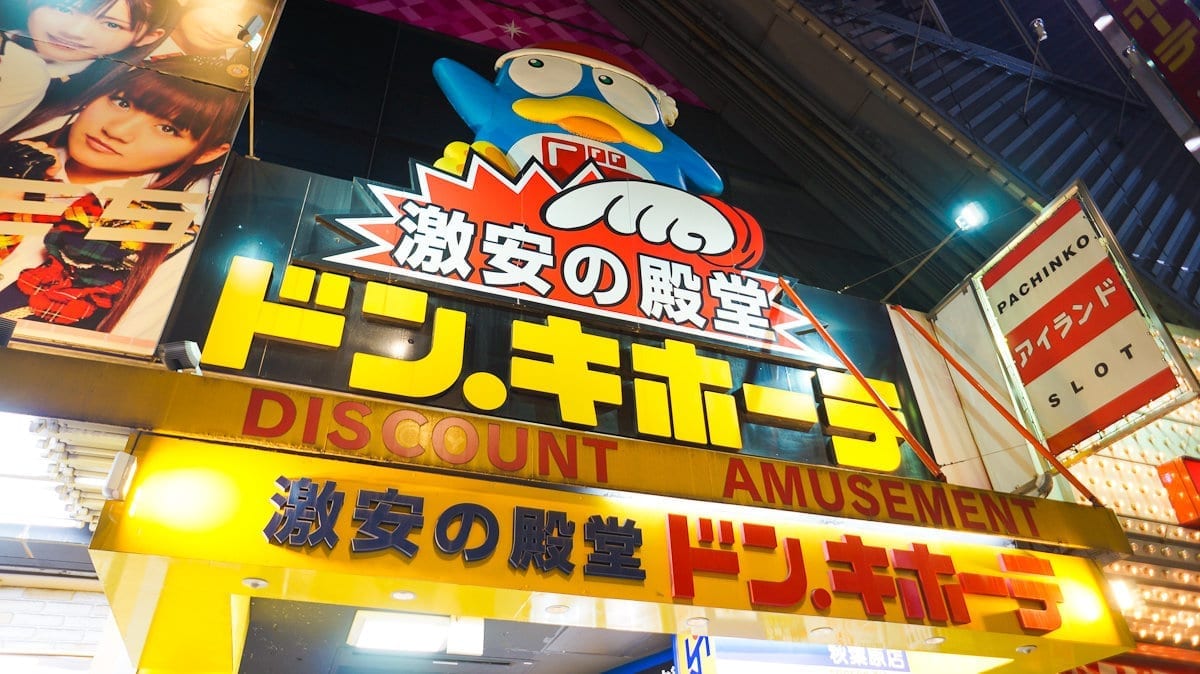
    Don Quijote Hong Kong is set to make its debut in the middle of this year. The Japanese discount merchandise retailer – which has three stores in Singapore and also plans to make its Thai debut in Bangkok this year – has leased a 15,000sqft space in the basement of Mira Place Two on Nathan Road in Tsim Sha Tsui.

    In Japan, most of the company’s 160 discount stores trade 24 hours, but this is unlikely in Hong Kong.

    Helen Mak, senior director and head of retail services at Knight Frank said the basement location would appeal to local consumers and tourists.

    “Don Quijote’s Tsim Sha Tsui location can attract mainland tourists who travel via the high-speed rail and mega bridge. Instead of shopping for luxury items, these same-day visitors usually spend money on cosmetics, health care items and food, products that are most celebrated at [Don Quijote].”

    According to the SCMP, Don Quijote will pay HK$1 million (US$127,000) a month for the space, with the fitout expected to be complete by July.

    Besides its general merchandise and fresh food offer, the Don Quijote Hong Kong store will feature a cafe.

  • Malaysian office space to remain vibrant despite influx of new supply

    Malaysian office space to remain vibrant despite influx of new supply

    The Klang Valley office market is expected to remain vibrant this year, despite the influx of new buildings which is expected to affect occupancy rates, said Knight Frank Malaysia. “Due to the influx of new buildings, particularly in TRX, occupancy rate in Kuala Lumpur city is expected to decline marginally. However, rental rates will continue to hold steady as newer buildings tend to command higher rental rates,” it said in its Real Estate Highlights 2nd Half 2018 report.

    The report highlighted the trend of co-working and shared services as a sweet spot in the challenging office market environment.

    Labelled “space as a service”, the rising popularity of this market segment is demand driven by freelancers, start-ups and small and medium sized entrepreneurs. Knight Frank expects to see active take-up by co-working, shared services and IT related industries this year.

    “Moving into 2019, occupancies in selected sub-office office markets are expected to be under pressure due to heightened competition from impending and existing office stock while rentals will continue to hold steady as newer buildings tend to command higher rates.

    “We continue to observe active enquiries and leasing activities in the co-working and IT related segments. Also, an increasing number of older buildings are looking into repositioning and refurbishment to meet current occupier needs,” said Knight Frank Malaysia executive director of corporate services Teh Young Khean.

    Dated but well located office buildings such as Menara Weld, Menara Standard Chartered, Menara Maxis and Menara Milenium will reportedly be undergoing repositioning/upgrading works to improve their market competitiveness in terms of rental and occupancy levels.

    Knight Frank noted that the new government’s concerted efforts to implement numerous regulatory reforms will augur well for the business operating environment and this is expected to be positive for the country’s economic and property market performance over the longer term.

    Looking back at 2H2018, the cumulative supply of purpose-built office space in Kuala Lumpur and Selangor stood at 103.17 million sq ft following the completion of six buildings with a combined space of 1.84 million sq ft.

    In 1H2019, office buildings slated for completion include The Exchange 106, Menara Prudential, Menara Star 2, 1Powerhouse and Symphony Square.

    Overall occupancy rate for Kuala Lumpur city was about 78.7% in 2H2018 compared with 79% in 1H2018. The overall occupancy rate for decentralised office locations in Kuala Lumpur fringe fell to 82.2% from 83.8% during the same period.

    In Selangor, overall occupancy was slightly lower at 78.3% in 2H2018 compared with 79.2% in 1H2018.

    The average rentals in Kuala Lumpur fringe and Selangor rose marginally in 2H2018 to RM5.75 psf and RM4.22 psf respectively compared with RM5.72 psf and RM4.20 psf respectively in 1H2018.

    However, average rental in Kuala Lumpur city remained flat at RM7.15 psf as owners and landlords of newer office buildings offered competitive rental and attractive tenancy terms to improve take-up.

  • Testing times: Singapore’s retail scene shows four signs of weakness

    Testing times: Singapore’s retail scene shows four signs of weakness

    Rents in the Central region may fall 6-8% in Q4.

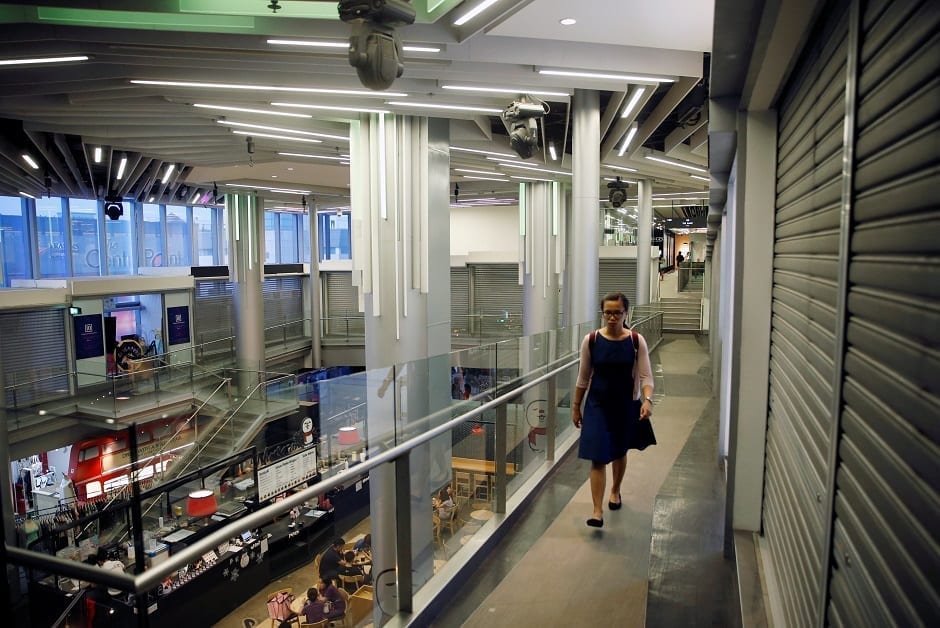
    The outlook for Singapore’s retail sector for the last three months of the year remains subdued, with weak retail rents made worse by retailers consolidating outlets to streamline cost.

    Average island-wide prime retail rents moderated in Q3 2016, with that of Orchard Road falling for the first time since Q2 2015 on the back of the tougher retail climate, reports Knight Frank (KF).

    The average gross rents for prime spaces was $31.20, which represents 2.2% decline YoY and 0.2% dip on a quarterly basis. Average Orchard Road prime rents, meanwhile, declined by 0.1% YoY and 0.5% QoQ.

    According to KF, average rents in the Central Region are envisaged to fall by 6.0% to 8.0% y-o-y by Q4 2016, while the more resilient prime rents to moderate downwards by up to 3.0% y-o-y in the same period.

    “The expected fall in rents takes into account not only the projected weakened demand from retailers, but also the likelihood of landlords readjusting the rental structures to help their tenants tide over down cycles of the market in order to maintain healthy occupancy status,” it said.

    An estimated 1,072,000 sq ft of net lettable major retail space is slated for completion in the whole of 2016. KF noted that out of this, 38.2% (409,000 sq ft) was ready in the first half of 2016, with the remaining 663,000 sq ft to be completed in H2 2016.

    “In addition to this is the cautious stance taken by retailers towards business expansion, and island-wide occupancy is likely to fall from 92.8% in Q4 2015 to between 90.0% and 92.0% in Q4 2016,” said KF.

    KF’s bearish outlook on Singapore’s retail sector is supported by the following indications of weak overall spending:

    1. Singapore’s consumer confidence entered the pessimistic range.

    According to the Mastercard Index of Consumer Confidence, Singapore saw a significant decline of 10.7 points in H1 2016 from H2 2015. The degree of decline lagged behind only Indonesia (-14.7 points) and Hong Kong (-12.4 points), of the 17 countries within the Asia Pacific region tracked by Mastercard.

    2. The overall Retail Sales Index (excluding motor vehicles)(seasonally adjusted, at constant prices) improved by 3.5% m-o-m in July 2016 compared to the preceding month. All retail trades saw improvement with the exception of Food & Beverages, which declined by 1.5% monthon-month (m-o-m) over the same period. However on a year-on-year (yo-y) basis, the overall retail sales (at constant prices) declined by 3.7% in July 2016, with Computer & Telecommunication Equipment (-18.7% y-oy), Watches & Jewellery (-16.6% y-o-y) and Food & Beverages (-9.7% yo-y) trades seeing the steepest falls.

    3. Employment in the wholesale and retail trade declined by 1.8% in H1 2016 compared to H2 2015. This could be attributed to the weaker retail sales and greater caution in manpower deployment by retailers.

    4. Total visitor arrivals for the period of January to July 2016 increased by 11.5%, compared to the same period last year, to reach 9.8 million. While visitors from China and Indonesia rose by 49.2% y-o-y and 6.8% y-o-y respectively in the first seven months of 2016 compared to the same period in 2015, visitors from Malaysia dropped by 1.6% y-o-y.