Tag: konbini

  • Lawson Deploys First Mobile Trailer Store in Japan

    Lawson Deploys First Mobile Trailer Store in Japan

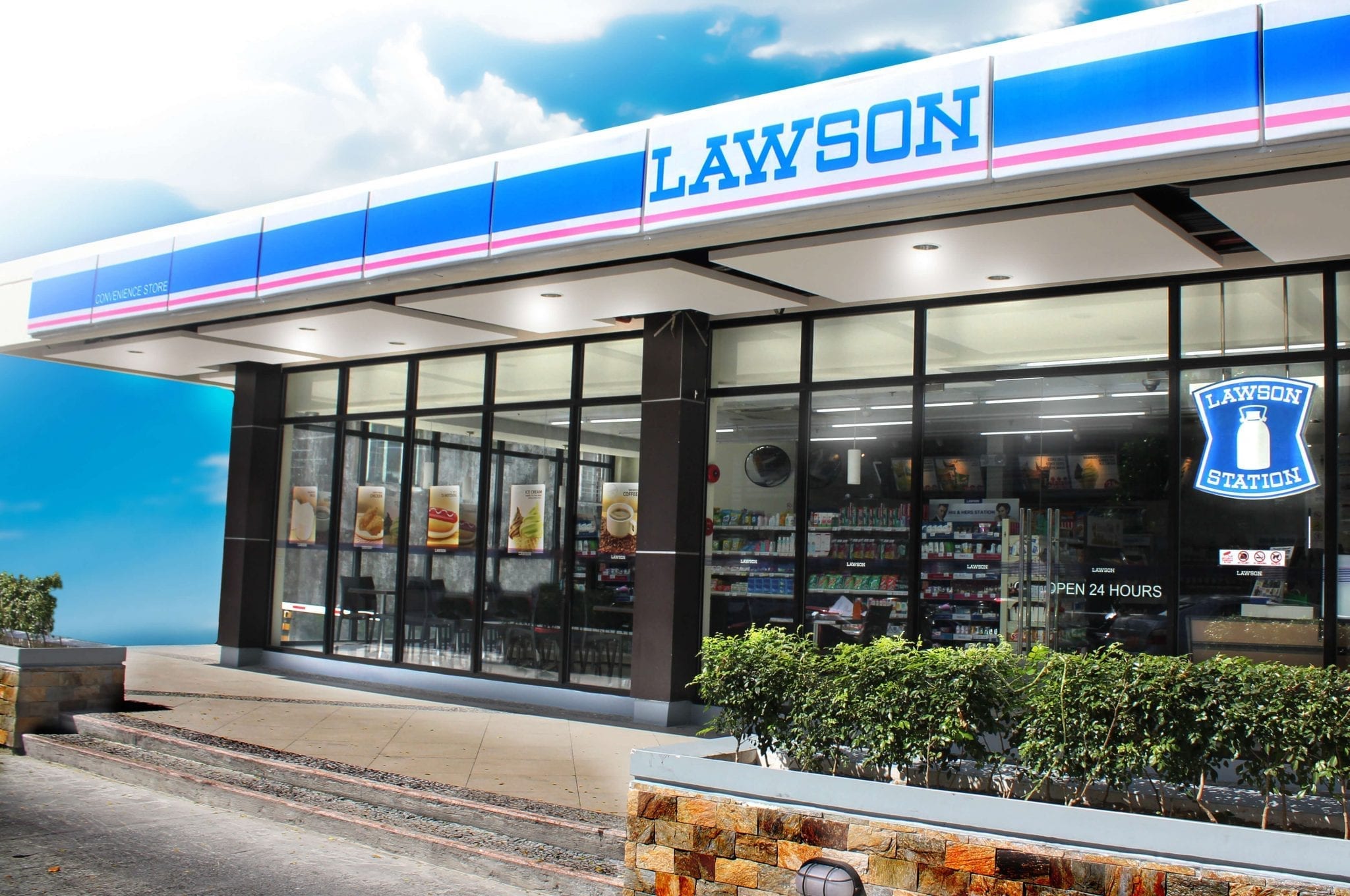
    Lawson opened its first mobile trailer-style convenience store on August 27 at Ebina Sports Park in Kanagawa Prefecture, deploying a 33.60-square-meter unit designed for underserved sites and disaster zones.

    The pilot operates through March 31 as the retail chain evaluates commercial viability beyond standard brick-and-mortar storefronts.

    Measuring 12.2 meters long, the trailer provides roughly one-fifth the space of a standard Lawson branch and carries about 500 items, including bento, onigiri, fried foods, desserts, drinks, and daily necessities. An attached 6.1-meter kitchen and office module handles hot-food preparation on site.

    Inside the mobile floorplan

    Space constraints forced hardware trade-offs. The trailer operates without standard network fixtures such as automated teller machines, multi-function copy machines, or Lawson’s Loppi ticketing terminals.

    Operating economics without permanent leases

    Deploying standalone retail boxes on wheels lowers fixed property development costs and bypasses commercial leasing friction. Japanese convenience chains face heavy urban real estate competition and rising build-out costs for standard brick-and-mortar storefronts.

    For operators, the mobile setup tests a flexible inventory footprint in public recreation areas, commercial parks, and transport interchanges where permanent buildings face zoning restrictions. The risk lies in unit economics. Stripping out high-margin administrative services like ticketing, bill payments, and cash machines limits the basket to immediate food and drink purchases.

    Disaster deployment and emergency logistics

    Emergency readiness anchors the trial design. Because technicians can hitch and relocate the trailer quickly, Lawson plans to evaluate the structure as a field response unit during disasters such as earthquakes.

    Major convenience chains serve as designated civil infrastructure points in Japan during natural disasters. Mobilising fully equipped prep kitchens into severed distribution corridors creates a direct supply line for municipal authorities and local communities.

    Target dates for the Ebina test

    The Kanagawa experiment builds on sector efforts across Japan to crack micro-footprints and unstaffed satellite retail. Competitors have largely tested autonomous checkout kiosks inside office towers and train platforms to trim labour expenses.

    Lawson is testing physical portability instead. Operating data collected at Ebina Sports Park through March 31 will decide whether Lawson commissions additional trailer units for seasonal deployments and prefecture-level civil protection reserves.

  • Foreign Staff Exceed 110,000 Across Japan Top Three Convenience Chains

    Foreign Staff Exceed 110,000 Across Japan Top Three Convenience Chains

    Japan’s three largest convenience store chains employed more than 110,000 foreign workers in 2025, leaning on overseas labor to staff cash registers and stock shelves.

    The cohort represents nearly 14 percent of the 800,000 part-time workers operating networks run by Seven & i Holdings’ 7-Eleven, Lawson, and FamilyMart across the country.

    Hiring managers report that recruits from abroad show strong Japanese language capability and high operational competency, helping operators keep stores open around the clock. The influx has become a structural necessity for a network spanning more than 56,000 convenience stores nationwide, where round-the-clock operating models depend on steady frontline staffing.

    Pressure on the 24-hour retail model

    Convenience operators across East Asia face diverging labor realities, but Japan’s demographic contraction presents the sharpest operational test. While regional peers in South Korea and Taiwan have experimented with automated night shifts and unstaffed outlets to trim payroll costs, Japanese chains continue to anchor their customer proposition on high-touch service, bill payments, parcel handoffs, and freshly prepared hot food.

    That service density requires labor that the domestic population cannot supply. FamilyMart alone faced roughly 10,500 vacancies across its 16,400 stores, forcing corporate headquarters and independent franchise owners to widen recruitment pipelines or risk trimming operating hours.

    Sourcing labor across Asia

    Recruits arrive predominantly from Vietnam, Nepal, China, and Myanmar, drawn initially on student and training visas before taking up part-time retail shifts. In Tokyo hubs such as Shinagawa Ward, overseas employees now anchor entire shift rotations, handling everything from inventory deliveries to food service counters.

    Store managers confirm that language training and structured onboarding have kept register errors low despite complex point-of-sale systems that handle utility billing and administrative tasks. The operational reliance on foreign workers shifts supply risk directly onto immigration policy and cross-border recruitment pipelines, leaving franchisees vulnerable if visa quotas tighten or regional currency shifts erode Japanese wage competitiveness.

    Friction at the checkout counter

    Frontline pressure has surfaced in customer interactions across the retail sector. Service surveys show roughly 80 percent of staff report instances of customer harassment, prompting store managers to rethink standard operating procedures.

    Some franchised locations have adjusted staff name badges, substituting generic tags reading STAFF or using alternate names to protect clerks from customer disputes. The friction reflects broader social adjustments as local neighborhoods adapt to a rapidly diversifying frontline service workforce.

    Automation versus headcounts

    The staffing shift follows years of rapid demographic change across Japan. The country’s registered foreign resident population expanded from 2.76 million in 2021 to 3.77 million in 2024, providing the retail and food sectors with vital replacement labor during a period of record-low domestic unemployment.

    Franchise groups must now balance further investments in automated self-checkout kiosks against the ongoing cost of recruiting and training overseas staff. The next operational test comes as major chains review their overnight roster requirements ahead of the 2027 fiscal planning cycle, where store-level wage inflation will determine whether 24-hour operating mandates remain viable across suburban and rural locations.