Retail News CRM

Tag: Kong

  • Chagee Unveils World’s Largest Flagship Store In Hong Kong, Reinforces Commitment To Authentic Tea Culture

    Chagee Unveils World’s Largest Flagship Store In Hong Kong, Reinforces Commitment To Authentic Tea Culture

    Chagee, a popular Chinese tea chain, has recently launched its biggest global flagship store on Lee Tung Street in Wan Chai. This marks the seventh establishment for the brand in Hong Kong.

    Spacious and Multifunctional Flagship Store

    The new flagship store boasts an impressive 11,000 square feet of space, spread over two levels. The innovative double-storey design of the store blends retail shopping with cultural and social spaces, positioning it as a hub for both business and culture.

    A Unique Tea Experience

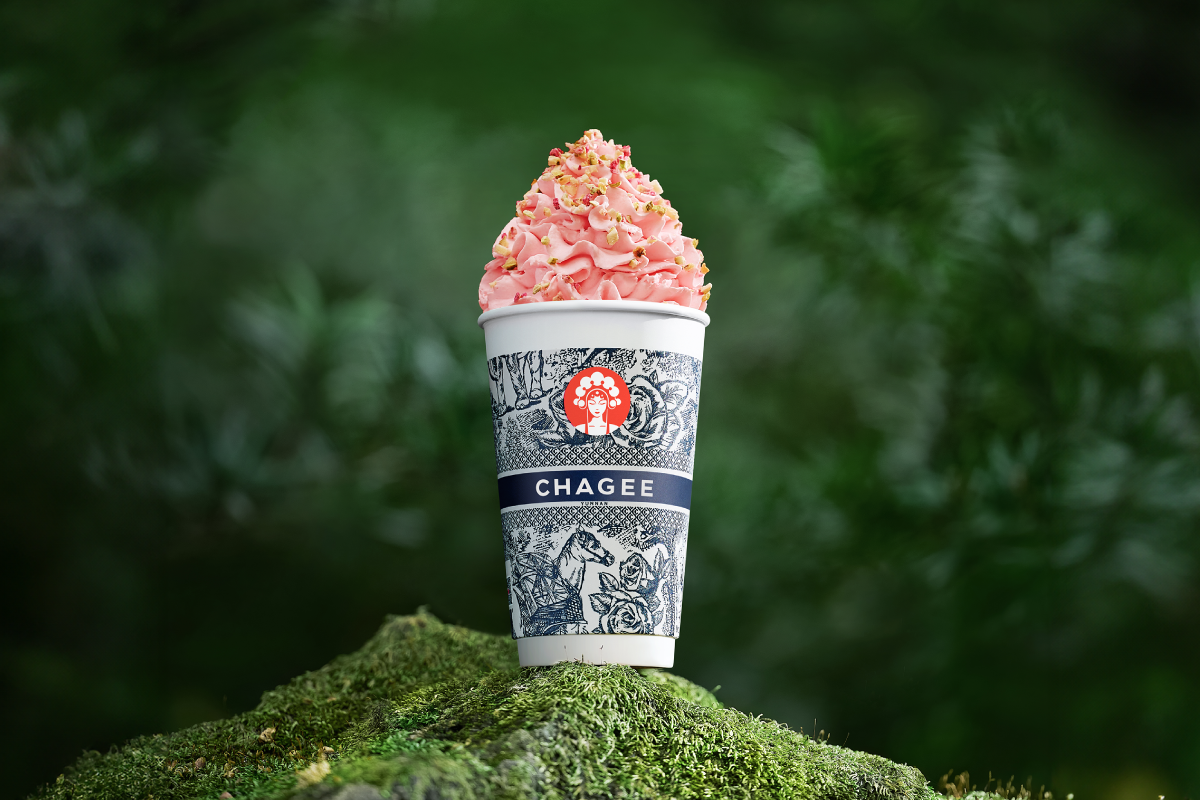
    Chagee stands out in the tea market through its luxury-leaning, minimalist brand identity. The brand is recognized for its commitment to using real tea leaves, fresh milk, and foregoing artificial sweeteners in its products. Their menu offers a contemporary spin on traditional teas, featuring such unique offerings as cream-topped Oolong tea.

    Confidence in Future Growth

    Rex Ho, General Manager for Hong Kong and Macau, expressed a strong belief in the brand’s potential for growth within the Hong Kong market. He stated, “We are optimistic, and we see Hong Kong as a platform for international cultural exchange. This city can help Chagee share the beauty of tea culture with a global audience.”

    With this belief in mind, the decision was taken to establish the world’s largest Chagee store in Hong Kong. Ho affirmed that the company will continue to invest resources to support the evolution and innovation of tea culture in the area.

    Chagee has shown considerable growth since it first entered the Hong Kong market last year. After expanding to seven stores in the city, the brand has plans to open at least 10 more outlets to accelerate its local expansion.

    Global Presence

    On a global scale, Chagee has a strong presence with over 7,000 stores spread across various markets including China, Malaysia, Singapore, Thailand, the Philippines, and the United States.

    Questions & Answers

    What sets Chagee apart from other tea chains?
    Chagee differentiates itself through a minimalist, luxury-leaning brand identity and a commitment to using real tea leaves, fresh milk, and no artificial sweeteners in its products.

    Where is Chagee’s largest global flagship store located?
    The largest Chagee store worldwide is located on Lee Tung Street in Wan Chai, Hong Kong.

    What are Chagee’s future plans in Hong Kong?
    Chagee plans to strengthen its presence in Hong Kong by opening at least 10 more outlets in the city as part of its local expansion efforts.
  • Lilysilk Marks 15th Anniversary With Debut Hong Kong Store, Championing ‘conscious Elegance

    Lilysilk Marks 15th Anniversary With Debut Hong Kong Store, Championing ‘conscious Elegance

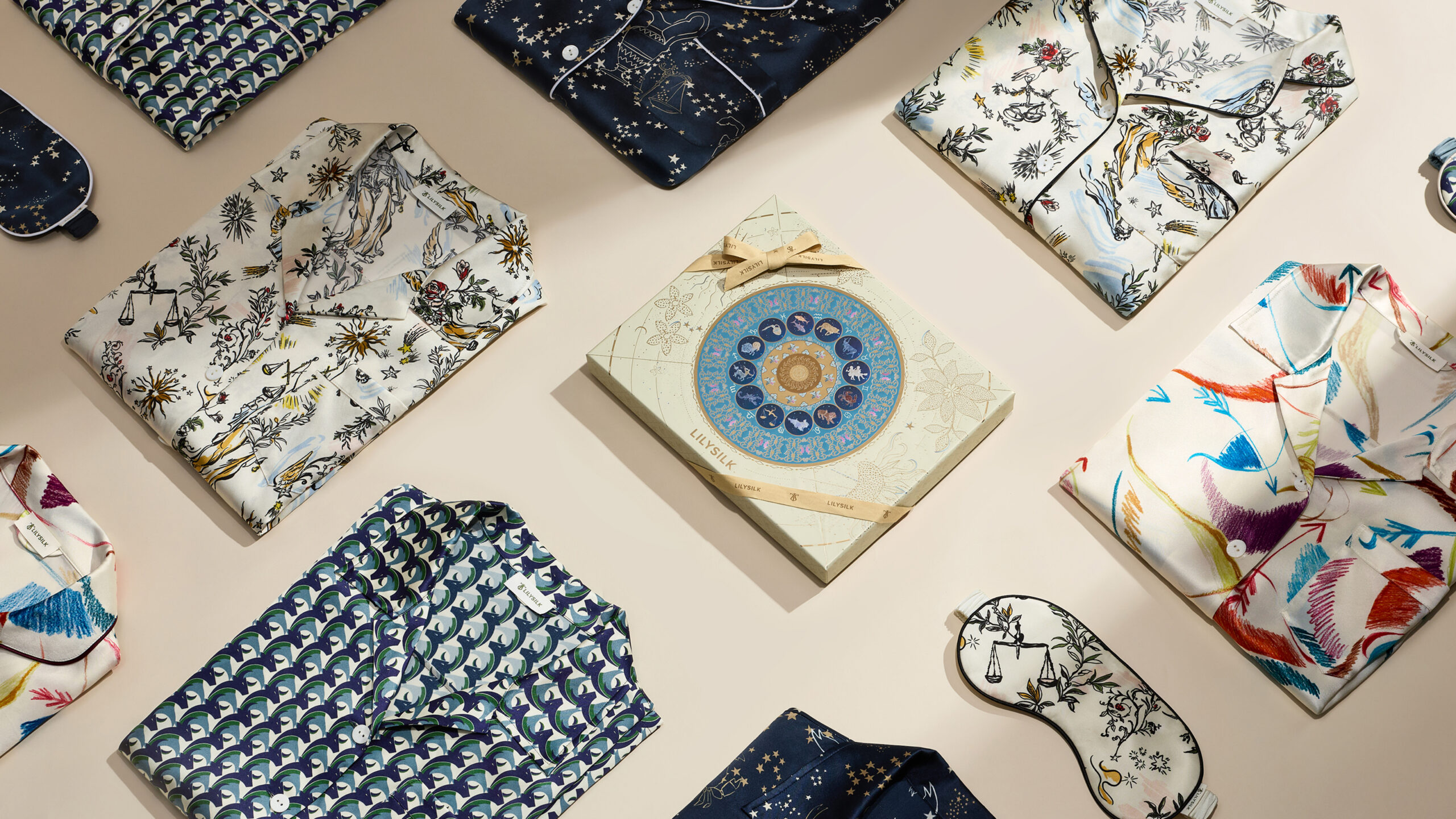
    Renowned silk clothing retailer, Lilysilk, recently launched its debut store in the Harbour City of Hong Kong, situated in the bustling shopping region of Tsim Sha Tsui.

    Gateway Arcade Welcomes Lilysilk

    Located on the second floor of the Gateway Arcade, the grand opening of the store coincided with Lilysilk’s 15th anniversary celebrations. The store brings a fresh shopping experience for locals and tourists alike, offering a plethora of clothing, accessories, homewares, and bedding. The merchandise, made predominantly from mulberry silk and other organic materials, highlights the brand’s commitment to sustainability and ‘conscious elegance.’

    Lilysilk’s Commitment to Sustainability

    Lilysilk ensures its fabrics are not only luxurious but also sustainable. The company prides itself on promoting ‘conscious elegance,’ a philosophy rooted in sustainable and environmentally-friendly practices. This is reflected in its commitment to using organic materials and ensuring its products are certified for sustainability.

    Celebrating a Significant Milestone

    David Wang, the CEO of Lilysilk, expressed his exhilaration about the significant milestone. “The opening of our very first flagship store in Asia is not just a milestone, but the start of an exhilarating new journey,” Wang stated.

    Since its inception in 2010, Lilysilk has established a strong foothold in North America and Europe. It ventured into the Chinese market in 2022 and earlier this year, the brand launched its first concept store in New York’s Meatpacking District.

    Questions & Answers

    Where is the new Lilysilk store located in Hong Kong?
    The new Lilysilk store is located on the second floor of the Gateway Arcade in the Harbour City of the Tsim Sha Tsui shopping district.

    What kind of products does the Lilysilk store offer?
    The store offers an array of products including clothing, accessories, homewares, and bedding. All products are predominantly made from mulberry silk and other organic materials.

    What does the philosophy ‘conscious elegance’ mean to Lilysilk?
    The philosophy ‘conscious elegance’ implies Lilysilk’s commitment to sustainability and environmentally-friendly practices. They ensure their fabrics are not only luxurious but also sustainable, using organic materials and obtaining necessary sustainability certifications.

  • Chow Sang Sang Joins Forces With Nuvei For North American Market Expansion

    Chow Sang Sang Joins Forces With Nuvei For North American Market Expansion

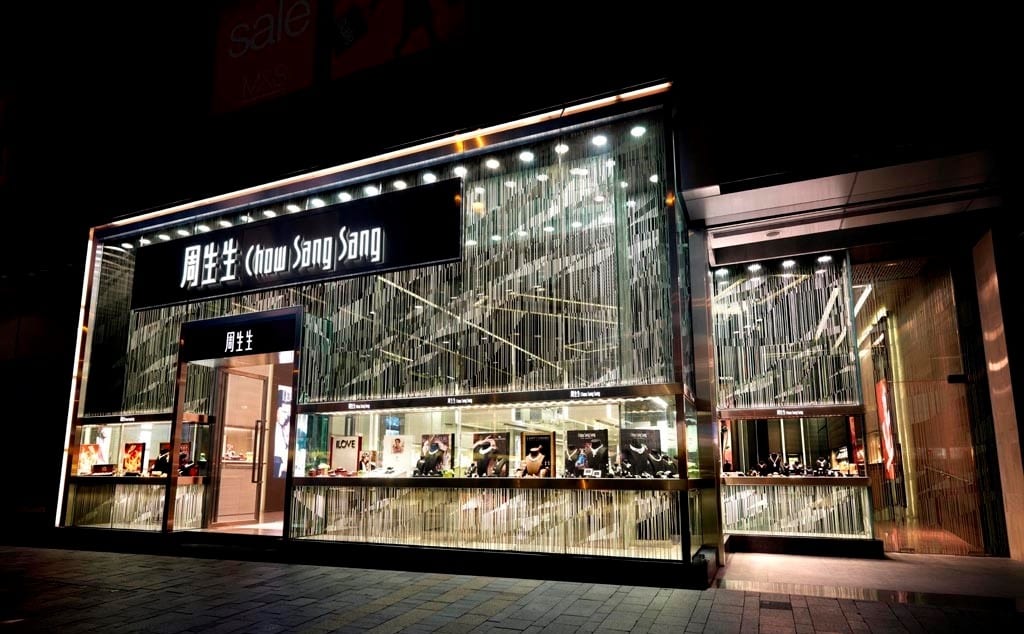
    Hong Kong’s renowned luxury jewellery brand, Chow Sang Sang, has announced its foray into the North American market. This expansion is made possible through a strategic partnership with Nuvei, an international payments company.

    Genevieve Chow, the Chief Brands Officer at Chow Sang Sang, shed light on the decision to collaborate with Nuvei. She explained that the company was chosen for its localised, secure and seamless payment system. “As we embark on our international expansion, particularly targeting North America, it’s crucial for us to have a payments partner that upholds our commitment to excellence,” she said.

    Nuvei’s platform is set to provide Chow Sang Sang with opportunities to penetrate into 50 markets. It also extends support for over 150 currencies and 720 alternative payment methods. This comprehensive system directly connects to global card networks, enhancing the approval rates and minimising payment friction.

    “Nuvei’s cutting-edge technology, local expertise, and global reach equip us to provide the premium experience our customers anticipate, both online and in-store,” Chow further stated.

    Nuvei’s recent attainment of a Money Services Operator (MSO) license in Hong Kong strengthens its position. The license enables Nuvei to offer local acquiring and settlement services in the market. This significant move supports Nuvei’s broader expansion goals in the Asia-Pacific region, including Greater China, Japan, Singapore and Australia.

    Phil Fayer, CEO of Nuvei, expressed his outlook on the partnership with Chow Sang Sang. He said, “Luxury brands like Chow Sang Sang are destined for global growth. With our MSO license and the expanding footprint in the APAC region, we’re excited to support the region’s most promising companies with payment technology designed for scalability.”

    Chow Sang Sang is a significant player in the luxury jewellery market, operating over 900 self-run stores spread across Mainland China, Hong Kong, Macau, and Taiwan. Its portfolio includes notable brands such as Chow Sang Sang, Promessa, MintyGreen, and Emphasis.

    Questions & Answers

    What is the significance of Chow Sang Sang’s partnership with Nuvei?
    The partnership enables Chow Sang Sang to expand its operations into North America, backed by Nuvei’s seamless and secure payment system.

    What advantages does Nuvei’s platform offer to Chow Sang Sang?
    Nuvei’s platform provides access to 50 markets, supports over 150 currencies and 720 alternative payment methods, and directly connects with global card networks, improving approval rates and reducing payment friction.

    What does Nuvei’s recent acquisition of a MSO license mean for the company?
    The MSO license empowers Nuvei to offer local acquiring and settlement services in the Hong Kong market, supporting its broader expansion in the Asia-Pacific region.

  • Chinese Apparel Brand Benlai Debuts Serene, Design-led Outlet In Hong Kong, Marking Continued Asian Expansion

    Chinese Apparel Brand Benlai Debuts Serene, Design-led Outlet In Hong Kong, Marking Continued Asian Expansion

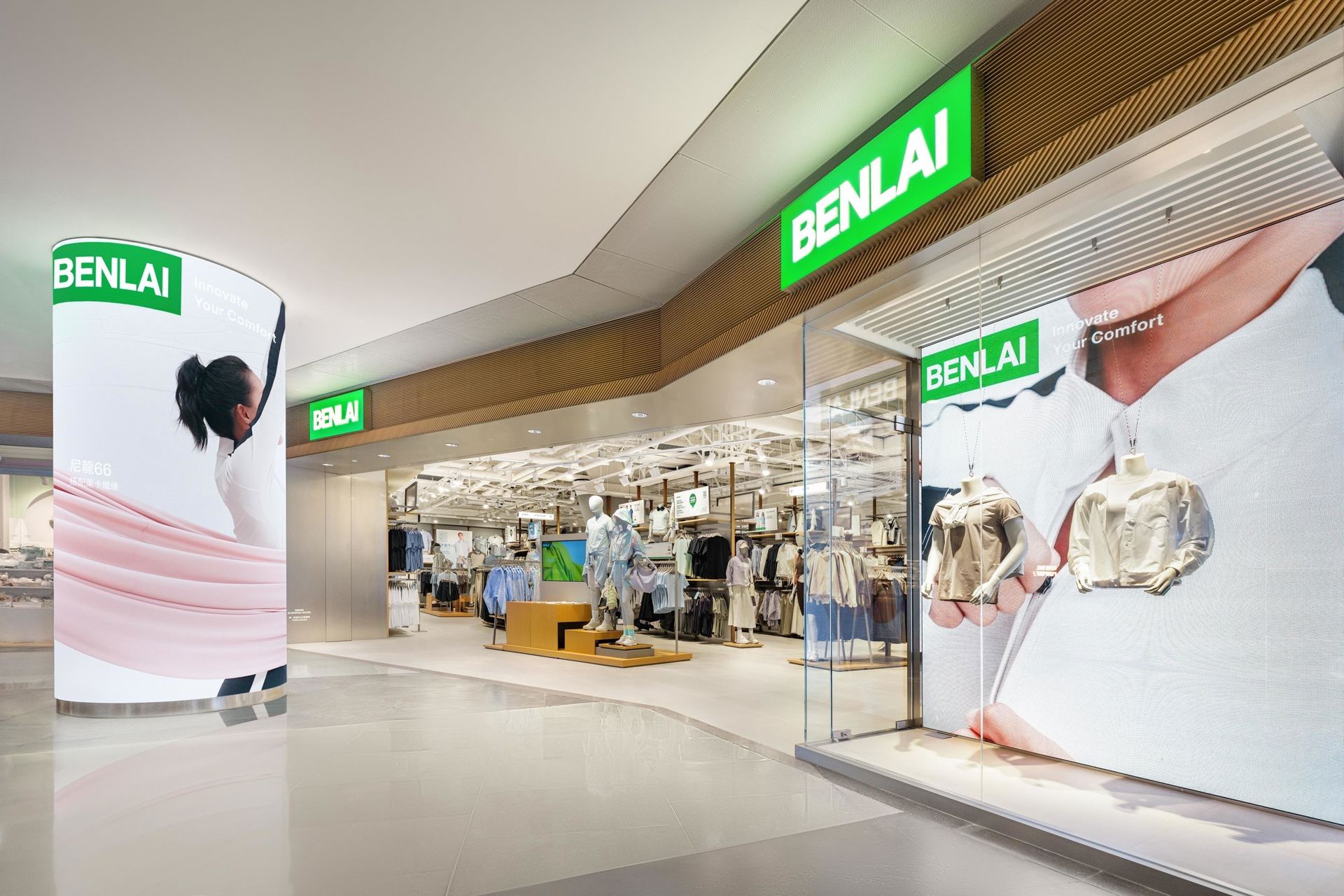
    Benlai, a Chinese brand specializing in technical apparel, has recently inaugurated its first outlet in Langham Palace, Hong Kong. This move comes as the brand’s second venture outside China, following its successful establishment in Bangkok last year, demonstrating its ongoing expansion throughout Asia.

    A Tranquil, Design-Inspired Space

    The Hong Kong store stands as a design-led, tranquil oasis amid the bustling atmosphere of the region. The exterior of the Langham Palace outlet, situated in Mong Kok, one of the most frequented and easily accessible shopping hotspots, merges warm wooden textures with a cutting-edge LED screen.

    The store’s interior employs natural materials and the brand’s signature green color scheme to create a calming ambiance, encouraging customers to unwind and take their time.

    Positioning Hong Kong as a Key Market

    Vivian Chen, CEO of the International Business Unit at FMG Group, the parent company of Benlai, maintains that Hong Kong’s unique fusion of Eastern and Western influences make it a critical fashion and lifestyle hub in Asia. After a fruitful launch in Thailand, establishing their first store in Hong Kong was a logical progression in their mission to deliver technical, comfortable fashion to a worldwide audience.

    New Store Offerings

    The store will showcase a variety of men’s and women’s apparel, as well as accessories designed for seamless transitioning between office, social, and outdoor settings, catering to all age groups. The selection will feature the brand’s Cool Breeze °C collection, characterized by quick-drying, UV-resistant, ultra-light fabrics, its plush, fluffy line, and its range of wrinkle-resistant clothing.

    Benlai has set its sights on further growth in Asia’s critical lifestyle markets, leveraging its existing network of 35 stores worldwide.

    Questions & Answers

    What is the main focus of Benlai’s offerings?
    Benlai focuses on delivering technical, comfortable fashion suitable for a variety of settings, from office environments to social gatherings and outdoor activities.

    What is unique about the brand’s new Hong Kong store?
    The new store in Hong Kong features a tranquil, design-inspired space that provides a contrast to the city’s fast-paced atmosphere. It aims to create a calming shopping experience for customers.

    What is the future plan for Benlai’s expansion?
    The brand plans to continue its expansion in Asia’s significant lifestyle markets, leveraging its already established network of 35 stores across the globe.

  • Shein files for Hong Kong IPO to pressure London’s listing regulators

    Shein files for Hong Kong IPO to pressure London’s listing regulators

    Fast-fashion retailer, Shein, founded in China, has reportedly submitted an application for an initial public offering (IPO) in Hong Kong. This move has been interpreted as a strategic effort to expedite their listing process and to put pressure on the UK’s regulatory bodies to greenlight their proposed debut on the London Stock Exchange.

    Striving for Regulatory Approval

    Shein allegedly filed a preliminary prospectus privately with the Hong Kong exchange last week. It was also reported that they sought approval from the China Securities Regulatory Commission (CSRC). However, these reports have not been independently confirmed.

    The company’s attempts to list in Hong Kong are seen as a strategy to coax the UK regulator into relaxing its risk disclosure regulations. This is crucial for Shein as it keeps the possibility of what could be London’s most significant IPO in years, alive.

    Previous Attempts for Listing

    In June, it was reported that Shein had plans to file a draft prospectus confidentially for its Hong Kong listing. This followed reports from May suggesting that the retailer was moving towards a Hong Kong listing after failing to secure approval from Chinese regulators for a proposed London IPO.

    According to reports, the UK’s Financial Conduct Authority might still be Shein’s preferred exchange if it is willing to accept a CSRC-approved prospectus. However, the possibility of this happening appears to be slim due to a significant discrepancy in the requirements of the respective regulators.

    Questions & Answers

    Why is Shein filing an IPO in Hong Kong?
    Shein has filed for an IPO in Hong Kong as part of a strategic move to expedite their listing process and to pressure the UK’s regulatory bodies into approving its planned debut on the London Stock Exchange.

    What is the significance of the UK’s Financial Conduct Authority in Shein’s IPO?
    The UK’s Financial Conduct Authority could still be Shein’s preferred exchange if it accepts a CSRC-approved prospectus. However, it has been reported that the likelihood of this happening is low due to differing regulatory requirements.

    What were Shein’s previous attempts for listing?
    Previously, Shein had planned to file a draft prospectus confidentially for its Hong Kong listing. This was after its proposed London IPO failed to secure approval from Chinese regulators.

  • Hong Kong Retains Title of World’s Most Expensive City for Homebuyers, Surpassing Zurich and Singapore

    Hong Kong Retains Title of World’s Most Expensive City for Homebuyers, Surpassing Zurich and Singapore

    The latest report from the Deutsche Bank Research Institute reveals a significant dip in the average price of city-center apartments in Hong Kong, which now stands at US$25,946 per square meter, a sharp decline from $31,943 in 2020. This shift positions Hong Kong as the city with the highest home purchase prices globally, a fact that piques interest amid its challenging housing market dynamics.

    Singapore and Zurich Close Behind

    Trailing Hong Kong are Zurich and Singapore, with average prices of $23,938 and $22,955 per square meter, respectively. However, the report highlights that these financial powerhouses often rank lower in quality of life, largely due to exorbitant housing costs. In fact, Hong Kong finds itself ranked 48th globally in terms of livability, an ironic twist for a city with such soaring property values.

    The Rental Landscape: New York Takes the Crown

    In the rental arena, New York steals the spotlight, boasting an average price of $8,388 per month for a three-bedroom apartment. Hong Kong, meanwhile, places seventh in this category, with average rents at $4,807 per month—not too shabby, yet still overshadowed by cities like Singapore, Boston, London, San Francisco, and Zurich, according to the South China Morning Post.

    Super-Prime Properties Still Shine

    In an earlier report, The Wealth Report 2025 from property consultancy Knight Frank affirmed Hong Kong’s status as a top contender for super-prime property transactions, recording a remarkable 166 sales valued at $10 million or more last year. This appeal stems from the city’s robust financial infrastructure, strategic placement, and a penchant for ultra-luxury real estate. The report noted that the finite supply of prime properties combined with a consistent global thirst for these trophy assets keeps the super-prime market a central feature of Hong Kong’s investment landscape. It’s said that with a budget of $1 million, buyers can snag just 22 square meters of luxury in Hong Kong, while the same sum gets them 32 square meters in Singapore—a stark reminder of the differences in affordability across the region.

    Questions & Answers

    How has the average price of apartments in Hong Kong changed since 2020?
    The average price of city-center apartments in Hong Kong has dropped from $31,943 per square meter in 2020 to $25,946 in the latest report.

    Which city has the highest rental rates for three-bedroom apartments?
    New York takes the lead with average rental prices of $8,388 per month for three-bedroom apartments, while Hong Kong ranks seventh at $4,807 per month.

    What factors contribute to Hong Kong’s appeal in the super-prime property market?
    Hong Kong’s attraction lies in its robust financial infrastructure, strategic location, limited supply of prime properties, and a sustained global appetite for high-value real estate.

  • Hong Kong Sees 42% Dip in Q1 Commercial Property Investment: What’s Driving the Shift?

    Hong Kong Sees 42% Dip in Q1 Commercial Property Investment: What’s Driving the Shift?

    Transaction values in Hong Kong’s commercial property market plummeted to HK$4 billion during the first quarter of 2025, according to the latest report by Savills. This reflects a staggering 42% decline compared to the previous year and amounts to just one-tenth of the total transaction volume for 2024. As the stock market began to show signs of recovery and the impact of interest rate cuts lessened, investment sentiment within the commercial sector has remained tepid.

    Positive Trends Amid the Decline

    Despite the overall downturn, there was a noteworthy reduction in distressed sales during this period. The ratio of distressed transactions dropped to 40%, amounting to HK$1.8 billion for deals over HK$50 million. For context, these figures contrast sharply with the previous quarter, which recorded a rate of 49% and a total transaction value of HK$6.3 billion.

    High-Profile Transactions Mark the Quarter

    Among the most significant deals of early 2025 was the sale of nine office floors and select retail units at One Exchange Square, sold to the Hong Kong Exchange for HK$6.3 billion in April. This acquisition will serve as HKEX’s permanent headquarters, showcasing a remarkable average price of HK$32,000 per square foot—70% higher than recent stratified Grade A office transactions, all while featuring floor efficiency estimates of about 80%.

    This strategic move also involves extensive renovations, with Hongkong Land planning to upgrade the reception lobby and provide direct access to the HKEX Connect Hall. Public-facing areas, including the rooftop, will feature HKEX-branded signage, with total refurbishment costs potentially soaring to HK$400 million. With such ambitious updates, it seems the Hong Kong Exchange is setting itself up not just for business but for a grand presence as well.

    End Users Capitalizing on Opportunities

    In another significant transaction, the Airport Authority purchased the Winland 800 Hotel in Tsing Yi for HK$765 million, translating to HK$960,000 per room, for their own use. Meanwhile, the English Schools Foundation secured two office floors totaling 40,380 square feet for about HK$300 million, equating to approximately HK$7,429 per square foot, also intended for self-use.

    The founder of Meitu made headlines as well by acquiring Park Aura in Tin Hau for HK$650 million, planning to dedicate part of the space to AI, IT, and crypto-related ventures. Meanwhile, religious institutions are also taking advantage of declining prices, with a Buddha religious institution purchasing a retail podium on the second floor of Amber Commercial Building for an impressive HK$108.5 million, or merely HK$5,000 per square foot, further emphasizing the opportunity-filled terrain of the commercial sector.

    Market Challenges and Future Outlook

    Despite these transactions, the overall fundamentals of the office and retail sectors remain weak, with rents decreasing by 1.6% and 3.6%, respectively, during Q1 2025. Rising vacancies and an influx of new supply continue to dampen investor enthusiasm, leading many to adopt a cautious investment approach, typically seeking initial yields of 6% or higher.

    As investors gaze into the future, the trajectory of interest rate movements and lending policies from banks will be pivotal in shaping the investment landscape. If the current low levels of HIBOR hold true, and further rate cuts are on the horizon, distressed sales may decline over the next few months. However, this could also spur local investors to divest non-distressed commercial assets proactively, preparing for any anticipated shifts in interest rates.

    The broad approach of banks will significantly affect how willing investors are to offload commercial assets and the level of interest from potential new entrants into the market. With a cocktail of caution and ambition, the commercial real estate scene in Hong Kong remains one to watch closely.

    Questions & Answers

    What was the total transaction value in Hong Kong’s commercial market for Q1 2025?
    The total transaction value was HK$4 billion, reflecting a 42% decline year-over-year.

    Which entity made a significant acquisition at One Exchange Square?
    The Hong Kong Exchange acquired nine office floors and retail units for HK$6.3 billion, marking a notable transaction early in the year.

    How have rental rates in the office and retail sectors changed recently?
    Rental rates have decreased by 1.6% in the office sector and 3.6% in the retail sector during Q1 2025.

  • Chart of the Week: Hong Kong’s Credit and Charge Card Market Set to Hit $132.4 Billion!

    Chart of the Week: Hong Kong’s Credit and Charge Card Market Set to Hit $132.4 Billion!

    Banks in Hong Kong are stepping up their game with exciting new offerings like mobile virtual cards and dual-currency payment options. As a reflection of this growing competitiveness, the credit and charge card payments market is projected to expand by 6% to reach an impressive $132.4 billion (HK$1 trillion) by 2025, according to insights from data and analytics firm GlobalData.

    Currently, credit and charge cards account for a staggering 77% of all card payments in Hong Kong. This remarkable uptick in consumer spending is driven by a rapidly evolving payment infrastructure, an increasing number of merchant acceptances, and enticing benefits tailored for customers.

    With 27,252 point-of-sale (POS) terminals per million inhabitants, Hong Kong proudly outpaces Japan, Thailand, and Indonesia in this regard. As banks roll out innovative schemes, the appetite for adopting digital payment solutions is only expected to grow.

    Revolutionary Offerings Fuel Market Growth

    In June 2025, HSBC partnered with Mastercard to introduce the city’s pioneering mobile virtual corporate card, specifically designed for commercial clients. This avant-garde solution allows businesses to instantaneously issue virtual cards through a user-friendly portal. For added convenience, these cards can be linked to compatible digital wallets for immediate use through the Mastercard In Control Pay mobile app. Users enjoy the flexibility to activate or deactivate their virtual cards at any time and from any location — because why not take control of your finances while sipping a coffee at your favorite café?

    First Dual-Currency Card Takes Center Stage

    In a related development, the Bank of China Hong Kong (BOCHK) collaborated with UnionPay International to launch a dual-currency BOC Go credit card. This innovative card enables holders to make purchases in both Chinese yuan and Hong Kong dollars, blurring the lines of currency accessibility.

    Transaction Growth Points to Consumer Confidence

    Recent data from the Hong Kong Monetary Authority (HKMA) reveals that in the first quarter of 2025, the total value of credit card transactions surged by 8.4% year-on-year to reach $34.9 billion (HK$274.1 billion). Delving deeper, of this sum, $23.7 billion (HK$186.1 billion) stemmed from retail spending within Hong Kong. Overseas retail spending accounted for $10.06 billion (HK$79 billion), with cash advances making up $1.15 billion (HK$9 billion).

    Flexible Repayment Options to Enhance User Experience

    Recognizing the importance of managing risk, banks are enhancing credit card user experience by introducing flexible repayment options. For instance, Citibank’s Merchant Instalment Plan allows consumers to convert purchases of HKD2,000 ($256) or more at over 600 participating merchants into manageable monthly installments. Similarly, Standard Chartered offers customers the ability to convert purchases of HKD500 ($64) and above into payments spread over three to 60 months, fostering greater financial ease.

    Questions & Answers

    What is the projected growth rate of Hong Kong’s credit and charge card payments market by 2025?
    The market is expected to grow by 6%, reaching $132.4 billion (HK$1 trillion) by 2025.

    How are banks encouraging the adoption of new payment solutions?
    Banks are introducing innovative products like mobile virtual corporate cards and dual-currency credit cards, alongside flexible repayment options to enhance user convenience.

    What percentage of all card payments in Hong Kong currently comprises credit and charge cards?
    Credit and charge cards account for a significant 77% of all card payments in Hong Kong.

  • Hong Kong Edges Out Singapore to Claim Title of Asia’s Most International City

    Hong Kong Edges Out Singapore to Claim Title of Asia’s Most International City

    In a recent release from the Hong Kong General Chamber of Commerce, the Asian Cities Internationality Index has revealed its latest rankings, ultimately declaring Hong Kong the leading city in Asia with a score of 73.7 out of 100. The dynamic city narrowly edged out Singapore, which secured a score of 73.5, making the competition as tight as a pair of shoes on a bustling Hong Kong street.

    Evaluating 11 major cities in the region, the index utilized 113 indicators across seven categories: business and economy, quality of life, infrastructure and connectivity, innovation and ideas, human capital diversity, cultural interaction, and the governmental and legal frameworks that support business operations. This comprehensive analysis also drew insights from a survey completed by 1,107 senior business executives situated in the assessed locales, ensuring a well-rounded perspective.

    Hong Kong’s recognition as a top-tier global financial hub shines through the report. Praised for its successful hosting of international events and a living environment characterized by safety, stability, and freedom, the chamber’s press release highlighted these factors as key to its ascendance in the rankings. In contrast, Singapore’s strengths were noted in its multicultural milieu and its adeptness at attracting and nurturing diverse talent.

    Despite this triumph, Hong Kong’s performance in the innovation and ideas category raised some eyebrows, where it ranked fourth behind Shanghai, Singapore, and Seoul. Patrick Yeung Wai-tim, the chamber’s CEO, acknowledged this shortcoming, pointing to an ongoing challenge in the commercial viability of scientific research. “Hong Kong’s own enterprises still invest a relatively low proportion of their operational costs in scientific research and development,” he commented, as reported by the South China Morning Post.

    Tokyo secured the third position in the rankings, followed closely by Seoul, Shanghai, and Bangkok, while Kuala Lumpur, Taipei, Jakarta, Ho Chi Minh City, and Mumbai completed the list in that sequence, according to the Macao News. Each city’s unique strengths play into the larger narrative of Asia’s evolving retail landscape, reminding us that while the skyline may gleam, innovation remains the true lifeblood of progress.

    Questions & Answers

    How did Hong Kong perform in the innovation and ideas category?
    Hong Kong ranked fourth in the innovation and ideas category, trailing behind Shanghai, Singapore, and Seoul, which raised concerns among experts regarding its commercialization of scientific research.

    What factors contributed to Hong Kong’s top ranking in the index?
    The city’s strong performance in the business and economy category, coupled with its status as a global financial hub and a safe, stable living environment, were key factors that contributed to its high score.

    Which cities rounded out the top six in the rankings?
    The top six cities included Tokyo in third place, followed by Seoul, Shanghai, and Bangkok, while Kuala Lumpur, Taipei, Jakarta, Ho Chi Minh City, and Mumbai followed in succession.

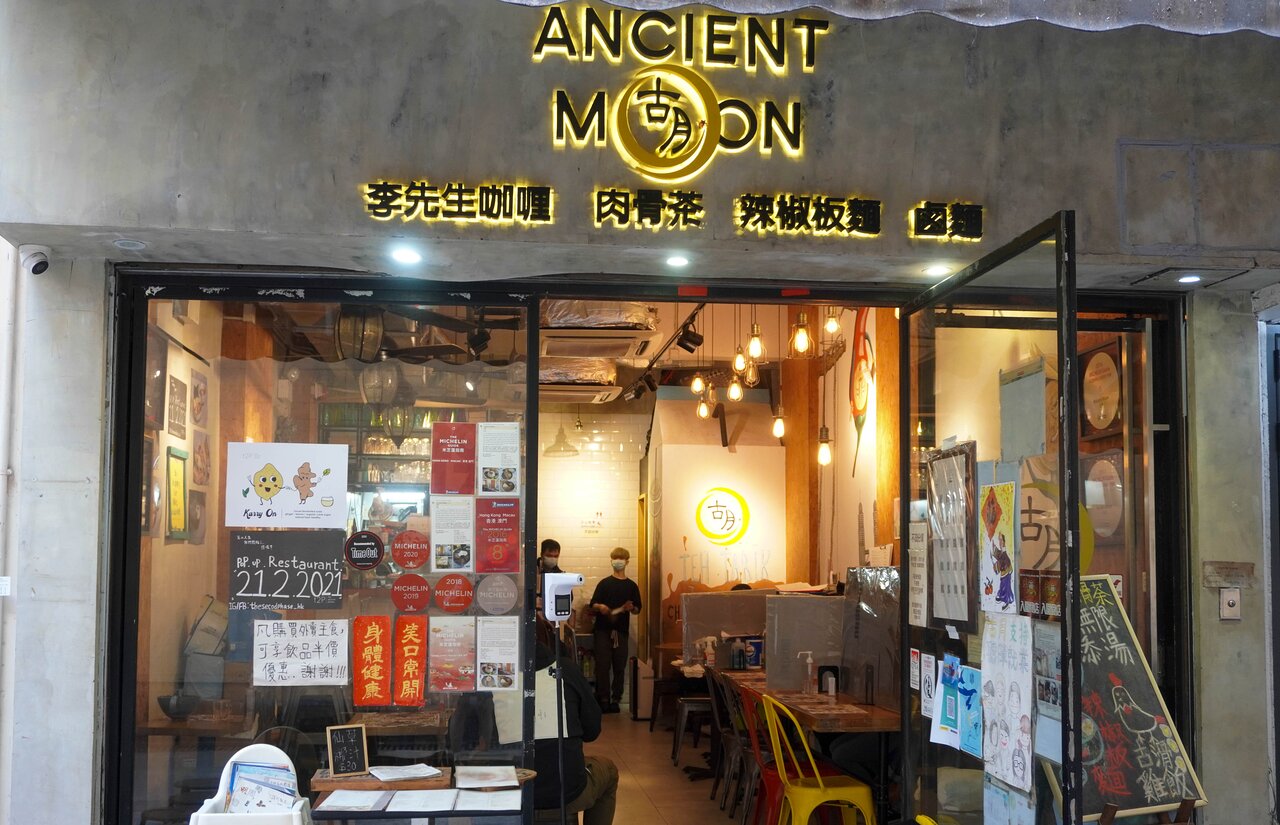
  • Hong Kong’s Beloved Ancient Moon Restaurant Closes Amid Shifting Consumer Trends And Family Priorities

    Hong Kong’s Beloved Ancient Moon Restaurant Closes Amid Shifting Consumer Trends And Family Priorities

    “We have tried to adapt but our ability and resources are limited,” the owners shared in a heartfelt Instagram post that captures both their frustration and resilience. After dedicating 11 years to cultivating their space, they are shutting the doors to Ancient Moon, a beloved restaurant in Hong Kong, as they prioritize spending more time with family amidst challenging external conditions. However, there’s a silver lining: their other establishment, “The Second Phase,” will continue to serve the community.

    Recognition Amidst Adversity

    Known for its culinary prowess, Ancient Moon was recently honored with a Bib Gourmand designation in the 2024 Michelin Guide for Hong Kong and Macau. This accolade celebrates eateries providing “high-quality food for only HKD400 (US$50) or less,” making it a standout choice for those seeking a delicious meal without breaking the bank.

    However, Ancient Moon’s closure is part of a broader trend affecting many small businesses throughout Hong Kong’s restaurant scene. Shifting consumer habits have put significant pressure on local eateries, as noted by the South China Morning Post. The statistics are telling: Hong Kong’s retail sales dipped for the 14th month in a row as of April, sliding 2.3% year-on-year to HKD28.9 billion. The situation has deteriorated further, with retail sales down 5.6% in the first four months of 2025.

    Consumer Trends Shift

    This downturn is partially attributed to locals choosing to shop in Shenzhen for more affordable options or indulging in travel, spurred by the Hong Kong dollar’s strength against currencies like the yen. Additionally, the recent influx of tourists seems to favor cultural experiences rather than shelling out for upscale dining and luxury shopping.

    The woes don’t stop at Ancient Moon. King Parrot Group, a popular restaurant operator, recently closed nine of its eateries, reportedly owing staff more than HKD1 million. This decision follows years of scaling back operations, marking a tough chapter for the once-thriving enterprise known for over 20 restaurant brands at its pinnacle. According to Nerine Yip Lau-ching, general secretary of the Hotels, Food and Beverage Employees Association, employees were informed of the closures and paid their outstanding wages immediately.

    In a similar vein, Los Angeles-based sandwich chain Eggslut exited Hong Kong’s scene less than two years after its debut. The high cost of commercial rents has exacerbated the trend. Notable victims include Transformers: The Ark Restaurant, a hamburger and pizza venue that previously paid up to HKD1 million monthly in rent in Causeway Bay, one of the world’s most expensive retail hotspots, before shuttering last year.

    With these developments, one can’t help but wonder: could the charm of local eateries bounce back amidst adversity? Only time will tell, but the culinary landscape continues to evolve.

    Questions & Answers

    What were the primary reasons for Ancient Moon’s closure?
    The owners cited challenging external conditions and a desire to spend more time with their families.

    What recognition did Ancient Moon receive before its closure?
    The restaurant earned a Bib Gourmand designation in the 2024 Michelin Guide for Hong Kong and Macau.

    How are consumer trends impacting the restaurant industry in Hong Kong?
    Many locals are opting to shop in Shenzhen or travel overseas for better value, significantly affecting local restaurants, while tourists are leaning toward cultural experiences rather than luxury dining.

  • FMG Launches Regional HQ and Debuts Urban Revivo Store in Hong Kong

    FMG Launches Regional HQ and Debuts Urban Revivo Store in Hong Kong

    Chinese fast-fashion retailer Fashion Momentum Group (FMG) has officially launched its regional headquarters and opened the inaugural URBAN REVIVO store in Hong Kong, according to an announcement by Invest Hong Kong (InvestHK). This strategic move is designed to streamline the company’s corporate treasury and retail operations while supporting its global expansion ambitions.

    Arnold Lau, the acting director-general of investment promotion at InvestHK, emphasized the allure of Hong Kong, highlighting its advantageous location and robust supply chain as key factors driving international retail growth.

    Adding to the excitement, Vivian Chen, CEO of International Business at URBAN REVIVO, mentioned that collaboration with InvestHK last year had bolstered their confidence to venture into the Hong Kong market. “Hong Kong introduces us to a diverse customer base, set within a friendly business ecosystem characterized by zero tariffs and effective infrastructure,” she commented. “The city uniquely positions us as a bridge connecting the Mainland to the global market.”

    Fashion lovers and global brands, consider this: Hong Kong isn’t just a shopping destination; it’s a gateway to the world!

    Questions & Answers

    What is the purpose of FMG’s new headquarters in Hong Kong?
    FMG aims to manage its corporate treasury and retail operations more effectively while facilitating its global expansion from Hong Kong.

    What benefits does Hong Kong offer to international retailers?
    Hong Kong provides a strategic location, a robust supply chain, an open business environment with zero tariffs, and effective infrastructure.

    How did FMG gain the confidence to enter the Hong Kong market?
    FMG collaborated with InvestHK, which introduced them to global brands and helped strengthen their confidence in establishing a presence in the region.

  • Uma Nota and Bedu to shut down in Hong Kong this summer

    Uma Nota and Bedu to shut down in Hong Kong this summer

    Navigating Hong Kong’s culinary industry presents a challenging venture, as escalating rental rates, consumers seeking cheaper alternatives in Mainland China, and stiff rivalry between establishments create a tough business environment. These factors are placing a strain on the operations of numerous local eateries, compelling them to make difficult calls. Regrettably, after eight years of service in Central, Uma Nota and Bedu, entities of Meraki Hospitality, are set to close their operations on June 21. Brother and sister duo Alex and Laura Offe, who established Meraki Hospitality in 2018, have left a significant imprint on the local gastronomic scene with their unique restaurant offerings.

    The Closure Decision

    The hospitality group attributed the decision to shut both restaurants to the escalating costs and evolving Hong Kong market conditions. The founders also consider this pause an opportunity for reflection, rejuvenation, and the conception of novel ideas.

    The closure of the restaurants represents a poignant moment for the founders, who cherish the relationships and memories built over time. Alex expressed his gratitude to their community and looked forward to welcoming everyone back with fresh concepts in the future.

    Legacy of the Restaurants

    Uma Nota, the first Brazilian-Japanese restaurant in Hong Kong, commenced operations in 2017, providing a unique twist on Brazilian botecos, a popular social spot serving drinks and appetizers. Taking advantage of its success, Meraki Hospitality expanded the Uma Nota brand into cities like Paris in 2018 and Manila in 2024. The second restaurant, Bedu, opened its doors in 2018 on Gough Street. It served modern interpretations of traditional Middle Eastern dishes, quickly becoming a key establishment in the community.

    Meraki Hospitality’s Future Plans

    Even with the closure of their current establishments, the Offe siblings have plans for the future. They are set to introduce Sabai, a luxurious Thai restaurant, in Manila. While details about their future ventures in Hong Kong are yet to be disclosed, they are optimistic about making a comeback in the city’s dining scene.

    Questions & Answers

    Why are Uma Nota and Bedu closing?
    The closure of Uma Nota and Bedu is primarily due to the rising operational costs and changing market dynamics in Hong Kong.

    What are the future plans of Meraki Hospitality?
    Meraki Hospitality is gearing up to launch a high-end Thai restaurant, Sabai, in Manila. Although details about their future plans in Hong Kong are not yet available, they are hopeful about making a return.

    What was unique about the restaurants Uma Nota and Bedu?
    Uma Nota was the first Brazilian-Japanese restaurant in Hong Kong, providing a unique twist on Brazilian botecos. Bedu, on the other hand, was known for its modern take on classic Middle Eastern dishes.

  • Bacha Coffee Launches First Flagship Store in Hong Kong, Promising a Unique Coffee Experience

    Bacha Coffee Launches First Flagship Store in Hong Kong, Promising a Unique Coffee Experience

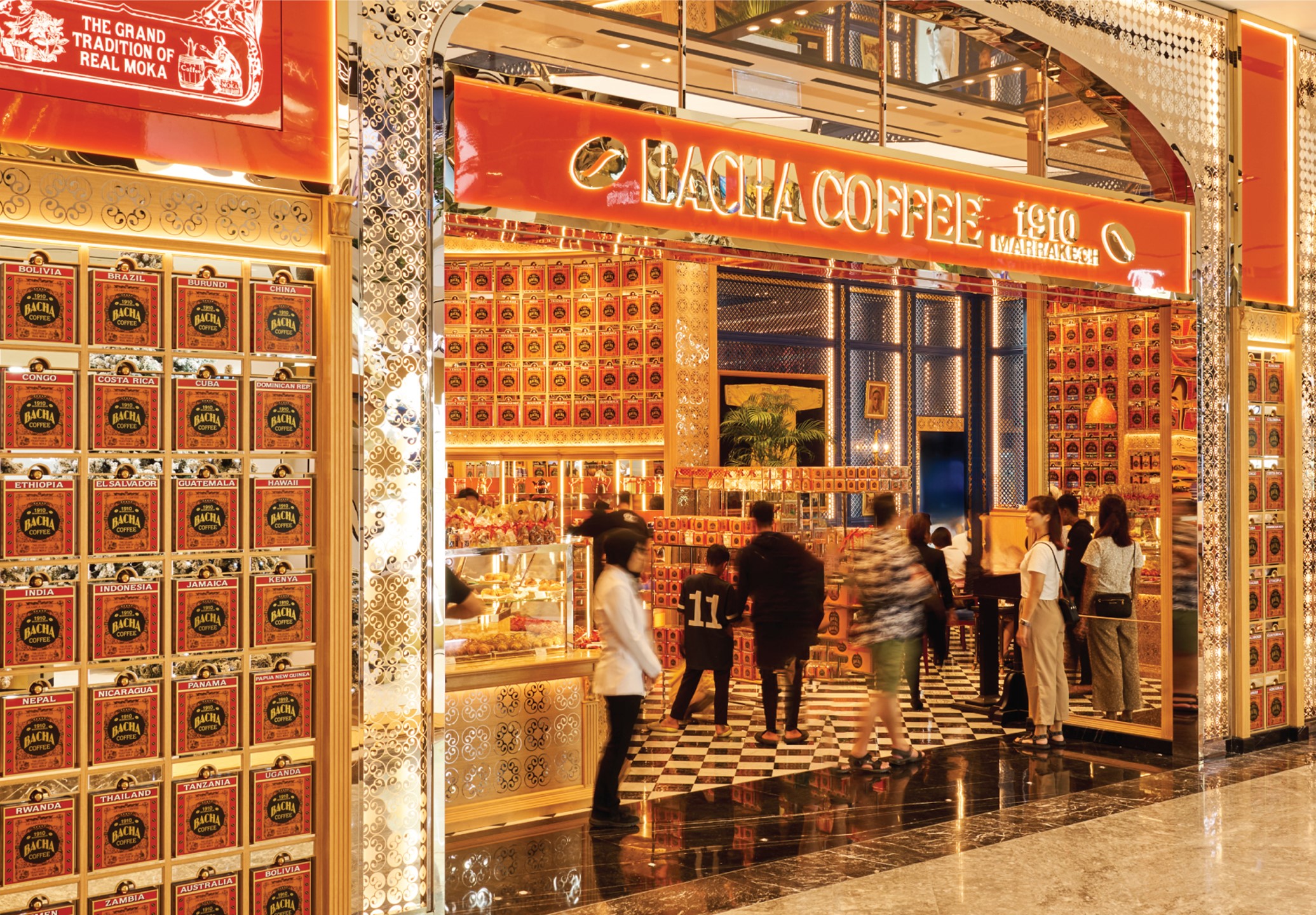
    Bacha Coffee has unveiled its first full-concept flagship store in the bustling Harbour City of Hong Kong, a pivotal move in the brand’s ambitious global expansion plan. Spanning an impressive 2,500 square feet, this vibrant new location features a Coffee Boutique, a 50-seat Coffee Room, and a takeaway counter that collectively showcase an astounding selection of over 200 varieties of 100% Arabica coffee sourced from 35 countries.

    This outlet is not just about coffee; it’s Bacha Coffee’s first complete dining experience in the city. The Coffee Room entices visitors with an all-day menu brimming with delectable pastries and artisan viennoiseries, all thoughtfully paired with their aromatic coffee offerings. The design pays homage to the brand’s origins in Marrakech, creating an enchanting atmosphere that transports patrons to its Moroccan roots.

    Here, traditional brewing techniques reign supreme, with skilled “coffee masters” meticulously preparing each cup in elegant golden gooseneck pots, a sight that is both captivating and delicious.

    The Hong Kong launch underscores Bacha Coffee’s commitment to global growth, following a successful revival in Marrakech that has seen the brand expand to 32 stores across 12 cities such as Paris, Dubai, Doha, Seoul, Singapore, and Taipei. The recent inauguration of its flagship store on the iconic Champs-Élysées in April further exemplifies its relentless pursuit of worldwide recognition.

    And who knows, maybe one day we’ll be sipping Bacha Coffee in outer space—after all, why should astronauts miss out on a good brew?

    Questions & Answers

    What is Bacha Coffee’s latest store concept in Hong Kong?
    The new full-concept flagship store includes a Coffee Boutique, a Coffee Room with all-day menu options, and a takeaway counter, set within a lavish 2,500-square-foot space.

    How many coffee varieties does the flagship store offer?
    The flagship store offers an impressive selection of over 200 varieties of 100% Arabica coffee from 35 different countries.

    What inspired the design of the Coffee Room at the new store?
    The Coffee Room’s design is inspired by Bacha Coffee’s original home in Marrakech, aiming to provide a unique and captivating atmosphere for customers.

  • China, Hong Kong shares fall as global investors flee risky assets

    China, Hong Kong shares fall as global investors flee risky assets

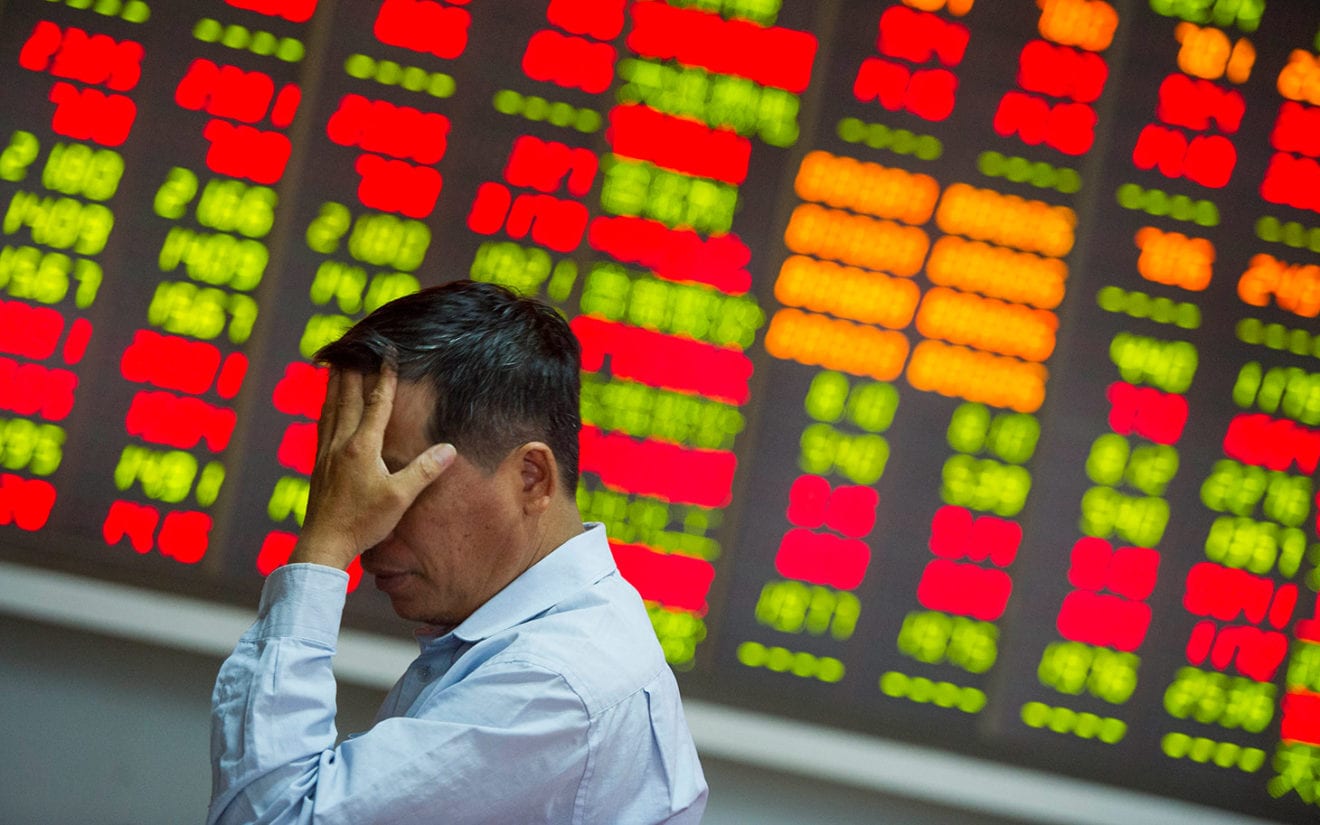
    China and Hong Kong stocks slumped on Monday morning, with investors joining a global flight from risky assets on lingering economic concerns and rising risks from the UK’s possible exit from the European Union.

    Sentiment was dampened by worries over China’s economic health after data showed slowing growth in fixed asset investments and retail sales, offsetting optimism that MSCI may add Chinese shares to its emerging market index this week.

    China’s blue-chip CSI300 index fell 0.8 percent, to 3,138.06 points by the lunch break, while the Shanghai Composite Index also lost 0.8 percent, to 2,904.23 points.

    Selling was more intensive in Hong Kong, where financial markets are more open and thus more vulnerable to global market volatility. The benchmark Hang Seng index dropped 2.5 percent.

    In June 2015, China’s “Great China Bubble” burst, triggered by the destruction of margin trades, and sending shockwaves across global financial markets.

    “One year after the crash, China’s stocks, bonds, property and currency are still expensive,” wrote Hong Hao, chief strategist of BOCOM International.

    He added that the Shanghai index was still roughly 17 percent above the theoretical support level of 2,500 even after almost halving from last summer’s peak.

    “Although Hong Kong is trying to heal, struggling global markets will be a drag.”

    Global market volatility surged lately as investors fretted ahead of this week’s central bank meetings as well as Britain’s June 23 referendum on whether to remain in the European Union.

    Sentiment was not helped by lacklustre Chinese data.

    Foreign direct investment (FDI) in May fell 1 percent from a year earlier, marking the first year-on-year decline since December, according to data published on Sunday.

    Data on Monday showed that China’s fixed-asset investment growth eased to 9.6 percent in January-May from the same period a year earlier, below market expectations. Industrial output and retail sales data were not encouraging either.

    “Given today’s data, there is higher risk for China to miss the growth target of 6.5 percent y/y in Q2,” ANZ wrote in a research note.

    Shares fell across the board in China and Hong Kong.