Retail News CRM

Tag: korean brand

  • LG Electronics starts venture to make in-cabin electronics

    LG Electronics starts venture to make in-cabin electronics

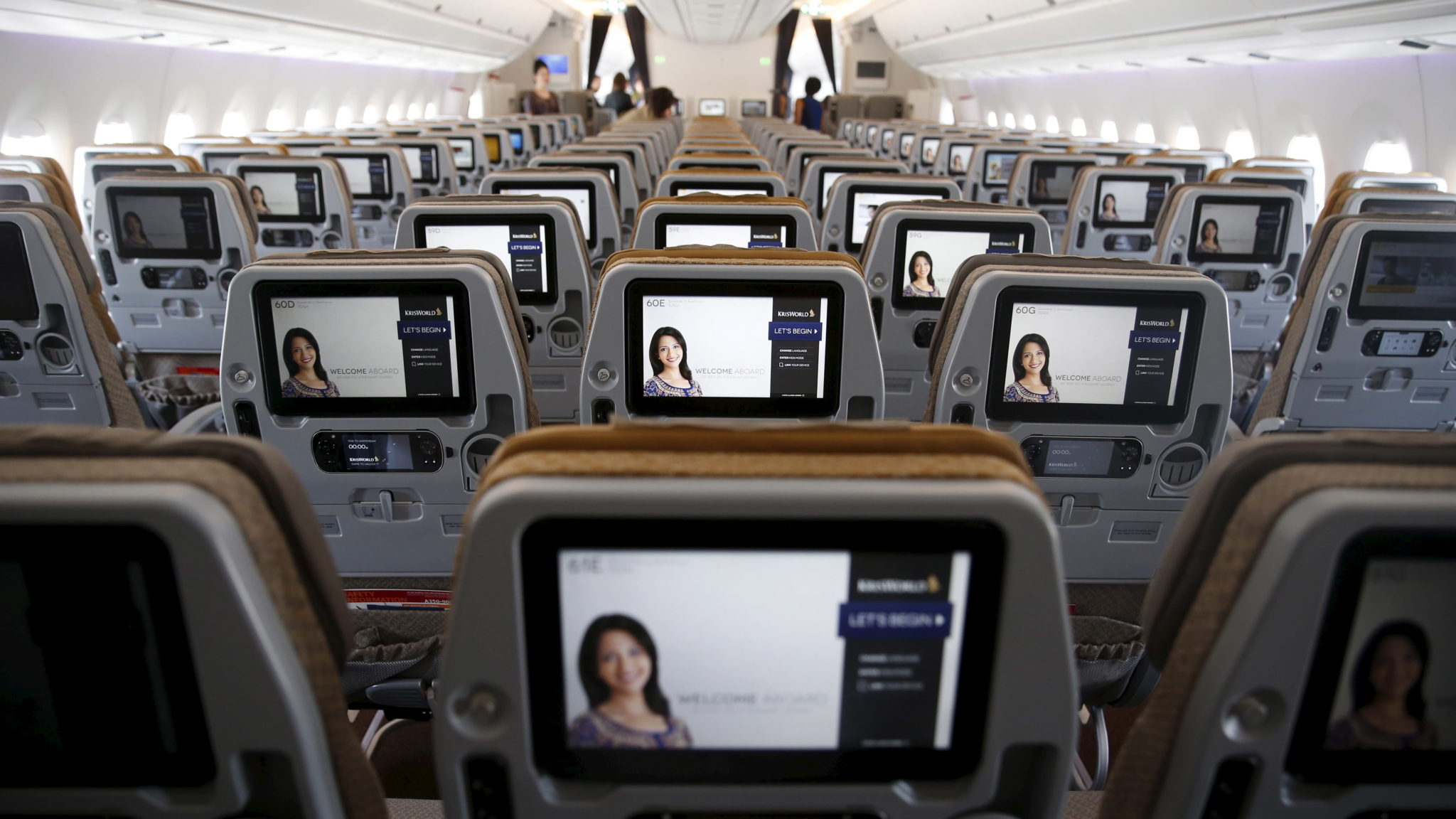
    LG Electronics said Thursday it will establish a joint venture with Germany’s Lufthansa Technik, which will be devoted to developing in-cabin electronics systems. The new venture, whose name has not yet been decided, will focus on developing in-cabin solutions utilizing LG Electronics’ technologies, including its OLED displays.

    Lufthansa Technik is a subsidiary of Deutsche Lufthansa AG, Germany’s largest air carrier.

    The new company will kick off in the first half of 2019, and will be based in Hamburg, Germany. LG did not reveal detailed conditions of the agreement, including the size of the deal.

  • The Face Shop loses trademark battle with Louis Vuitton

    The Face Shop loses trademark battle with Louis Vuitton

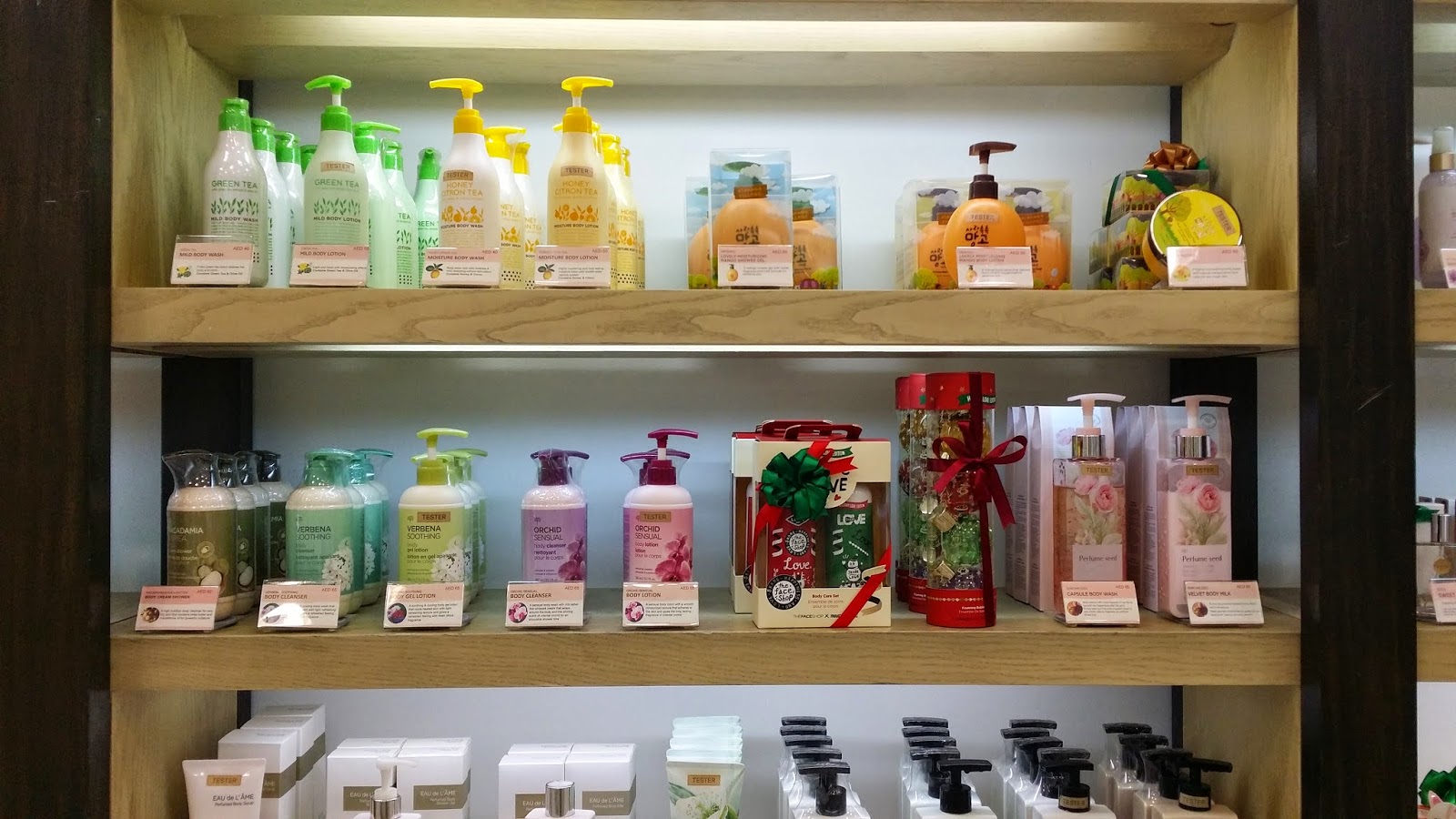
    Korean cosmetics firm The Face Shop has lost a trademark infringement case filed against it by French luxury brand Louis Vuitton. The infringement case relates to Face Shop’s collaboration with American brand My Other Bag, known for its parodies of luxury products. LV has unsuccessfully pursued My Other Bag for damages in American courts.

    Seoul’s Central District Court has ruled The Face Shop to cease trading in products featuring Louis Vuitton designs and pay KRW50 million (US$44,080) in fines.

    The Face Shop failed in its defense that their products were a parody due to the low market profile of My Other Bag in Korea and the difference in how The Face Shop used LV designs compared with My Other Bag’s parody products.

  • Spotlight on ASEAN for Korean retail, beauty and entertainment biz

    Spotlight on ASEAN for Korean retail, beauty and entertainment biz

    With Southeast Asia becoming the center stage for South Korean businesses in expanding their global presence, retail conglomerates like Lotte, Shinsegae and CJ have been successfully tapping into the markets. Lotte Group has focused its investments on its retail arm Lotte Shopping’s entrance to the Indonesian market. According to the company, the Indonesia market accounts for 17 percent of total sales earned from overseas Lotte Group businesses.

    Lotte Mart, a discount chain operated by Lotte Shopping, currently runs 46 stores in 25 cities in Indonesia. These stores raked in 1.1 trillion won (US$971 million) in sales as of the end of last year.

    By 2020, the company aims to open 36 more stores in 10 additional Indonesia cities.

    Following a successful entrance in the Indonesian market, Lotte Shopping now targets large-scale investment in Vietnam.

    The company will inject 330 billion won to complete the construction of Lotte Mall Hanoi by 2020.

    Shinsegae Group has been also speeding up its expansion into countries in the Southeast Asia.

    In 2015, Shinsegae’s discount chain operator E-mart opened a two-story mall located in the heart of Ho Chi Minh City at Go Vap District, one of the most developed and densely populated areas in the capital.

    The Go Vap branch marks E-mart’s first overseas store since the brand redirected its focus to the Southeast Asian market in 2011 after officially exiting the Chinese market.

    For over the next three years, E-mart will invest 549 billion won to open four more stores in Vietnam by 2020.

    The second outlet in Ho Chi Minh will open in the first half of next year, the group said.

    Singapore is another crucial country — geographically and economically — for the groups.

    SPC Group opened the first Paris Baguette store in Singapore in 2012. Now nine outlets are operated there, including one at Changi Airport.

    The group said its Singaporean branch Paris Baguette Singapore PTE marked a 12 percent increase in sales from 12.9 billion won in 2015 to 14.4 billion won in 2016.

    SPC Group said it has taken care to localize its services as much as possible to meet the needs and lifestyle of Singaporean consumers.

    Entertainment businesses have also penetrated Southeast Asian markets.

    CJ ENM, a merged corporation of CJ O Shopping and CJ E&M that officially launched in July, will open Asia’s largest virtual commerce content production center in Ho Chi Minh City, Vietnam, targeting audiences in Southeast Asian countries.

    The center, called DADA Studio Vietnam, will create and distribute at least 1,000 pieces of virtual commerce content from early next year.

    Focusing on making use of the low-cost production system and high efficiency of the talent pool in Vietnam, CJ ENM said its attempt to operate a content hub abroad would lead to boosted content sales from the global market.

    “CJ O Shopping and CJ E&M had already witnessed the possibility of the v-commerce content business through our DADA Studio and online creators’ platform DIA TV. To dominate the expanding global content market, a merger of the two CJ companies will show the synergized effect of CJ’s digital content and channel operation,” said Kim Do-han, a director at CJ O Shopping.

    Following the K-pop boom and popularity of Korean style makeup trends, Amorepacific opened an outlet of its high-end makeup and skin care brand Hera this year at the Takashimaya Department store in the heart of Singapore’s shopping district.

    “Targeting the Singaporean market is important with the K-pop and Korean culture wave’s sensational influence to surrounding countries. Hera’s trendy brand image will suit well with Singapore consumers’ taste,” said Na Jung-kyun, head of Amorepacific’s Southeast Asian region division.
  • Korean Brands Increasing Popularity Among Hong Kong Consumers Over Japanese Brands

    Korean Brands Increasing Popularity Among Hong Kong Consumers Over Japanese Brands

    A Nielsen report shows Korean products have usurped the popularity of Japanese products among young Hong Kong consumers.

    The report traces the local market’s perception of Japanese and Korean trends to assess which is perceived as being more popular. It shows that for the first time, more than half of respondents aged 18 to 54 are confident in the longevity of Korean pop-culture influences in the near future.

    Some 80 per cent of millennials, in a response pattern that skewed towards women, preferred Korean trends. And 88 per cent of higher-income respondents were shown to have strong brand recognition for Korean products and to have visited Korea twice within the last year.

    Key drivers behind Korean trends are shown to be entertainment, fashion, and personal care targeted at millennial buyers. Korean food products are also increasingly popular in Hong Kong.

    A third of all respondents indicated an intention to increase spending on Korean products in future.

    Nielsen Hong Kong & Macau’s MD Michael Lee said: “With the Korean market slowly emerging in Hong Kong, Korean brands can succeed and win Hong Kong customers’ buy in by being more customer focused, showing emphasis on product quality and charging a premium with innovation. This will certainly open up a new market for opportunities to come”.

    The Nielsen report’s release coincides with an announcement by Chinese online marketing platform iClick Interactive Asia Group that it will form a strategic partnership with MezzoMedia, a Korean digital marketing solutions firm. The move is intended to further open the large Chinese consumer base up to Korean brands.

    MezzoMedia senior VP Kim Jin-Kyu said: “As one of Korea’s largest agencies, we work with brands that have significant appeal to the Chinese consumer… [iClick] will allow targeting into the largest internet audience in the world. In addition, their strategic relations with Tencent, Baidu and Ctrip give access to premium inventory.”