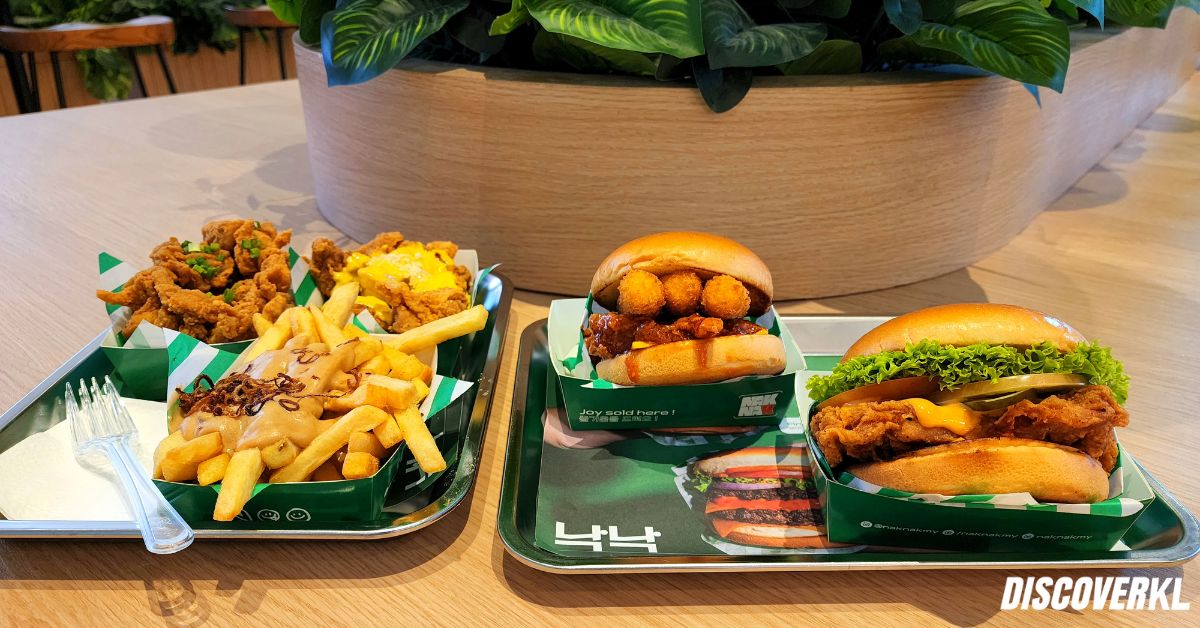
Malaysian fast-casual operator NakNak expanded its domestic menu on September 21, 2026. The chain rolled out a cheese-loaded fried chicken line priced from RM24.90 alongside new dessert and salad options.
The limited-time Ultimate Cheese Bomb pairs fried chicken and fries with melted mozzarella. The launch targets higher evening ticket sizes across the brand’s Malaysian footprint.
Pricing and menu mechanics
NakNak structured the launch across two price tiers. The Original Ultimate Cheese Bomb starts at RM24.90, combining Korean fried chicken and fries with melted mozzarella. The Spicy version lists from RM26.90, swapping in the brand’s Spicy Gochujang Nak Dak sauce. Diners can also add an extra Ultimate Cheese Bomb Sauce portion for RM8.00.
To capture multi-item orders, the chain introduced lower-cost sides and sweets. The Shake Shake Salad retails from RM9.90 with Korean or sesame dressing, or RM12.90 bundled with a carbonated soft drink. Extra dressing cups cost RM1.50. For dessert, the Joy Cookie Tiramisu lists at RM12.90 to anchor the sweet end of the ticket.
Cadence of limited-time offerings
This release maintains NakNak’s 2026 promotional cycle. The chain ran its Thai Basil Pow series in February 2026, the Hot Honey Butter Crunch series in May, and a Tropical Punch beverage campaign in July. Rotating hero items every eight to ten weeks keeps store traffic steady without overhauling core kitchen equipment.
Korean-inspired fried chicken chains in Malaysia rely on visual items to drive food court footfall. Melted cheese pours deliver strong social media engagement. However, they complicate dinner rush operations. Melted dairy requires strict temperature control and fast table delivery before texture degrades.
Add-ons and ticket engineering
Pricing across the menu shows how quick-service chains manage ingredient inflation while lifting receipts. By pricing the core plate at roughly RM25 to RM27 and selling sauces and tiramisu separately, NakNak pushes the full check above RM40 per person. That lifts revenue per square metre against rising urban mall occupancy costs.
Salad combos at RM12.90 offer an option for mixed groups. Including lighter items prevents group vetoes, where a single health-conscious diner diverts an entire party from a fried chicken outlet. For store kitchens, assembling pre-portioned salads takes minimal prep time and zero fryer capacity.
Korean quick-service battleground
Malaysia is one of Southeast Asia’s most competitive markets for Korean dining concepts, with local brands battling international franchises like KyoChon and 4Fingers. Sauce-coated chicken and cheese pairings are standard across the segment. This keeps switching costs low and forces operators to refresh promotional menus continuously.
Margin control remains the central commercial challenge. Mozzarella and dairy inputs face global commodity price volatility and currency exposure in Malaysia, where raw dairy is mostly imported. Sustaining profits depends on customers ordering high-margin soft drinks, salads and desserts alongside cheese-heavy mains.
Outlets across Kuala Lumpur and surrounding urban centres have begun serving the full promotional line-up, which runs while promotional inventory lasts.