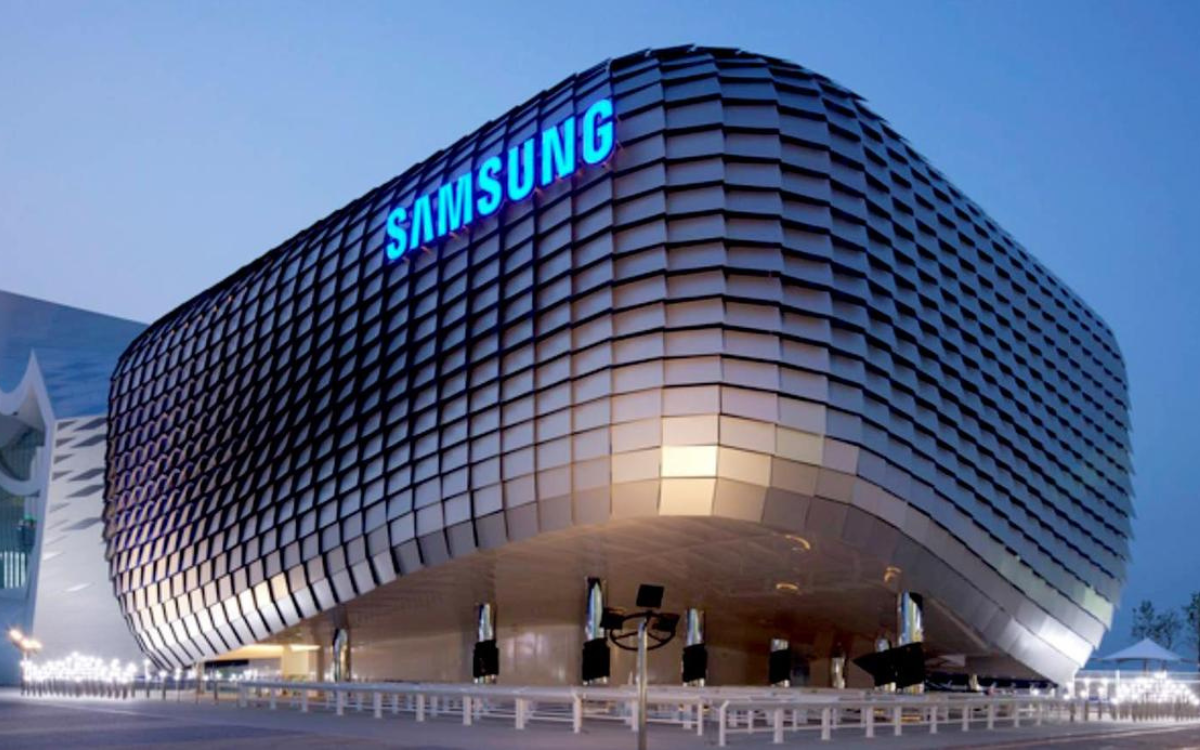
South Korea’s benchmark KOSPI index dropped 3.12 per cent on Monday as sharp declines in Samsung Electronics and SK hynix dragged down Seoul equities. The semiconductor sell-off erased gains from the previous two sessions, leaving Samsung tumbling 8.70 per cent and SK hynix down 3.41 per cent by the close.
The benchmark index settled at 6,696.96 points, down 215.99 points from Friday after opening 0.46 per cent lower. Foreign institutional funds drove the retreat, offloading a net 3.69 trillion won ($2.67 billion) in shares, while domestic institutions sold 1.29 trillion won. Local retail buyers absorbed 3.32 trillion won of the selling pressure.
Divergent Shareholder Return Strategies
Investor disappointment centered on the stark contrast between the capital return programs announced by the two semiconductor giants. SK hynix revealed a plan last Wednesday to repurchase and cancel 40 trillion won of its own stock, alongside a pledge to return at least 50 per cent of its free cash flow over the next three years. The chipmaker immediately started buying roughly 650,000 shares a day, accounting for up to 15 per cent of its daily trading volume.
Samsung took a different approach, winning board approval on Friday for a capital allocation package worth between 90 trillion and 110 trillion won this year. That total includes about 30 trillion won in cash payouts and regular third-quarter dividends. Traders reacted negatively to the lack of immediate share cancellations, dumping the stock after management deferred specific allocation mechanics.
Retail Buyers Cushion Foreign Outflows
Across regional tech capital, institutional funds increasingly reward immediate share retirements over cash dividends because equity cancellations permanently reduce share count. Samsung’s reliance on cash payouts left investors exposed to timing uncertainty while SK hynix locked in direct daily buying demand.
Capital that fled Samsung found a temporary home in smaller technology names. The secondary Kosdaq index gained 1.42 per cent to close at 813.33 points as money rotated into secondary battery suppliers and electronic materials manufacturers. In foreign exchange trading, the Korean won ended onshore trade at 1,382.4 per US dollar, strengthening by 4.1 won.
Samsung’s board of directors is scheduled to meet in late October to determine the final dividend allocation and exact cash distribution timetable for the remaining portion of its 110 trillion won plan.