Tag: Kowloon Bay

  • Le Pan at Kowloon Bay introduces French fine dining

    Le Pan at Kowloon Bay introduces French fine dining

    A new fine-dining experience has arrived in Hong Kong with the opening of French restaurant Le Pan at Kowloon Bay.

    It is hidden away behind 1920s-style doors in the Goldin Financial Global Centre, a commercial building. Covering 10,000 sqft (930 sqm), the restaurant has a white theme – as well as the tablecloths, there is white marble plus white leather seating. Four private dining areas can booked for private events, and guests can book a seat at the chef’s table where they can watch head chef Edward Voon at work.

    Once you are seated, the attentive staff makes sure you want for nothing. Home-baked bread in a range of styles is offered still warm from the oven, before canapes arrive.

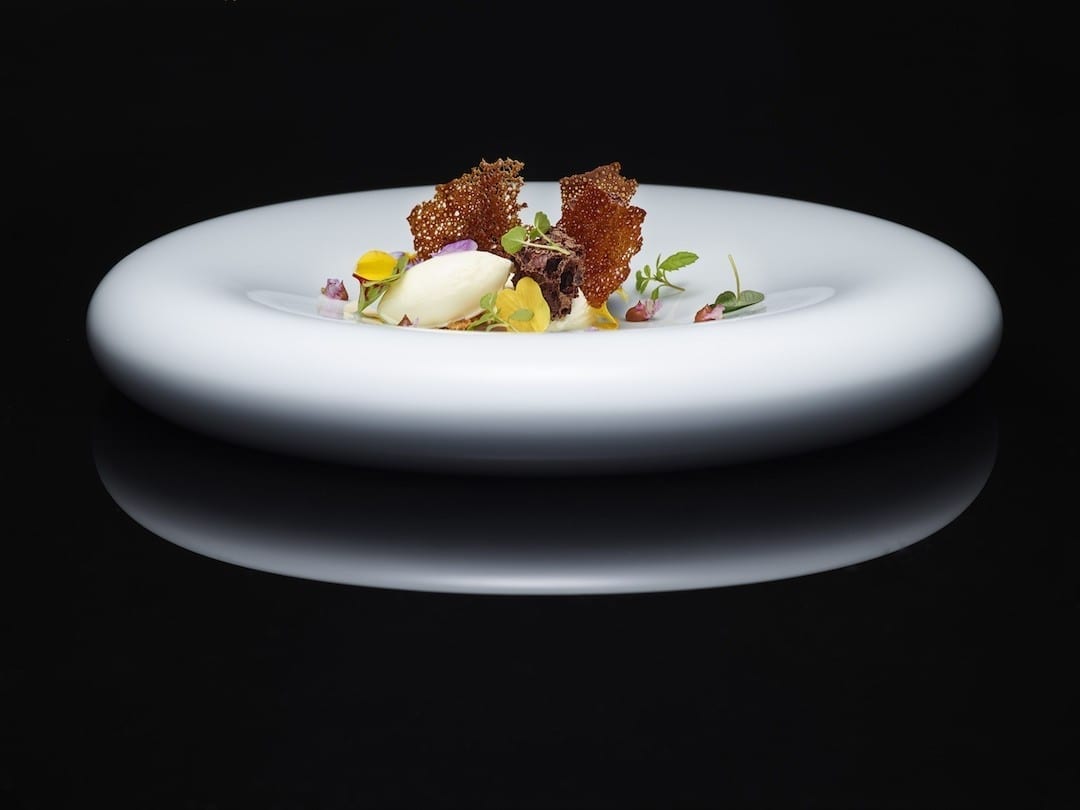
    Le Pan’s offering changes on a seasonal basis and it serves a selection of tasting menus running up to five courses. Dishes include Kaluga Queen Hybrid caviar with sea urchin, botan shrimps and crustacean jelly; bouillabaisse with stewed fish tortellini; and crispy-skin Kuhlbarra barramundi with herbs, braised fennel and beurre blanc.

    Each dish is introduced by the servers, even with eating suggestions.

  • Esprit just made a lot of money? Look again

    Esprit just made a lot of money? Look again

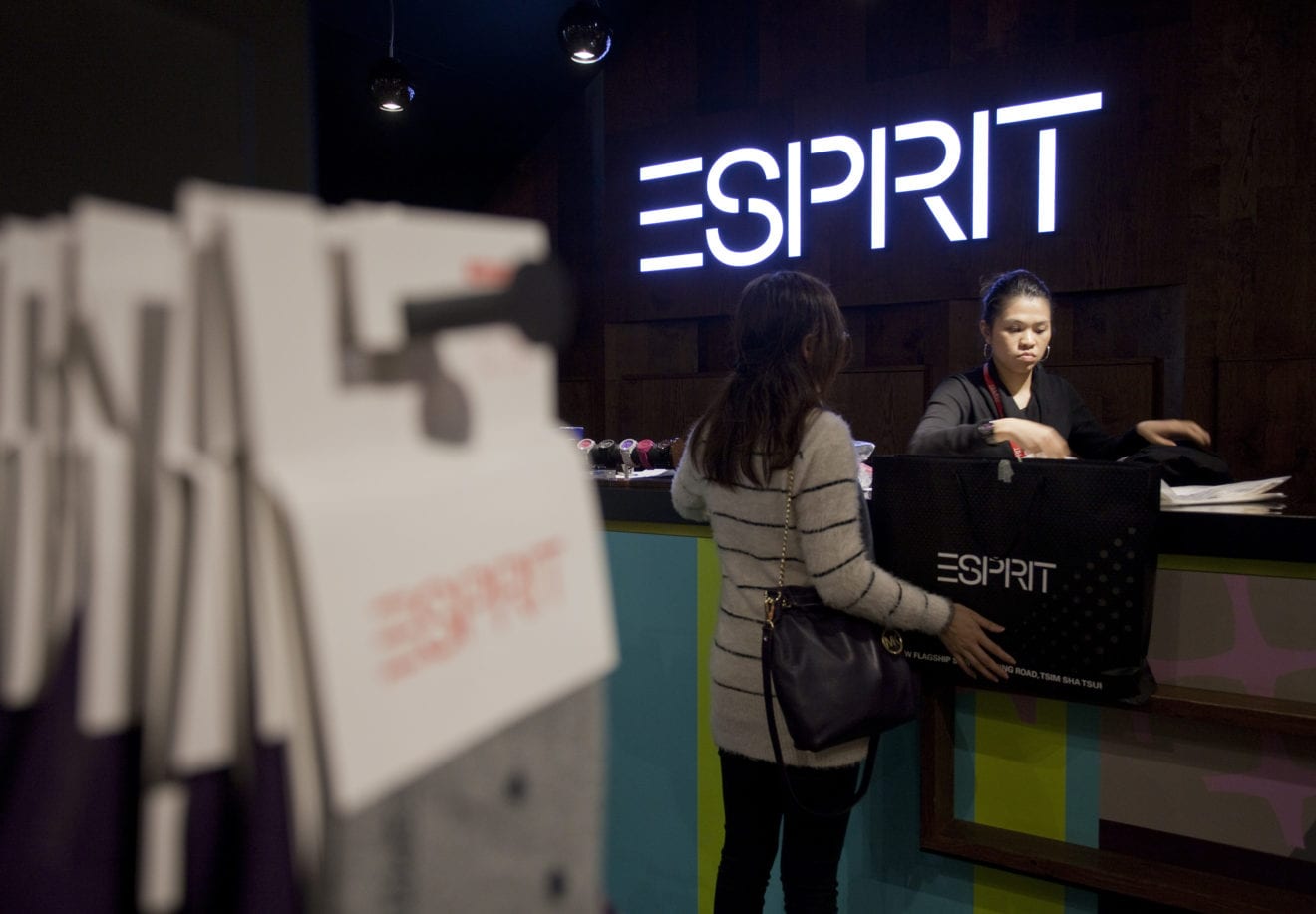
    Fashion icon Esprit is making headlines again, this time for the profitable sale of its Hong Kong headquarters.

    The struggling retailer said it made a profit of HK$725 million (US$93.53 million) from the sale of the premises — five floors in Enterprise Square in Kowloon Bay — to Phoenix Property Investors for HK$918 million.

    The buyer plans to lease the space back to Esprit for HK$2.43 million a month. That’s equivalent to a gross yield of about 3 percent on the deal, or 4 percent, assuming the additional one floor will be leased to Esprit at the same rate.

    The lease, which starts after the deal closes in March, will be for three years, renewable at a 20 per cent premium after the third year.

    The money would have been nothing to Esprit, once owned by Michael Ying, in its heyday when it churned out HK$5 billion in profits. In the financial year to June 30, 2015, Esprit made a net loss of HK$3.7 billion, or HK$1.90 per share.

    Esprit bought the property in 2004 for HK$200 million during the so-called “golden decade of retail” as mainland tourists began arriving in Hong Kong in great numbers.

    At the end of the heady run, apparel retail sales were up 126 per cent, with the biggest chunk going to three global fast fashion retailers — Japan’s Uniqlo, Sweden’s H&M and the Spanish giant Zara.

    Apple Daily reports that the three retailers have more than 80 outlets in Hong Kong combined.

    Most of its rivals did not disclose their sales figures but H&M said it recorded HK$1.29 billion in the first three quarters ended August.

    Where was Esprit in all of this?

    The Hong Kong flagship was embroiled in one of the greatest collapses in the competitive fashion industry.

    Sales from Hong Kong were down 8.4 per cent to HK$386 million, with its store network shrinking to 15 shops from 46 in 2006.

    Among the big winners were small designers such as Bauhaus, I.T. and low-end retailers such as Bossini, although Giordano lost market share.

    Altogether, local brands had 460 shops last year, according to Apple Daily, but their market share fell to 14.5 per cent from 18 per cent in 2006. Now we know why Esprit had to sell its headquarters.

    Yet, this is only one chapter in a painful restructuring that has already lasted more than five years.
     

  • Investors switch to Hong Kong office property market amid troubled outlook for retail sector

    Investors switch to Hong Kong office property market amid troubled outlook for retail sector

    Institutional investors are diverting their capital to Hong Kong’s office property market in the wake of a troubled outlook for the retail sector, where yields have been compressed by soaring asset prices.

    Property consultants expect more big-ticket transactions to emerge in the office investment market over the next 12 to 18 months, with investors targeting en-bloc sales.

    John Davies, an executive director of the Hong Kong institutional investment properties team at property consultant CBRE, said interest in office properties was increasing, given that the retail sector was heading for a correction and the mass residential market was under pressure.

    The office sector had become sought after by both investors and end-users because it had offered “stable but steady growth in rental income” since 2010, he said.

    The solid fundamentals of the office sector, including a low vacancy rate and a lack of major new supply from now until 2020, made investors more confident, Davies said.

    “It is quite interesting to see [office demand from] the financial sector in Central has not grown, but the insurance sector, global sourcing firms and engineering consultants doing a lot of regional infrastructure projects have been expanding in decentralised locations in the past decade,” he said.

    For instance, Kowloon Bay was becoming a favourite address among multinational corporations setting up headquarters in Hong Kong.

    There has been chatter in the market that an investor is in talks with Swire Properties to acquire an office project in Kowloon Bay for an estimated US$1 billion. If the deal eventuates, it would be the biggest office transaction in Hong Kong.

    In a stock exchange filing on August 30, Swire revealed it was considering selling its entire interest in a wholly owned subsidiary that holds an office development project in Kowloon Bay.

    Swire won the 46,235 sq ft site in November 2013 in a government tender for HK$2.6 billion, or HK$4,753 per square foot. The project is scheduled for completion in 2017.

    Jonathan Lai, an associate director at Ricacorp Properties, said there was a limited number of quality en-bloc office projects available for sale on the market.

    “Investors are willing to pay a premium for it,” he said.

    Lai said the Kowloon Bay project could prove attractive to real estate funds looking for stable income for three to five years.

    Davies expects more large deals in the next 12 to 18 months.