Tag: Kowloon

  • Kowloon Office Rental Market Set for 9% to 11% Decline in 2023: What’s Driving the Shift?

    Kowloon Office Rental Market Set for 9% to 11% Decline in 2023: What’s Driving the Shift?

    As the office market in Kowloon grapples with a substantial oversupply, the atmosphere has become increasingly cautious among tenants. Steve Ng, Executive Director and Head of Kowloon Office Strategy & Solutions at Knight Frank, pointed out that the first half of the year has been particularly challenging, with more than 6.7 million square feet of new and existing inventory flooding the market.

    Stagnation Reigns in Kowloon

    “Demand remains scattered, with only a handful of significant transactions occurring,” Ng remarked, highlighting a widespread sentiment of hesitation among tenants opting for a “wait-and-see” approach. As a result, the marketplace appears stagnant, with little sign of a turnaround.

    Declining Rents and Rising Vacancies

    In June 2025, Kowloon office rents experienced a year-on-year decline of 3.6%, dropping to less than HK$1 per square foot. This figure hints at a broader trend of weakness within the market. The office vacancy rate has increased modestly by 1.2%, affirming a lack of confidence in a potential recovery. Tenant sentiments reveal a prevailing wariness and anticipation of further drops, signaling that any signs of recovery might still be far off.

    Trade Pressures Loom Large

    Many tenants in Kowloon are entrenched in supply chain industries such as manufacturing, trading, and logistics. Despite a temporary pause in the US tariff conflict, ongoing trade pressures continue to rattle these sectors, leading to sustained weak demand for office space. With an oversupply that shows no signs of abating, we project a further decline in office rents in Kowloon, expecting a drop of 9% to 11% in 2025. Perhaps it’s time to think about converting those empty spaces into trendy pop-up shops or art galleries—there’s always a silver lining!

    Questions & Answers

    What challenges is the Kowloon office market currently facing?
    The market is dealing with an oversupply of over 6.7 million square feet and weak tenant demand, leading to a stagnant atmosphere and only a few significant transactions.

    How much have Kowloon office rents declined?
    As of June 2025, rents have fallen by 3.6% year on year, landing at less than HK$1 per square foot.

    What factors contribute to the expected rent decline in Kowloon?
    The combination of a supply glut and ongoing trade pressures in key industries will likely result in a projected rent drop of 9% to 11% by 2025.

  • Charles & Keith opens first store on Kowloon side of Hong Kong

    Charles & Keith opens first store on Kowloon side of Hong Kong

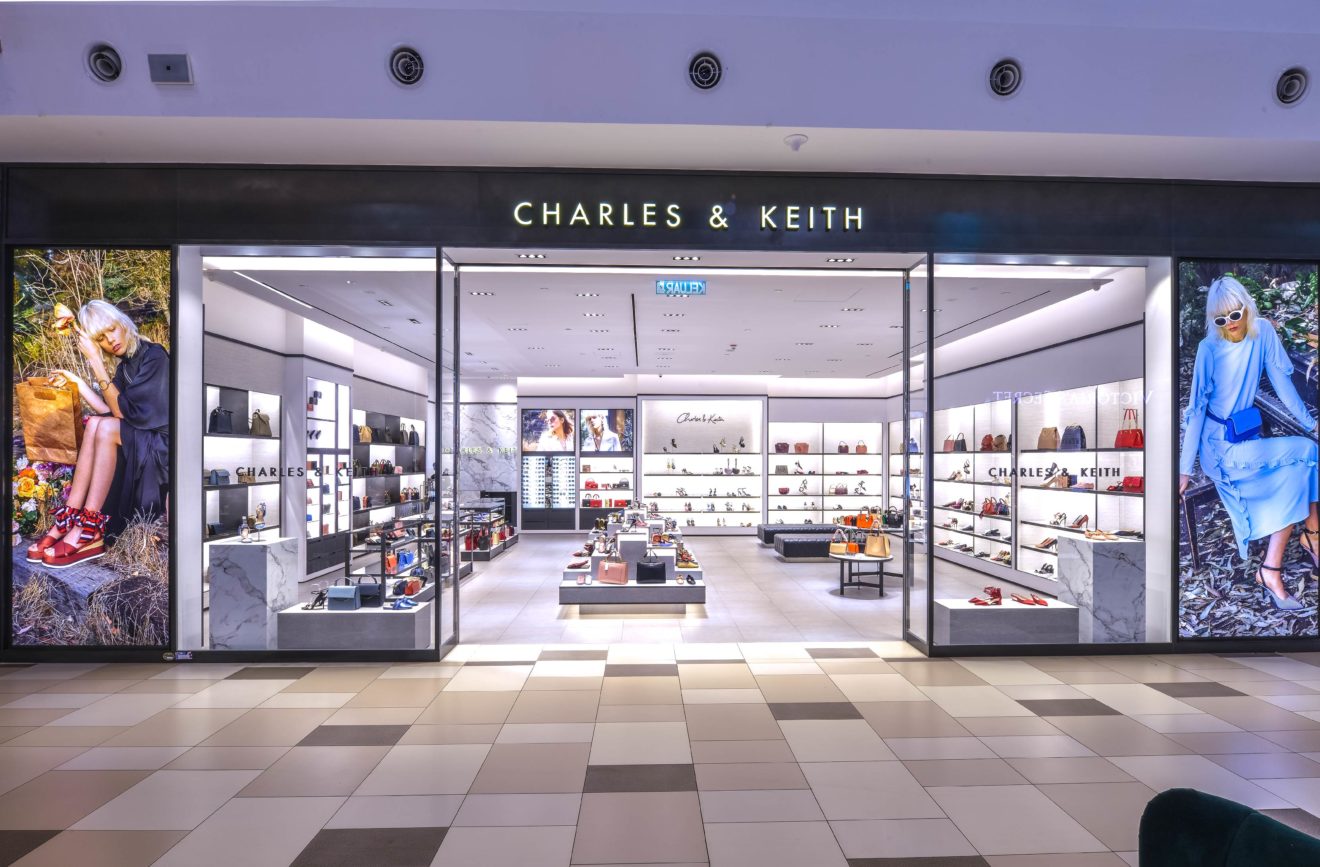
    Singapore footwear and accessories label Charles & Keith is unveiling its largest store at K11 Musea this month

    The 2000sqft store is the first Charles & Keith outlet in Kowloon and features an aesthetic inspired by a refined take on its design philosophy – designed to be in line with the Charles & Keith brand identity as well as to enhance the overall shopping experience. It features limestone fixtures that contrast with dark grey powder furnishing, reflecting a sophisticated simplicity that complements the brand’s collections.

    The Charles & Keith by Oamul Lu collection – the brand’s global collaboration with the artist known for his whimsical and romantic illustrations – will be available exclusively at the K11 store. This limited-edition collection consists of five products, all of which feature a unique illustration by Lu that has been created specifically for this partnership.

  • Panerai Opens Tsim Sha Tsui Centre Boutique

    Panerai Opens Tsim Sha Tsui Centre Boutique

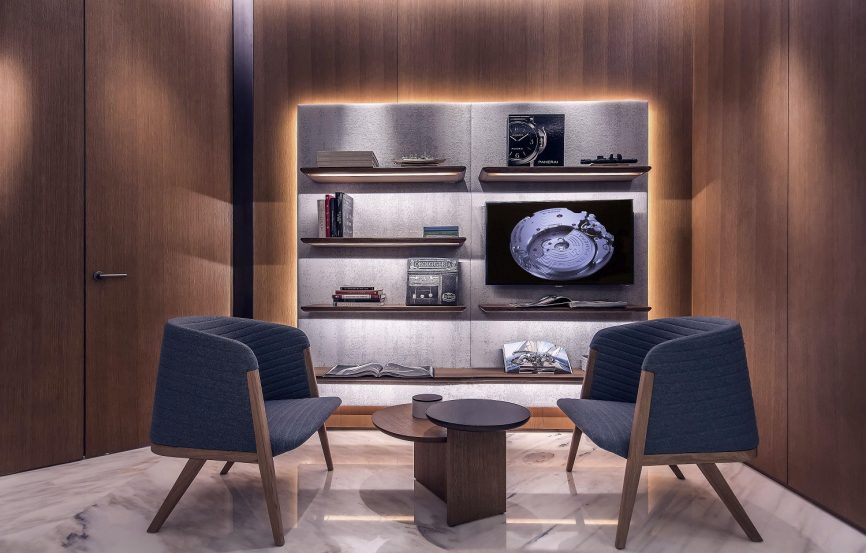
    Florentine high-end luxury watchmaker Panerai has opened a boutique in Kowloon.

    The 60sqm Panerai Tsim Sha Tsui Centre store is the fifth opened in Hong Kong, after the Landmark Prince, Canton Road, IFC and Times Square boutiques.

    The concept of the design and materials used reflect Panerai’s Italian tradition and stands as a reference to the underwater universe. The use of oak, veined Italian marble, burnished brass, bronze, and a special “reeded” glass reinterprets the watchmaker’s technical codes, as well as the brass lights and sales counters with wooden details recalling the sea and sailing ships.

    Panerai now has 85 boutiques throughout the world, five of which are in Hong Kong.

  • Rituals Hong Kong Store About To Open

    Rituals Hong Kong Store About To Open

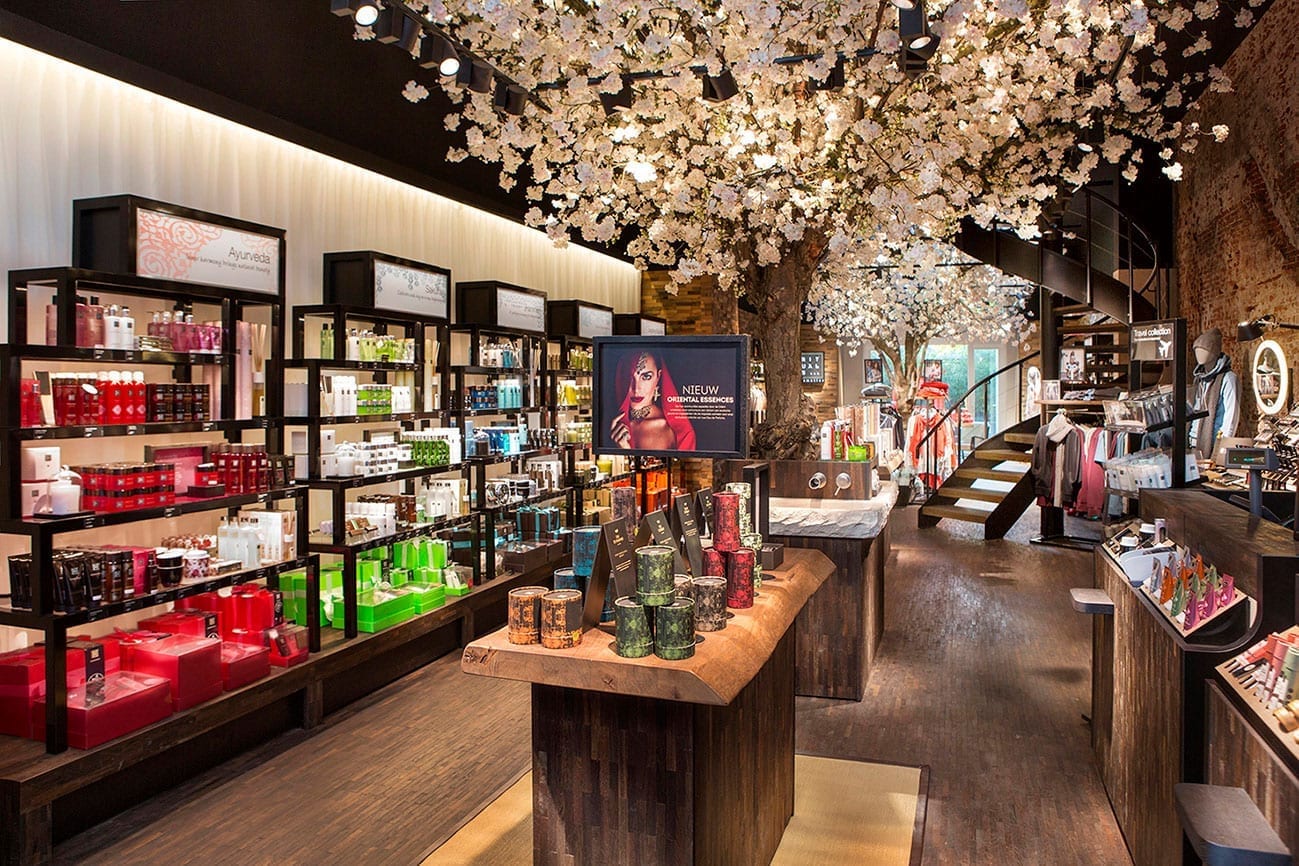
    The first standalone Rituals Hong Kong store is slated for opening in July as the Dutch cosmetics retailer ramps up its presence in Asia.

    The company has promoted business development manager of travel retail, Marjet de Vlieger, as head of travel retail Apac. She will take up the newly created role on July 1 and relocate to the city in January. A Rituals Hong Kong office and warehouse are set to open next month.

    Until now, Rituals has only been sold in the region through concessions, including one at the T Galleria by DFS stores on Kowloon’s Canton Road. But that is about to change. Along with the Hong Kong store, the first in Asia, Rituals plans 10 new points of sale in the region, including a debut in South Korea.

    “Opening the Hong Kong office and warehouse facility is a major investment and steps forward as we look to convert the Asia opportunity,” said Rituals director of travel retail Neil Ebbutt.

    “For Rituals, travel retail is leading the way in building the brand’s presence in Asia, which not only shows the power of the channel but also allows airports and retailers to better differentiate themselves by being the gateway into the Rituals world.

    “Our vision is to build a truly global lifestyle brand and we’re ready to capitalize on this travel retail-first approach,” he said.

    Rituals has a five-year plan to build sales across Asia encompassing travel retail, standalone stores, and e-commerce. It will seek partnerships with airlines and hotels through a network of distributors.

  • China, Hong Kong, Kowloon Team Heads Change at UBS

    China, Hong Kong, Kowloon Team Heads Change at UBS

    Following a realignment of its senior regional management last week, Swiss bank UBS has now rejigged its middle management, or country team heads as they are referred to at the bank.

    Kenny Wai, country team head for Kowloon, has resigned from the bank after seven years with UBS having previously been a desk head for both the Hong Kong and China International markets. In May 2018, Wai was made country team head for Hong Kong when Adeline Chien was promoted to a larger role as head of Hong Kong. Prior to UBS, Wai worked variously in compliance and as a client advisor, most recently at Merrill Lynch.

    His responsibilities will be taken up by Wai Man Chiu who joined UBS last year from Hang Seng Bank where she led a team of 30 colleagues. When she assumed the role of country team head at UBS, several members of her team from Hang Seng followed her to the Swiss bank. Most notable amongst them were desk head Jonathon Yeung and client advisors Aubrey Cheung, Connie Chan, and Raymond Yung.

    According to an internal memo seen from Marina Lui, the newly appointed head of wealth management China, she confirms the resignation of Wu Ya Ju, country team head of China International. Wu had been with UBS since 1996, starting as a client advisor with the bank. She is believed to be retiring from the industry. Also retiring is Philip Mak, country team head Hong Kong Domestic.

  • Moon Lok Chinese restaurant opens at Xiqu Centre

    Moon Lok Chinese restaurant opens at Xiqu Centre

    The first dining establishment has opened in the brand new Xiqu Centre in West Kowloon, showcasing high-calibre Chinese regional cuisine. Seating 260 guests, the 8000sqft Moon Lok Chinese Restaurant evokes the atmosphere of a Chinese garden as a place where one spends time with family and friends for pleasure and relaxation, inspiring a closeness with nature.

    The venue is operated by Buick Management, a Hong Kong-based hospitality group that has over 25 years’ experience in the food and beverage industry. It is best known for managing Pak Lok Chiu Chow, a household name for Chiu Chow cuisine in Hong Kong, with branches in Times Square, K11 and Elements, as well as Starhill Gallery in Kuala Lumpur.

    Located at the junction of Canton Road and Austin Road, Moon Lok Chinese Restaurant is easily accessible by the Hong Kong West Kowloon Station and Austin MTR station, the China Ferry Terminal that connects to Macau, Zhuhai, and Shekou, as well as the Guangzhou-Shenzhen-Hong Kong Express Rail Link.

    Reflecting the Xiqu Centre’s modern design inspired by traditional Chinese lanterns, the restaurant also blends traditional and contemporary elements to reflect the evolving nature of the culinary art form.

  • Foot Locker’s Newest Store Features a Barber Shop and Gaming Zone

    Foot Locker’s Newest Store Features a Barber Shop and Gaming Zone

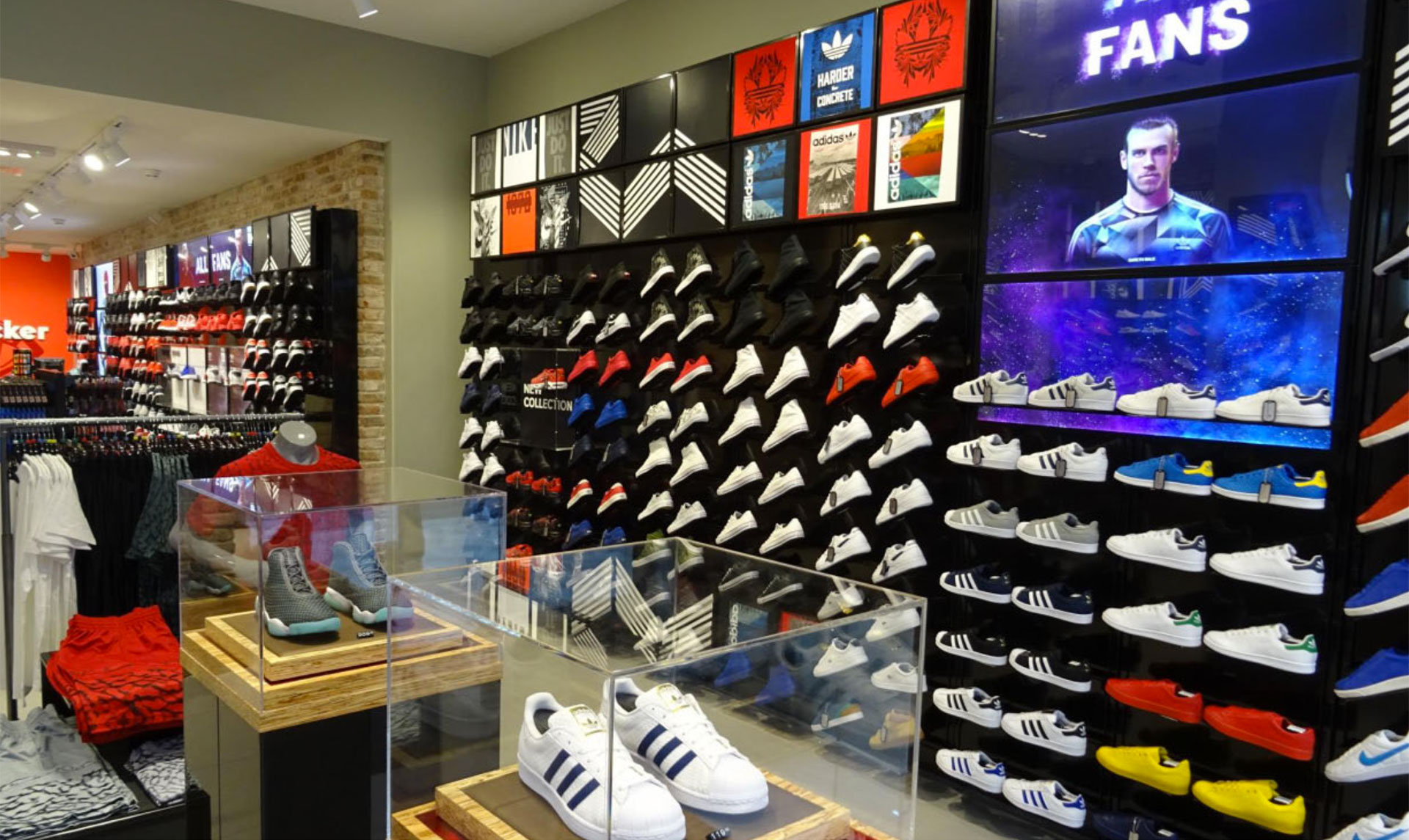
    Foot Locker is diving headfirst into experiential retail with the debut of its Hong Kong “power store,” a 26,000-square-foot sneakerhead paradise where shoppers can get a haircut or hang out and play Xbox in between trying on shoes.

    Located in the city’s bustling Kowloon shopping district, the store is one of four the company plans to open throughout Asia in the 2018 fiscal year, with three in Singapore and one in Malaysia rounding out the pack. Only the Hong Kong location, however, qualifies as a power store, which Foot Locker’s chairman and CEO Dick Johnson described on the company’s last earnings call as an effort “in key markets to create more immersive and community-oriented customer experiences.”

    Power stores in Liverpool, England, and Oxford Street in London likewise feature collaborations with local artists, on-site barber shops, sneaker cleanings and gaming zones, all designed to enhance the in-store experience at a time when many sneaker fans do much of their shopping online or via app.

    The company is betting on its new Asia outposts to help drive sales as its growth in the U.S. and Europe have flagged slightly in recent quarters. It is also launching e-commerce in Singapore for the first time, complementing its in-store offerings.

    Throughout the year, the company plans to open 45 new stores and close 120 less profitable locations, and Johnson said power stores are in the works for the domestic market, with the Detroit area up first. The trick, he said, is finding “the right property, the right lease terms and the right construction period to make it happen.”

  • De Beers Diamonds expands into Kowloon

    De Beers Diamonds expands into Kowloon

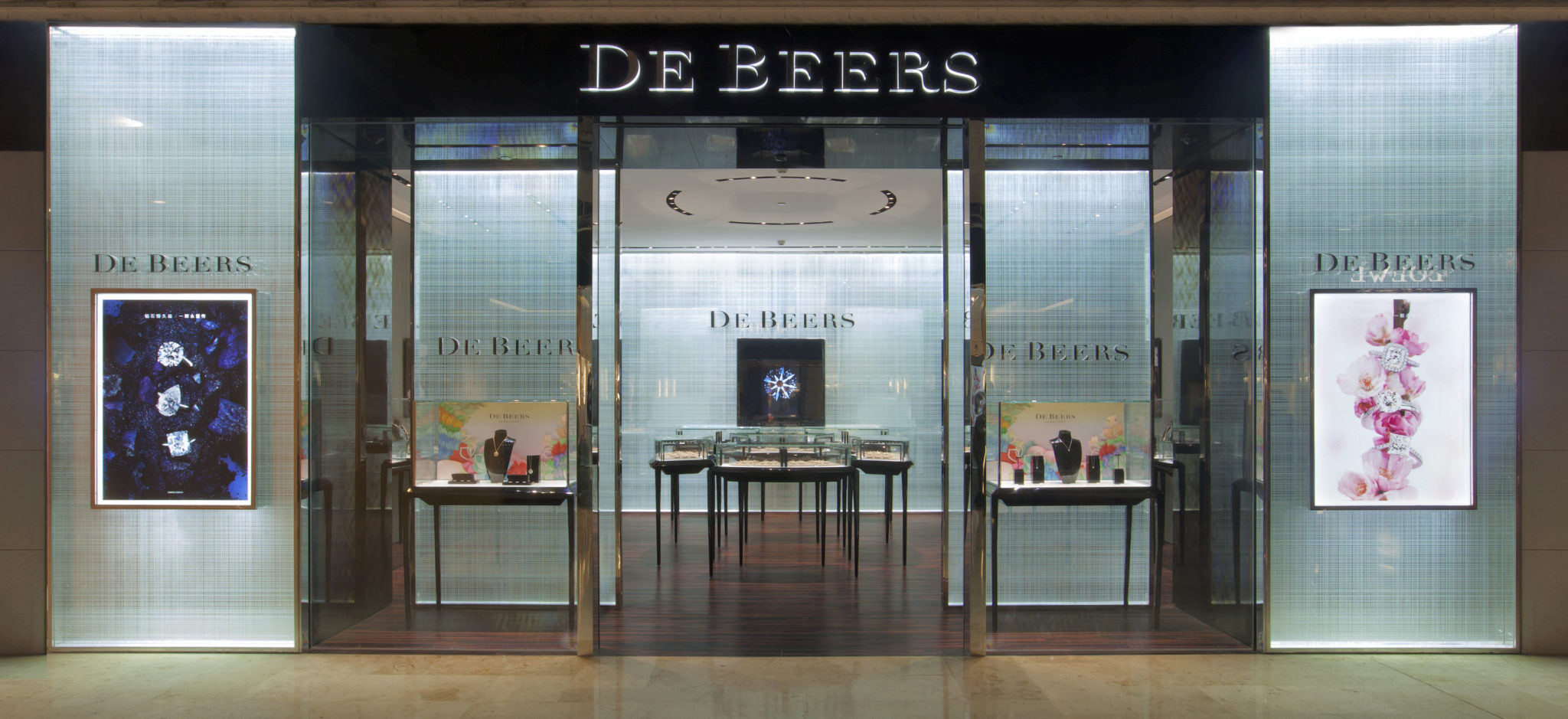
    De Beers Diamond Jewellers Hong Kong has launched a retail location, its fourth, in Kowloon.

    The 1000sqft store features bridal diamond jewellery including engagement rings and wedding bands, as well as high jewellery and iconic collections such as Talisman.

    The opening brings the chain’s global store count to 34. De Beers launched its retail chain in 2001 in partnership with LVMH. The miner last year bought out the luxury jeweller’s 50 per cent stake.

  • Lawsgroup’s journey from Hong Kong to Myanmar

    Lawsgroup’s journey from Hong Kong to Myanmar

    ‘I run the business just like a hobby’: says Bosco Law, Lawsgroup chief executive. Before his death in 1996, the Hong Kong textile tycoon Law Ting-pong handwrote a letter of wishes in which he expressed the hope that “those who are careful at the beginning would also be careful to the end”.

    Unfortunately, the lack of careful wording in the informal will sparked a court battle between his six children over his HK$1bn estate that dragged on until 2011.

    Now, with the row settled, his 37-year-old grandson Bosco Law is trying to live out the exhortation to cautious living in his role as chief executive of Lawsgroup, the family’s mini-conglomerate, which spans clothes manufacturing, retail and property.
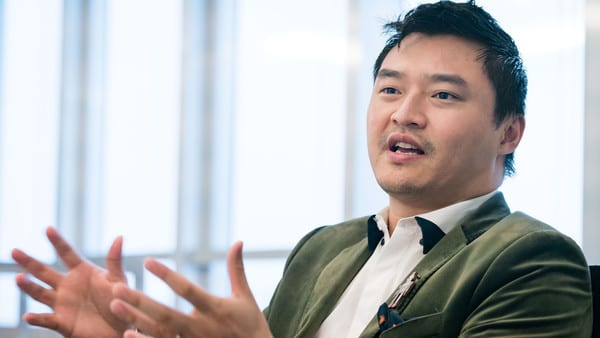
    'I run the business just like a hobby': Bosco Law, Lawsgroup CEO

    “My grandfather had a saying that we should be very conservative but also aggressive,” says Mr Law, speaking at the company’s headquarters in a busy commercial area of the Kowloon district in Hong Kong.

    He explains the apparent conflict: the phrase means eschewing complicated financial products such as currency derivatives but taking an adventurous approach to expanding the core business of sewing T-shirts and knitting sweatshirts for retail customers including Gap, JC Penney and Uniqlo. “The manufacturing environment is ever changing so you always have to have a changing mindset to survive,” he says.

    He declines to release any figures indicating the size of the company but as evidence of its ambitions, cites its recent expansion into Myanmar, which has attracted much attention but where few investors are willing to take the plunge.

    Always searching for cheaper labour, Lawsgroup opened its first factory there last year and employs more than 2,000 people making T-shirts two hours’ drive north of Yangon, the commercial capital. “Opening a new factory is always tough,” says Mr Law. “Everything is new in Myanmar. Even if you talk to the [government’s] commerce department, they don’t really know the policy . . .  everything is a guess, everything is grey.”

    Politics is a further uncertainty, with talks about forming a new government taking place between opposition leader Aung San Suu Kyi and the ruling military after her party won November’s election. “Who knows what will happen? But still, if we have a 70 per cent chance [of success] we will go for it.”

    While the business is much smaller than the conglomerates built by Hong Kong tycoons such as Li Ka-shing and Lee Shau-kee, Lawsgroup’s combination of entrepreneurial endeavour and conservatism is typical of the approach that built the city’s dominant family businesses. Many started with humdrum businesses such as small-scale factories or retail stores before parlaying profits and connections into diversified business empires.

    You can make decisions faster and you can follow your will and passion, but you have to take full responsibility because it’s also your money

    Lawsgroup, which employs about 20,000 people in Bangladesh, China, Hong Kong, Myanmar and Vietnam, was founded as a textile manufacturer by Law Ting-pong in 1975 in the heyday of the “made in Hong Kong” boom. Like other Hong Kong clothes makers, it soon moved into the mainland to take advantage of low wages, a huge workforce and the opening-up of China from the late 1970s.

    Its expansion there took off only after 2005, when quotas on imported textiles in Canada, the EU and the US finally ended. That year, Mr Law joined the family business after studying architecture in Toronto and working for an architects’ firm and a bank.

    Lawsgroup was listed in Hong Kong in 1987 and a separate property and retail arm spun off into their own listings before the main holding group was taken private in 1998.

    Mr Law, who describes his management style as “firefighting” when necessary, rather than micromanaging, says his main interest is fashion. That much is clear from his quirky outfit of flowery sneakers, grey trousers and a green blazer with a robot-shaped brooch.

    A laid-back figure who rarely gives interviews, Mr Law insists he was not parachuted into his job by dint of some family succession plan but he notes that running a family-owned company has advantages.

    “You can make your decisions faster and you can follow your will and passion, but you have to take full responsibility because it’s also your money.” Yet, pushed on whether he feels pressure to maintain and enhance a rich legacy, as in many Chinese family-owned companies, he brushes off the question. “I run the business just like a hobby,” he says. “I’m pushing my vision and I like doing branding and marketing.”

    Perhaps he does not feel the weight of family expectations so heavily because his father’s siblings run their own businesses, from Crystal Group, a leading clothing manufacturer, to the Park Hotel group and Bossini, the low-cost clothing retailer that made his grandfather famous in Hong Kong.

    Mr Law’s focus is on managing Lawsgroup’s moves into new markets. With factory workers in the manufacturing heartland of Guangdong taking home more than $500 a month, Lawsgroup is expanding in countries where wages are less than half the cost, such as Myanmar, Vietnam and Bangladesh.

    Mr Law’s responses are sometimes so relaxed it is hard to tell if he is blasé, unflappable or evasive

    The death of basic manufacturing in China has long been prophesied, but Mr Law believes big producers will keep a presence there because of the scale and infrastructure advantages, as well as technical expertise.

    “Most of our research and development is in China, where we do our industrial engineering and have developed our own IT system for quality control,” he says. “We do our factory line planning and training videos in China and then have the whole package sent overseas for them to follow.”

    Mr Law’s responses are sometimes so relaxed it is hard to tell if he is blasé, unflappable or evasive.

    Asked if he worries about his safety after his cousin Queenie Law was kidnapped for ransom last year, he says “it’s just a single case”. Is he concerned about the disappearance of five Hong Kong booksellers whose store sold works critical of China’s top leaders? “It’s just a single case”.

    Like most Hong Kong businessmen with interests in mainland China, he is reluctant to be drawn into discussions about politics but his attitude might also point to a deeper self-confidence. Free from the vicissitudes and pressures of equity markets, conservative family companies such as his find it easier to endure difficult times.

    On the day of the interview, Chinese stock and currency markets were again ridden with turbulence, and global investors were jittery about the prospects for the world’s second-biggest economy. Unlike some other manufacturers, Lawsgroup has not taken out hedges against renminbi volatility but Mr Law prefers to concentrate on the fundamental business.

    “We’ve been doing this for 40 years. It’s a downtrend right now so we have to buckle up. I’m still confident about Hong Kong and China in the long term.”
  • Chow Sang Sang local sales slide

    Chow Sang Sang local sales slide

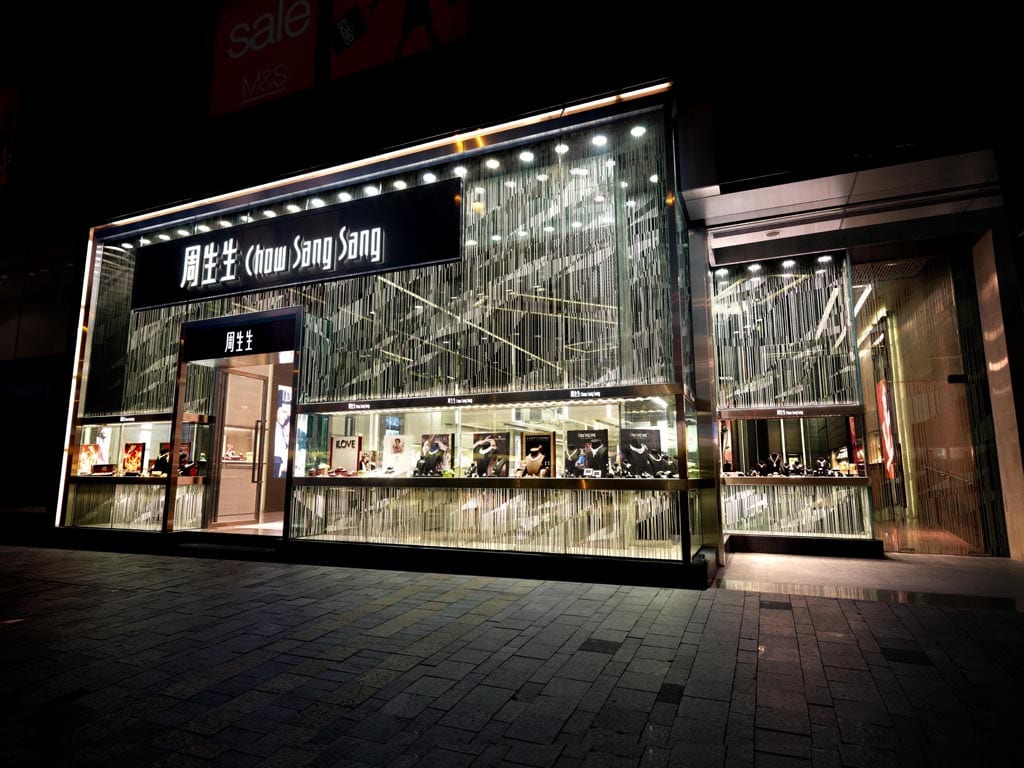
    Jeweller Chow Sang Sang has reported a 12 per cent slump in same store sales in Hong Kong and Macau during the first half of this year.

    But the company’s total sales slipped just one per cent and its profit rose 40 per cent during the six months, due to its disposal of shares in Hong Kong Exchanges and Clearing Ltd. Operating profit was down about 12 per cent.

    The company said while official records show a 5.9 per cent increase in the number of visits to Hong Kong by Mainland Chinese in the first five months, “actual spending by these visitors did not bring much cheer to the luxury retail sector”.

    “Negative sentiments towards cross-border traders and even mainland visitors probably cast a pall over shopping activities. Exchange rate fluctuations caused price differences that made it worthwhile for consumers from the mainland, and even those from Hong Kong, to shop in Japan and Europe for luxury goods.”

    During the half, Chow Sang Sang closed its Metroplaza store in Kwai Chung, but expanded its store in Elements, West Kowloon and converted the fitout to the company’s new generation shop design.

    The company said Macau was especially hard hit by the anti-graft campaigns and the measure to restrict funds outflow. One street-level store was closed there at the expiry of its lease.

    “On the Mainland, the slowing growth in the economy, the continued anti-corruption and austerity drive affected high-ticket spending, but in general the retail sector was healthy.”

    The jeweller opened 21 stores during the half taking its reach to 102 cities. Ten underperforming stores were closed for a net gain of 11 and a total network of 333.

    The company says in the months ahead it will continue to closely monitor its inventory levels. It has revamped its online shops both for the Mainland and Hong Kong and online sales continue to grow.

    “We are making progress in facilitating our online customers to take advantage of the network of physical stores.”

    In Hong Kong the company has acquired space in Citywalk, Tsuen Wan, to open a Rolex and Tudor store.

    The existing store in the same mall shall cease to operate its watch counters.

    In China 18 stores are planned between now and Christmas, along with several refitting and closings.

  • Coach Canton Rd flagship opens

    Coach Canton Rd flagship opens

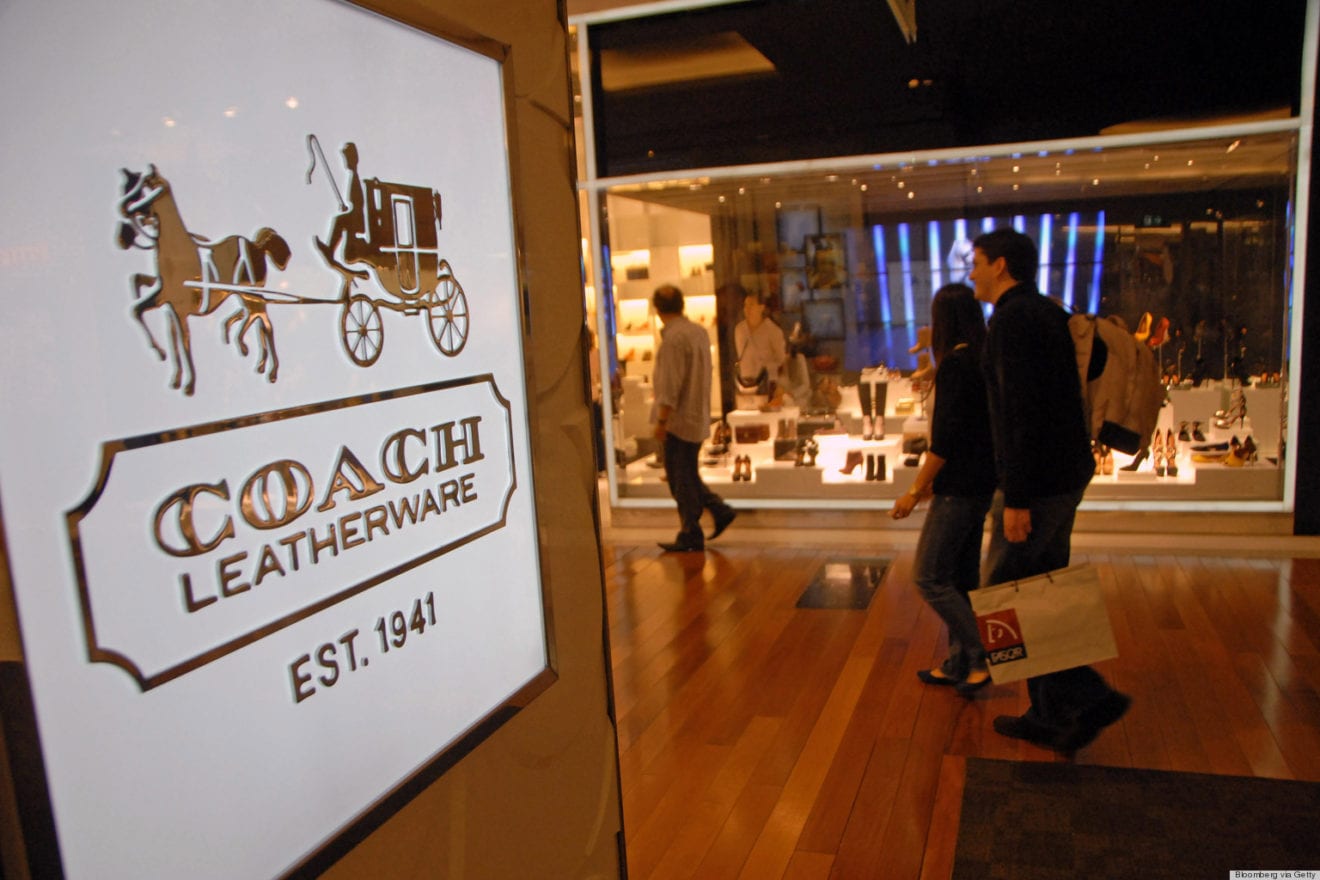
    US fashion brand Coach has opened a new flagship in Kowloon.

    Coach Canton Rd is the company’s second flagship store in the territory and gives it one superstore on either side of the harbour; the other one is located in Central.

    The new 4000 sqft flagship store spans a whole three floors in the Harbour City complex.

    Designed by Coach executive creative director Stuart Vevers, in partnership with world renowned creative firm Studio Sofield, which has also completed projects for Gucci, Bottega Veneta and Tom Ford.

    Store features include a ready-to-wear shop with custom furniture.

    To mark the opening, Coach has released a limited edition Suede Coach Swagger bag available in Navy and Black Cherry, for a limited time exclusively at the new store.